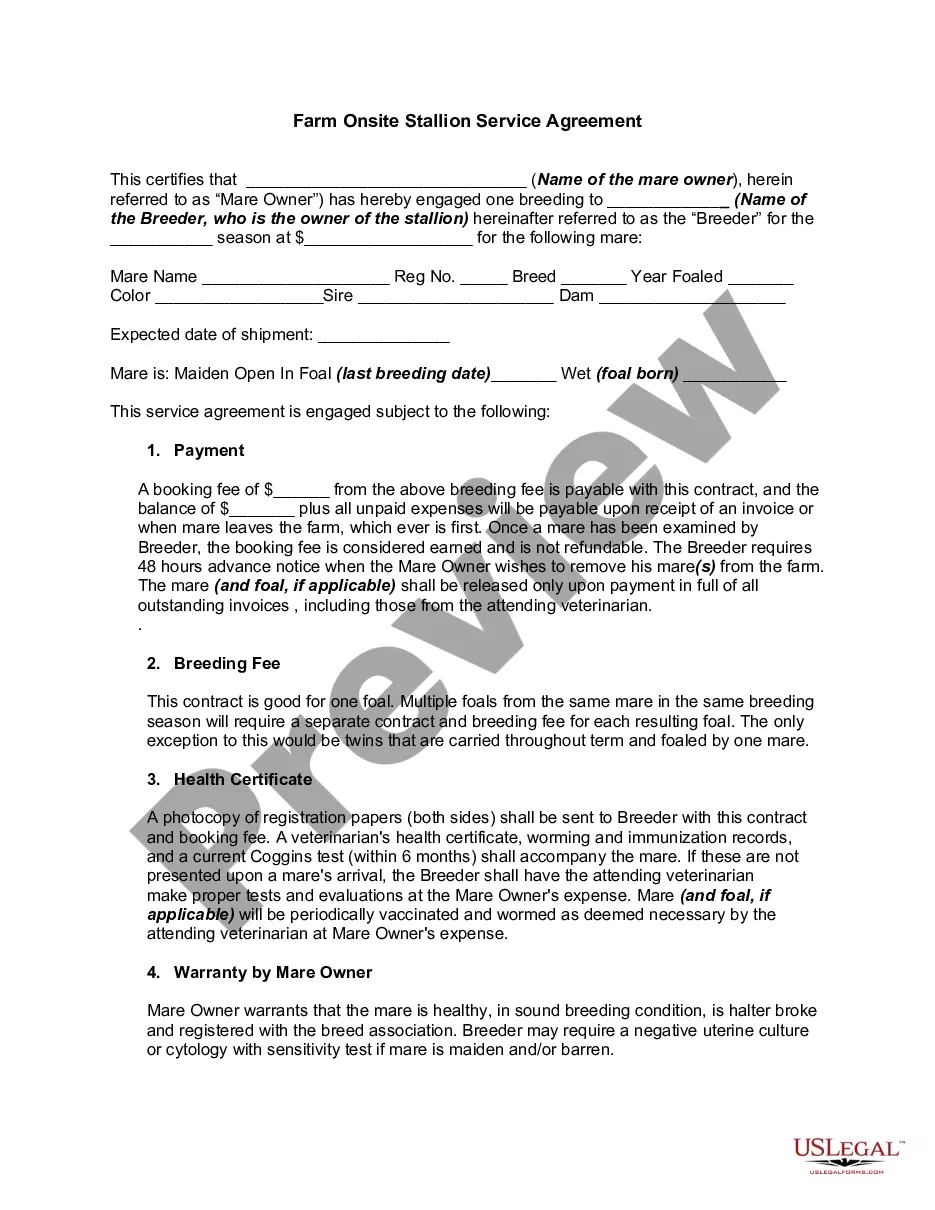
Trust Of Deeds For Property In Texas
Description








Get your form ready online
Our built-in tools help you complete, sign, share, and store your documents in one place.
Make edits, fill in missing information, and update formatting in US Legal Forms—just like you would in MS Word.
Download a copy, print it, send it by email, or mail it via USPS—whatever works best for your next step.
Sign and collect signatures with our SignNow integration. Send to multiple recipients, set reminders, and more. Go Premium to unlock E-Sign.
If this form requires notarization, complete it online through a secure video call—no need to meet a notary in person or wait for an appointment.
We protect your documents and personal data by following strict security and privacy standards.

Make edits, fill in missing information, and update formatting in US Legal Forms—just like you would in MS Word.

Download a copy, print it, send it by email, or mail it via USPS—whatever works best for your next step.

Sign and collect signatures with our SignNow integration. Send to multiple recipients, set reminders, and more. Go Premium to unlock E-Sign.

If this form requires notarization, complete it online through a secure video call—no need to meet a notary in person or wait for an appointment.

We protect your documents and personal data by following strict security and privacy standards.
Looking for another form?




Form popularity
FAQ
Creating a land trust involves several steps: Consult an Attorney: Get professional advice to ensure that a land trust fits your needs. Draft the Trust Agreement: Outline the terms, including who will be the trustee and beneficiaries. Transfer the Property: Deed the property to the trustee.
One disadvantage of placing your house in a trust is the loss of direct ownership. Transferring your property to a revocable living trust makes the trust the legal owner. While you retain control as the trustee, this change in ownership may affect your ability to mortgage or refinance the property.
To transfer real property into your Trust, a new deed reflecting the name of the Trust must be executed, notarized and recorded with the County Recorder in the County where the property is located. Care must be taken that the exact legal description in the existing deed appears on the new deed.
Texas doesn't require you to record your trust. As long as it's signed, notarized, and properly funded, it's valid.
Transferring real estate to a living trust in Texas involves signing a deed that transfers the interest in the property to the trust and then recording this deed with the county to formalize the transfer. A wide range of financial accounts, including bank accounts, can also be transferred to a living trust.
Parents and other family members who want to pass on assets during their lifetimes may be tempted to gift the assets. Although setting up an irrevocable trust lacks the simplicity of giving a gift, it may be a better way to preserve assets for the future.
Trusts in themselves are not legal entities which can own, manage or sell property. A trust operates through one or more trustees, who usually are individuals but may be corporations. It is these trustees who hold legal title to the property for the benefit of the beneficiaries of the trust.
The short answer is yes. There is, of course, some nuance to that, but a trust can hold ownership or title to anything that an individual can hold.
Once property has been transferred to a trust, the trust itself becomes the rightful owner of the assets. In an irrevocable trust, the assets can no longer be controlled or claimed by the previous owner.
Yes, you can sell a home with a Deed of Trust. However, just like a mortgage, if you're selling the home for less than you owe on it, you'll need approval from the lender.