Trust Deed Format For Ngo In Texas
Description

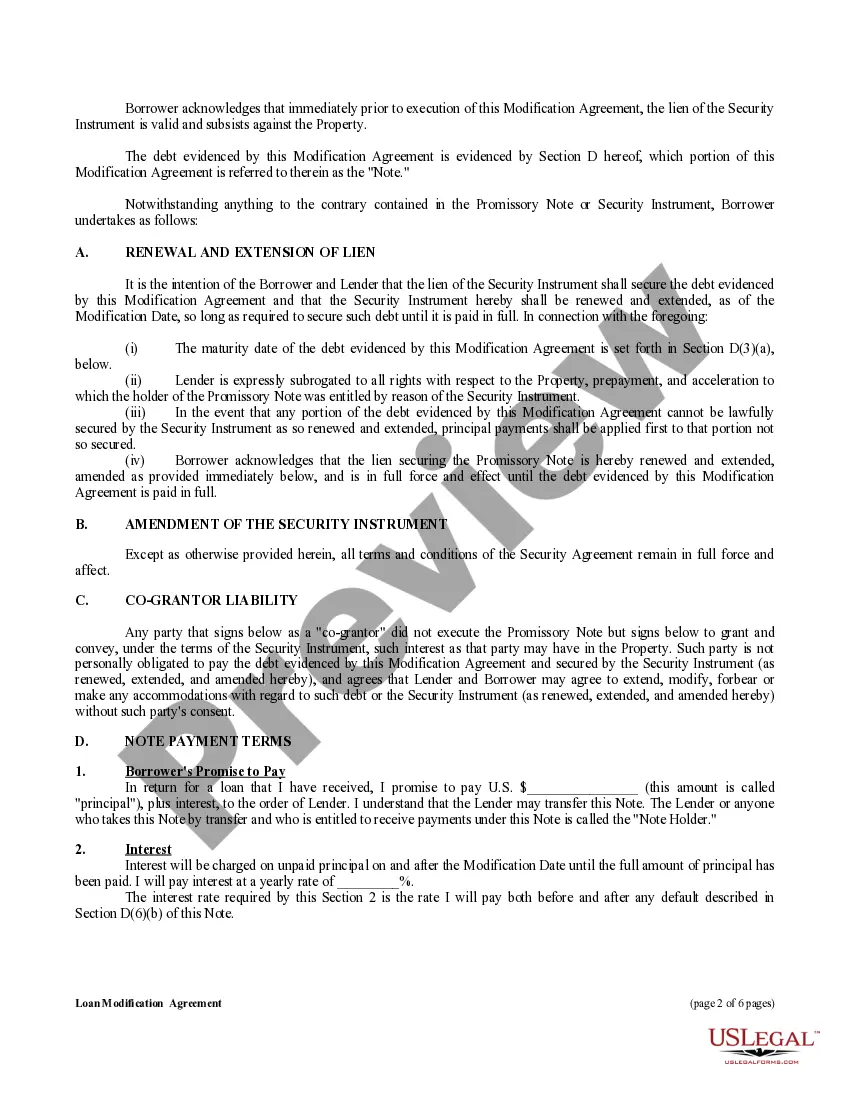
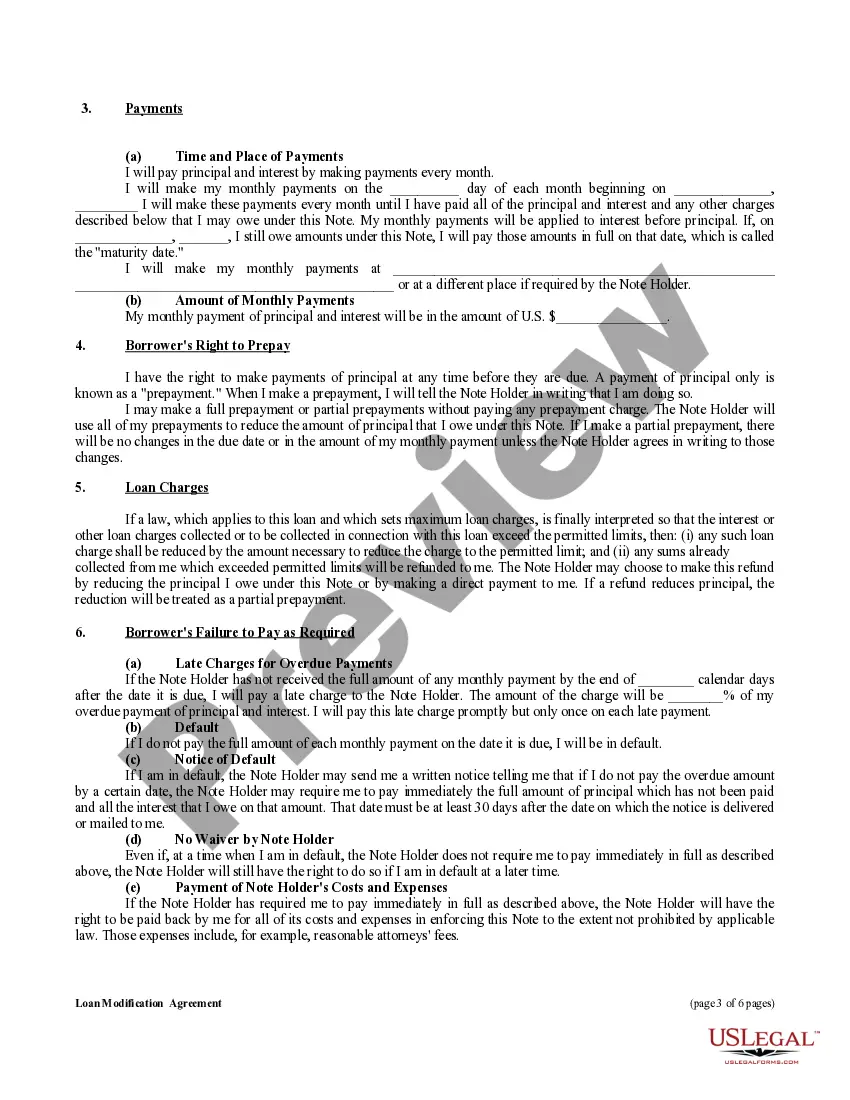
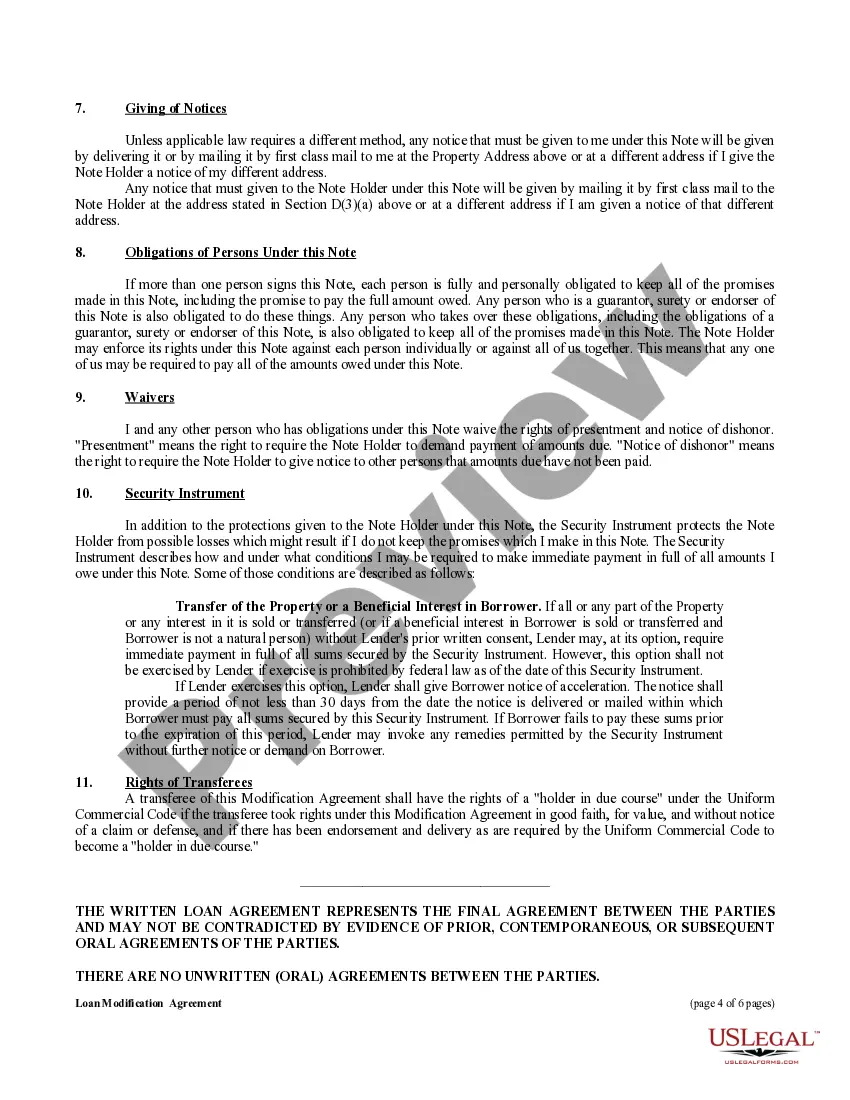
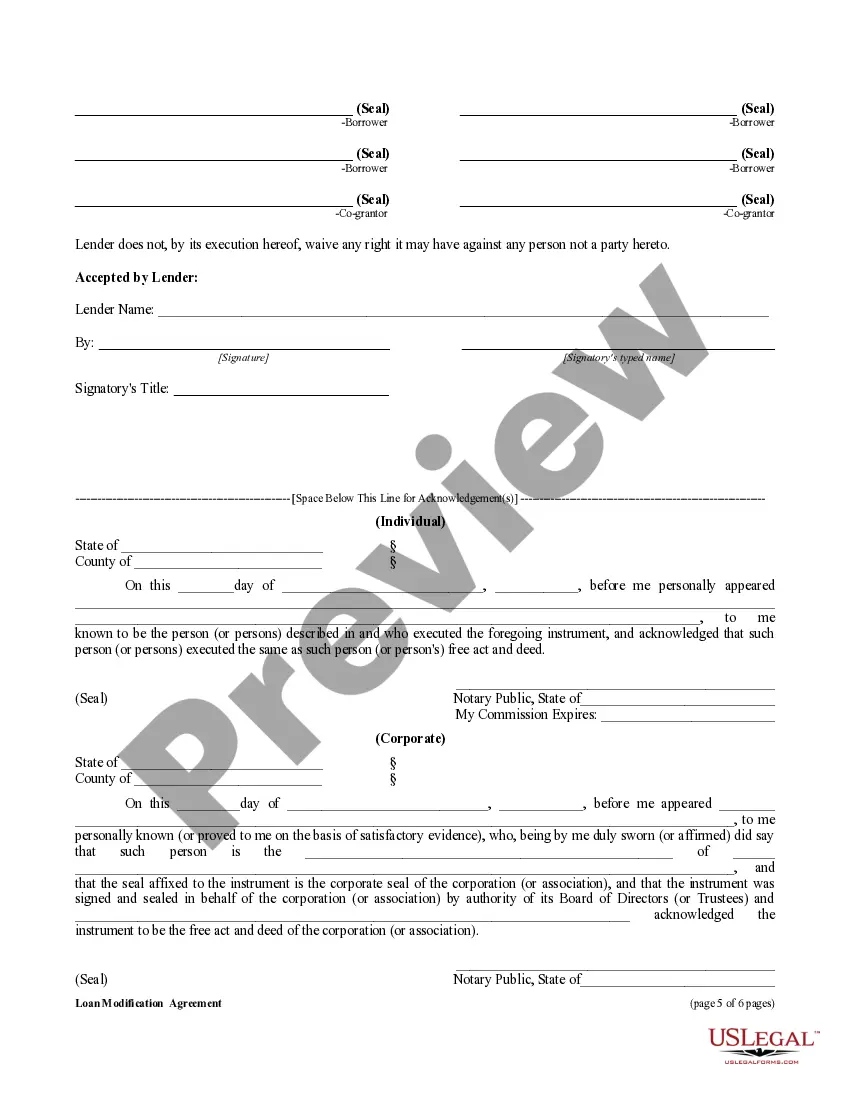

Get your form ready online
Our built-in tools help you complete, sign, share, and store your documents in one place.
Make edits, fill in missing information, and update formatting in US Legal Forms—just like you would in MS Word.
Download a copy, print it, send it by email, or mail it via USPS—whatever works best for your next step.
Sign and collect signatures with our SignNow integration. Send to multiple recipients, set reminders, and more. Go Premium to unlock E-Sign.
If this form requires notarization, complete it online through a secure video call—no need to meet a notary in person or wait for an appointment.
We protect your documents and personal data by following strict security and privacy standards.

Make edits, fill in missing information, and update formatting in US Legal Forms—just like you would in MS Word.

Download a copy, print it, send it by email, or mail it via USPS—whatever works best for your next step.

Sign and collect signatures with our SignNow integration. Send to multiple recipients, set reminders, and more. Go Premium to unlock E-Sign.

If this form requires notarization, complete it online through a secure video call—no need to meet a notary in person or wait for an appointment.

We protect your documents and personal data by following strict security and privacy standards.
Looking for another form?






Form popularity
FAQ
Federal tax law does not require specific language in the bylaws of most organizations. State law may require nonprofit corporations to have bylaws, however, and nonprofit organizations generally find it advisable to have internal operating rules.
Texas does require bylaws for all nonprofit corporations that must be adopted at the first organizational meeting of the organization's board of directors. However, the Texas Secretary of State doesn't require nonprofits to file their bylaws with the state.
See if your state authorities will assist In some states, the attorney general's office will take an interest if a nonprofit organization, such as a homeowner's or condominium association, did not follow proper procedures in carrying out its election, or is engaging in financial shenanigans, for example.
This Deed of Trust (the “Trust Deed”) sets out the terms and conditions upon which: Settlor Name (the “Settlor”), of Settlor Address, settles that property set out in Schedule A (the “Property”) upon Trustee Name (the “Trustee”), being a Company duly registered under the laws of state with registered number ...
Nonprofit bylaws are legally required in Texas. In Texas, bylaws are a legal requirement for all nonprofit corporations. In order to stay in compliance with the law, your board of directors should adopt bylaws at your first organizational meeting, as stated in TX Bus Orgs § 22.102 (2021).
To make a living trust in Texas, you: Choose whether to make an individual or shared trust. Decide what property to include in the trust. Choose a successor trustee. Decide who will be the trust's beneficiaries—that is, who will get the trust property. Create the trust document.
The Texas Business Organizations Code requires a nonprofit corporation to have at least three directors, one president, and one secretary. The same person cannot be both the president and secretary. Officers and directors must be natural persons, but may be known by other titles.
This Deed of Trust (the “Trust Deed”) sets out the terms and conditions upon which: Settlor Name (the “Settlor”), of Settlor Address, settles that property set out in Schedule A (the “Property”) upon Trustee Name (the “Trustee”), being a Company duly registered under the laws of state with registered number ...
The following elements are essential for the formation of a Charitable Trust: An Author or Settlor of the Trust. The Trustee. The Beneficiary. The Trust Property or the Subject Matter of the Trust. The objects of the Trust.
How to Create a Living Trust in California Take an inventory of your assets. Select your trustee. Designate your Beneficiaries. Write up your Declaration of Trust. Sign your Trust in front of a Notary Public (optional). Transfer assets and property to the Trust.
