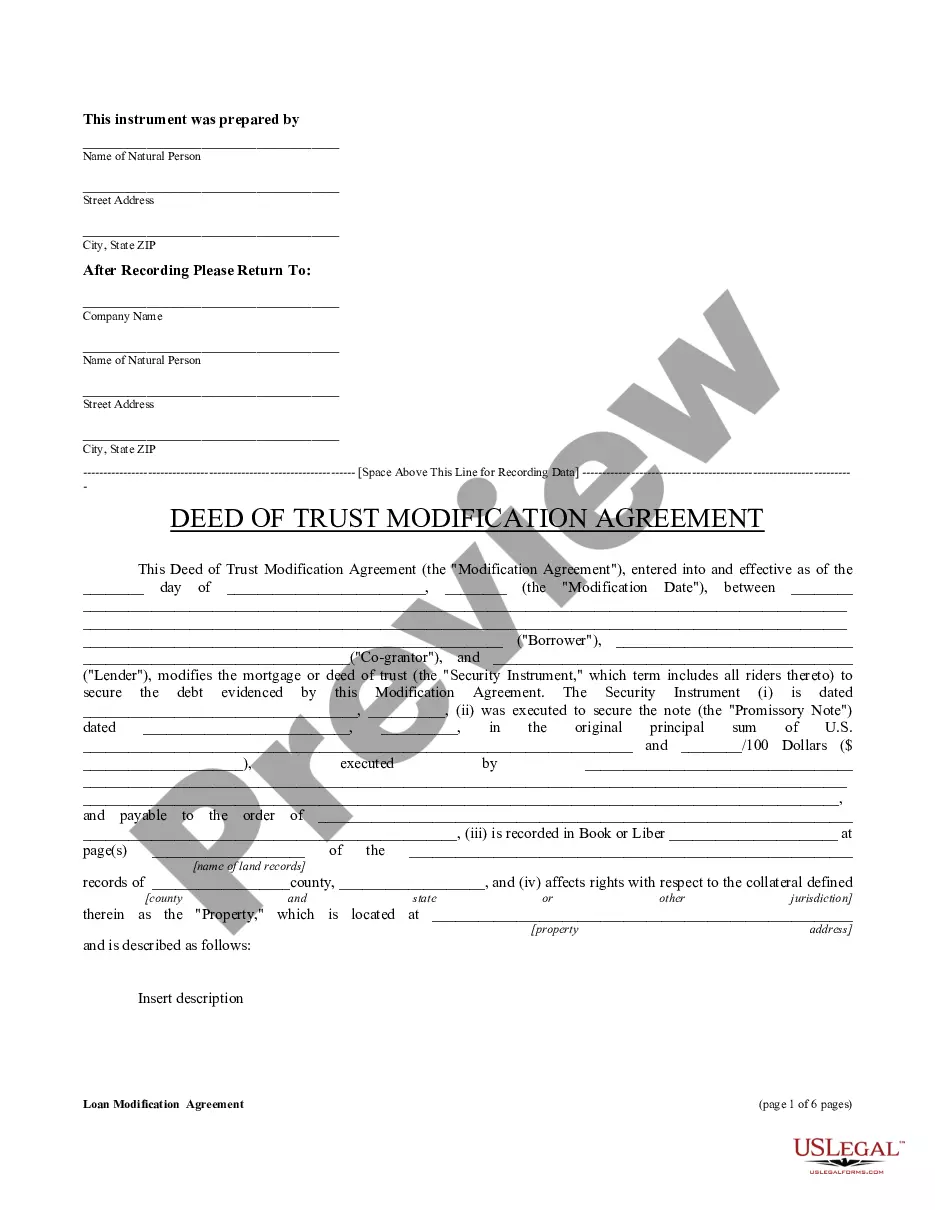
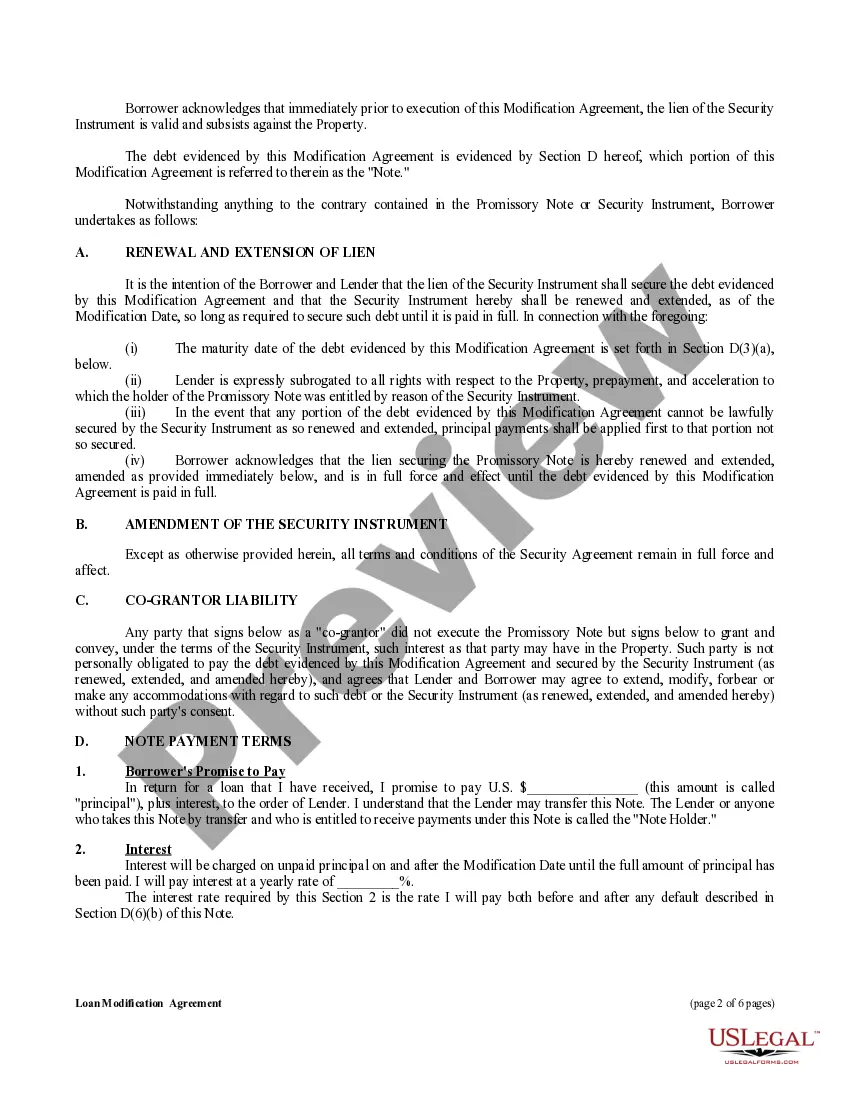
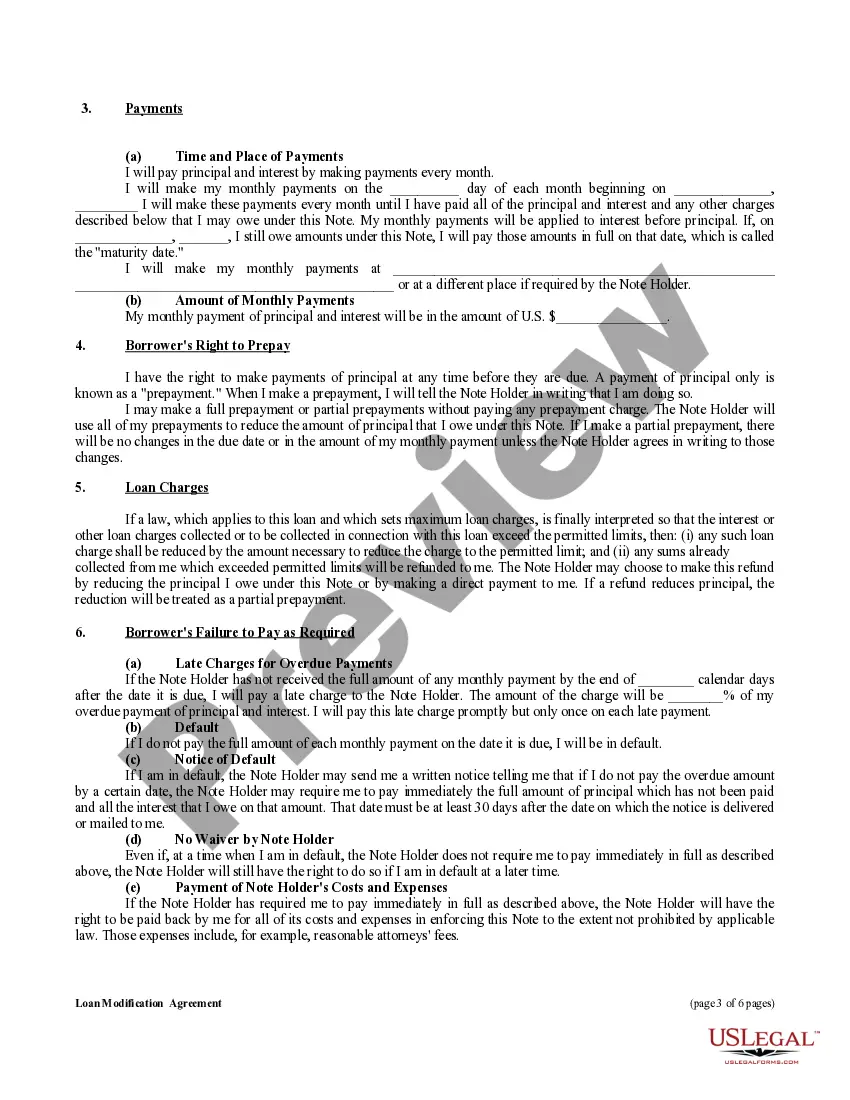
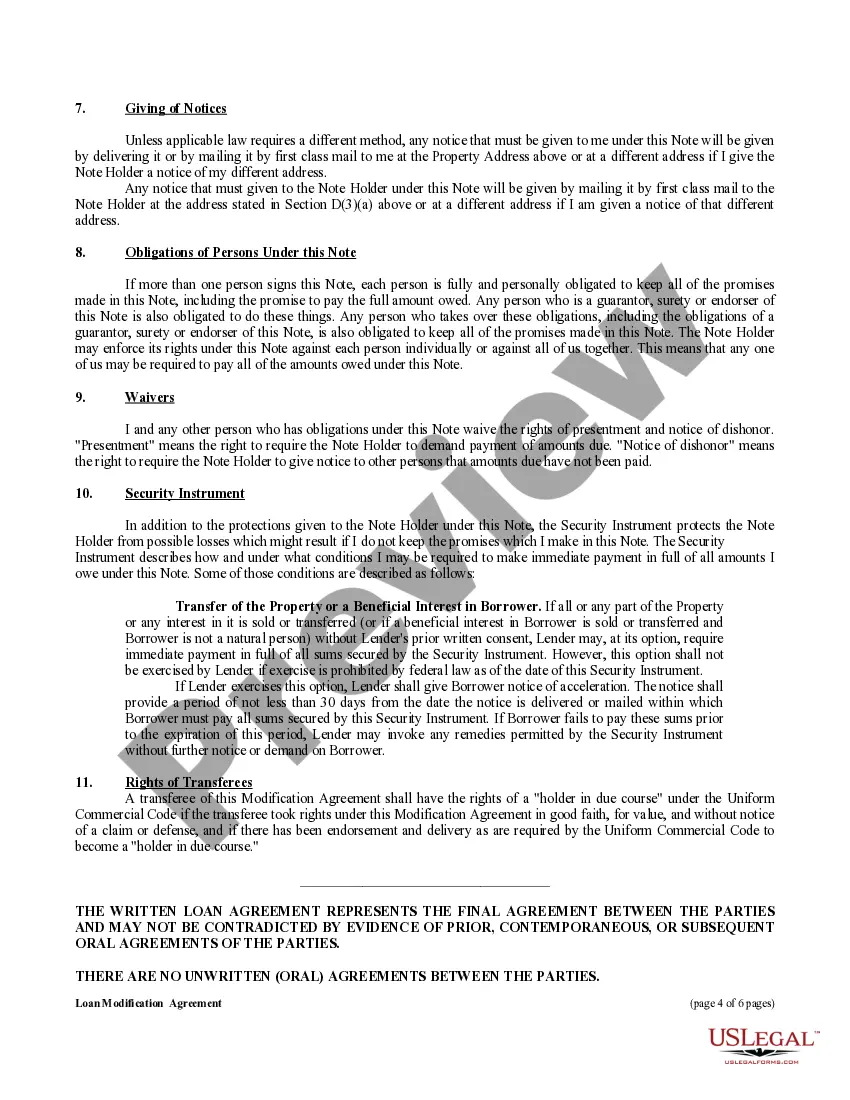
Deed Of Trust Records With No Maturity Date In Texas
Description
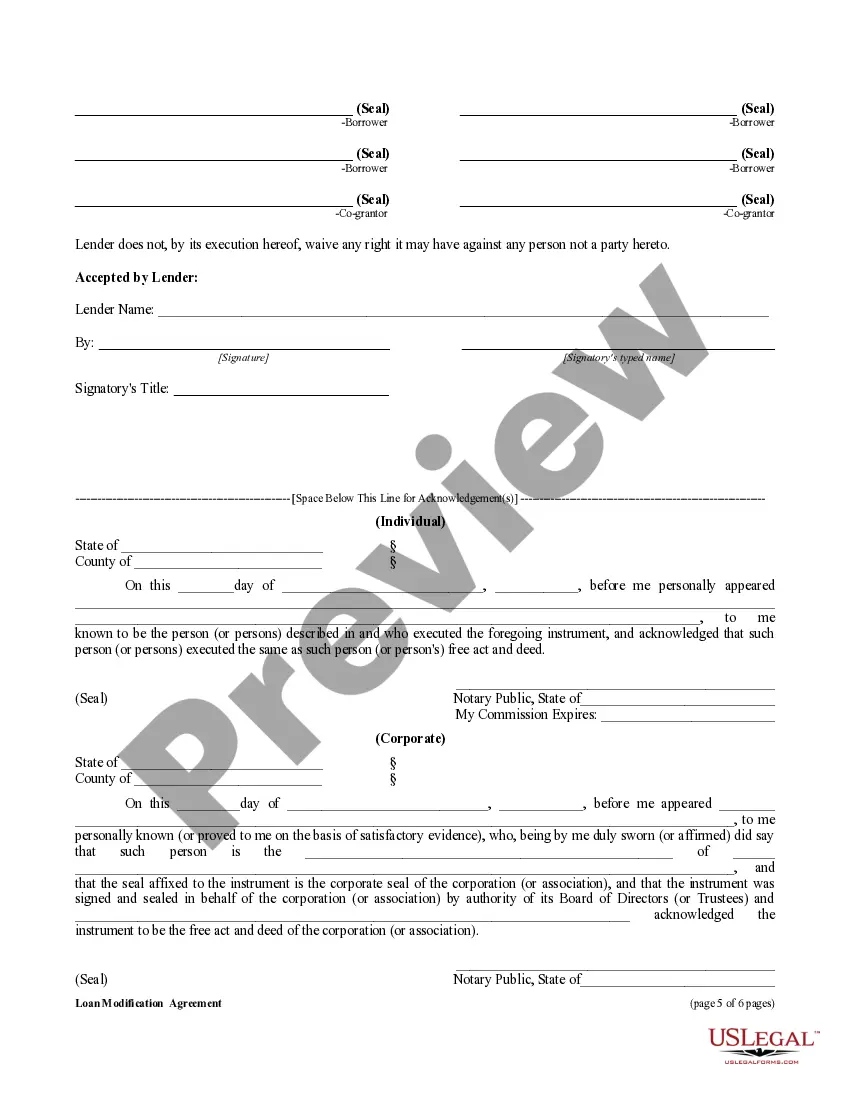
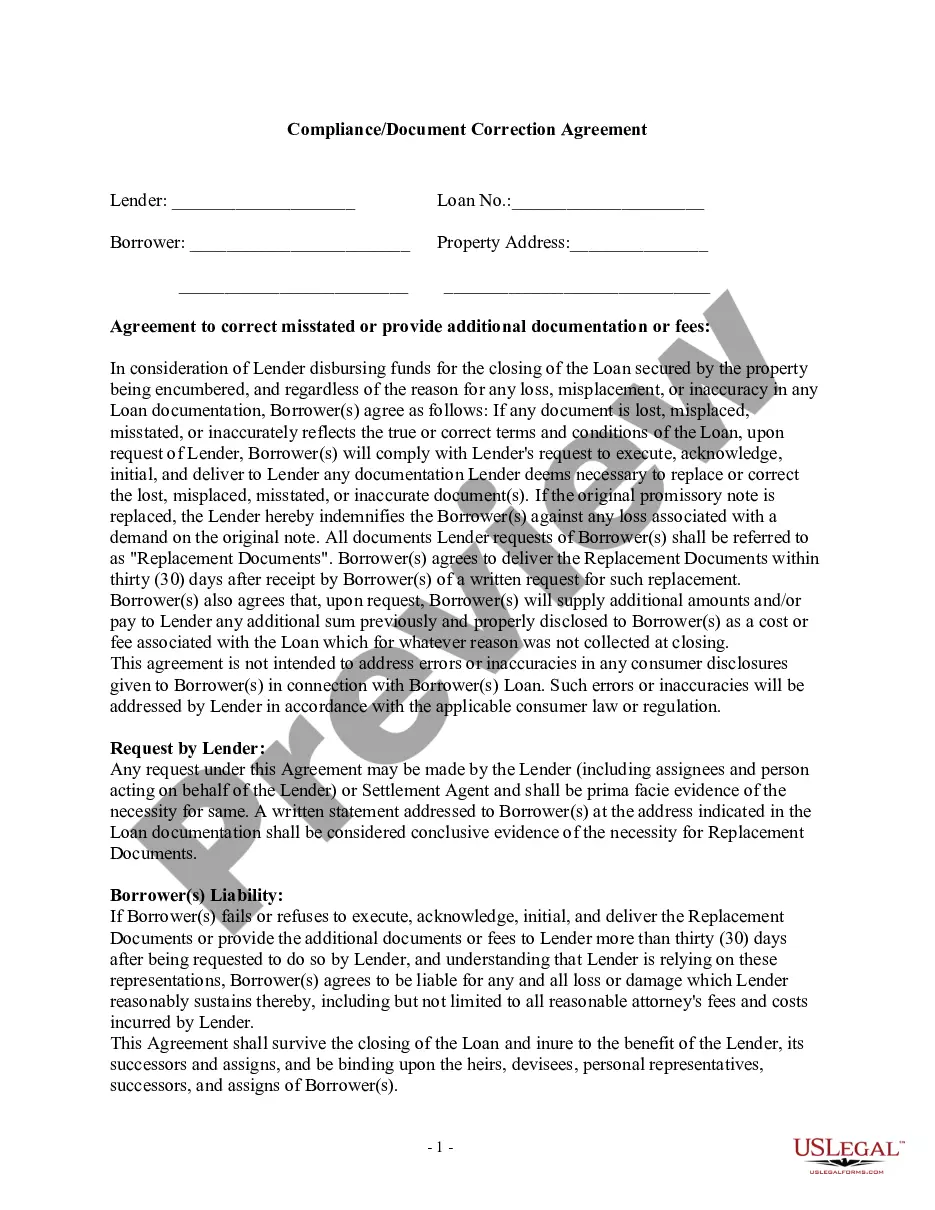
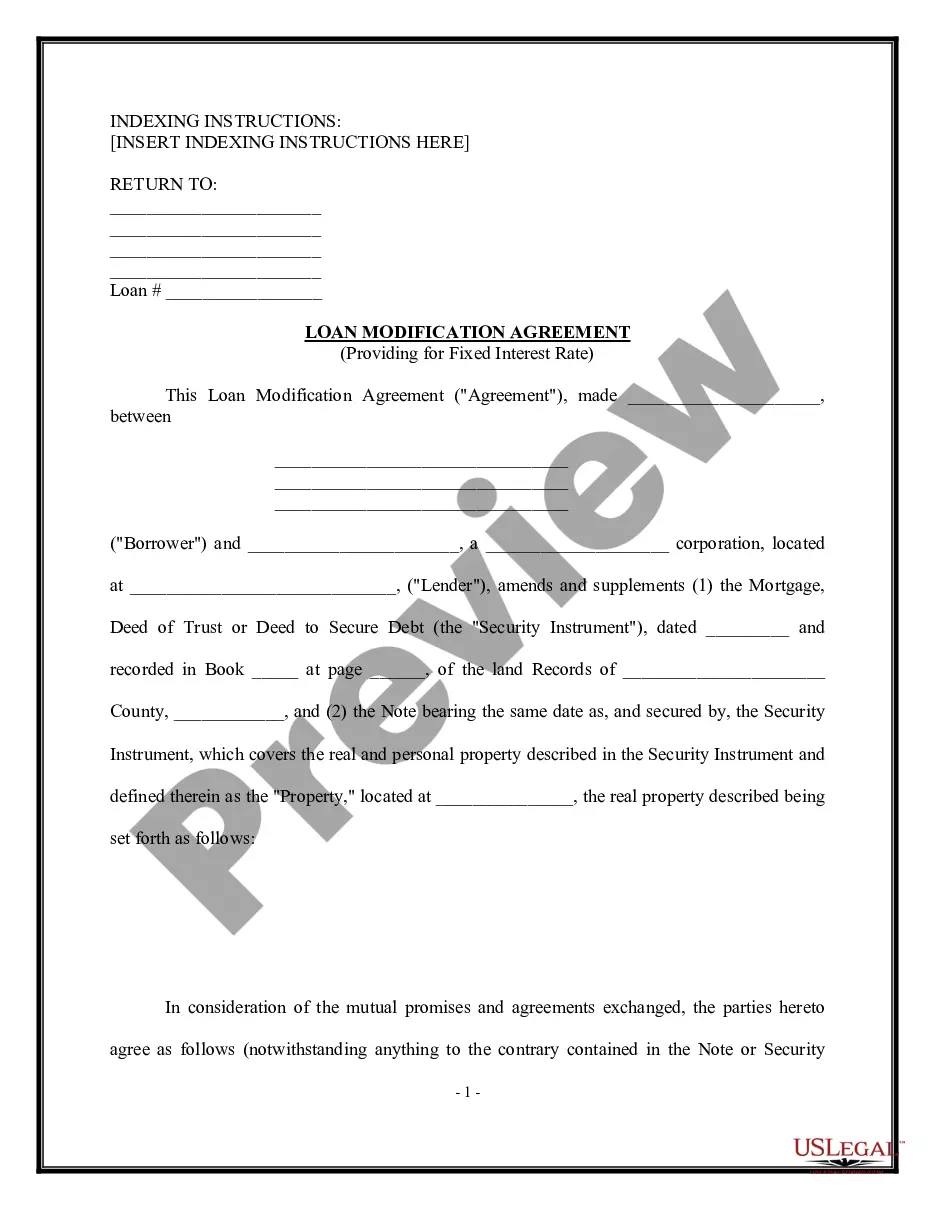
Get your form ready online
Our built-in tools help you complete, sign, share, and store your documents in one place.
Make edits, fill in missing information, and update formatting in US Legal Forms—just like you would in MS Word.
Download a copy, print it, send it by email, or mail it via USPS—whatever works best for your next step.
Sign and collect signatures with our SignNow integration. Send to multiple recipients, set reminders, and more. Go Premium to unlock E-Sign.
If this form requires notarization, complete it online through a secure video call—no need to meet a notary in person or wait for an appointment.
We protect your documents and personal data by following strict security and privacy standards.

Make edits, fill in missing information, and update formatting in US Legal Forms—just like you would in MS Word.

Download a copy, print it, send it by email, or mail it via USPS—whatever works best for your next step.

Sign and collect signatures with our SignNow integration. Send to multiple recipients, set reminders, and more. Go Premium to unlock E-Sign.

If this form requires notarization, complete it online through a secure video call—no need to meet a notary in person or wait for an appointment.

We protect your documents and personal data by following strict security and privacy standards.
Looking for another form?
Form popularity
FAQ
A trust deed usually specifies a date, or an event (such as the youngest beneficiary attaining a certain age), on which the interests in the trust property must vest. The deed may describe this as the 'vesting date' or 'termination date'. On vesting, the beneficial interests in the property of the trust become fixed.
A trust may come to a natural end. This may for instance occur when a life tenant dies, a beneficiary becomes fully entitled to capital and income, or the trust has run its term (all trusts established after 5 April 2010 have a maximum term of 125 years).
Charitable trusts continue in perpetuity. They do not have to have an end date, although the terms of the trust could create one. The trust instrument may, for example, specify that a certain percentage of its assets be distributed each year until all assets are gone.
(b) A sale of real property under a power of sale in a mortgage or deed of trust that creates a real property lien must be made not later than four years after the day the cause of action accrues.
When is a Deed of Trust Invalid? There are two main reasons a deed of trust may be considered invalid: (1) lack of required formalities in executing the deed of trust, or (2) there is some fact outside execution that makes the deed of trust invalid.
Document requirements. Date: must be dated with the date of execution. If not dated advise the lodging party. If a date is not furnished, indicate Registration insisted upon and include the reason.
You will usually be discharged after four years, but some trust deeds can last for longer. This information will be included in the terms of the trust deed. If the trust deed does not become protected, your discharge will only be binding on those creditors who agreed to the arrangement.
These trusts are for those who want to make sure that their wealth, whether it's relatively new or goes back generations, remains in the family long after they're gone. Under Texas law, a dynasty trust can last for up to 300 years.
Section 52.006 - Duration of Lien (a) Except as provided by Subsection (b), a judgment lien continues for 10 years following the date of recording and indexing the abstract, except that if the judgment becomes dormant during that period the lien ceases to exist.
No- A deed in Texas does not have to be recorded for the transfer of the property to be effective. It will always be the advice of your attorney to record the deed for the property for a whole host of reasons, but if somewhere along the lines a deed was not recorded, it is not necessarily the end of the world.