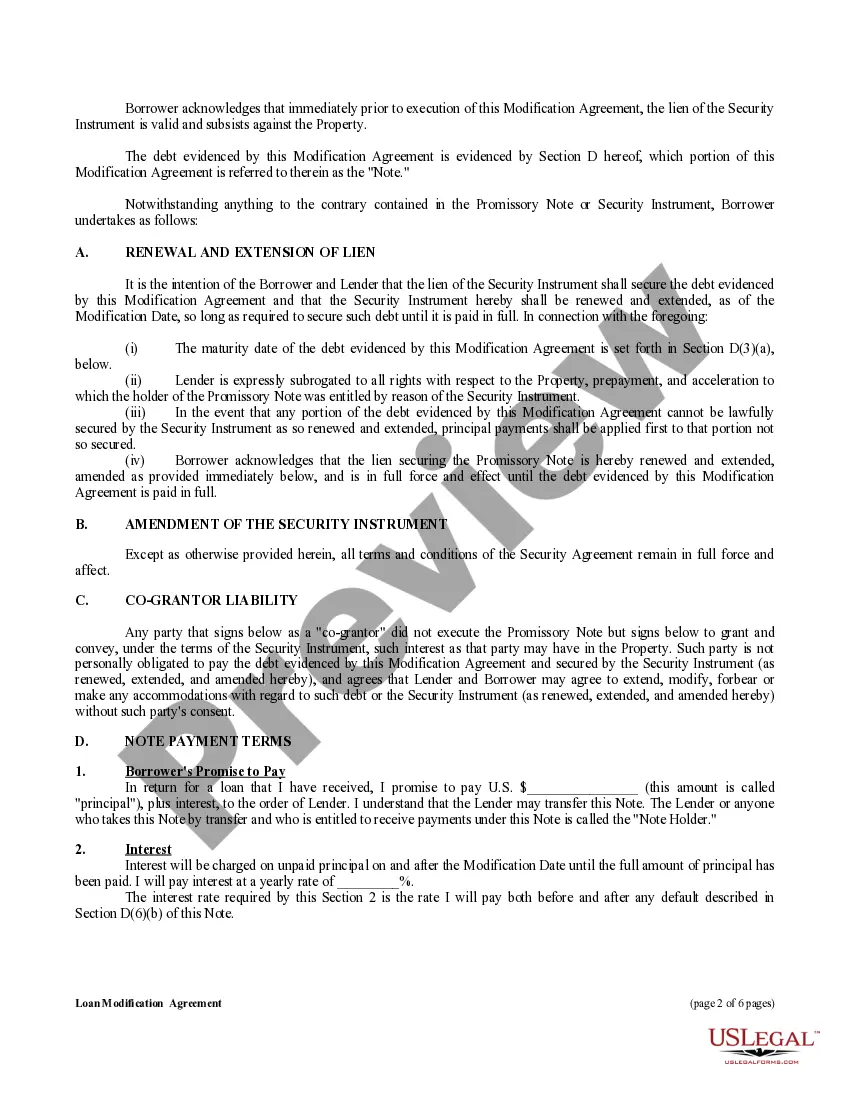
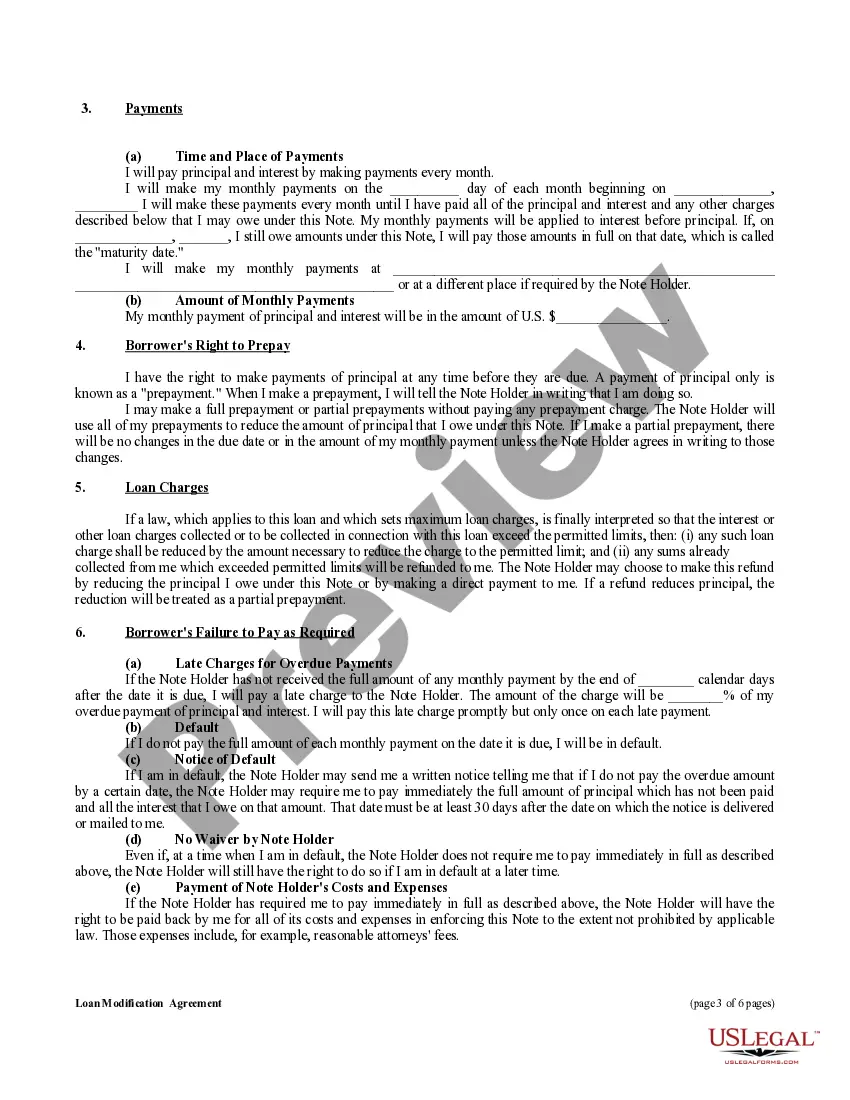
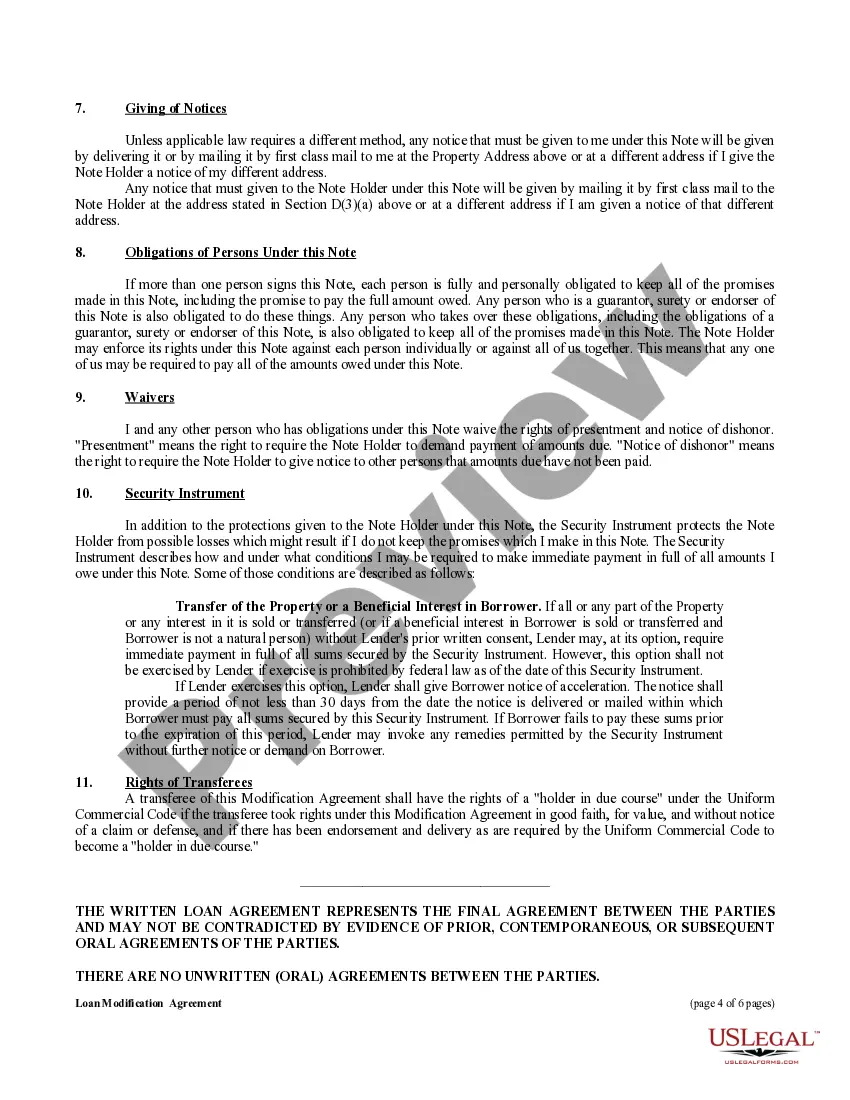
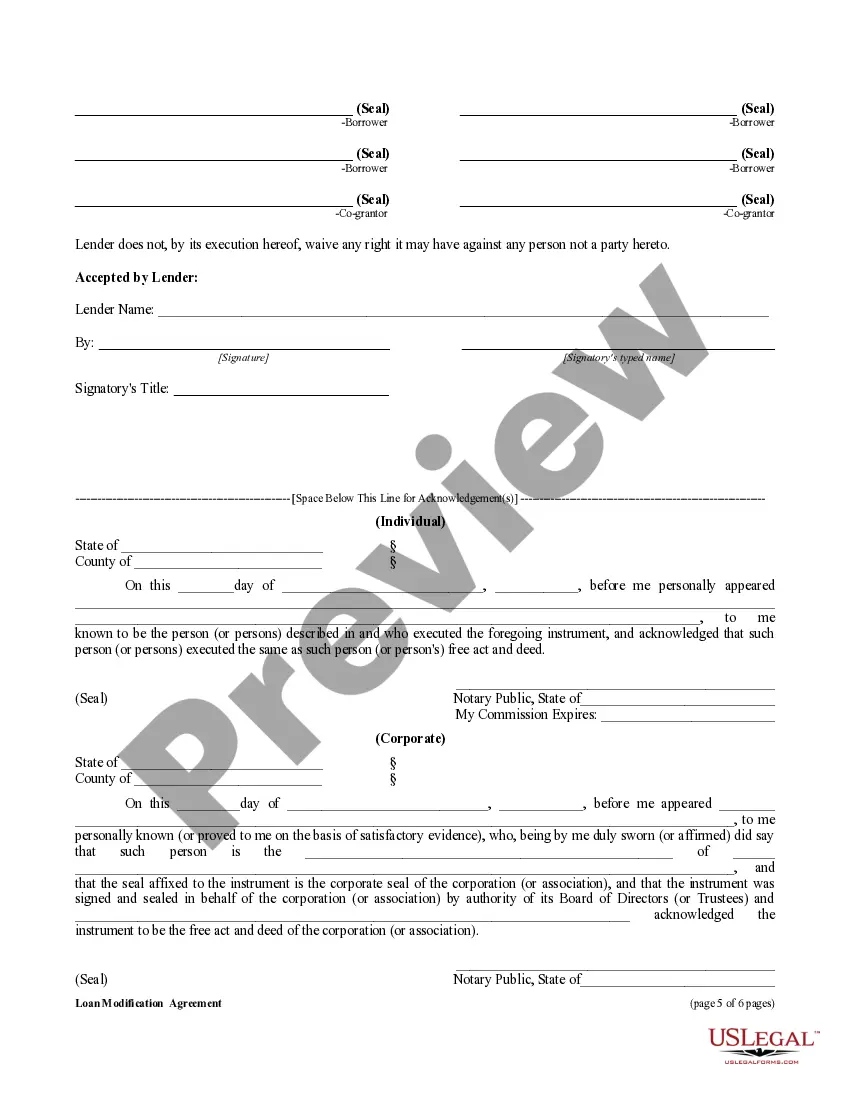
Deed Of Trust Records With Lien In Tarrant
Description



Get your form ready online
Our built-in tools help you complete, sign, share, and store your documents in one place.
Make edits, fill in missing information, and update formatting in US Legal Forms—just like you would in MS Word.
Download a copy, print it, send it by email, or mail it via USPS—whatever works best for your next step.
Sign and collect signatures with our SignNow integration. Send to multiple recipients, set reminders, and more. Go Premium to unlock E-Sign.
If this form requires notarization, complete it online through a secure video call—no need to meet a notary in person or wait for an appointment.
We protect your documents and personal data by following strict security and privacy standards.

Make edits, fill in missing information, and update formatting in US Legal Forms—just like you would in MS Word.

Download a copy, print it, send it by email, or mail it via USPS—whatever works best for your next step.

Sign and collect signatures with our SignNow integration. Send to multiple recipients, set reminders, and more. Go Premium to unlock E-Sign.

If this form requires notarization, complete it online through a secure video call—no need to meet a notary in person or wait for an appointment.

We protect your documents and personal data by following strict security and privacy standards.
Looking for another form?






Form popularity
FAQ
Property liens A lien will show up in a property title search. If you are trying to sell your home, you'll need to settle the dispute with the lienholder—in this case, the mortgage lender—to clear the title and proceed with the sale.
Yes you can. Revocable living trusts don't, however, protect your assets from people with legal claims against you. That's because although the trust is a legal entity, for legal purposes you're treated as the owner of the trust assets.
A deed of trust creates a lien on the purchased property when it is executed and delivered by the trustor/borrower to the beneficiary (usually the lender). Once executed and delivered, the deed of trust takes priority as a security against the property in relation to any other liens previously recorded.
A deed of trust will include the same type of information stated in a mortgage document, such as: The identities of the borrower, lender, and trustee. A full description of the property to be placed in trust. Any restrictions or requirements on the use of the property while it is in trust.
In Texas, you record your deed with the County Clerk in the county where the property exists. If the property is in more than one county, record it in each. It is important to record your deed. In Texas, the property is legally transferred when the grantee accepts the signed deed.
Can I record a document at one of the Tarrant County Subcourthouses? No, land documents are recorded at 100 W. Weatherford St. Room B20 Fort Worth, TX 76196.
In Texas, you record your deed with the County Clerk in the county where the property exists. If the property is in more than one county, record it in each. It is important to record your deed. In Texas, the property is legally transferred when the grantee accepts the signed deed.
So, put simply, if your deed was not recorded or you have discovered unrecorded deeds in your chain of title, there is no need to worry. The deeds themselves will still be valid and you can file correction instruments to correct any mistakes.
And the question I get asked sometimes is does a deed have to be recorded to be valid well theMoreAnd the question I get asked sometimes is does a deed have to be recorded to be valid well the answer is no not in Texas it must be delivered. And meet all the other ballot requirements of a deed.
