Change Deed Trust Without Spouse In Suffolk
Description


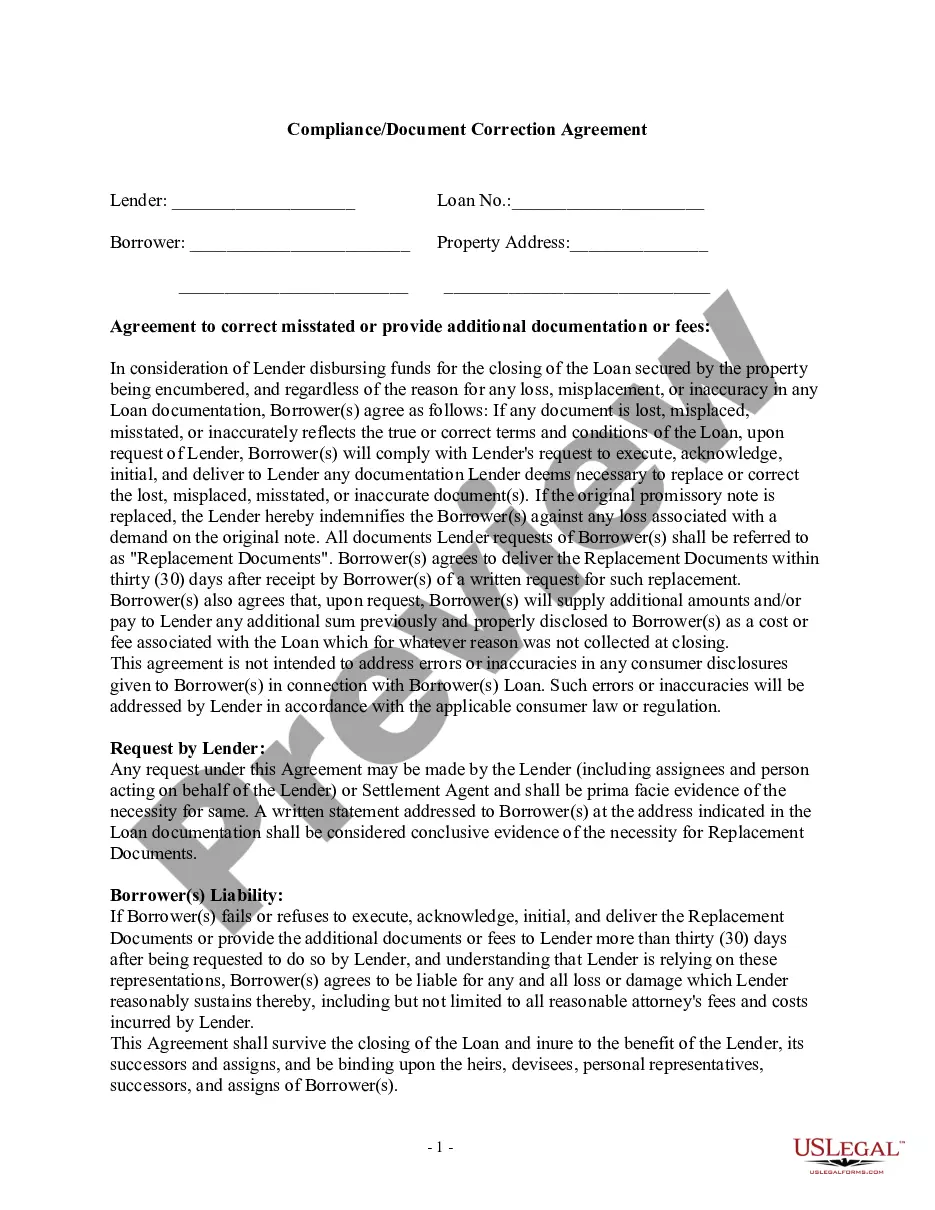

Get your form ready online
Our built-in tools help you complete, sign, share, and store your documents in one place.
Make edits, fill in missing information, and update formatting in US Legal Forms—just like you would in MS Word.
Download a copy, print it, send it by email, or mail it via USPS—whatever works best for your next step.
Sign and collect signatures with our SignNow integration. Send to multiple recipients, set reminders, and more. Go Premium to unlock E-Sign.
If this form requires notarization, complete it online through a secure video call—no need to meet a notary in person or wait for an appointment.
We protect your documents and personal data by following strict security and privacy standards.

Make edits, fill in missing information, and update formatting in US Legal Forms—just like you would in MS Word.

Download a copy, print it, send it by email, or mail it via USPS—whatever works best for your next step.

Sign and collect signatures with our SignNow integration. Send to multiple recipients, set reminders, and more. Go Premium to unlock E-Sign.

If this form requires notarization, complete it online through a secure video call—no need to meet a notary in person or wait for an appointment.

We protect your documents and personal data by following strict security and privacy standards.
Looking for another form?
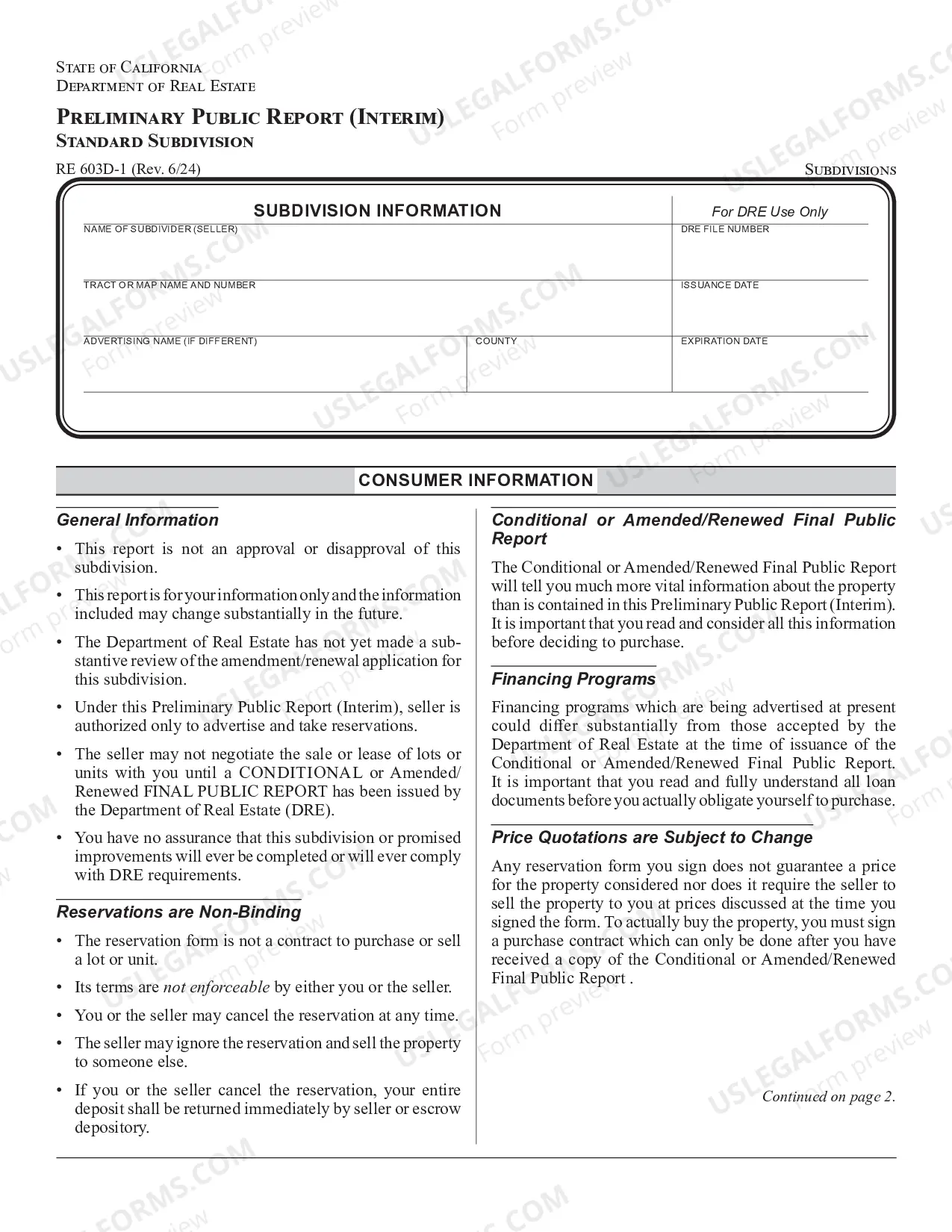
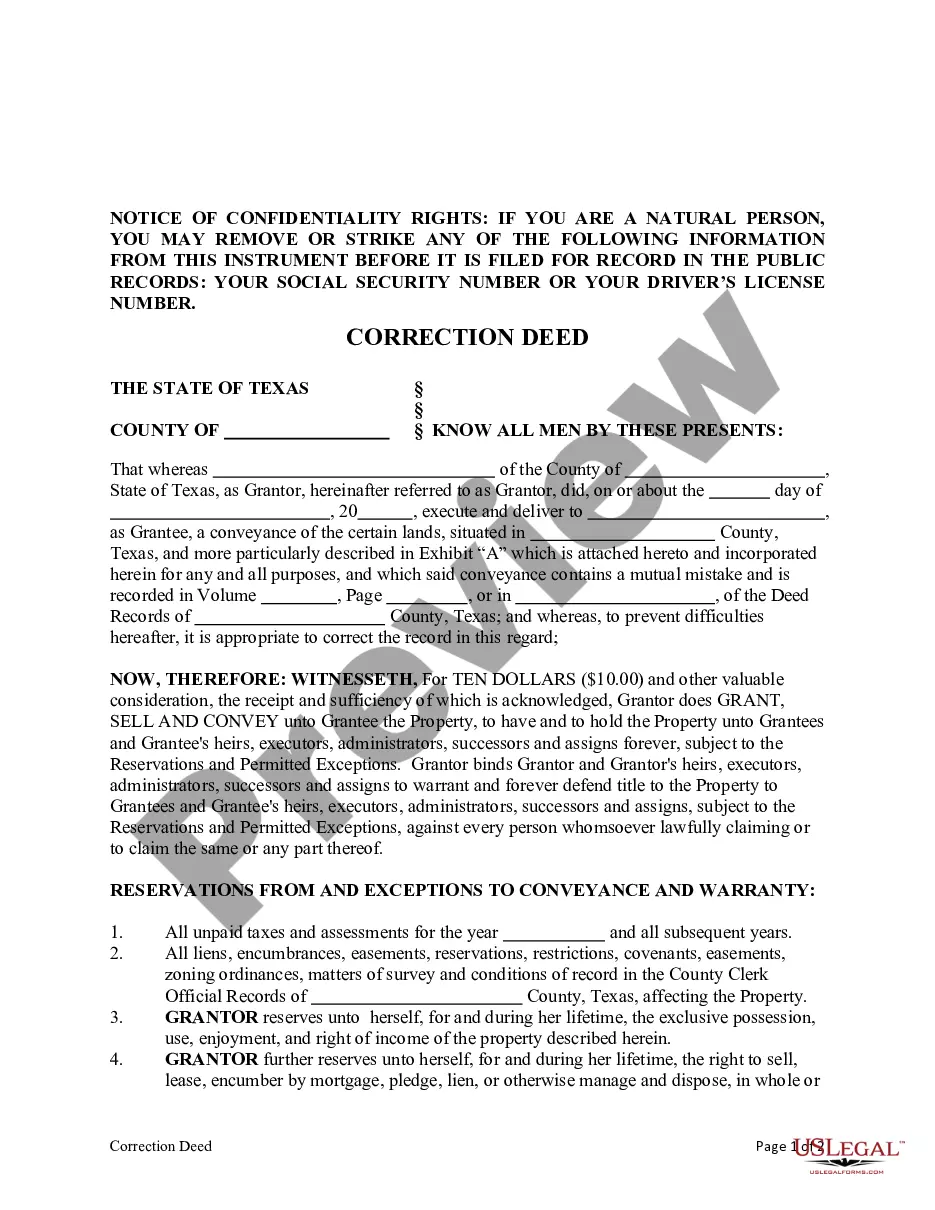



Form popularity
FAQ
In California, you cannot completely disinherit your spouse without their consent unless there are legal grounds such as a valid prenuptial agreement explicitly waiving inheritance rights or a divorce decree.
Yes, you can create a trust without your spouse. This is often done to maintain control over assets or protect inheritances for children from a prior marriage.
A family member acting as trustee may better understand the family dynamic, and make better discretionary decisions when it comes to your loved ones.
Here are two potential costs to consider: Simple amendments, like changing a beneficiary or trustee, can range between $300 to $500. More substantial changes, such as a complete restatement of the trust to reflect significant alterations, could exceed $2,000.
If both spouses' names are on the title to the house and one spouse passes away, New York law transfers ownership of the house to the surviving spouse. The surviving spouse becomes the sole owner of the property. This process takes place automatically without the need for court approval.
You may leave whatever you wish to your children. Your spouse, however, has the right to elected to take a share in your estate without regard to your will.
In real estate law, "assignment" is simply the transfer of a deed of trust from one party to another.
The simplest way to add a spouse to a deed is through a quitclaim deed. This type of deed transfers whatever ownership rights you have so that you and your spouse now become joint owners. No title search or complex transaction is necessary. The deed will list you as the grantor and you and your spouse as grantees.
