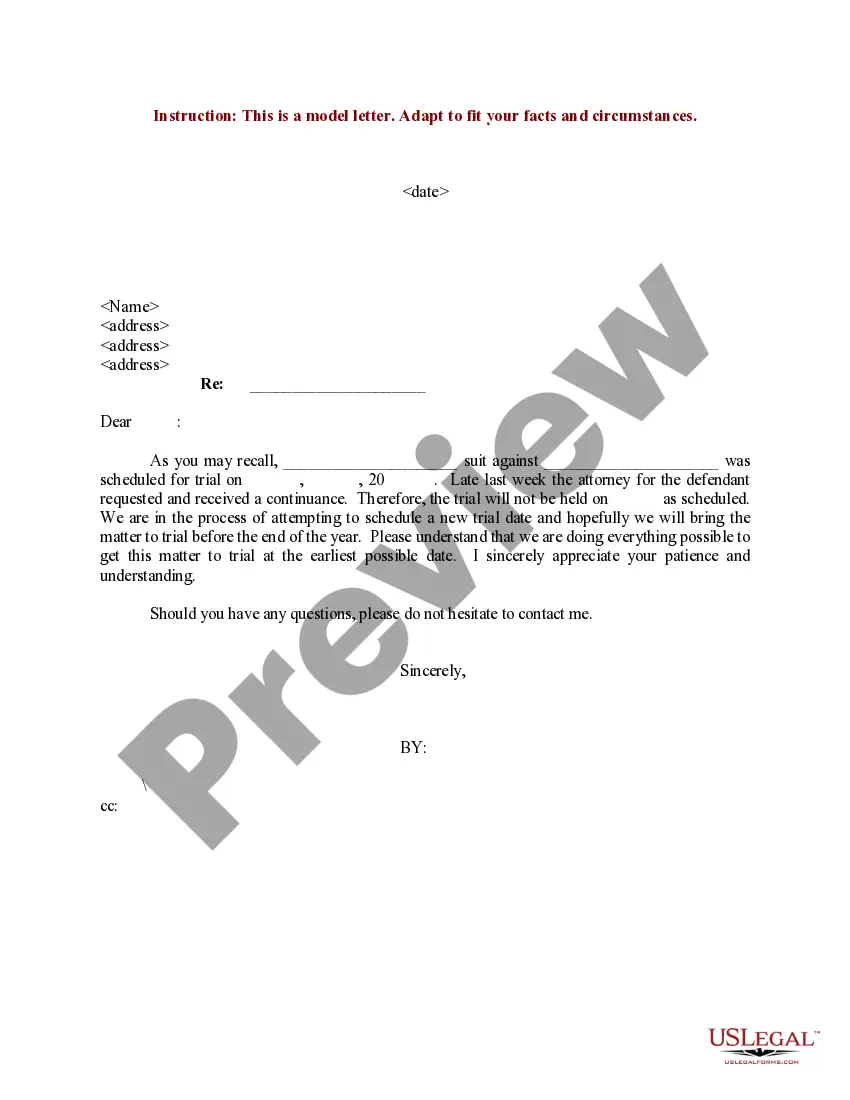
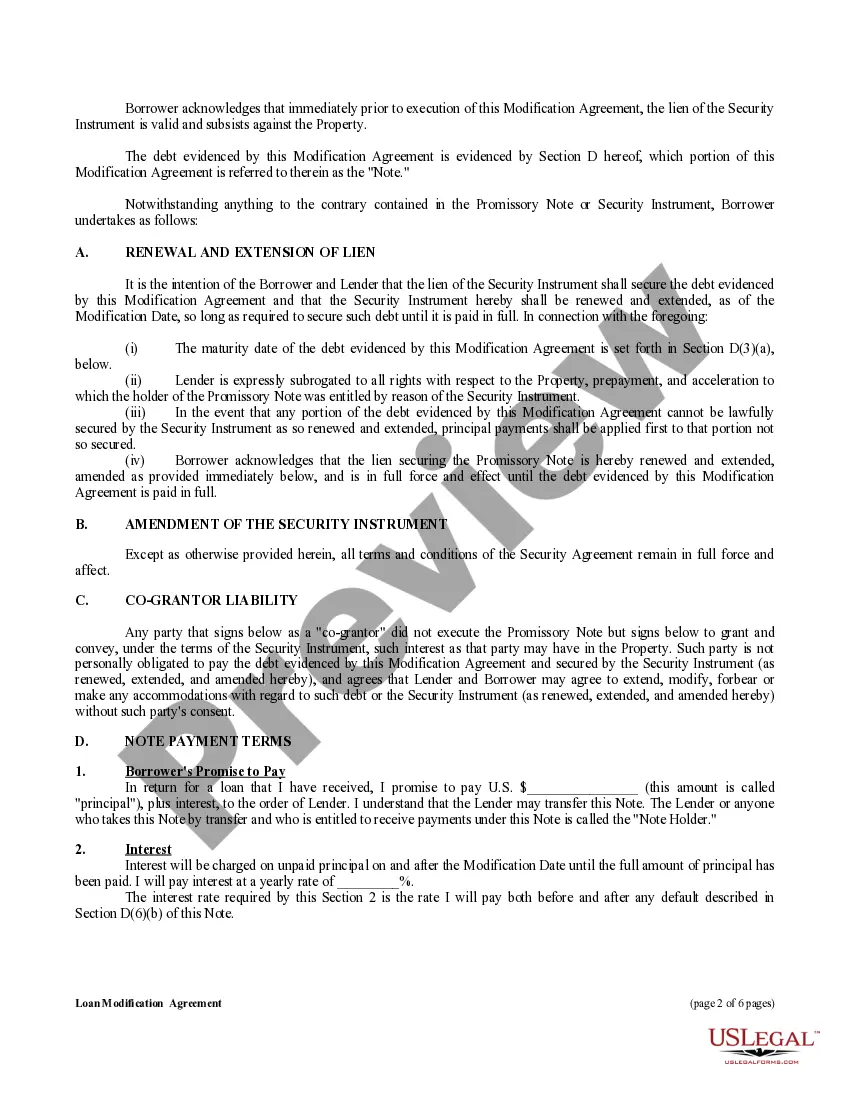
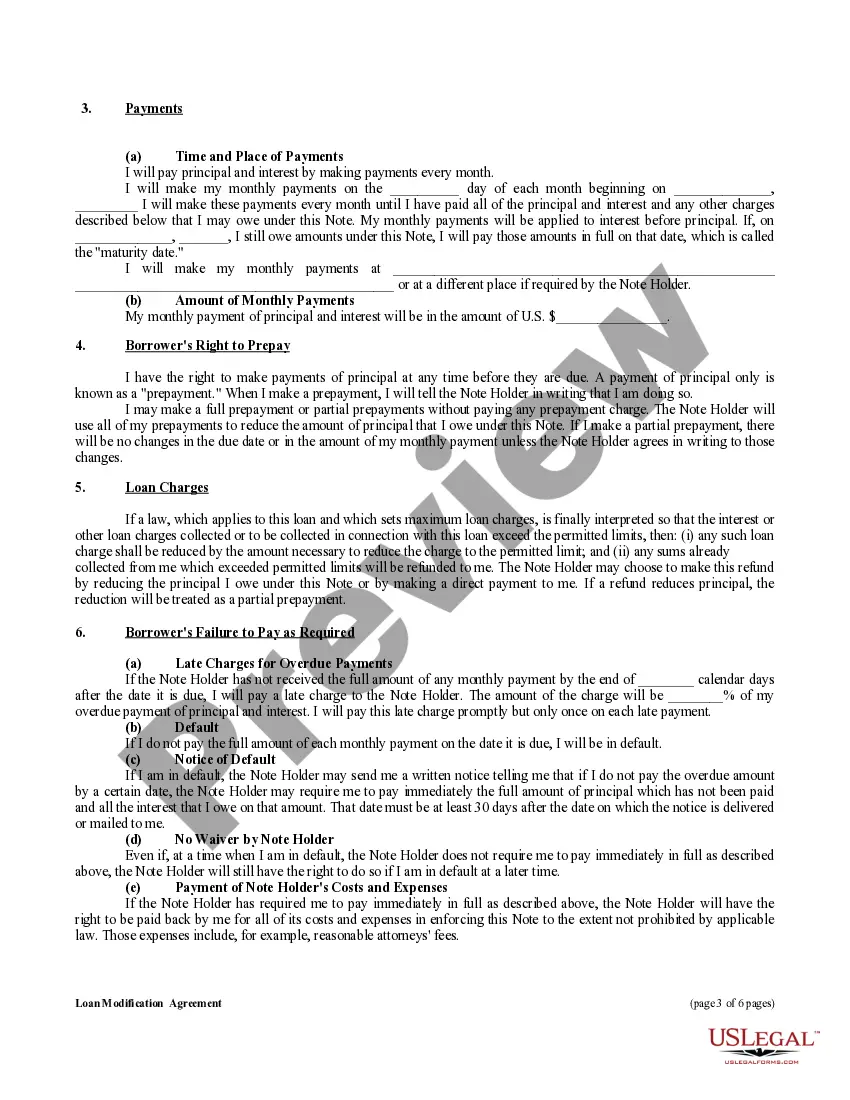
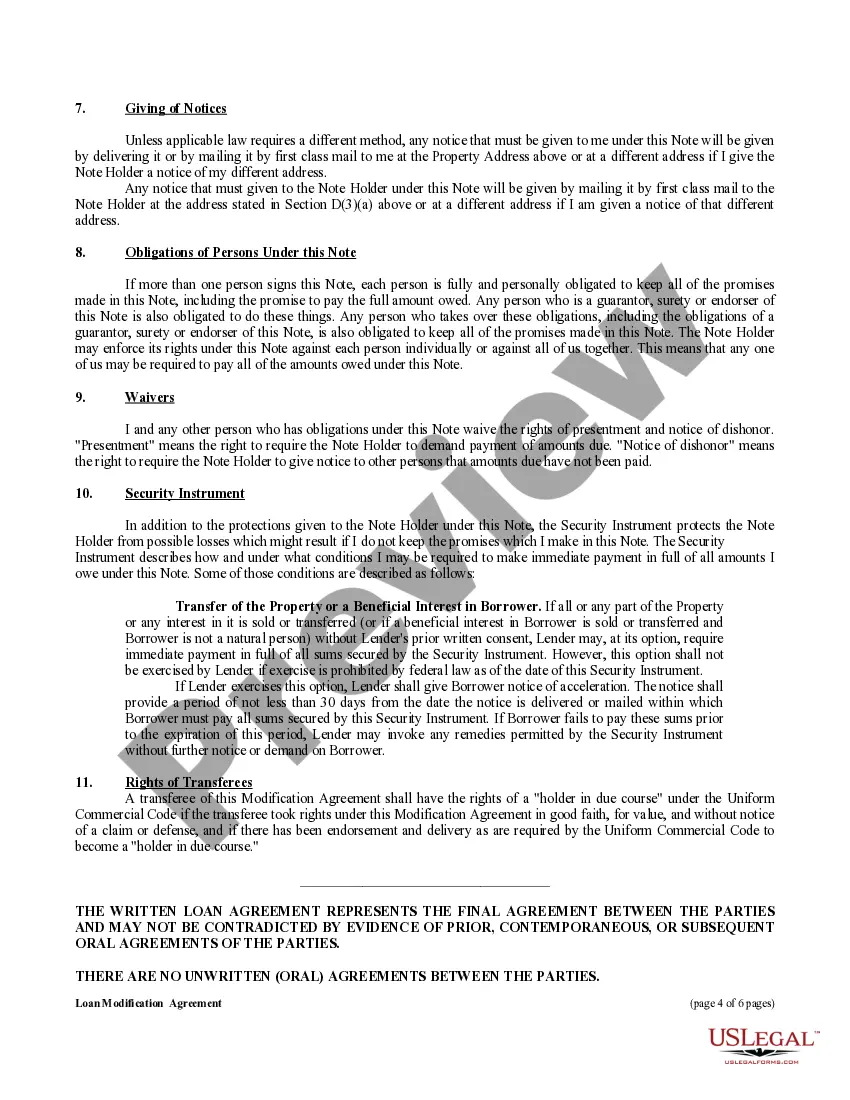
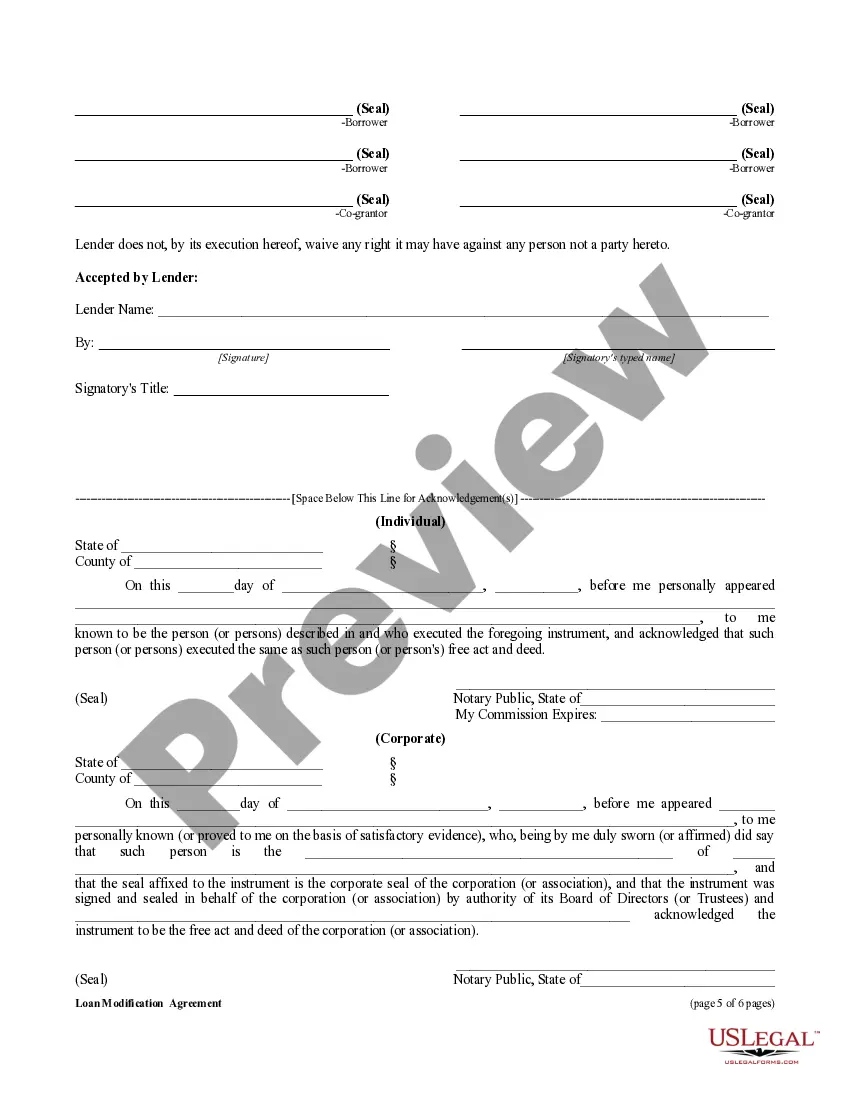
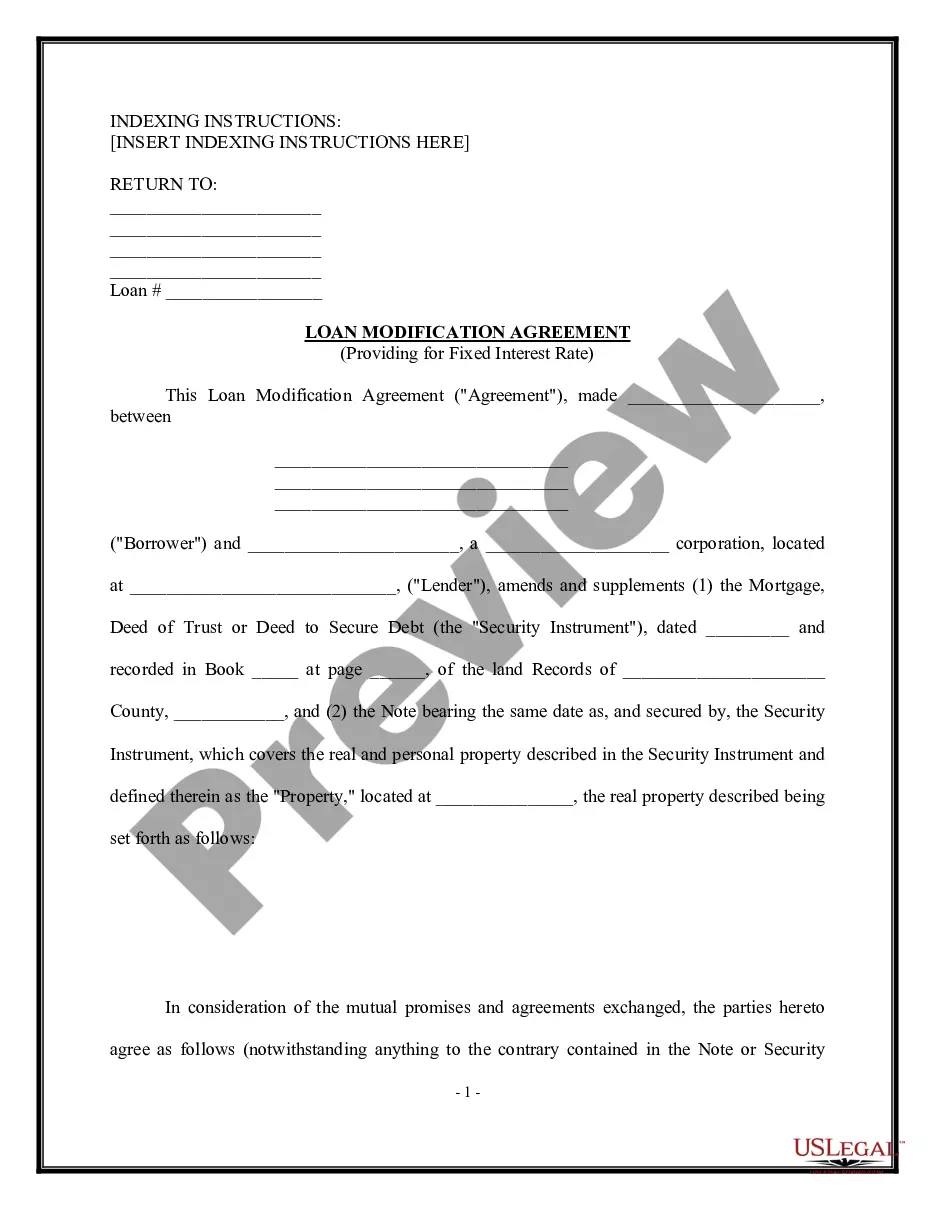
Deed Of Trust Modification With Agreement In Santa Clara
Description



Get your form ready online
Our built-in tools help you complete, sign, share, and store your documents in one place.
Make edits, fill in missing information, and update formatting in US Legal Forms—just like you would in MS Word.
Download a copy, print it, send it by email, or mail it via USPS—whatever works best for your next step.
Sign and collect signatures with our SignNow integration. Send to multiple recipients, set reminders, and more. Go Premium to unlock E-Sign.
If this form requires notarization, complete it online through a secure video call—no need to meet a notary in person or wait for an appointment.
We protect your documents and personal data by following strict security and privacy standards.

Make edits, fill in missing information, and update formatting in US Legal Forms—just like you would in MS Word.

Download a copy, print it, send it by email, or mail it via USPS—whatever works best for your next step.

Sign and collect signatures with our SignNow integration. Send to multiple recipients, set reminders, and more. Go Premium to unlock E-Sign.

If this form requires notarization, complete it online through a secure video call—no need to meet a notary in person or wait for an appointment.

We protect your documents and personal data by following strict security and privacy standards.
Looking for another form?



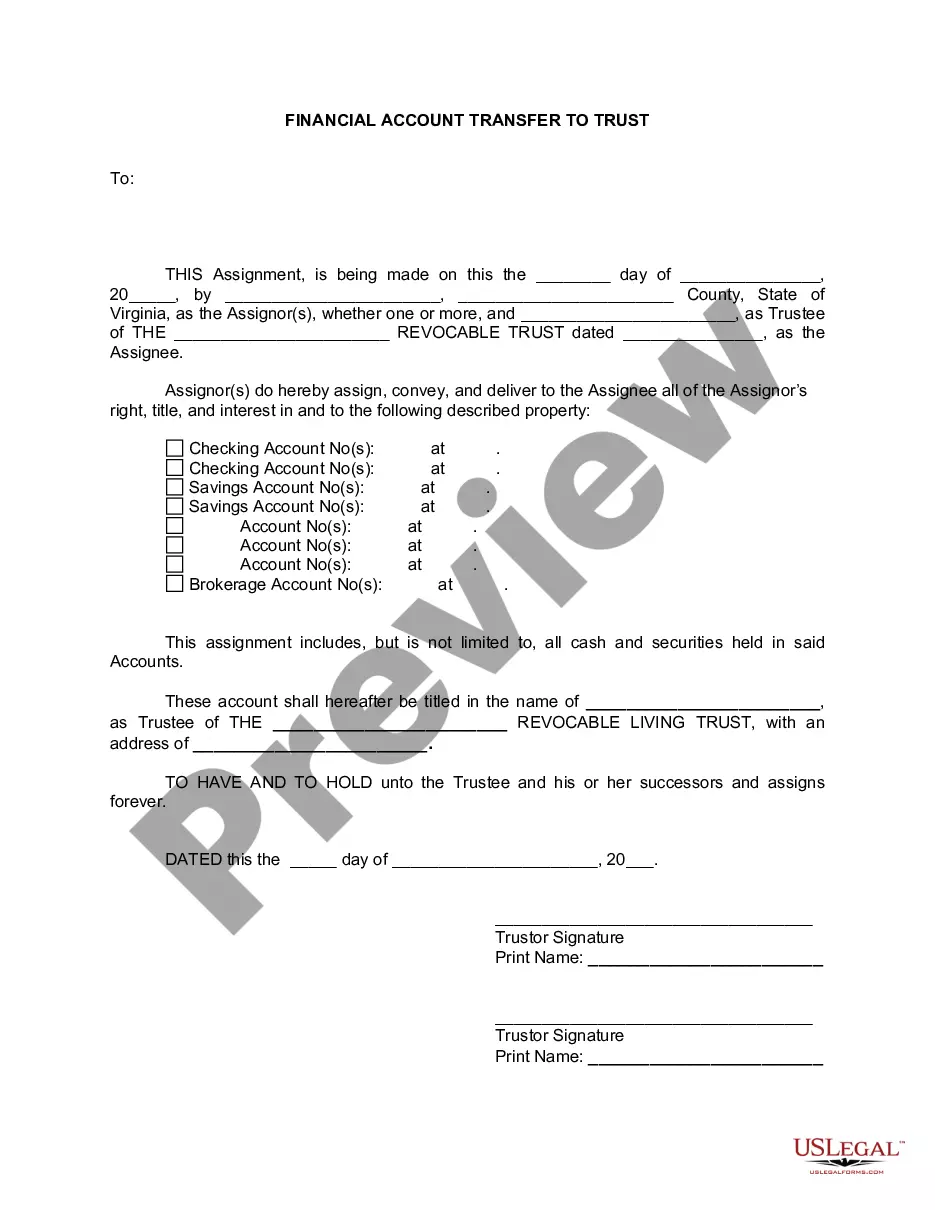


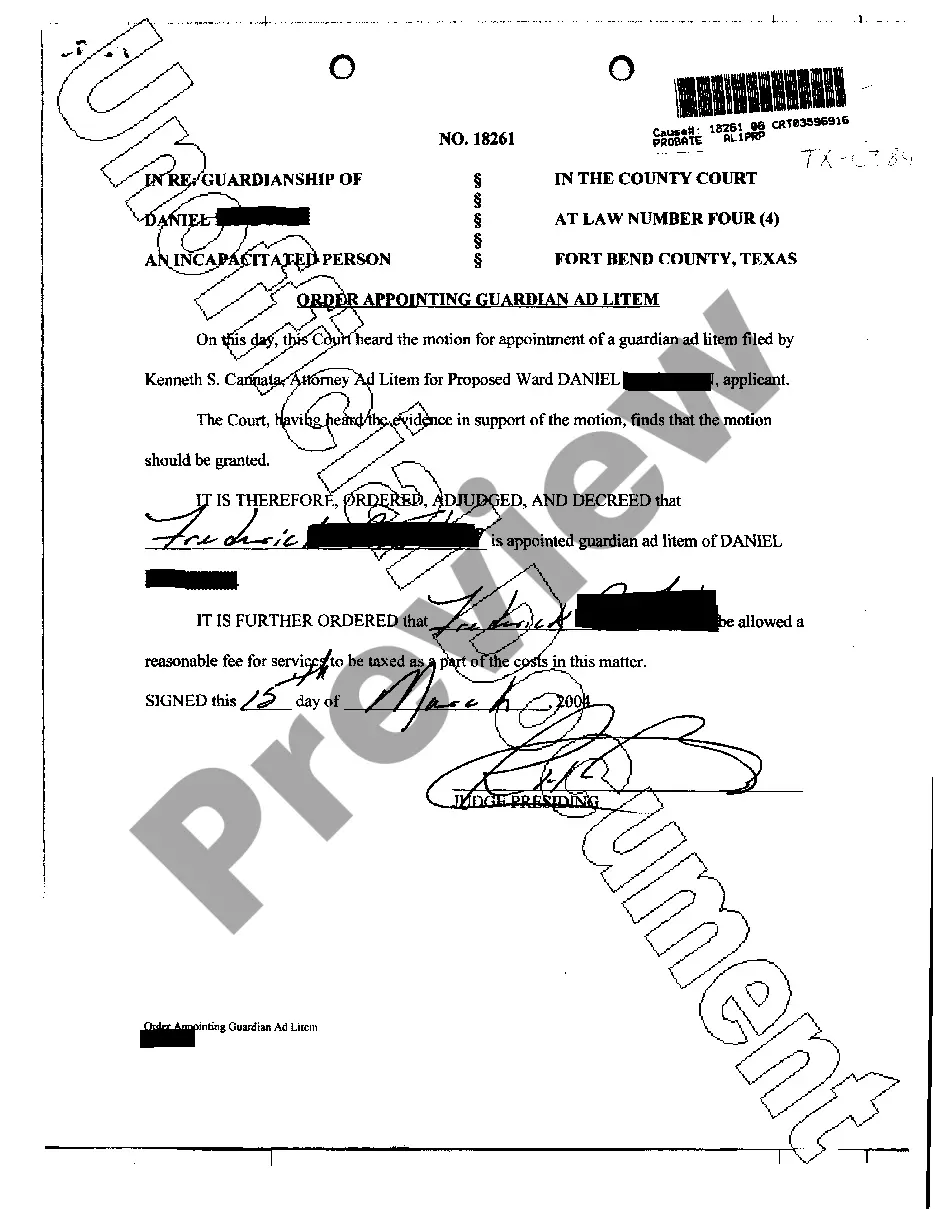

Form popularity
FAQ
The terms of a trust can only be validly amended when the amendment complies with the existing trust deed and rules. We assist by reviewing the existing trust rules and providing amendment documentation that ensure that the variation of trust terms remain compliant and effective. What's included: letter of advice.
To amend a living trust in California, you'll need to create a written amendment document that clearly states the changes you want to make to your trust. Amending your trust allows you to update beneficiaries, change asset distributions, or modify trustee appointments without having to create an entirely new trust.
Deed of Trust Modification means, with respect to any Deed of Trust, a modification agreement entered into between the Borrower or the Project Owner, as applicable, and the Lender, modifying the terms and conditions of the Deed of Trust in order to (i) add to the lien of the Deed of Trust Additional Lots, or (ii) make ...
You can amend it yourself. There should be provisions for doing so in the trust document. It's usually as simple as you write down the changes, and all grantors or trustees sign it.
To amend a living trust in California, you'll need to create a written amendment document that clearly states the changes you want to make to your trust. Amending your trust allows you to update beneficiaries, change asset distributions, or modify trustee appointments without having to create an entirely new trust.
The law says that if all beneficiaries consent, they can petition the Court to change or end the trust. The Court will consider: if the trust must continue in order to carry out the purpose of the trust. if the reason for changing or ending the trust outweighs the interest in carrying out the purpose of the trust.
You will usually be discharged after four years, but some trust deeds can last for longer. This information will be included in the terms of the trust deed. If the trust deed does not become protected, your discharge will only be binding on those creditors who agreed to the arrangement.
When the debt or obligation secured by a deed of trust has been satisfied, the beneficiary, or successor, must execute a request for full reconveyance and any other documents necessary to cause the deed of trust to be reconveyed and submit these documents to the trustee.
There are two main reasons a deed of trust may be considered invalid: (1) lack of required formalities in executing the deed of trust, or (2) there is some fact outside execution that makes the deed of trust invalid.