Deed Of Trust Modification Form With Mortgage In San Diego
Description

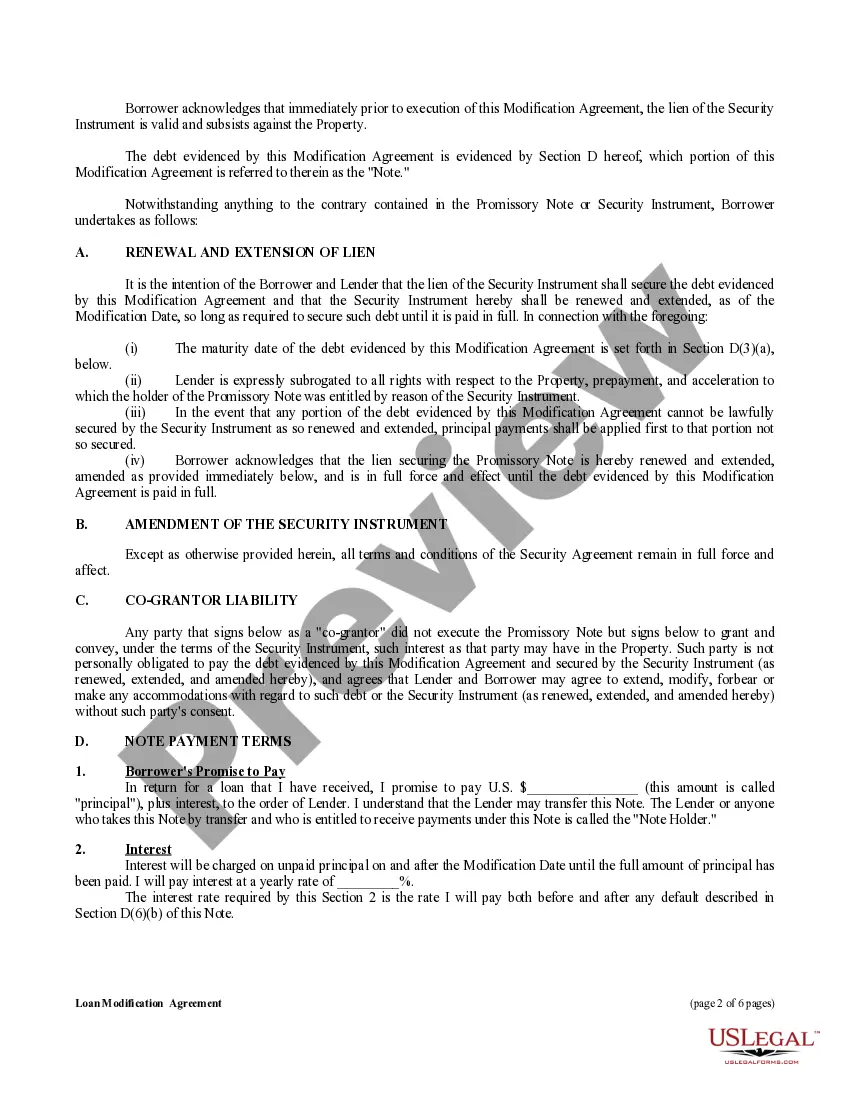
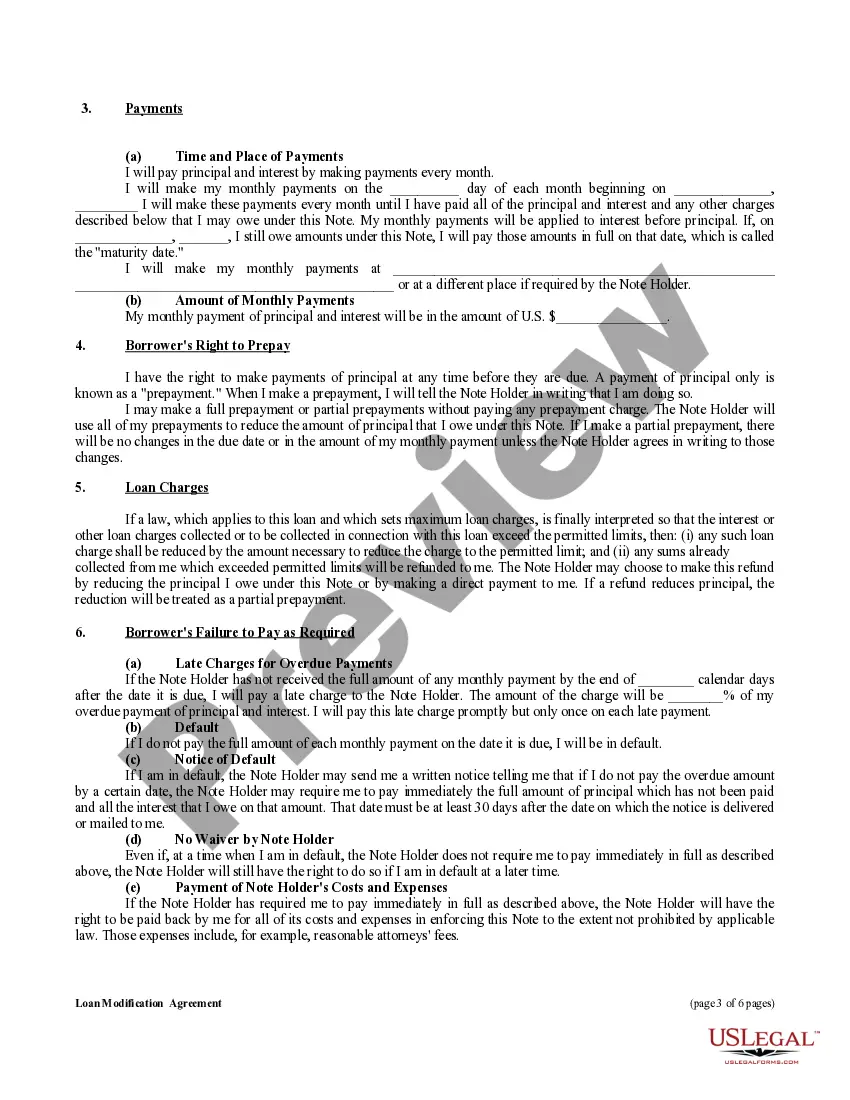
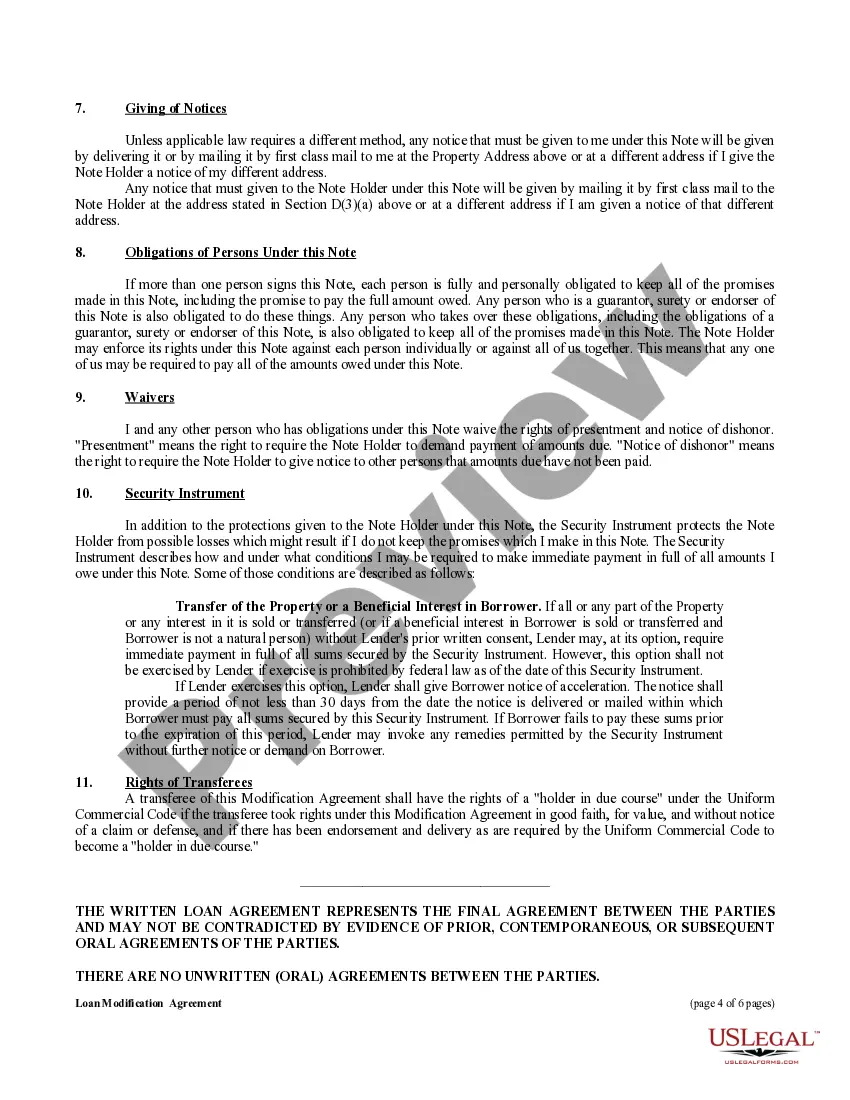
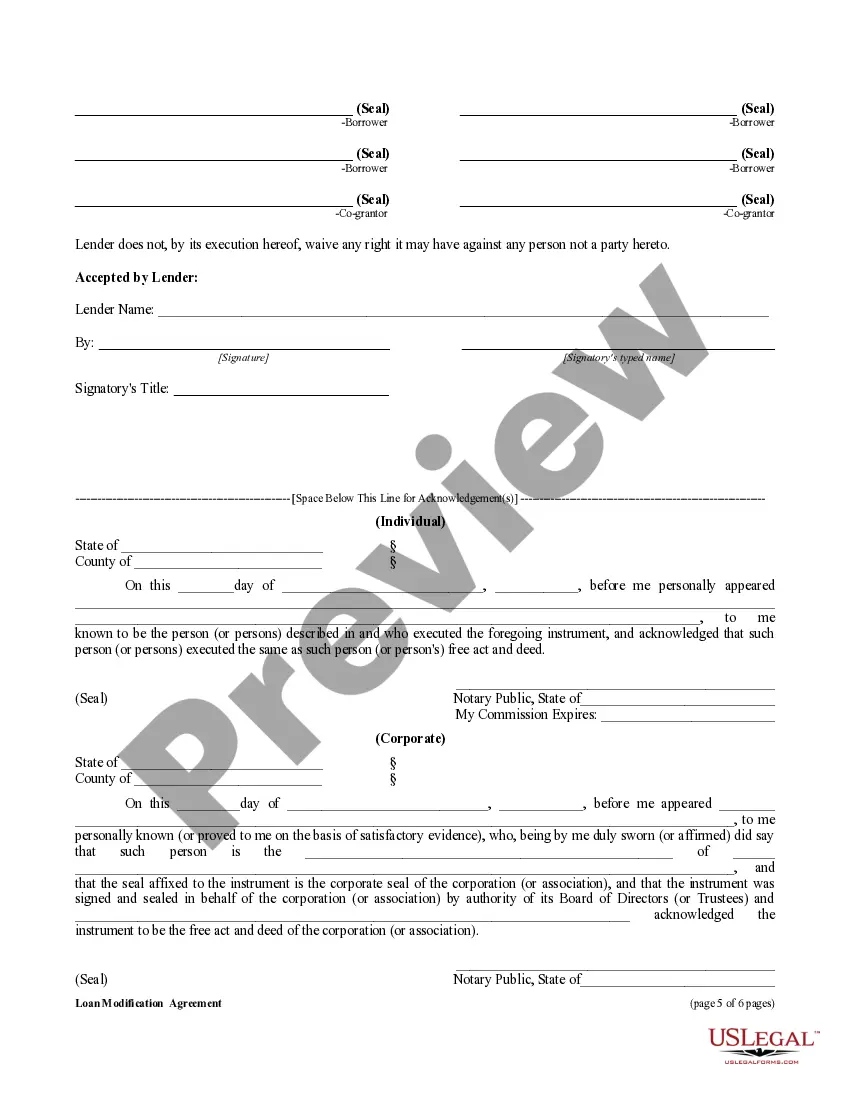

Get your form ready online
Our built-in tools help you complete, sign, share, and store your documents in one place.
Make edits, fill in missing information, and update formatting in US Legal Forms—just like you would in MS Word.
Download a copy, print it, send it by email, or mail it via USPS—whatever works best for your next step.
Sign and collect signatures with our SignNow integration. Send to multiple recipients, set reminders, and more. Go Premium to unlock E-Sign.
If this form requires notarization, complete it online through a secure video call—no need to meet a notary in person or wait for an appointment.
We protect your documents and personal data by following strict security and privacy standards.

Make edits, fill in missing information, and update formatting in US Legal Forms—just like you would in MS Word.

Download a copy, print it, send it by email, or mail it via USPS—whatever works best for your next step.

Sign and collect signatures with our SignNow integration. Send to multiple recipients, set reminders, and more. Go Premium to unlock E-Sign.

If this form requires notarization, complete it online through a secure video call—no need to meet a notary in person or wait for an appointment.

We protect your documents and personal data by following strict security and privacy standards.
Looking for another form?





Form popularity
FAQ
Deed of Trust Modification means, with respect to any Deed of Trust, a modification agreement entered into between the Borrower or the Project Owner, as applicable, and the Lender, modifying the terms and conditions of the Deed of Trust in order to (i) add to the lien of the Deed of Trust Additional Lots, or (ii) make ...
A deed of trust can benefit the lender because it allows for a faster and simpler way to foreclose on a home — typically months or even years faster.
A deed of trust can benefit the lender because it allows for a faster and simpler way to foreclose on a home — typically months or even years faster.
A deed of trust does not require foreclosure. Foreclosure is accomplished more easily and quickly. Increased foreclosure power is very attractive to a lender.
Disadvantages of a Trust Deed For borrowers, if financial circumstances change, default on repayment can result in property foreclosure.
The two main differences between a mortgage and a deed of trust are: a mortgage involves two parties, while a deed of trust has three, and. mortgages are usually foreclosed judicially, while deeds of trust typically go through a nonjudicial foreclosure process (but not always).
The biggest difference between a deed and a title is physical: a deed is an official written document declaring a person's legal ownership of a property, while a title refers to the intangible concept of ownership rights.
The borrower is called the trustor, and the lender is called the beneficiary. But there's a third party, called the trustee, that actually holds the deed of trust.
