Correction Form For Pf In San Diego
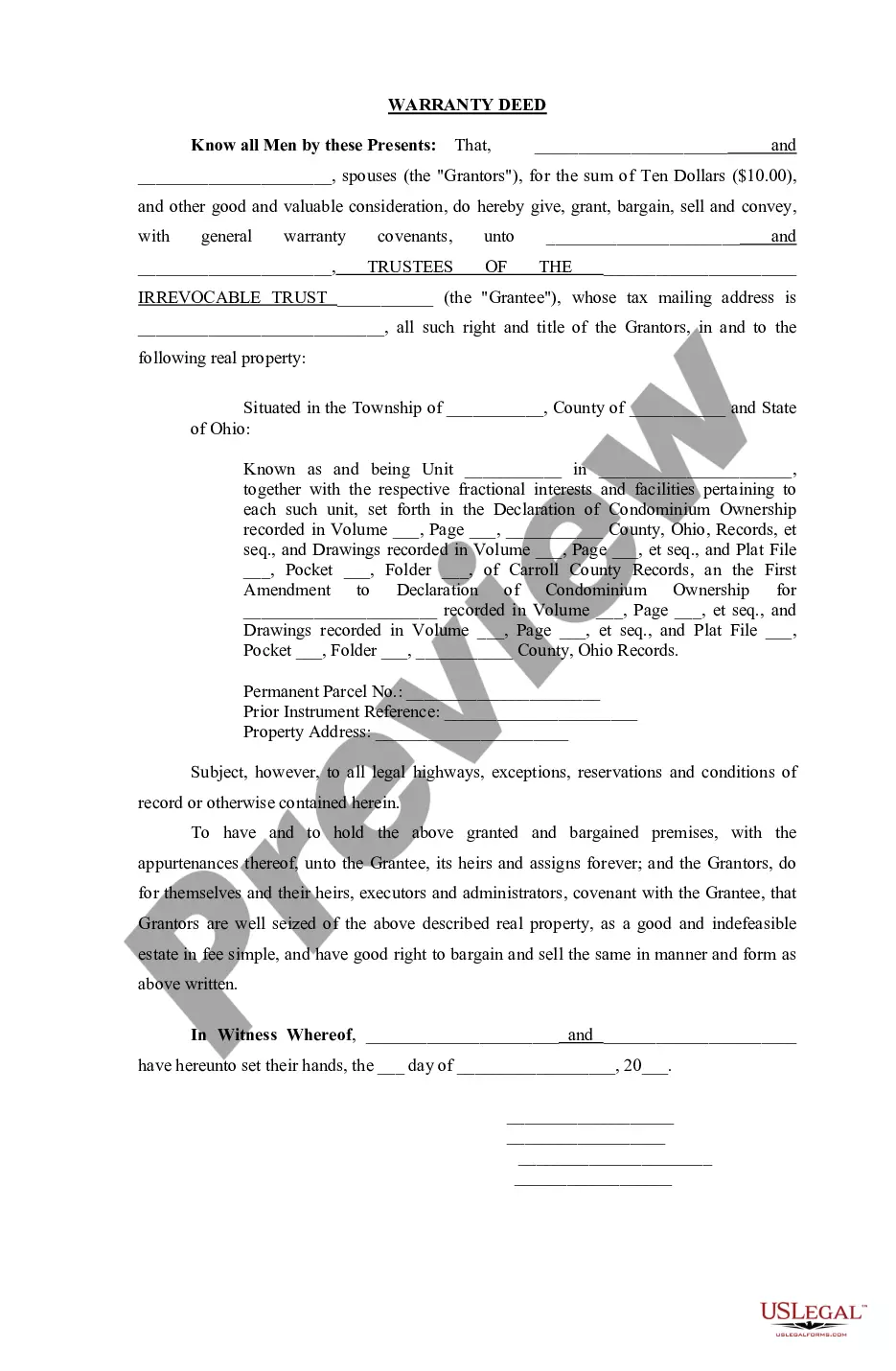
Description

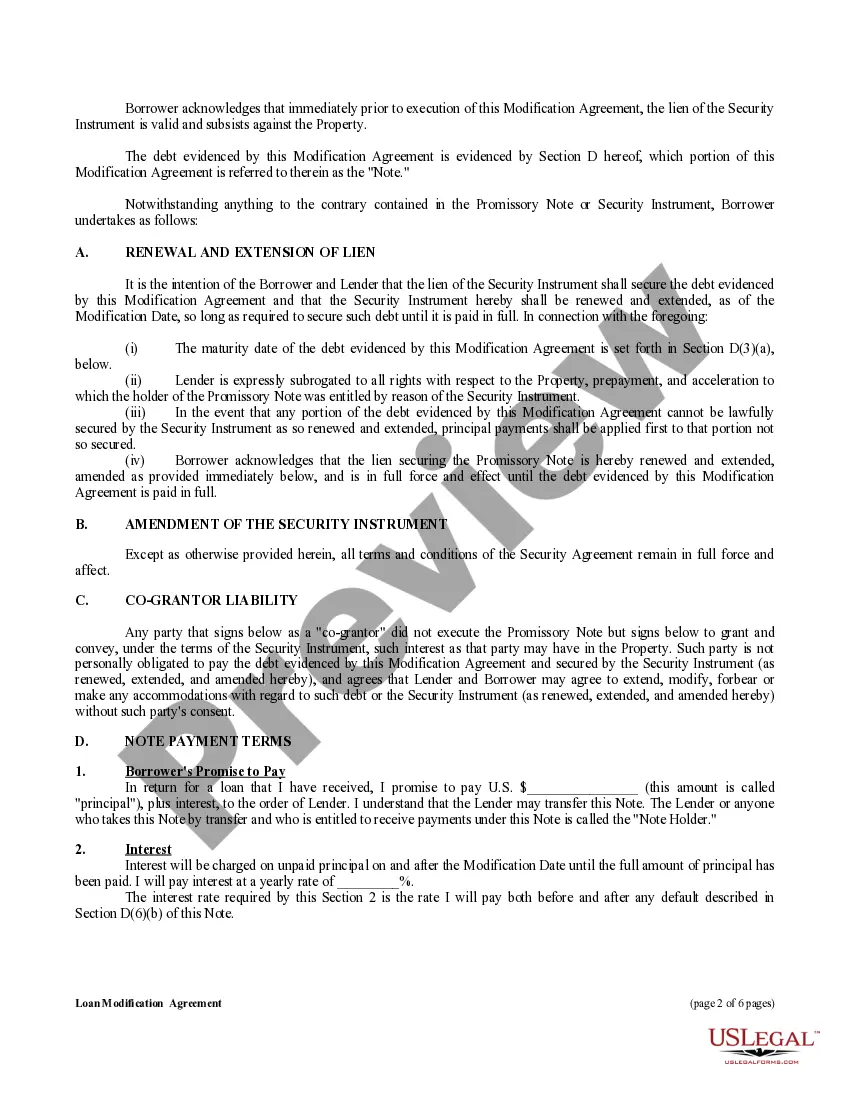
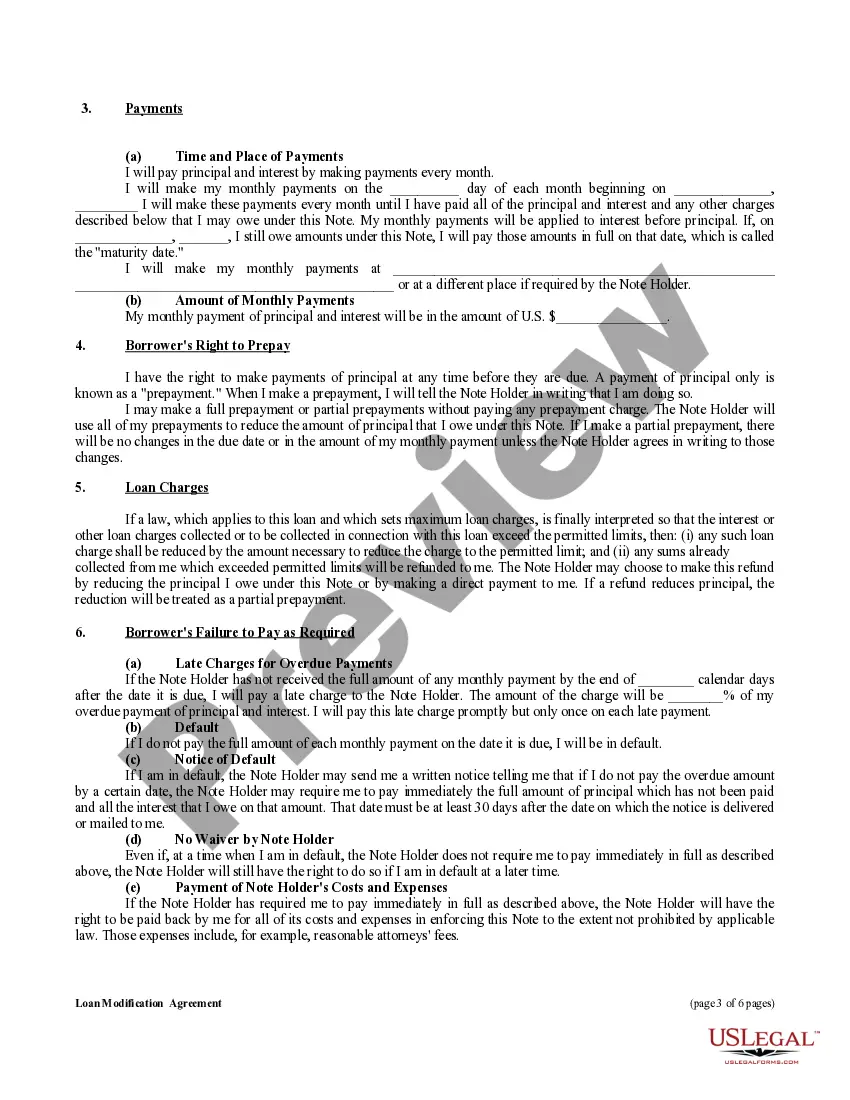
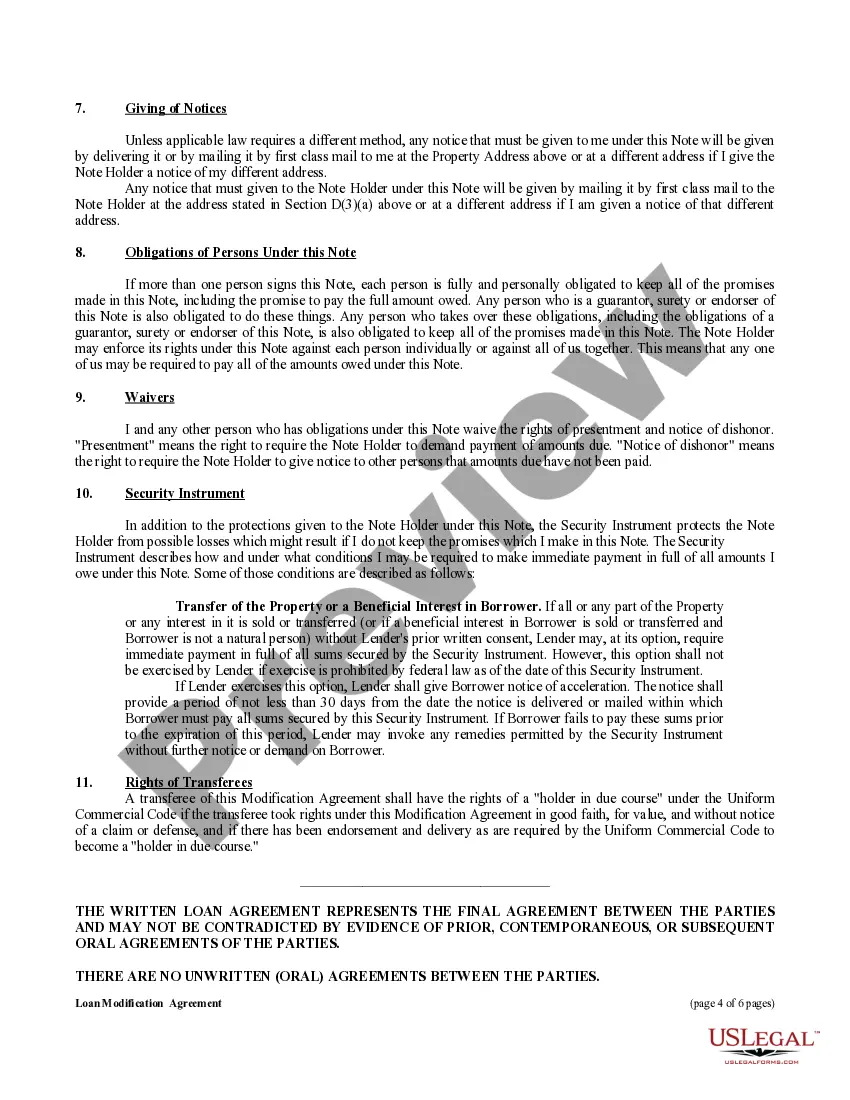
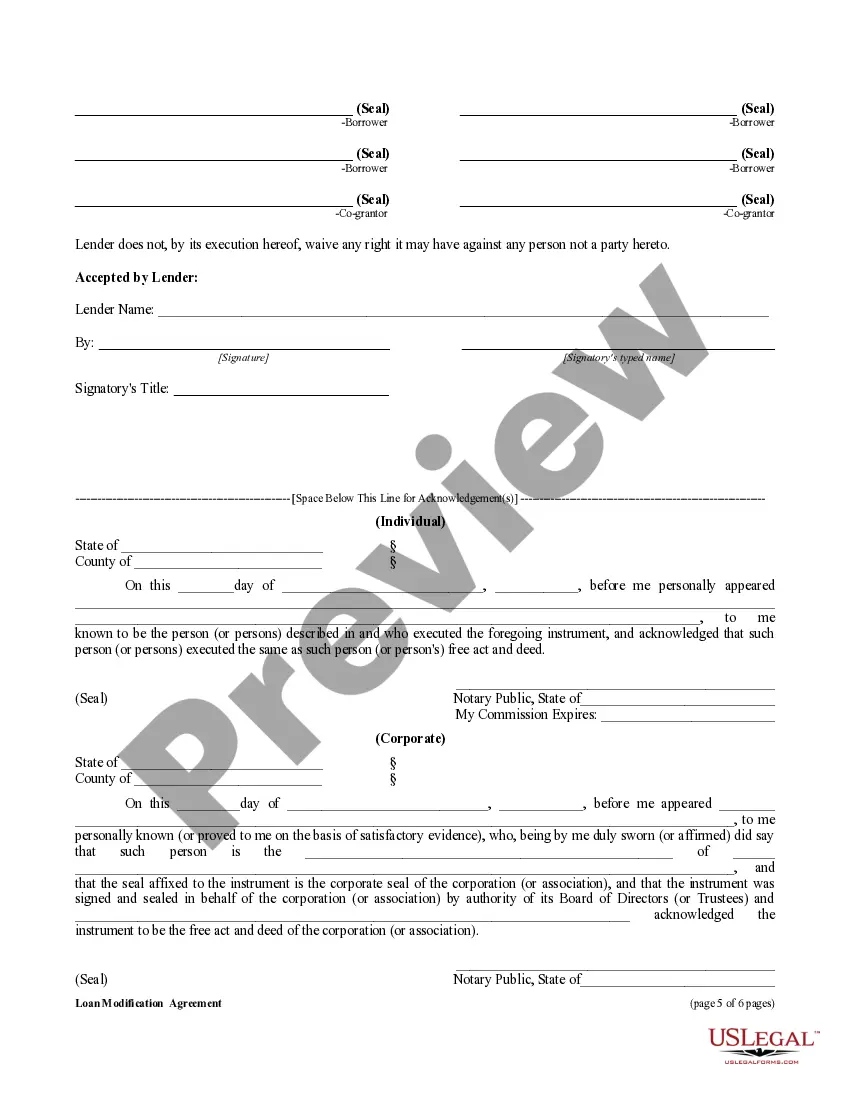
Get your form ready online
Our built-in tools help you complete, sign, share, and store your documents in one place.
Make edits, fill in missing information, and update formatting in US Legal Forms—just like you would in MS Word.
Download a copy, print it, send it by email, or mail it via USPS—whatever works best for your next step.
Sign and collect signatures with our SignNow integration. Send to multiple recipients, set reminders, and more. Go Premium to unlock E-Sign.
If this form requires notarization, complete it online through a secure video call—no need to meet a notary in person or wait for an appointment.
We protect your documents and personal data by following strict security and privacy standards.

Make edits, fill in missing information, and update formatting in US Legal Forms—just like you would in MS Word.

Download a copy, print it, send it by email, or mail it via USPS—whatever works best for your next step.

Sign and collect signatures with our SignNow integration. Send to multiple recipients, set reminders, and more. Go Premium to unlock E-Sign.

If this form requires notarization, complete it online through a secure video call—no need to meet a notary in person or wait for an appointment.

We protect your documents and personal data by following strict security and privacy standards.
Looking for another form?




Form popularity
FAQ
Generally, a lawsuit must be filed in the jurisdiction where the defendant resides or where the claim arose. In cases based on diversity of citizenship (when the plaintiff and defendant are residents of different states), the lawsuit may be filed in the jurisdiction where the plaintiff or the defendant resides.
Fill out the Summons (form SUM-100) and a Complaint. Also, fill out a Civil Case Cover Sheet (form CM-010). Since you are the one filing a lawsuit, you're called the plaintiff. The person or company you're suing is the defendant.
The San Diego Superior Court now accepts e-Filing for Civil, Probate, Family Law and Family Support Division case types as well as Requests for Domestic Violence Restraining Orders and Gun Violence Restraining Orders.
You start a lawsuit by filing a complaint. In some circumstances, you file a petition or a motion. The court has several complaint forms that you may use in drafting your complaint. The forms are available online and at the Pro Se Intake Unit.
Superior Court of California - County of San Diego.
The California Constitution states in part that, "Unless otherwise provided by this Constitution or the laws of the US, (a) All property is taxable". That is, unless otherwise exempted, all forms of tangible property are taxable in California and the Assessor is required to assess business personal property.
Proof of Personal Service (FL-330) Tells the court that you had the other party served in person with legal papers. Lists the papers that were served. It also tells when and where the papers were served and who served them.
FL-334 Declaration Regarding Address Verification—Post judgment Request To Modify A Child Custody, Visitation, Or Child Suppor. Page 1. Form Approved for Optional Use. Judicial Council of California.
Proof of Service by Mail (FL-335) Tells the court that you had the other party served legal papers by mail. Lists the papers that were served and tells when and where the papers were served, as well as who served them.
