Modification Deed Trust Form For Canada In Sacramento
Description








Get your form ready online
Our built-in tools help you complete, sign, share, and store your documents in one place.
Make edits, fill in missing information, and update formatting in US Legal Forms—just like you would in MS Word.
Download a copy, print it, send it by email, or mail it via USPS—whatever works best for your next step.
Sign and collect signatures with our SignNow integration. Send to multiple recipients, set reminders, and more. Go Premium to unlock E-Sign.
If this form requires notarization, complete it online through a secure video call—no need to meet a notary in person or wait for an appointment.
We protect your documents and personal data by following strict security and privacy standards.

Make edits, fill in missing information, and update formatting in US Legal Forms—just like you would in MS Word.

Download a copy, print it, send it by email, or mail it via USPS—whatever works best for your next step.

Sign and collect signatures with our SignNow integration. Send to multiple recipients, set reminders, and more. Go Premium to unlock E-Sign.

If this form requires notarization, complete it online through a secure video call—no need to meet a notary in person or wait for an appointment.

We protect your documents and personal data by following strict security and privacy standards.
Looking for another form?




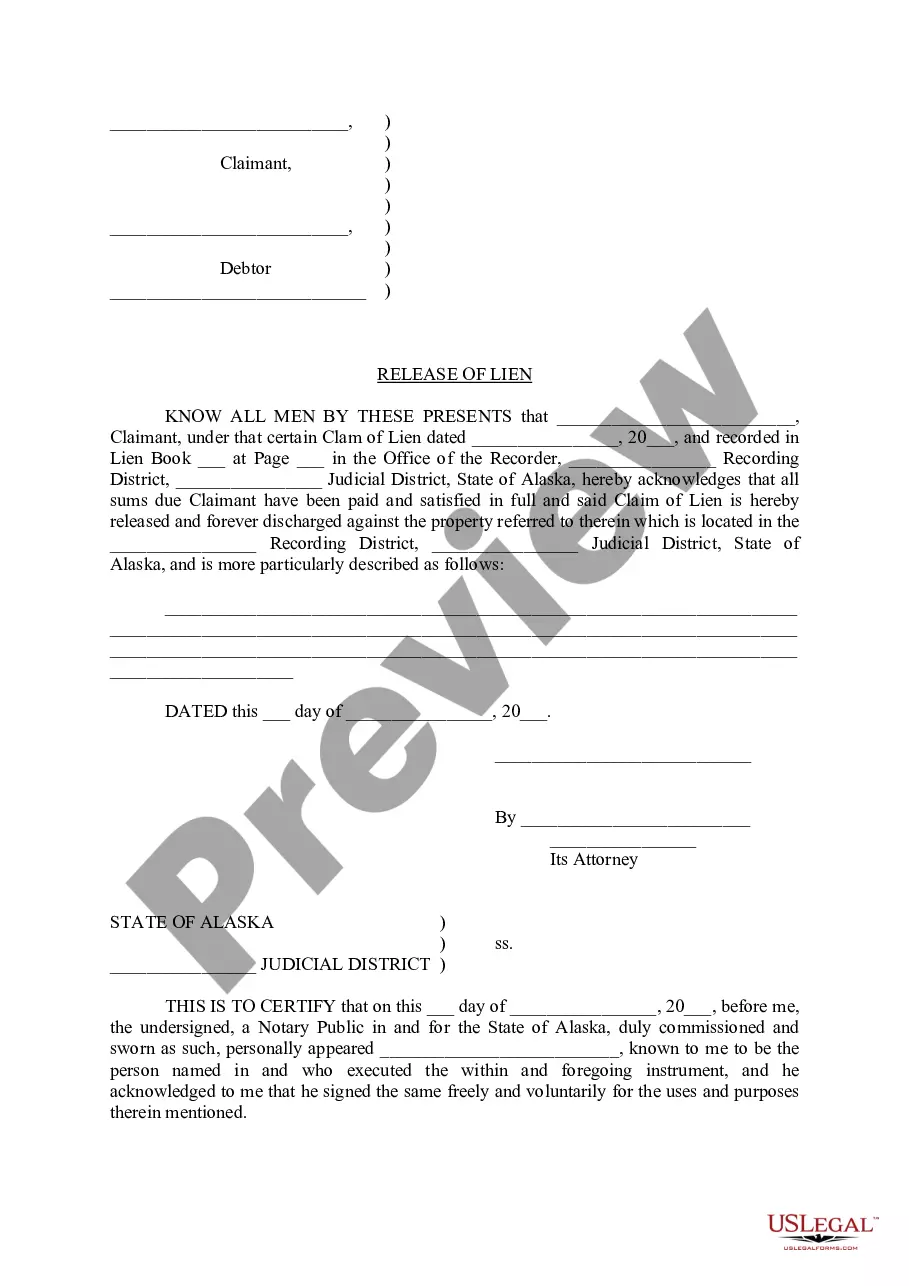
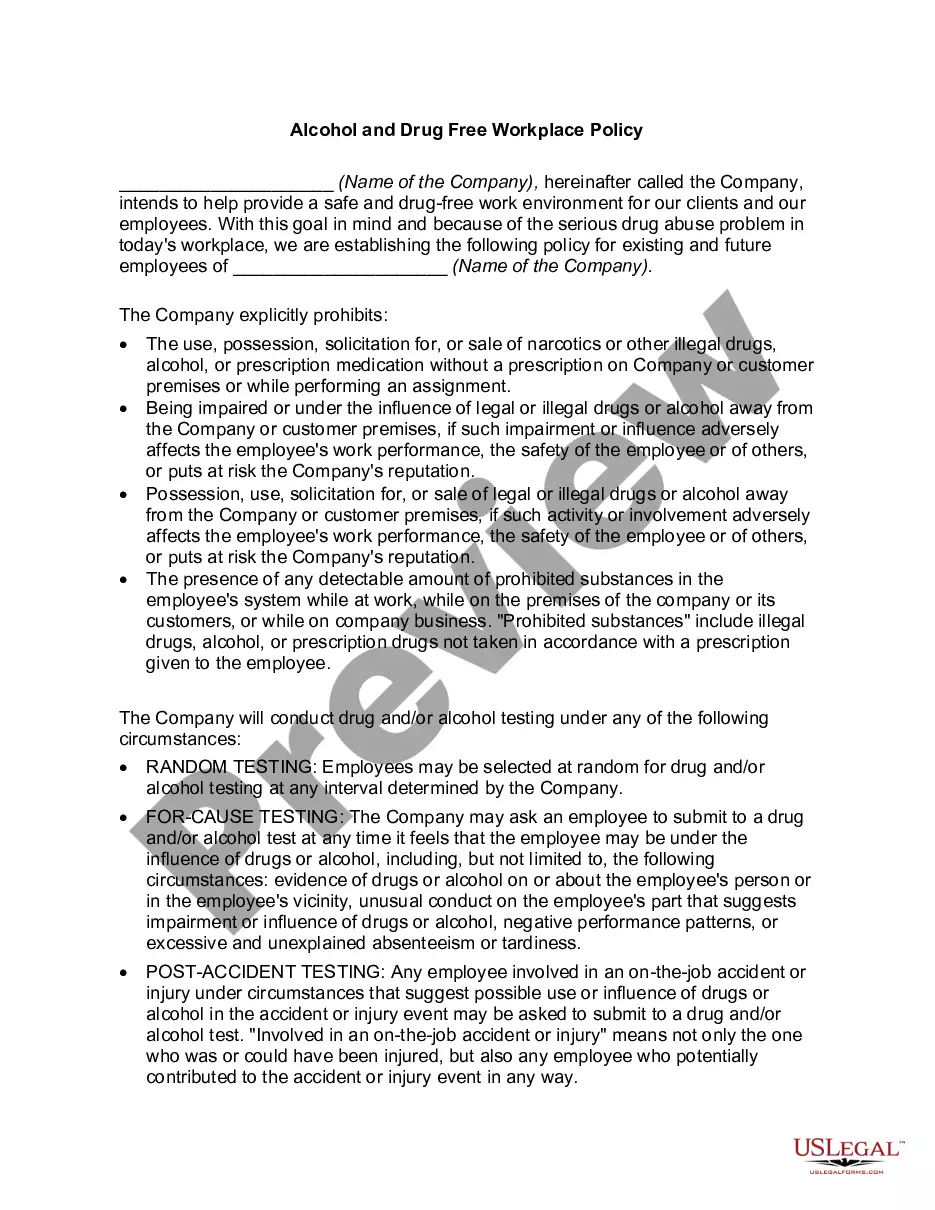
Form popularity
FAQ
Deed of Trust Modification means, with respect to any Deed of Trust, a modification agreement entered into between the Borrower or the Project Owner, as applicable, and the Lender, modifying the terms and conditions of the Deed of Trust in order to (i) add to the lien of the Deed of Trust Additional Lots, or (ii) make ...
How to Correct a Deed Re-recording of the original document. With corrections made in the body of the original document. A cover sheet detailing the changes. Must be re-signed and re-acknowledged. Correction Deed. A new deed reflecting the corrections/changes. Must meet all recording requirements of a deed.
recording of the original document with corrections is made in the body of the original document, resigned and reacknowledged. A correction deed is a new deed signed and acknowledged by the grantor. A correction affidavit can be signed by either party but is used in limited situations.
To reform or change a deed, the parties to the deed must bring a legal action before a circuit court requesting that the court “fix” the deed by issuing a judgment or order stating the original intent of the parties, and what needs to be legally changed.
While a trust does not need to be notarized in California to be valid, there are a few reasons why you may want to consider having it notarized. Notarizing a trust can increase its authenticity, reduce the risk of fraud, and make it easier to transfer assets to the trust.
Examples include material changes to the deed. Maybe the legal property description is changing, or there was an error regarding the warranty or covenants in the original deed.
A deed of trust will include the same type of information stated in a mortgage document, such as: The identities of the borrower, lender, and trustee. A full description of the property to be placed in trust. Any restrictions or requirements on the use of the property while it is in trust.
Deed of Trust Modification means, with respect to any Deed of Trust, a modification agreement entered into between the Borrower or the Project Owner, as applicable, and the Lender, modifying the terms and conditions of the Deed of Trust in order to (i) add to the lien of the Deed of Trust Additional Lots, or (ii) make ...
Step-by-Step Instructions Determine the Parties to The Agreement. There will be three parties to these agreements. Prepare the Deed of Trust and Promissory Note. Get the Signatures Notarized. Record the Signed Documents at the County Recorder's Office. What Happens Next?
