Sample Letter With Attached Documents In Contra Costa
Description

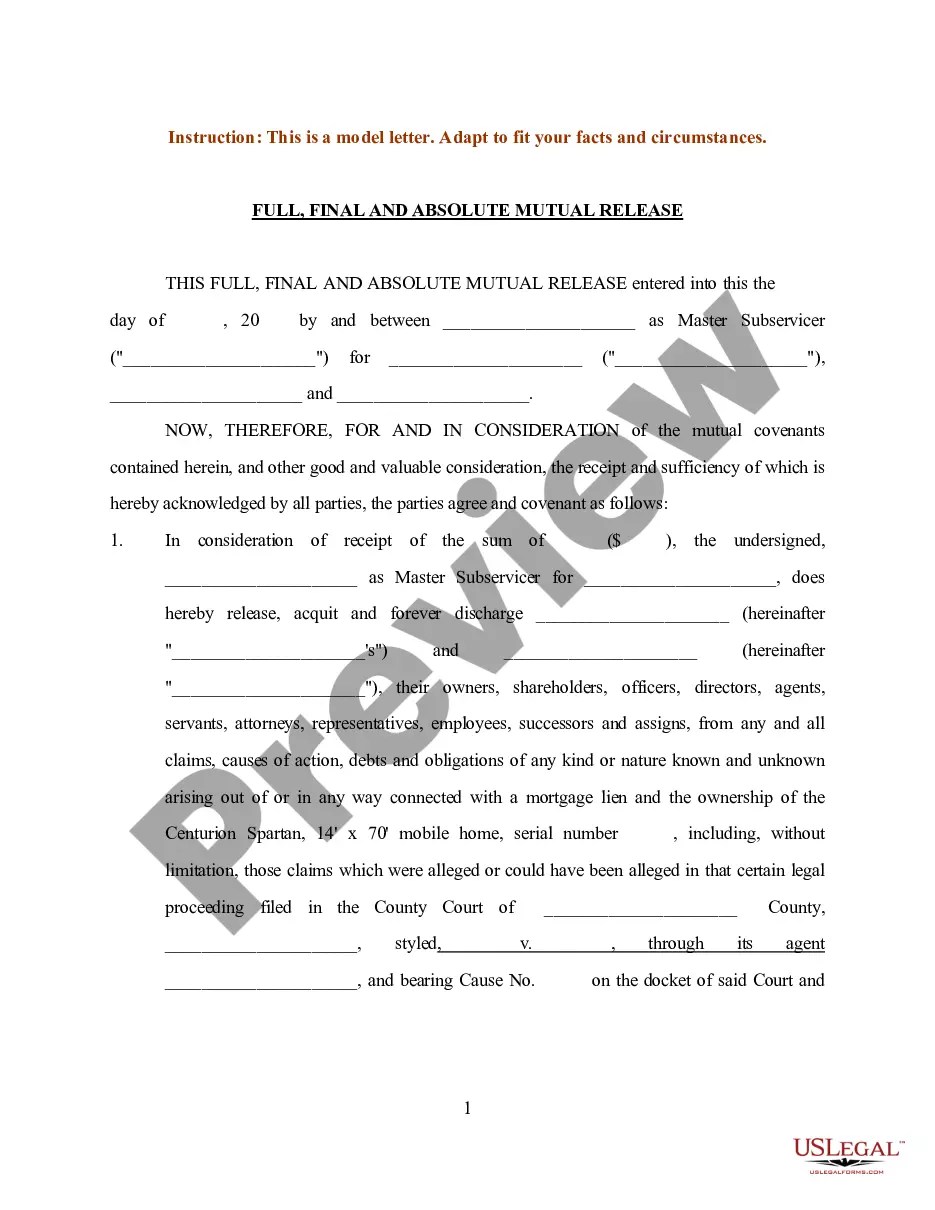
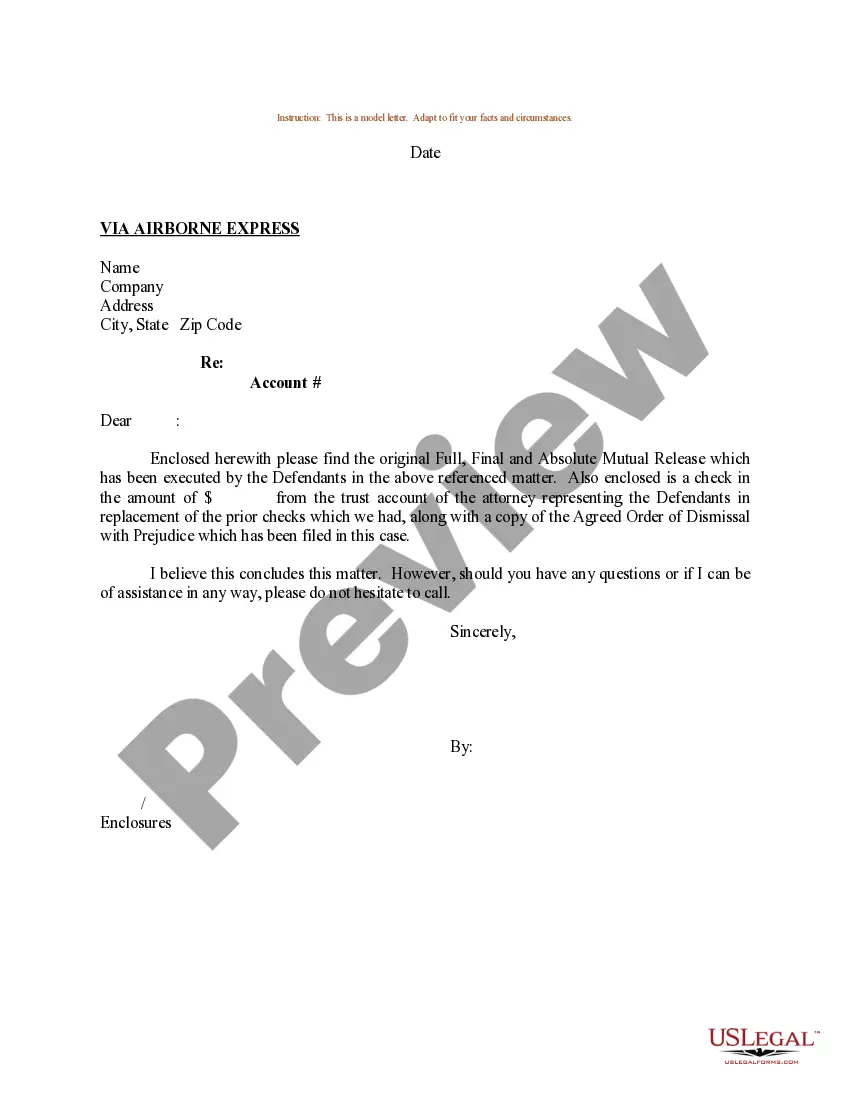
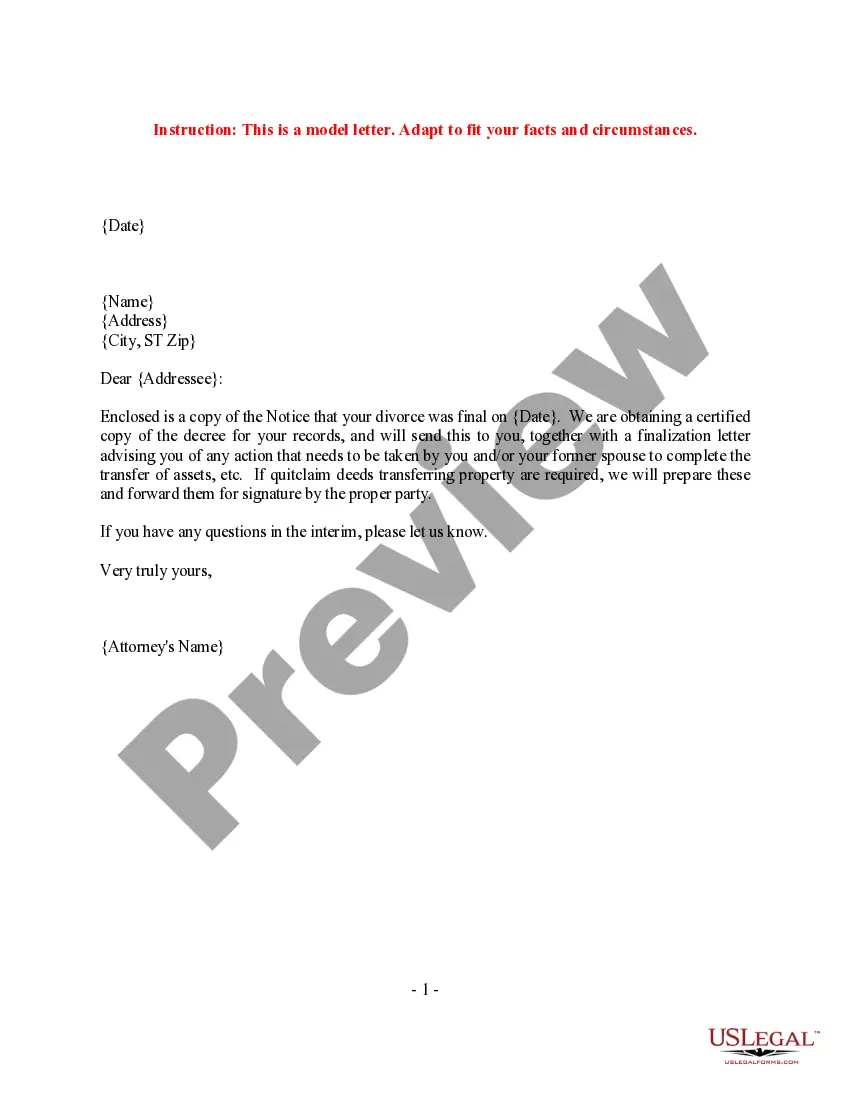
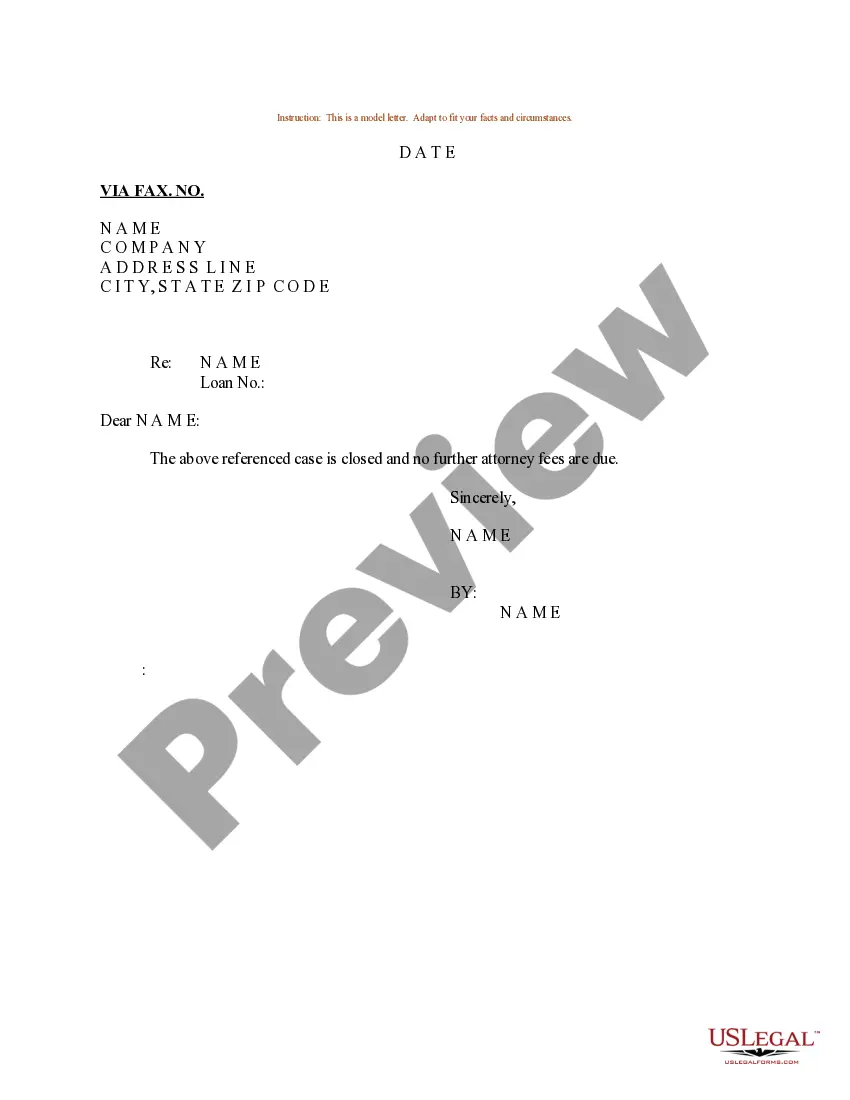
Get your form ready online
Our built-in tools help you complete, sign, share, and store your documents in one place.
Make edits, fill in missing information, and update formatting in US Legal Forms—just like you would in MS Word.
Download a copy, print it, send it by email, or mail it via USPS—whatever works best for your next step.
Sign and collect signatures with our SignNow integration. Send to multiple recipients, set reminders, and more. Go Premium to unlock E-Sign.
If this form requires notarization, complete it online through a secure video call—no need to meet a notary in person or wait for an appointment.
We protect your documents and personal data by following strict security and privacy standards.

Make edits, fill in missing information, and update formatting in US Legal Forms—just like you would in MS Word.

Download a copy, print it, send it by email, or mail it via USPS—whatever works best for your next step.

Sign and collect signatures with our SignNow integration. Send to multiple recipients, set reminders, and more. Go Premium to unlock E-Sign.

If this form requires notarization, complete it online through a secure video call—no need to meet a notary in person or wait for an appointment.

We protect your documents and personal data by following strict security and privacy standards.
Looking for another form?







Form popularity
FAQ
Timeline for Eviction Proceedings It takes about 14 to 90 days from the issuance of the Notice to Vacate, depending on the reason for eviction and the lease agreement.
Notice Requirements: Landlords in Delaware must provide proper notice before commencing an eviction, which includes a 5-day notice for unpaid rent or a 7-day notice for lease violations.
Step-by-step guide to writing an eviction notice without a lease Start with a clear and concise header. State the reason for eviction. Specify the time frame for vacating. Include a section on unpaid rent or damages. Provide information on the consequences of non-compliance. Sign and date the notice.
How to submit evidence for your hearing Get copies of documents that help support your case. Attach or file these with your Request for Order or Responsive Declaration so the judge can consider them at the hearing. Get statements from any witnesses. File and serve your documents and statements.
Before they can start the eviction process, a landlord must give the tenant an official written 3-Day Notice to Quit. If the tenant fails to vacate the rental unit after the three-day notice, the landlord may continue filing for a Forcible Entry and Detainer action.
To respond to the eviction case, you start with filling out an Answer or other response forms. Then, you file them with the court. This gives you the chance to tell the judge if there are any legal reasons your landlord can't evict you and tell your side of the story at a court trial.
To write an eviction notice, you need to include specific information such as addresses, tenant names, lease status and date, reasons for eviction, the date the tenant must leave the property, and record of delivery. Make sure to follow your state's laws regarding notice requirements and timeline for eviction.
Every case-initiating document filed in the Central District must be filed electronically, except: (a) in criminal cases; (b) in sealed cases, or where leave to file the case under seal is sought; or (c) where the filer is exempt from e-filing pursuant to Local Rule 5-4.2(a), such as parties who are not represented by ...
The Superior Court of Contra Costa implemented its E-filing system in 2022. They selected Odyssey Case Manager from Tyler Technologies, a software solution in use by 29 of the 58 courts in the state.
Please tell us as much as you can about what you are looking for, and tell us how we can reach you, including by email. Fill out and send a Request for Judicial Administrative Records form to the Public Information Officer by fax at (925) 608-2658 or by email at: mediainfo@contracostaurts.ca.

