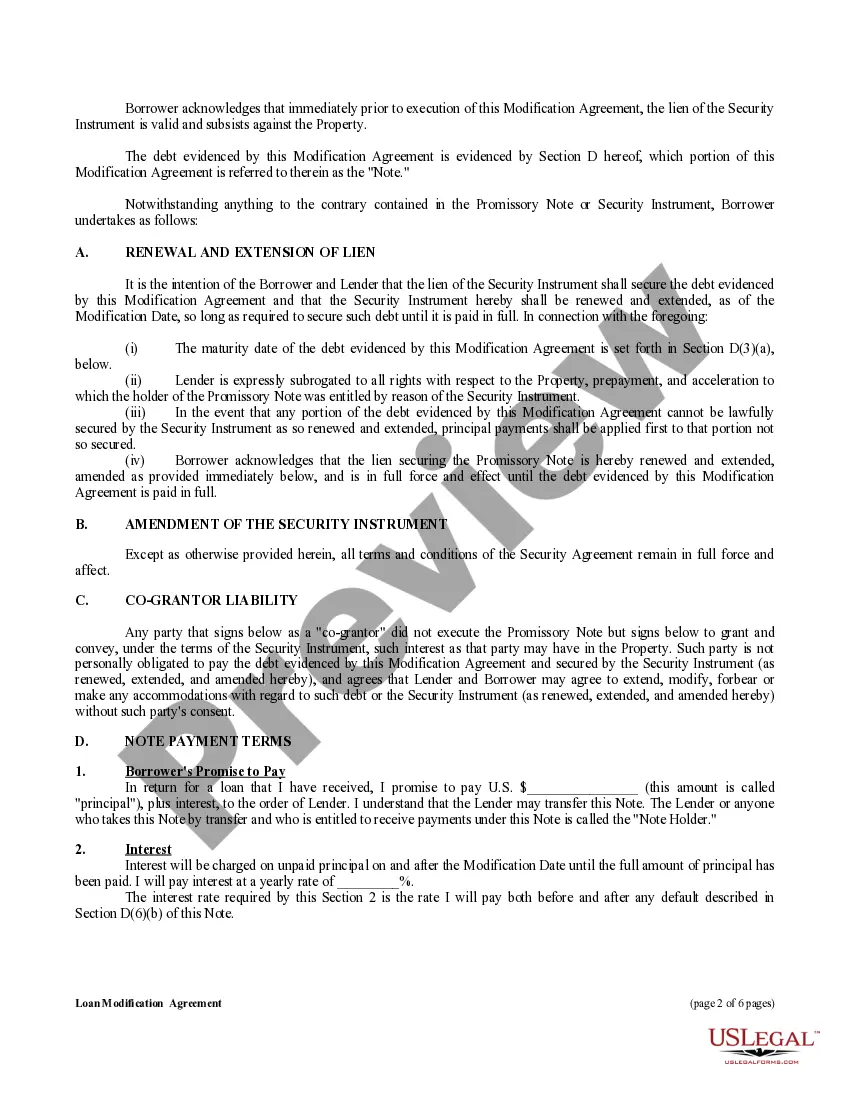
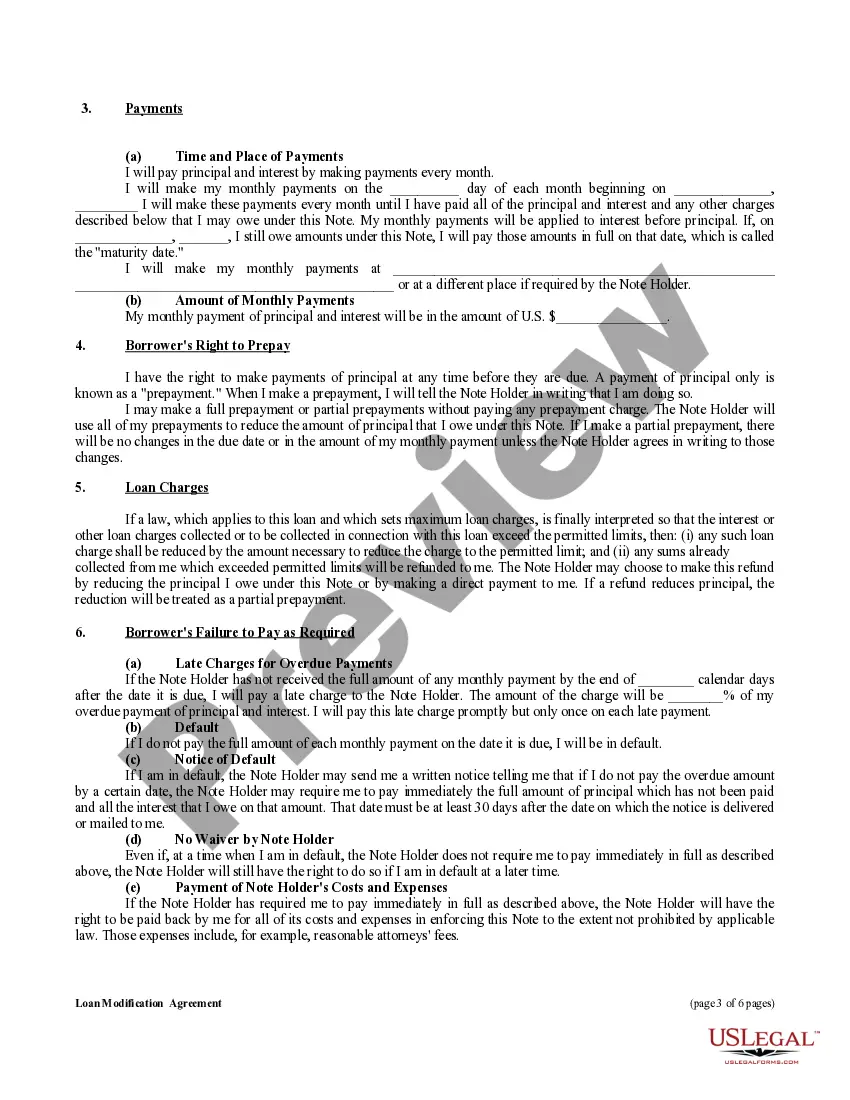
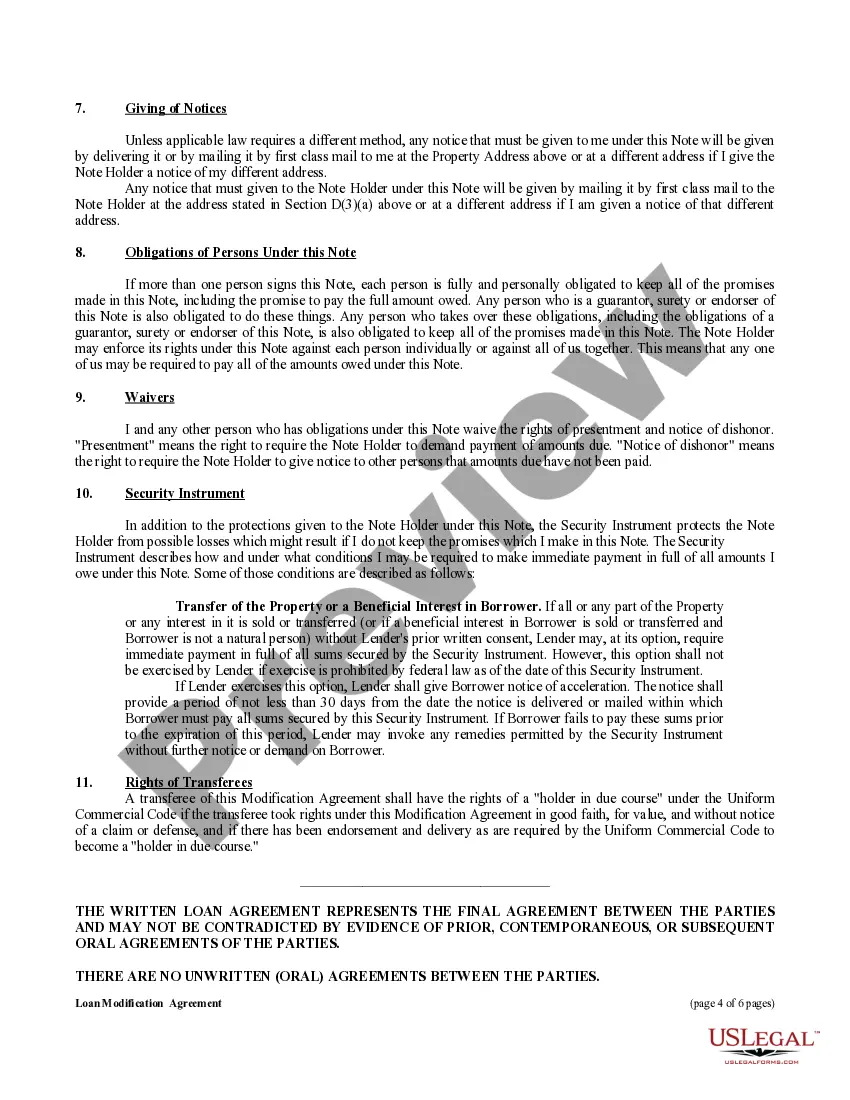
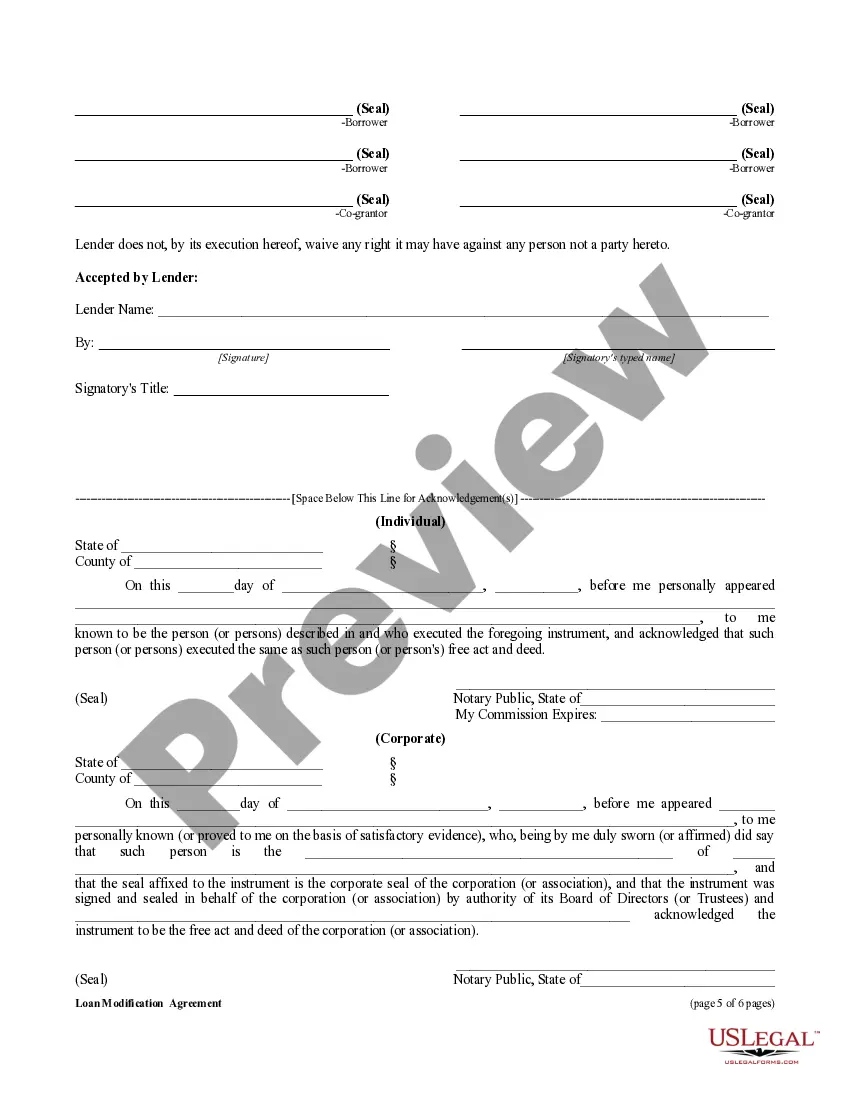
Deed Of Trust Modification With Future Advance Clause In Sacramento
Description


Get your form ready online
Our built-in tools help you complete, sign, share, and store your documents in one place.
Make edits, fill in missing information, and update formatting in US Legal Forms—just like you would in MS Word.
Download a copy, print it, send it by email, or mail it via USPS—whatever works best for your next step.
Sign and collect signatures with our SignNow integration. Send to multiple recipients, set reminders, and more. Go Premium to unlock E-Sign.
If this form requires notarization, complete it online through a secure video call—no need to meet a notary in person or wait for an appointment.
We protect your documents and personal data by following strict security and privacy standards.

Make edits, fill in missing information, and update formatting in US Legal Forms—just like you would in MS Word.

Download a copy, print it, send it by email, or mail it via USPS—whatever works best for your next step.

Sign and collect signatures with our SignNow integration. Send to multiple recipients, set reminders, and more. Go Premium to unlock E-Sign.

If this form requires notarization, complete it online through a secure video call—no need to meet a notary in person or wait for an appointment.

We protect your documents and personal data by following strict security and privacy standards.
Looking for another form?




Form popularity
FAQ
Basic Requirements of a Trust California statutes dictate a set criterion for valid trusts. Breaching any of the following can lead to the trust being deemed invalid: Intent. Mental capacity, meaning they should be legally sane and over 18.
To invalidate a trust, the first step is to retract all assets that have been transferred into it. Following this, you should fill out a revocation form, clearly stating the reasons for wanting to revoke the trust, often due to changes in circumstances.
There are two main reasons a deed of trust may be considered invalid: (1) lack of required formalities in executing the deed of trust, or (2) there is some fact outside execution that makes the deed of trust invalid.
Deed of Trust Modification means, with respect to any Deed of Trust, a modification agreement entered into between the Borrower or the Project Owner, as applicable, and the Lender, modifying the terms and conditions of the Deed of Trust in order to (i) add to the lien of the Deed of Trust Additional Lots, or (ii) make ...
Basic Requirements of a Trust California statutes dictate a set criterion for valid trusts. Breaching any of the following can lead to the trust being deemed invalid: Intent. Mental capacity, meaning they should be legally sane and over 18.
Forgery. If someone else forged the signature on the document, the deed would be invalid. However, you'd likely have to prove that both the signature and notary are inauthentic.
How to fill out the Grant Deed Form Instructions for California? Enter the names of the grantor(s) and grantee(s). Fill in the property details including APN and address. Complete the documentary transfer tax section carefully. Sign the document in front of a notary public.
Required elements The date. This is the official date the deed was signed and notarized. Complete names of the grantor and grantee. A description of the property being transferred. A granting clause. Consideration. Signature of the grantor. Signatures of witnesses or a notary public acknowledgment.
Because of the regulations and demands that the state of California poses, it's best to seek expert legal counsel to draft your grant deed.
In California, a deed of trust must come with security, typically a promissory note. To be valid, a deed of trust must be (1) in writing, (2) with a description of the property, and (3) signed by the trustor of the deed of trust.
