Noncompetition and Confidentiality Agreement between Employer and Employee regarding Trade Secrets and Other Confidential Information
What this document covers
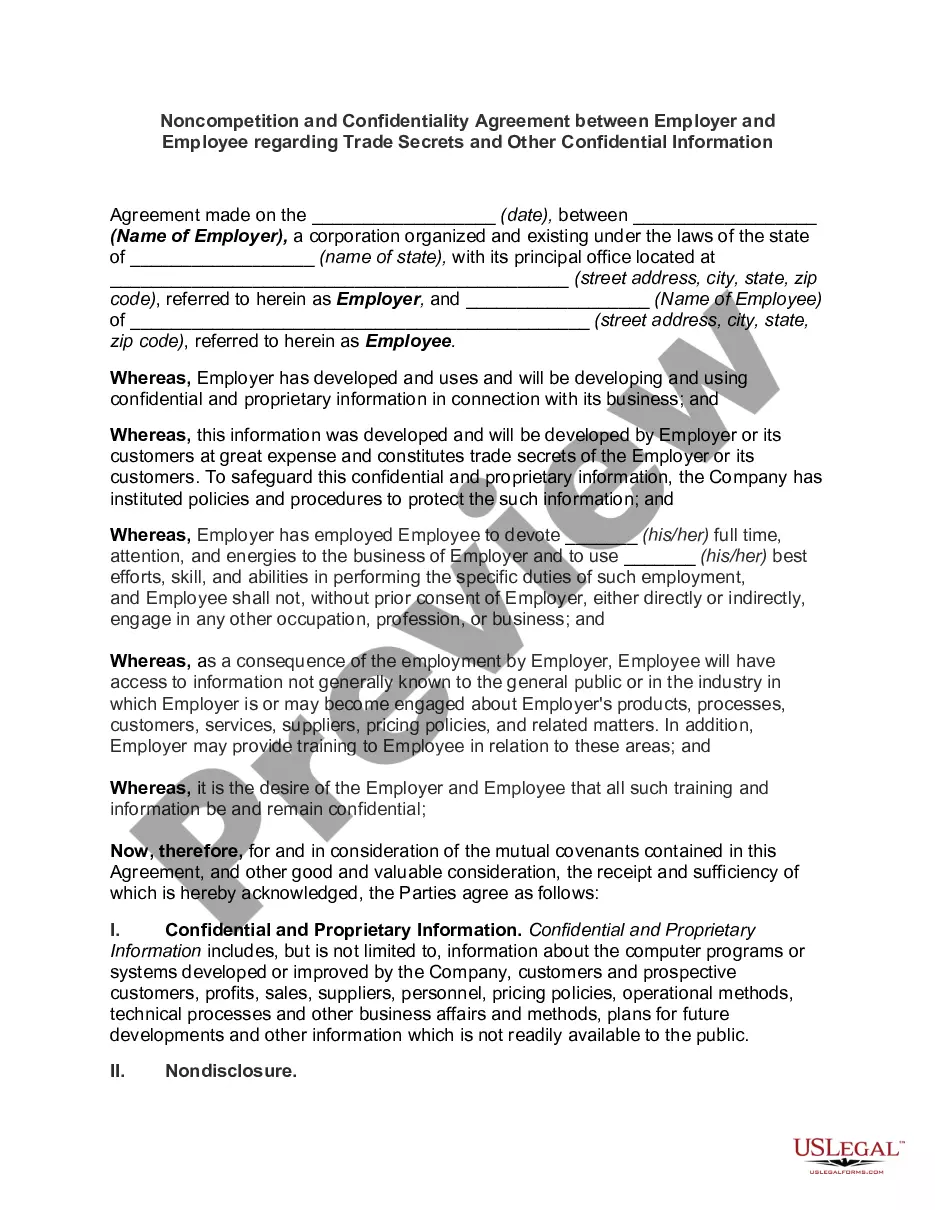
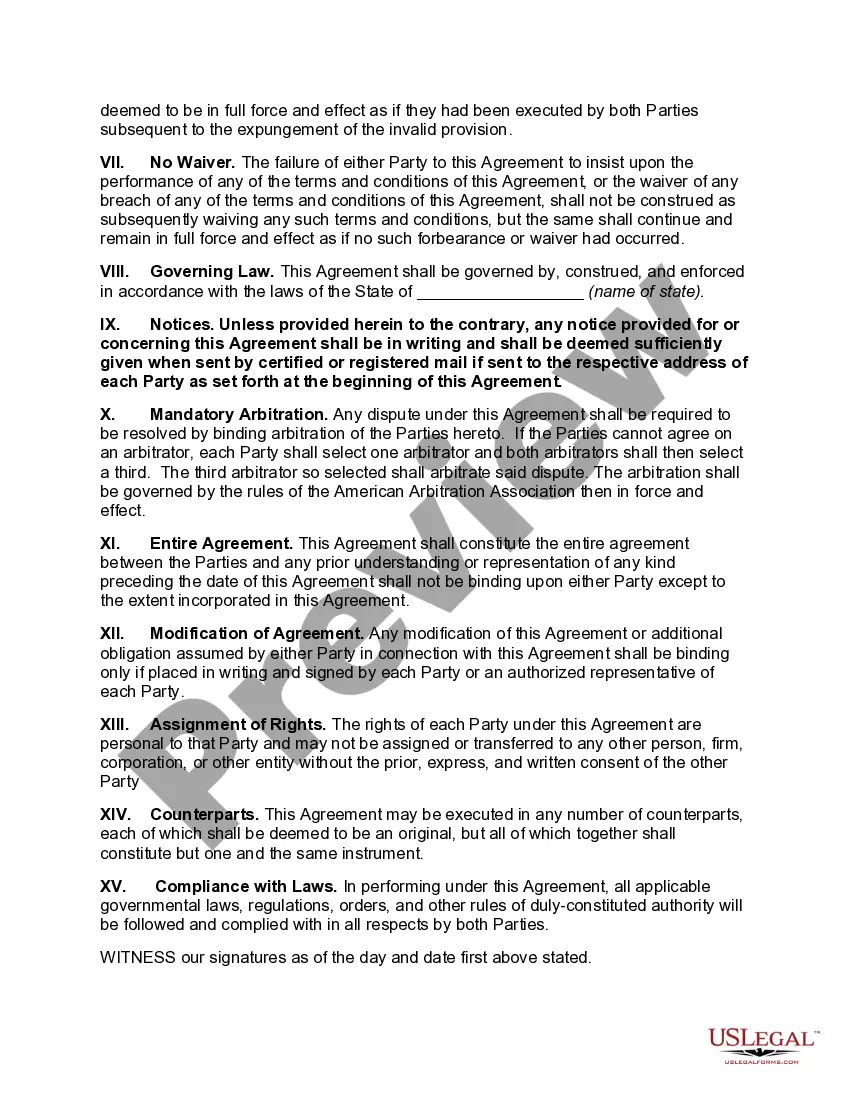
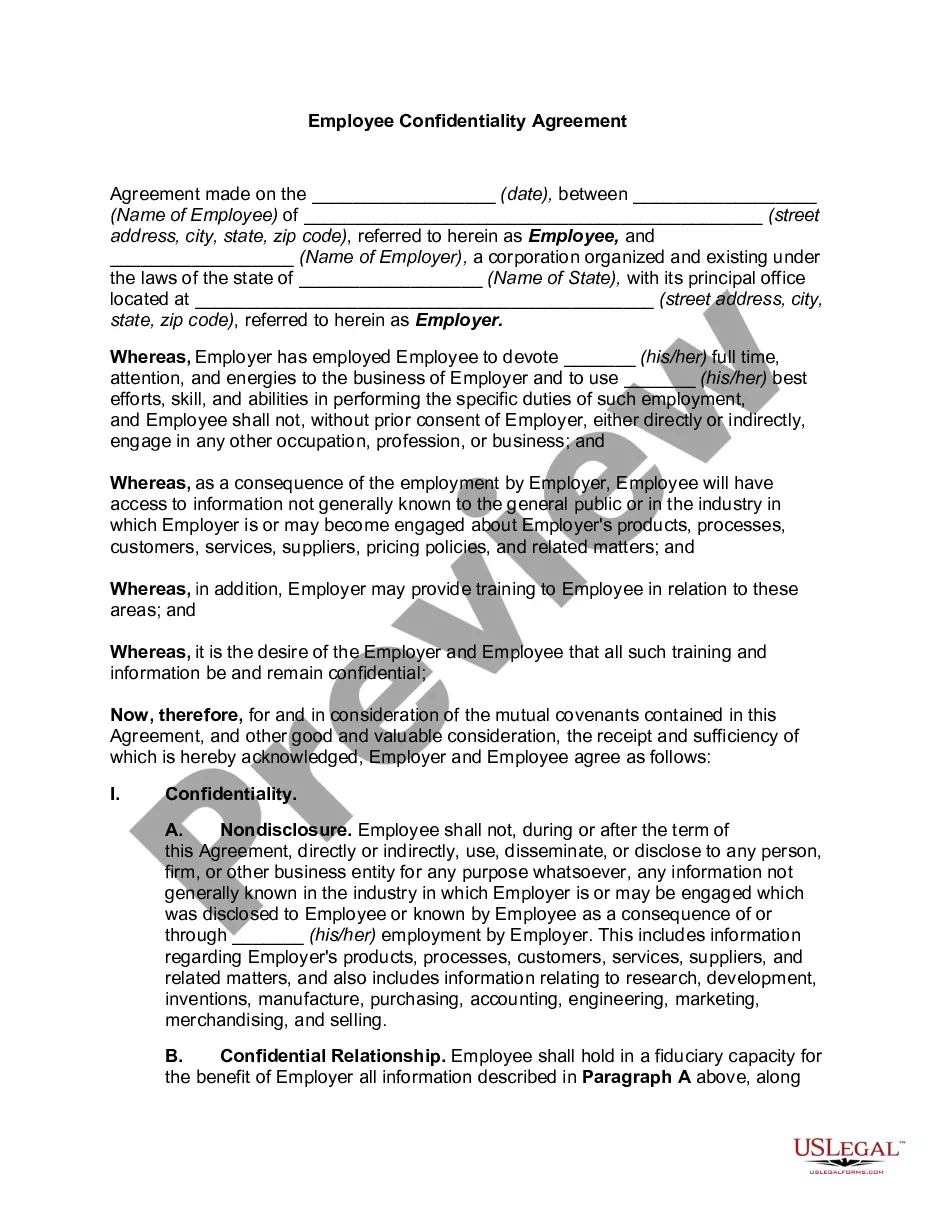
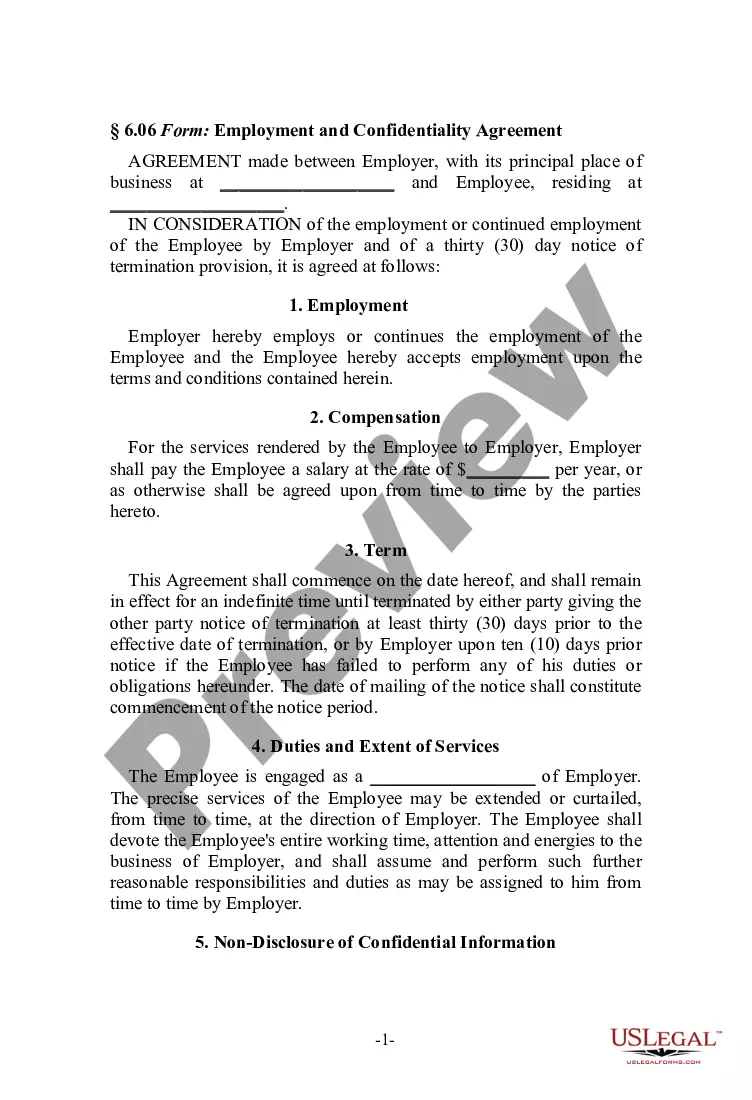
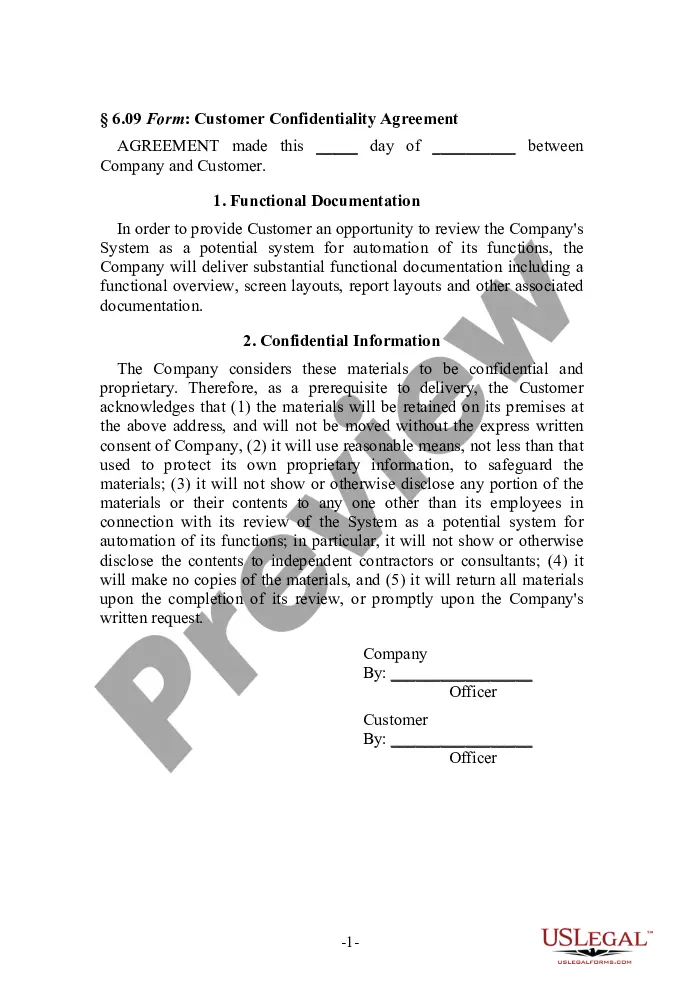
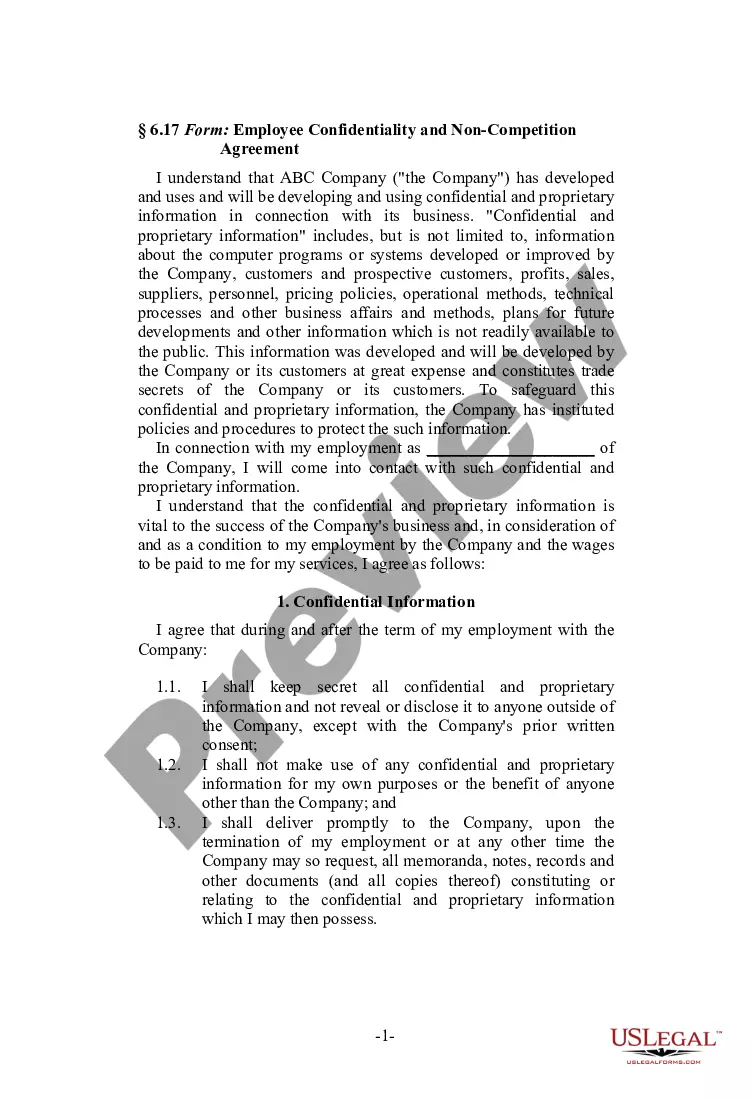
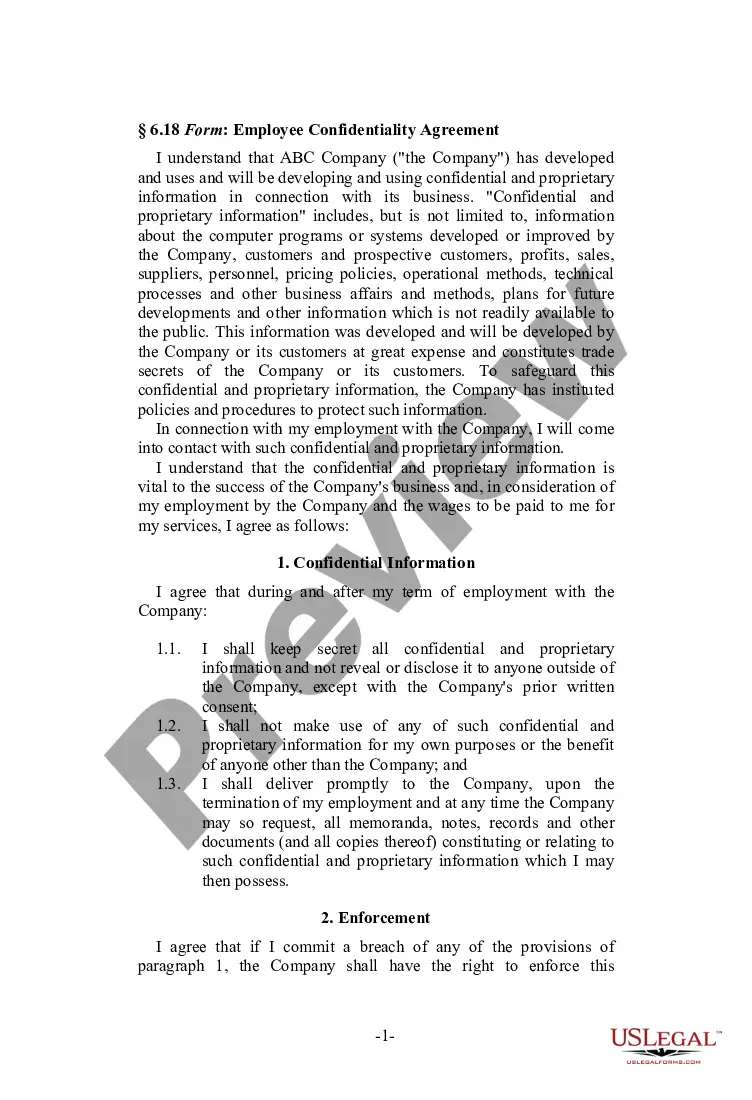
The Noncompetition and Confidentiality Agreement between Employer and Employee regarding Trade Secrets and Other Confidential Information is a legal document designed to protect an organization's confidential and proprietary information from being disclosed or used by an employee after termination of employment. This form sets clear boundaries regarding noncompetition, nondisclosure, and the handling of sensitive information, ensuring that employers can safeguard their trade secrets and maintain a competitive edge in the industry, particularly in sectors like technology and software development.
Key components of this form
- Definitions of confidential and proprietary information.
- Nondisclosure obligations during and after employment.
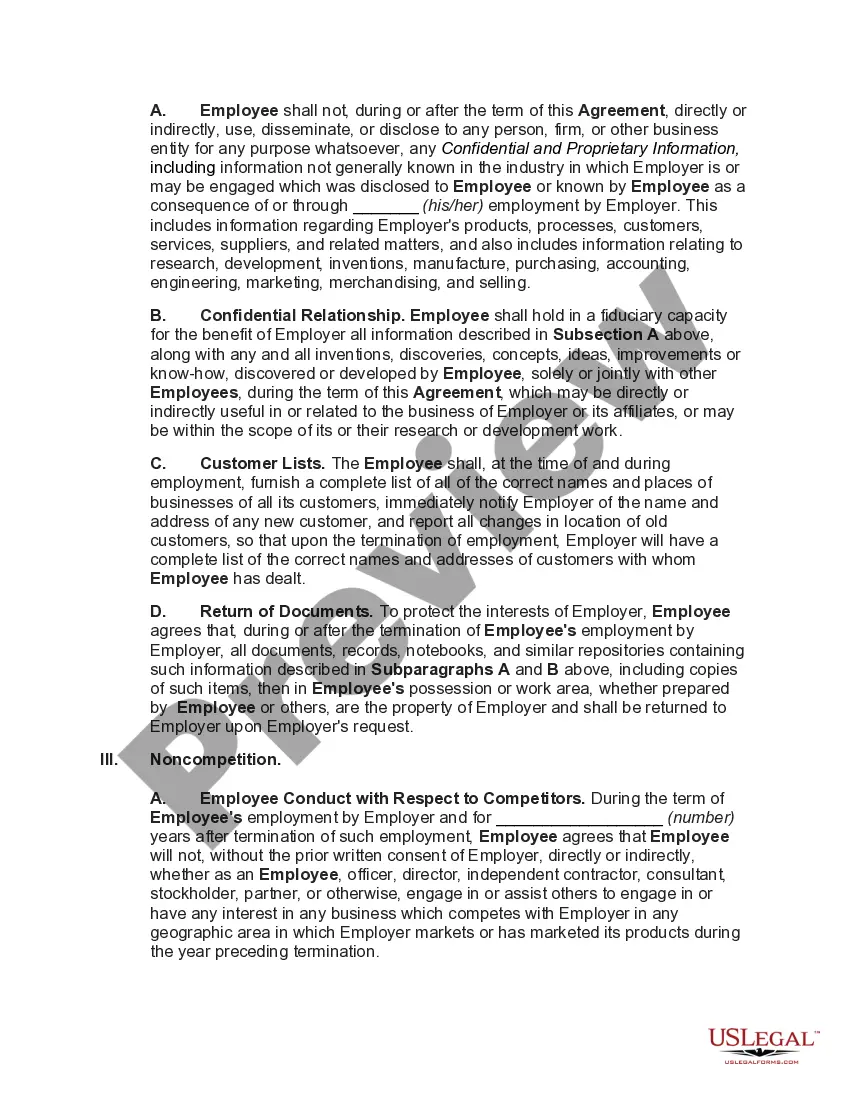
- Noncompetition clauses limiting employee engagements with competitors.
- Return of documents and materials upon termination.
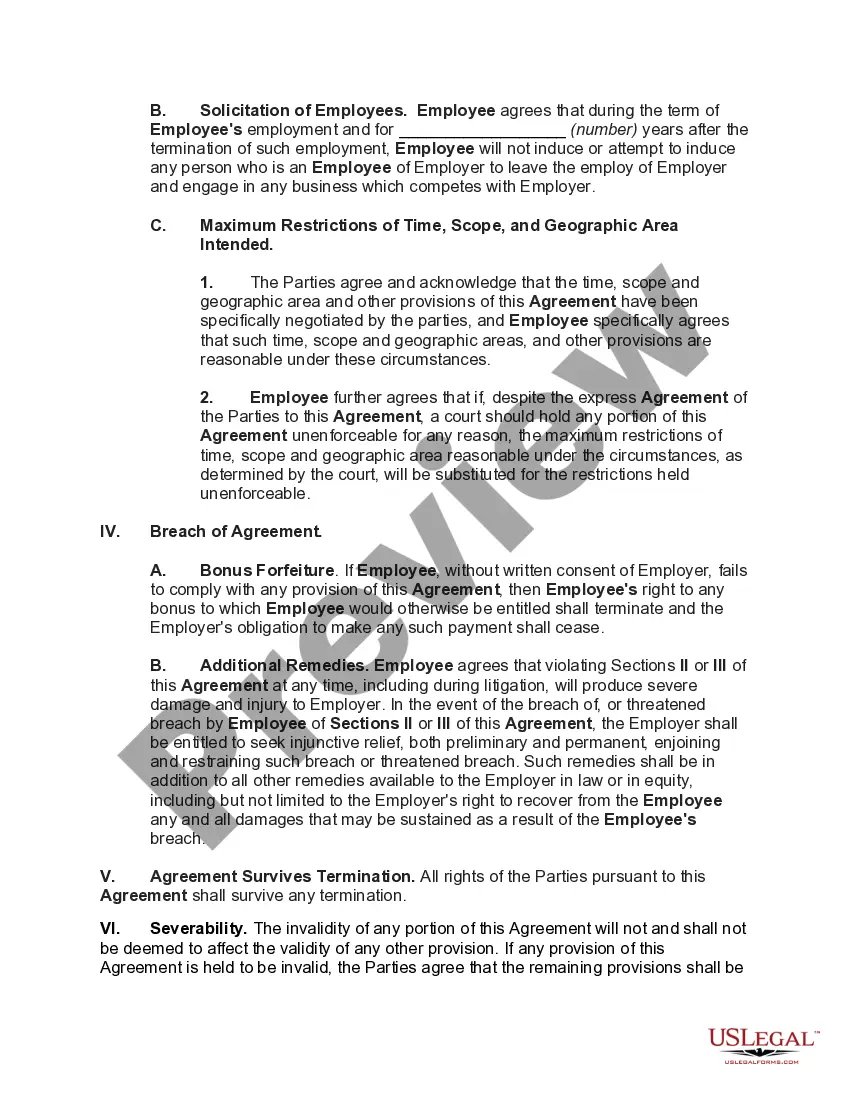
- Conditions for breaches of agreement, including remedies for violations.
- Governing law and dispute resolution procedures.

When this form is needed
This form is essential when an employer wishes to ensure that employees do not disclose sensitive business information or compete against the business after leaving their position. It is commonly used in industries where intellectual property and customer relationships are vital, such as in technology, software, consulting, and other sectors reliant on proprietary data.
Who should use this form
This agreement is suitable for:
- Employers seeking to protect trade secrets and proprietary information.
- Employees who will have access to confidential information as part of their job.
- Businesses in the technology, internet, or software industries.
- Organizations wanting to establish clear legal boundaries regarding confidentiality and competition.
Completing this form step by step
- Identify and enter the date, names, and addresses of both the employer and employee.
- Clearly define the confidential and proprietary information that needs protection.
- Specify the nondisclosure terms, including the duration of confidentiality obligations.
- Outline the noncompetition period and the geographic area where it applies.
- Include the signatures of the employer and employee to finalize the agreement.
Notarization guidance
This form usually doesn’t need to be notarized. However, local laws or specific transactions may require it. Our online notarization service, powered by Notarize, lets you complete it remotely through a secure video session, available 24/7.
Get your form ready online
Our built-in tools help you complete, sign, share, and store your documents in one place.
Make edits, fill in missing information, and update formatting in US Legal Forms—just like you would in MS Word.
Download a copy, print it, send it by email, or mail it via USPS—whatever works best for your next step.
Sign and collect signatures with our SignNow integration. Send to multiple recipients, set reminders, and more. Go Premium to unlock E-Sign.
If this form requires notarization, complete it online through a secure video call—no need to meet a notary in person or wait for an appointment.
We protect your documents and personal data by following strict security and privacy standards.

Make edits, fill in missing information, and update formatting in US Legal Forms—just like you would in MS Word.

Download a copy, print it, send it by email, or mail it via USPS—whatever works best for your next step.

Sign and collect signatures with our SignNow integration. Send to multiple recipients, set reminders, and more. Go Premium to unlock E-Sign.

If this form requires notarization, complete it online through a secure video call—no need to meet a notary in person or wait for an appointment.

We protect your documents and personal data by following strict security and privacy standards.
Common mistakes to avoid
- Failing to specify the duration of confidentiality and noncompetition clauses.
- Not clearly defining what constitutes confidential information.
- Leaving out the governing state law that will apply to the agreement.
- Not having both parties sign the document or clarify their understanding.
Benefits of using this form online
- Convenient access to templates that can be customized quickly.
- Editable documents that allow for adjustments to specific business needs.
- Reliable formats created by licensed attorneys to ensure legal compliance.
Looking for another form?

Form popularity
FAQ
Trade secrets are intellectual property (IP) rights on confidential information which may be sold or licensed. In general, to qualify as a trade secret, the information must be: commercially valuable because it is secret, be known only to a limited group of persons, and.
Trade secrets are a type of confidential information.Confidential information is generally defined specifically as a 'trade secret' if: The information is not known or available to the public and is used by the company directly for business. The information provides the company with an economic advantage.
Confidentiality agreements usually allow the recipient to disclose confidential information if required to do so by court order or other legal process.
Examples of confidential information include, but are not limited to: Information about the Company's operations, results, earnings projections, strategies, clients or client relationships, proprietary products or employee records.
A confidentiality agreement is a legal contract or clause that is used to protect the owner proprietary or sensitive information from disclosure by others.
The cold hard truth is that most NDAs do not hold up in court. Non-Disclosure Agreements are most effective in establishing a paper trail of confidential information as it relates to partnerships, and discouraging partners from misappropriating proprietary information.
Confidential information is generally defined as information disclosed to an individual employee or known to that employee as a consequence of the employee's employment at a company.Confidential information can include information in any form, such as written documents/records or electronic data.
A confidentiality agreement is a legally binding contract that states two parties will not share or profit from confidential information. A business usually gives a confidentiality agreement to an employee or contractor to make sure its trade secrets or proprietary information remains private.
The non-disclosure agreement sometimes shortened as NDA is also known as a trade secret agreement or a confidentiality agreement. An NDA is a legally binding contract between parties that requires them to keep certain information confidential.