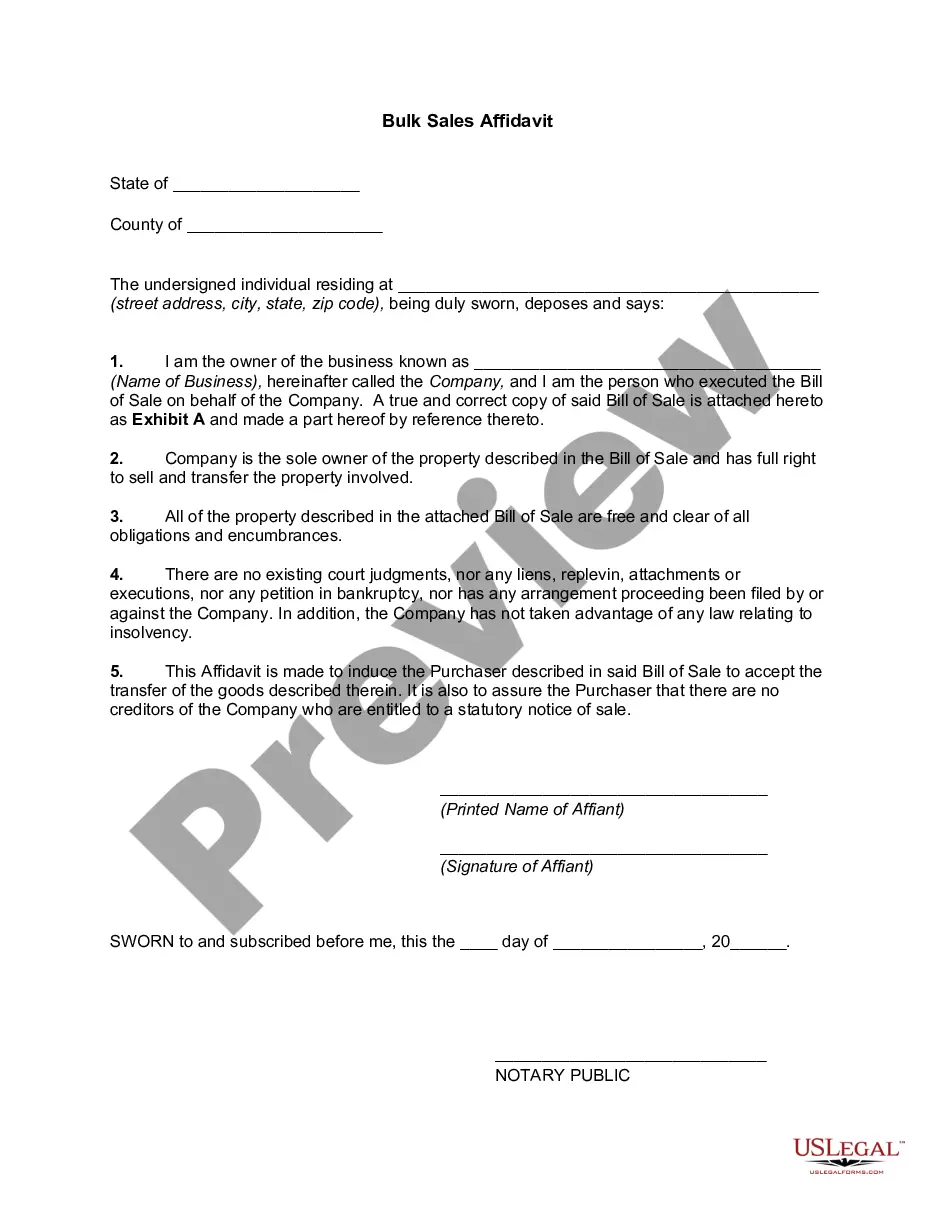
Modification Deed Trust Form With Mortgage In Riverside
Description








Get your form ready online
Our built-in tools help you complete, sign, share, and store your documents in one place.
Make edits, fill in missing information, and update formatting in US Legal Forms—just like you would in MS Word.
Download a copy, print it, send it by email, or mail it via USPS—whatever works best for your next step.
Sign and collect signatures with our SignNow integration. Send to multiple recipients, set reminders, and more. Go Premium to unlock E-Sign.
If this form requires notarization, complete it online through a secure video call—no need to meet a notary in person or wait for an appointment.
We protect your documents and personal data by following strict security and privacy standards.

Make edits, fill in missing information, and update formatting in US Legal Forms—just like you would in MS Word.

Download a copy, print it, send it by email, or mail it via USPS—whatever works best for your next step.

Sign and collect signatures with our SignNow integration. Send to multiple recipients, set reminders, and more. Go Premium to unlock E-Sign.

If this form requires notarization, complete it online through a secure video call—no need to meet a notary in person or wait for an appointment.

We protect your documents and personal data by following strict security and privacy standards.
Looking for another form?


Form popularity
FAQ
A deed of trust can benefit the lender because it allows for a faster and simpler way to foreclose on a home — typically months or even years faster.
Deed of Trust Modification means, with respect to any Deed of Trust, a modification agreement entered into between the Borrower or the Project Owner, as applicable, and the Lender, modifying the terms and conditions of the Deed of Trust in order to (i) add to the lien of the Deed of Trust Additional Lots, or (ii) make ...
The two main differences between a mortgage and a deed of trust are: a mortgage involves two parties, while a deed of trust has three, and. mortgages are usually foreclosed judicially, while deeds of trust typically go through a nonjudicial foreclosure process (but not always).
Recorder Offices County Administrative Center. 4080 Lemon St, 1st floor / PO Box 751, Riverside, California 92501 / 92502-0751. Gateway Office. 2724 Gateway Dr, Riverside, California 92507. Hemet Office. Palm Desert Office. Temecula Office. Blythe Office.
Great question! Yes, you can draft your own documents, such as a separation agreement and quit-claim deed. There is nothing that prohibits this, although it is always best to have an attorney who handles that area of law prepare it for you.
Please allow 6-8 weeks to receive your original recorded document back in the mail. Documents are not processed on weekends or on official Riverside County holidays. The County of Riverside is not responsible for the delivery of mail by the United States Post Office or any other delivery service. Prepare your document.
Step 1: Obtain the Deed. Step 2: Visit the County Recorder or Clerk. Step 3: Identify the Legal Description of the Property. Step 4: Consider Legal Assistance. Step 5: Complete the Quitclaim Form. Step 6: Sign in Front of a Notary. Step 7: File a Preliminary Change of Ownership Report (PCOR) ... Step 8: File the Forms.
If you think a quitclaim deed may be appropriate for you, consult an estate planning attorney. They can draft a quitclaim deed for you transferring ownership of the real property from the grantor (or property owner) to the grantee (person receiving the interest). You should sign the deed in front of a notary public.
Quitclaims, waivers, or releases by employees are generally looked upon with disfavor and are commonly frowned upon by the courts, since they are usually contrary to public policy, ineffective, and are meant to bar claims to an employee's legal rights.
In California, grant deeds are filed at the county assessor's office with a Preliminary Change of Ownership Request, applicable fees and a Tax Affidavit. All must be notarized for legal transfer and recording.