Deed Of Trust Example In Phoenix
Description








Get your form ready online
Our built-in tools help you complete, sign, share, and store your documents in one place.
Make edits, fill in missing information, and update formatting in US Legal Forms—just like you would in MS Word.
Download a copy, print it, send it by email, or mail it via USPS—whatever works best for your next step.
Sign and collect signatures with our SignNow integration. Send to multiple recipients, set reminders, and more. Go Premium to unlock E-Sign.
If this form requires notarization, complete it online through a secure video call—no need to meet a notary in person or wait for an appointment.
We protect your documents and personal data by following strict security and privacy standards.

Make edits, fill in missing information, and update formatting in US Legal Forms—just like you would in MS Word.

Download a copy, print it, send it by email, or mail it via USPS—whatever works best for your next step.

Sign and collect signatures with our SignNow integration. Send to multiple recipients, set reminders, and more. Go Premium to unlock E-Sign.

If this form requires notarization, complete it online through a secure video call—no need to meet a notary in person or wait for an appointment.

We protect your documents and personal data by following strict security and privacy standards.
Looking for another form?






Form popularity
FAQ
In Arizona, there is no legal requirement to record a trust with any government agency or public record office. Unlike real estate deeds or mortgages, trusts are private documents and are not typically recorded in public records.
In Arizona, trusts generally do not need to be recorded. The trust document itself is a private agreement that can remain confidential, which is often one of its main advantages. However, if you choose to record your trust for any reason, you can do so at your county recorder's office.
A deed of trust will include the same type of information stated in a mortgage document, such as: The identities of the borrower, lender, and trustee. A full description of the property to be placed in trust. Any restrictions or requirements on the use of the property while it is in trust.
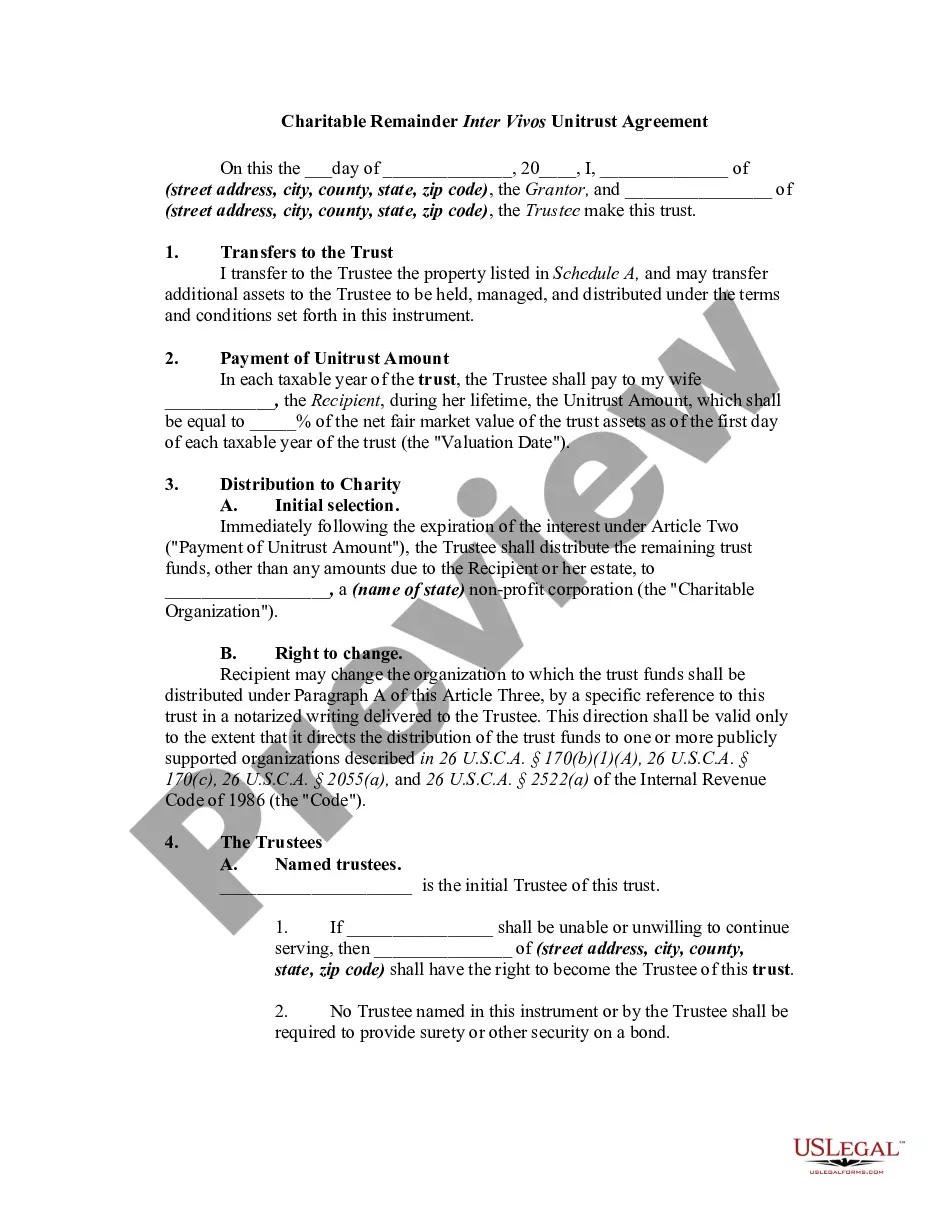
This Deed of Trust (the “Trust Deed”) sets out the terms and conditions upon which: Settlor Name (the “Settlor”), of Settlor Address, settles that property set out in Schedule A (the “Property”) upon Trustee Name (the “Trustee”), being a Company duly registered under the laws of state with registered number ...
All deeds must be filed with the County Recorder's Office. Affidavit of Property Value – Required for every deed or transfer of ownership (except for property that is transferred through quitclaim for no monetary exchange or for a nominal amount.
The certification shall be in the form of an acknowledged declaration signed by all currently acting trustees of the trust. The certification signed by the currently acting trustee may be recorded in the office of the county recorder in the county where all or a portion of the real property is located.
Trustee: The trustee (trust manager) must be 18 years of age or older, have mental capacity and willing to take on the duties associated with managing the trust. Notary: Arizona requires a trust to be notarized for it to be considered legally valid.
First, search by your address or parcel number to locate your property. The current deed will be located under the "Deed Number" under the section "Owner Information". Once you locate your document, you may view an unofficial copy online.
Where to Get a Deed of Trust? To get a Deed of Trust, you must file the proper paperwork with the proper court as generally outlined above. These documents must be filed with the county clerk or recorder, and the lender typically sends them to the recording office after the property closing.
Yes, you can sell a home with a Deed of Trust. However, just like a mortgage, if you're selling the home for less than you owe on it, you'll need approval from the lender.
