Change Deed To Trust In Pennsylvania
Description








Get your form ready online
Our built-in tools help you complete, sign, share, and store your documents in one place.
Make edits, fill in missing information, and update formatting in US Legal Forms—just like you would in MS Word.
Download a copy, print it, send it by email, or mail it via USPS—whatever works best for your next step.
Sign and collect signatures with our SignNow integration. Send to multiple recipients, set reminders, and more. Go Premium to unlock E-Sign.
If this form requires notarization, complete it online through a secure video call—no need to meet a notary in person or wait for an appointment.
We protect your documents and personal data by following strict security and privacy standards.

Make edits, fill in missing information, and update formatting in US Legal Forms—just like you would in MS Word.

Download a copy, print it, send it by email, or mail it via USPS—whatever works best for your next step.

Sign and collect signatures with our SignNow integration. Send to multiple recipients, set reminders, and more. Go Premium to unlock E-Sign.

If this form requires notarization, complete it online through a secure video call—no need to meet a notary in person or wait for an appointment.

We protect your documents and personal data by following strict security and privacy standards.
Looking for another form?









Form popularity
FAQ
This can only be done by recording a new deed showing the change. A transaction must take place between the old owners and the new owners. Many people think they just come to the office and change the present deed on record. However, once a document is recorded, it cannot be changed.
Overall, establishing a trust for your home in Pennsylvania can streamline the process of transferring property, offer enhanced protection, and provide peace of mind that your estate will be managed ing to your wishes.
Summary. Placing a mortgaged property in a trust is possible and common, although key considerations must be taken into account. Some considerations to keep in mind are mortgage payments, refinancing, and the due-on-sale clause.
A living trust does not protect your assets from a lawsuit. Living trusts are revocable, meaning you remain in control of the assets and you are the legal owner until your death. Because you legally still own these assets, someone who wins a verdict against you can likely gain access to these assets.
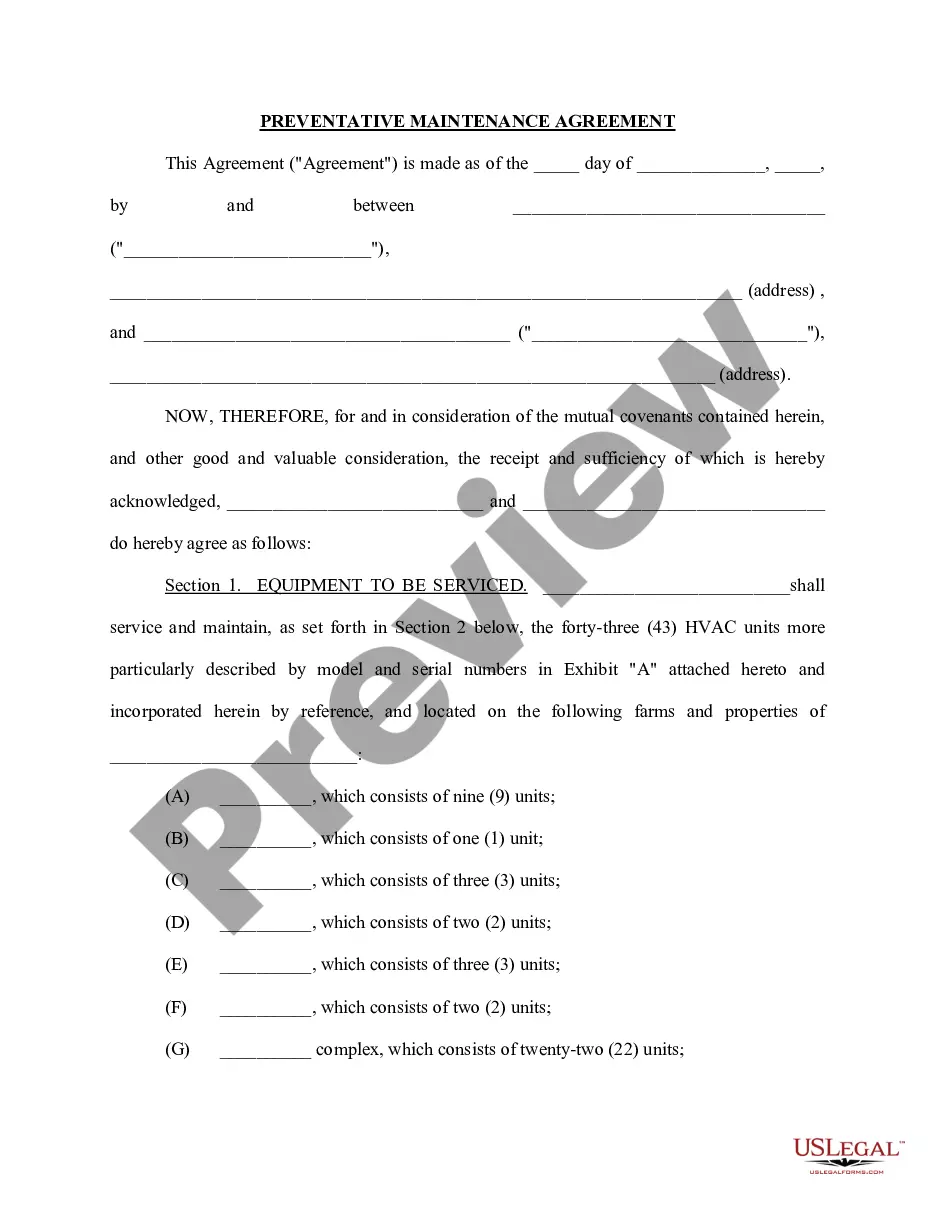
A Deed to Trust form used to transfer the grantor's title and interest in real property in Pennsylvania to a trustee of a trust for the grantor's benefit. This standard document allows the drafter to choose between warranty and quitclaim deed language.
How to create a living trust in Pennsylvania in 7 steps Choose between an individual or joint trust. Decide what property to include in the trust. Choose a trustee. Decide who will be the trust's beneficiaries. Create the living trust document. Sign the trust document in front of a notary. Transfer property to the trust.
Can I Transfer a Deed Without an Attorney? The state of Pennsylvania does not require an attorney, but we strongly recommend it.