Trust Deed Form In Hindi In Ohio
Description


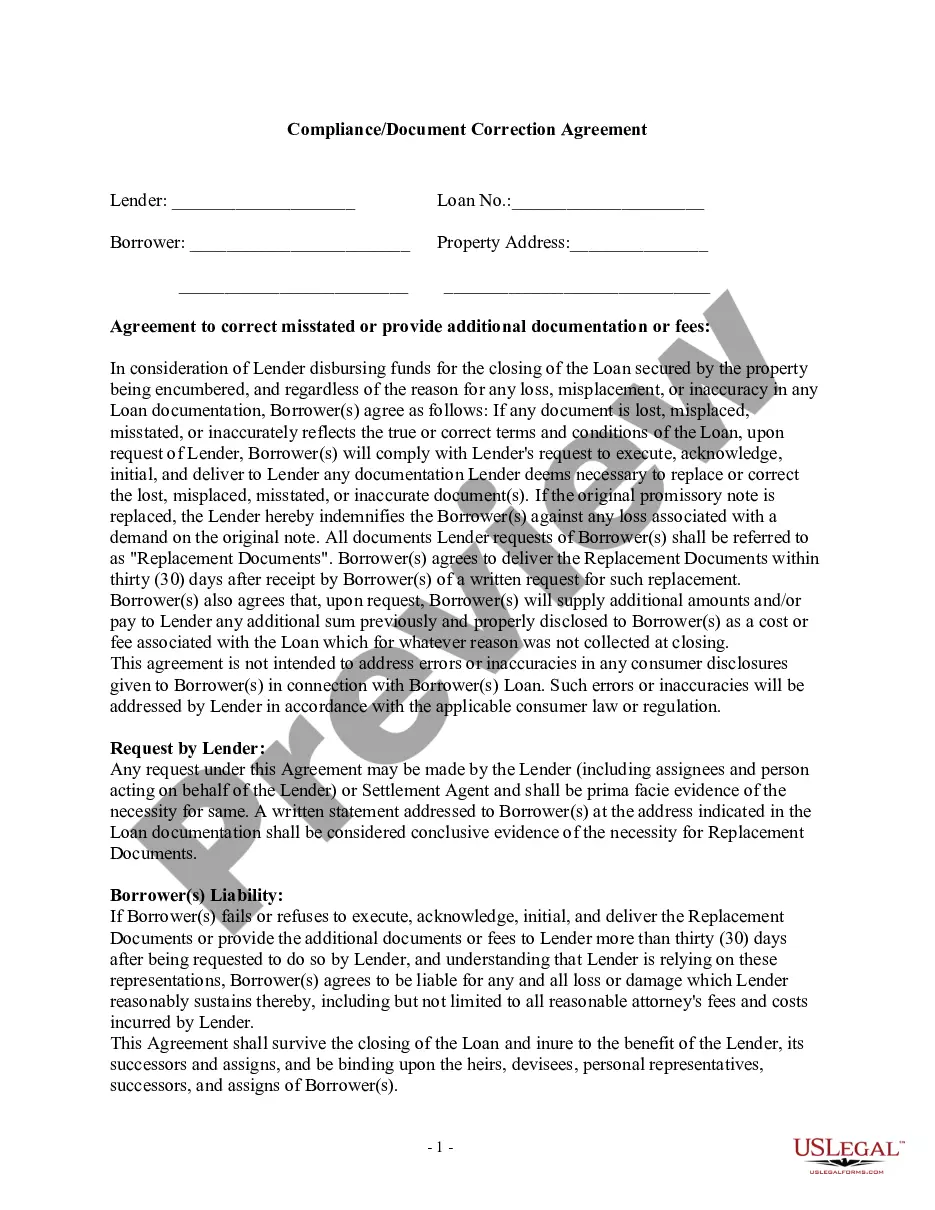

Get your form ready online
Our built-in tools help you complete, sign, share, and store your documents in one place.
Make edits, fill in missing information, and update formatting in US Legal Forms—just like you would in MS Word.
Download a copy, print it, send it by email, or mail it via USPS—whatever works best for your next step.
Sign and collect signatures with our SignNow integration. Send to multiple recipients, set reminders, and more. Go Premium to unlock E-Sign.
If this form requires notarization, complete it online through a secure video call—no need to meet a notary in person or wait for an appointment.
We protect your documents and personal data by following strict security and privacy standards.

Make edits, fill in missing information, and update formatting in US Legal Forms—just like you would in MS Word.

Download a copy, print it, send it by email, or mail it via USPS—whatever works best for your next step.

Sign and collect signatures with our SignNow integration. Send to multiple recipients, set reminders, and more. Go Premium to unlock E-Sign.

If this form requires notarization, complete it online through a secure video call—no need to meet a notary in person or wait for an appointment.

We protect your documents and personal data by following strict security and privacy standards.
Looking for another form?






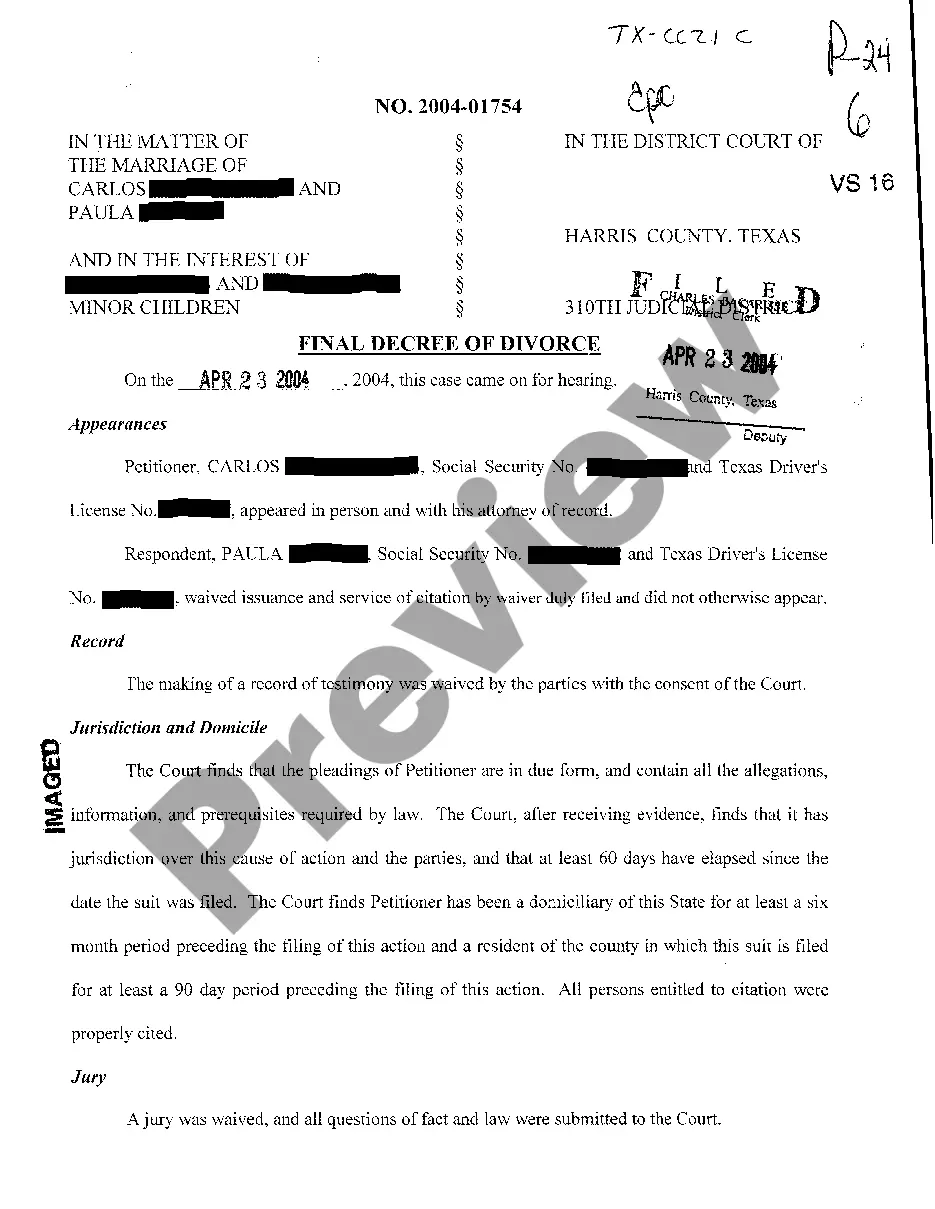



Form popularity
FAQ
This Deed of Trust (the “Trust Deed”) sets out the terms and conditions upon which: Settlor Name (the “Settlor”), of Settlor Address, settles that property set out in Schedule A (the “Property”) upon Trustee Name (the “Trustee”), being a Company duly registered under the laws of state with registered number ...
Requirement for registration of Trust Deed with the Local Registrar under the Indian Trusts Act, 1882: Trust Deed on stamp paper of requisite value. One passport size photograph & copy of the proof of identity of the settlor. One passport size photograph & copy of the proof of identity of each of the two trustees.
At Littlejohn Law, for you to avoid the house from going to probate, my team and I would create a survivorship deed or transfer of death deed. Both deeds are legal mechanisms that avoid the probate court. In other words, the transfer happens automatically as a matter of law.
Deed not recognized in Ohio: Ohio does not recognize joint tenancy with right of survivorship—a common-law form of joint ownership under which a surviving co-owner automatically receives a deceased co-owner's interest.
But Ohio law is clear that recording a deed is not required to pass title. Whether recorded or not, a deed in Ohio passes title upon its proper execution and delivery to the grantee. The law states that actual delivery of the document is sufficient to transfer ownership between the parties.
Where to Get a Deed of Trust? To get a Deed of Trust, you must file the proper paperwork with the proper court as generally outlined above. These documents must be filed with the county clerk or recorder, and the lender typically sends them to the recording office after the property closing.
Contrary to the law and established custom in other states, the expression “to have and to hold” (called the “habendum clause” of a deed) is not necessary, nor are witnesses or seal required. The deed should be dated, but this too is not necessary to its validity.
First, the grantor works with an attorney who writes the trust document based on the grantor's wishes for the distribution of specific assets. The grantor then chooses a responsible individual or firm to serve as trustee — holding and administering the assets for the benefit of the beneficiary.
Create the trust document. You can get help from an attorney or use WillMaker & Trust (see below). Sign the document in front of a notary public. Change the title of any trust property that has a title document—such as your house or car—to reflect that you now own the property as trustee of the trust.
