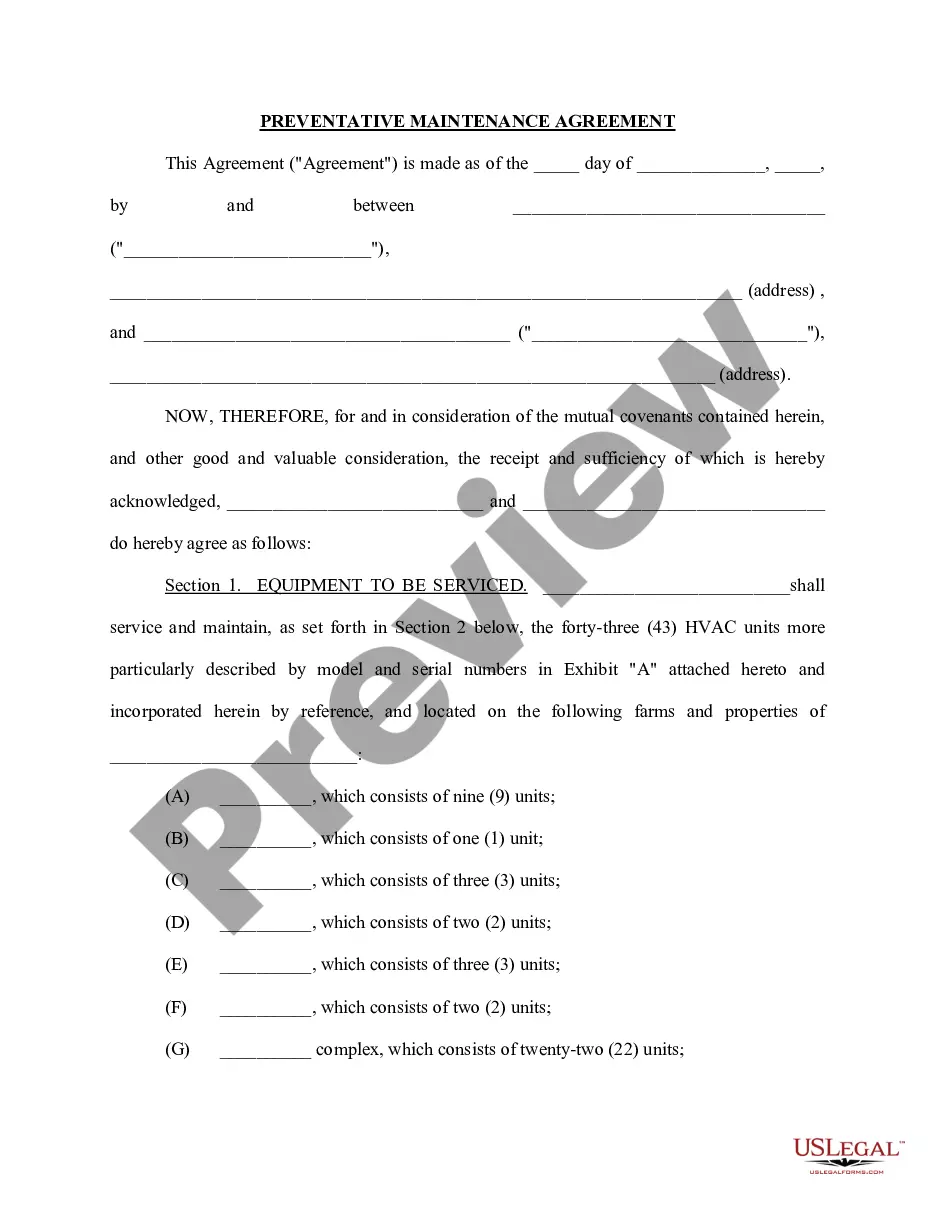
Deed Of Trust Modification Form With Two Points In New York
Description



Get your form ready online
Our built-in tools help you complete, sign, share, and store your documents in one place.
Make edits, fill in missing information, and update formatting in US Legal Forms—just like you would in MS Word.
Download a copy, print it, send it by email, or mail it via USPS—whatever works best for your next step.
Sign and collect signatures with our SignNow integration. Send to multiple recipients, set reminders, and more. Go Premium to unlock E-Sign.
If this form requires notarization, complete it online through a secure video call—no need to meet a notary in person or wait for an appointment.
We protect your documents and personal data by following strict security and privacy standards.

Make edits, fill in missing information, and update formatting in US Legal Forms—just like you would in MS Word.

Download a copy, print it, send it by email, or mail it via USPS—whatever works best for your next step.

Sign and collect signatures with our SignNow integration. Send to multiple recipients, set reminders, and more. Go Premium to unlock E-Sign.

If this form requires notarization, complete it online through a secure video call—no need to meet a notary in person or wait for an appointment.

We protect your documents and personal data by following strict security and privacy standards.
Looking for another form?









Form popularity
FAQ
Capp (1893) 99 Cal. 153, 157.) Next, the Statute of Frauds requires that the document be signed by the party whom the document is being enforced against. Therefore, a deed of trust needs to be signed by the trustor.
The mortgagee is not a party to a deed of trust transaction. The key parties involved in a deed of trust are the beneficiary, trustor, and trustee. The beneficiary is the lender who receives the benefit of the security interest in the property from the trustor, who is the borrower.
Yes, you can sell a home with a Deed of Trust. However, just like a mortgage, if you're selling the home for less than you owe on it, you'll need approval from the lender.
Number of Parties In contrast, a trust deed involves three parties: a borrower (or trustor), a lender (or beneficiary), and the trustee. The trustee holds title to the lien for the lender's benefit; if the borrower defaults, the trustee will initiate and complete the foreclosure process at the lender's request.
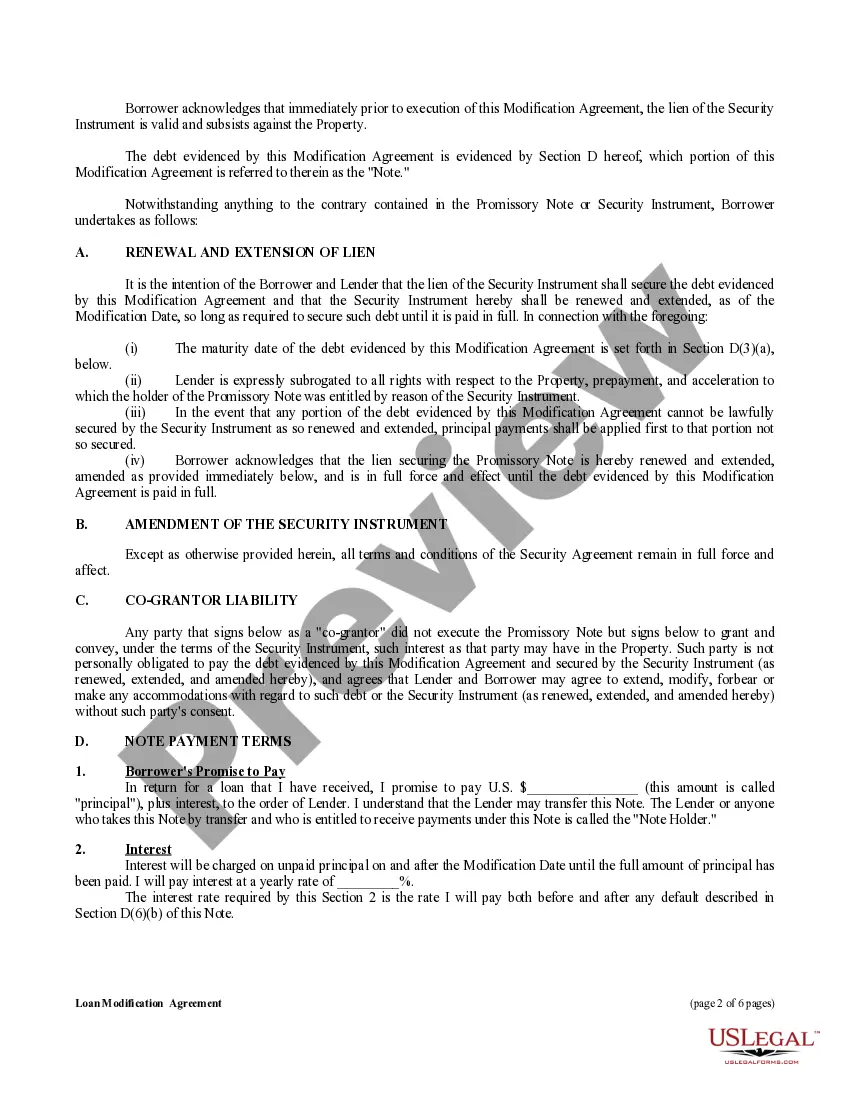
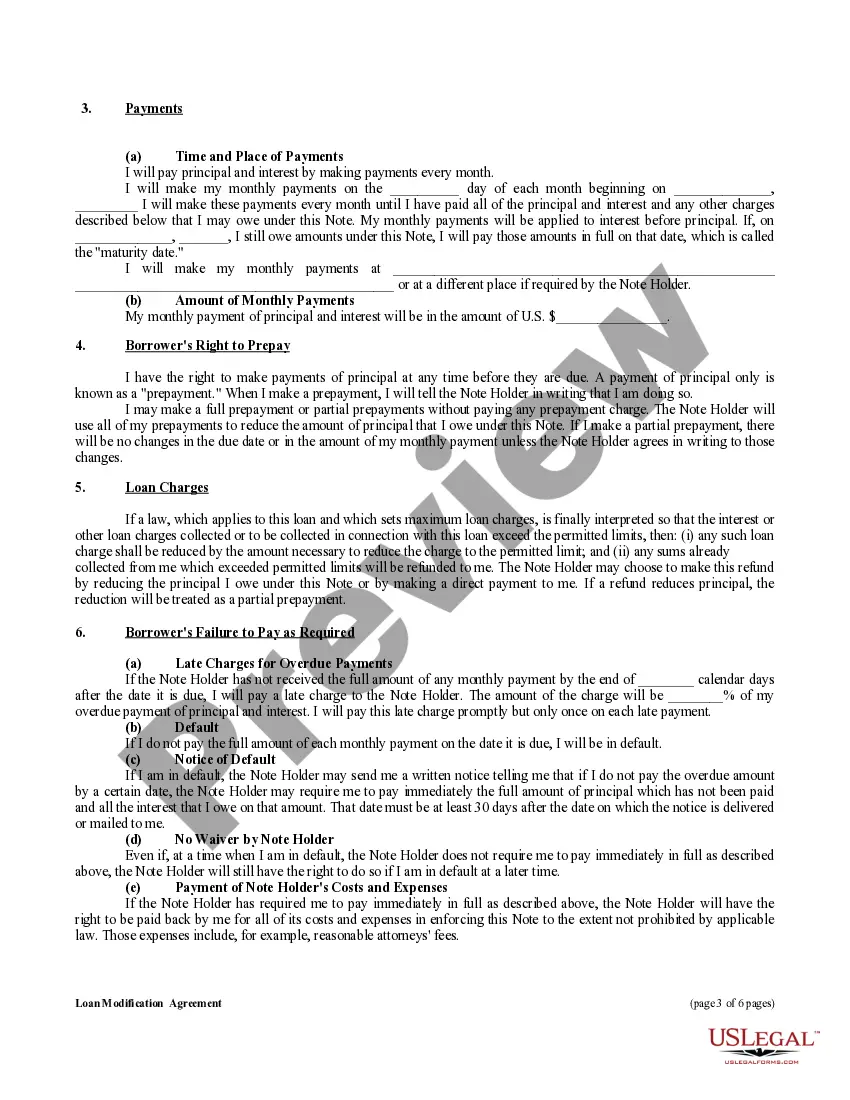
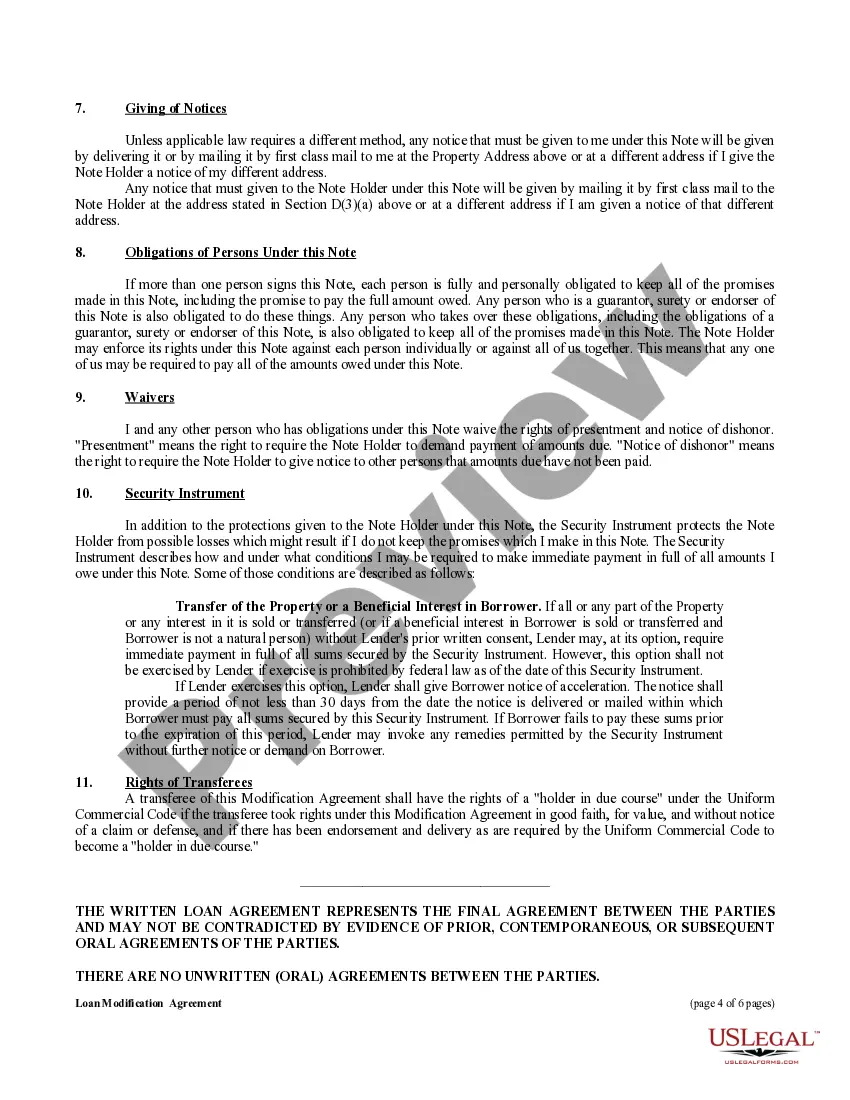
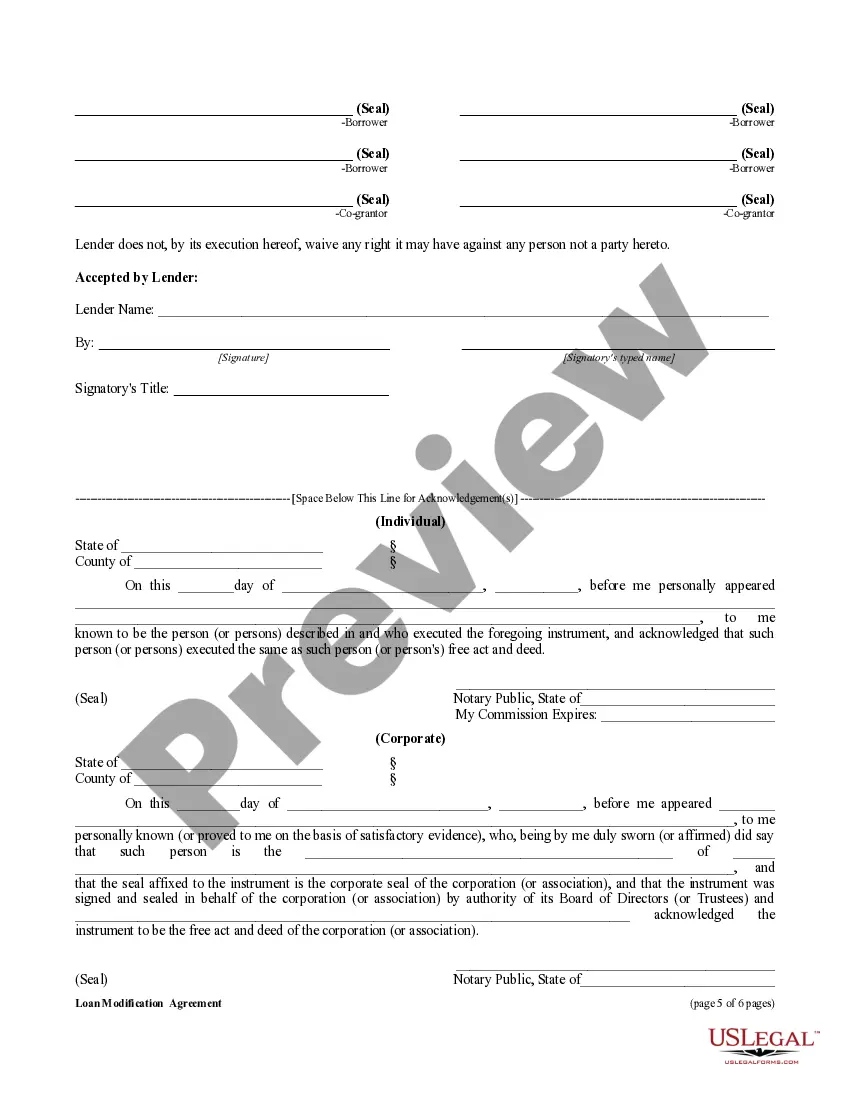
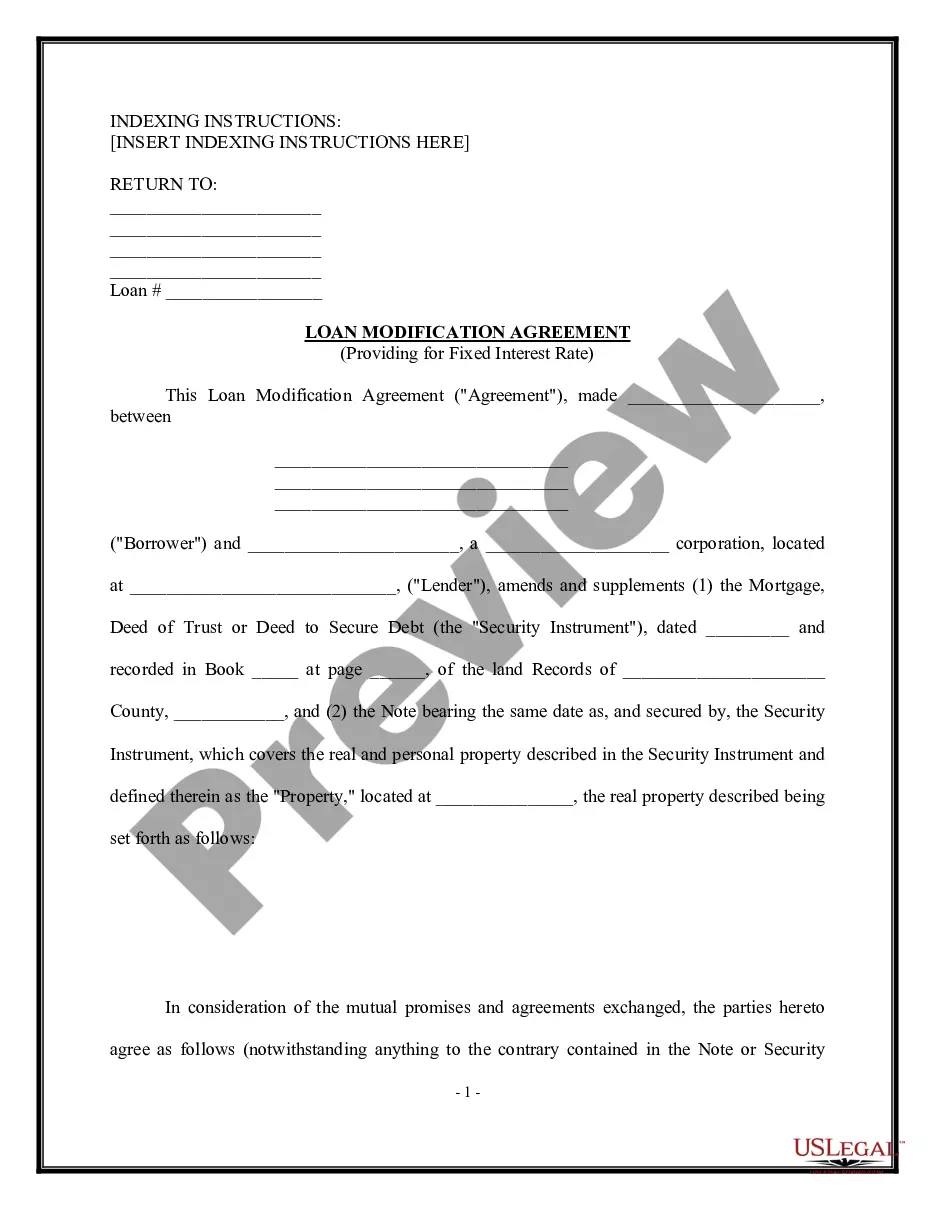
Deed of Trust Modification means, with respect to any Deed of Trust, a modification agreement entered into between the Borrower or the Project Owner, as applicable, and the Lender, modifying the terms and conditions of the Deed of Trust in order to (i) add to the lien of the Deed of Trust Additional Lots, or (ii) make ...
A deed of trust refers to a type of legal instrument which is used to create a security interest in real property and real estate.
You are able to enter into more than one trust deed, but you must have been discharged from the first before you enter into a second arrangement.
In real estate law, "assignment" is simply the transfer of a deed of trust from one party to another.
The terms of a trust can only be validly amended when the amendment complies with the existing trust deed and rules. We assist by reviewing the existing trust rules and providing amendment documentation that ensure that the variation of trust terms remain compliant and effective. What's included: letter of advice.
A deed of trust can benefit the lender because it allows for a faster and simpler way to foreclose on a home — typically months or even years faster.