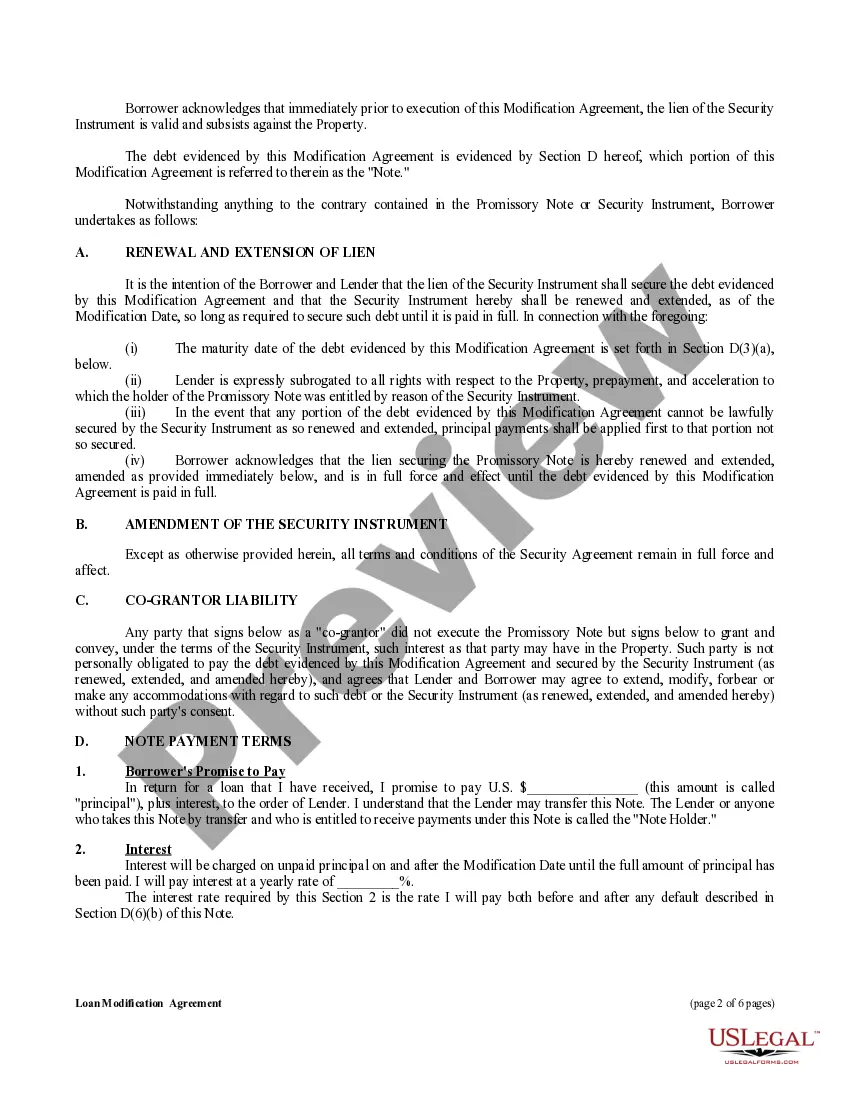
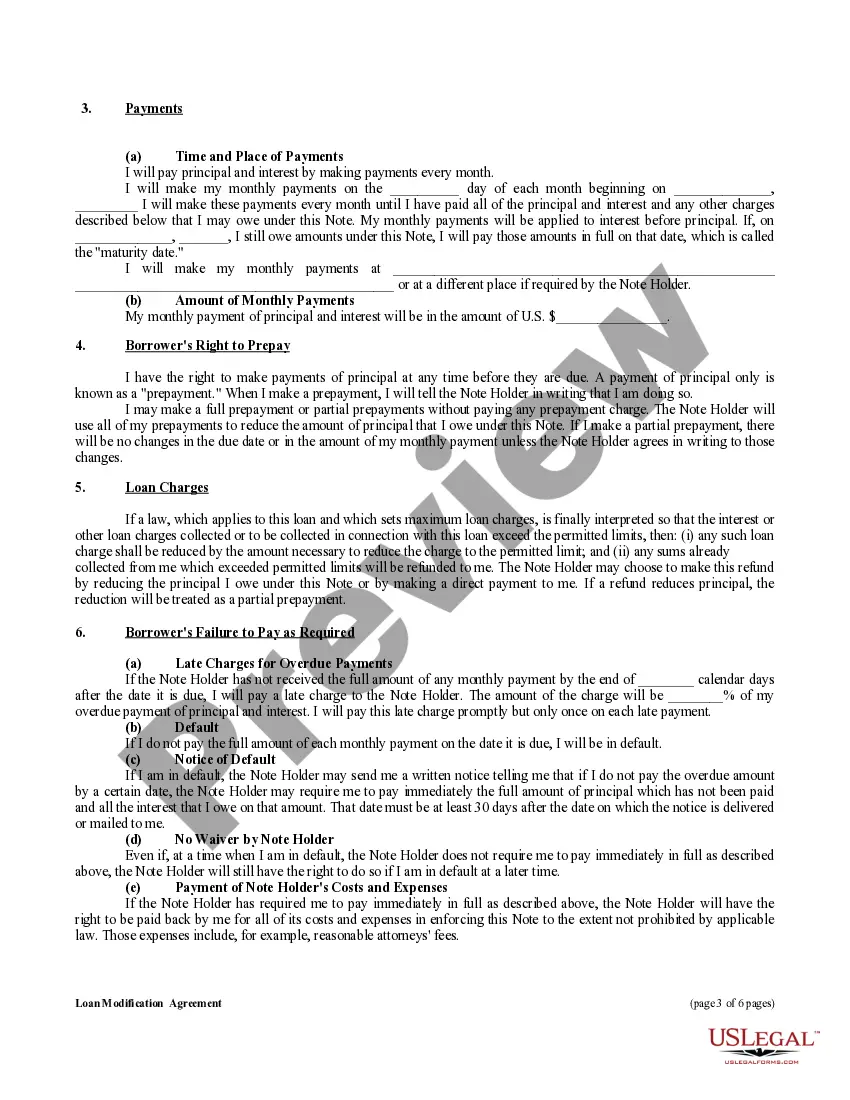
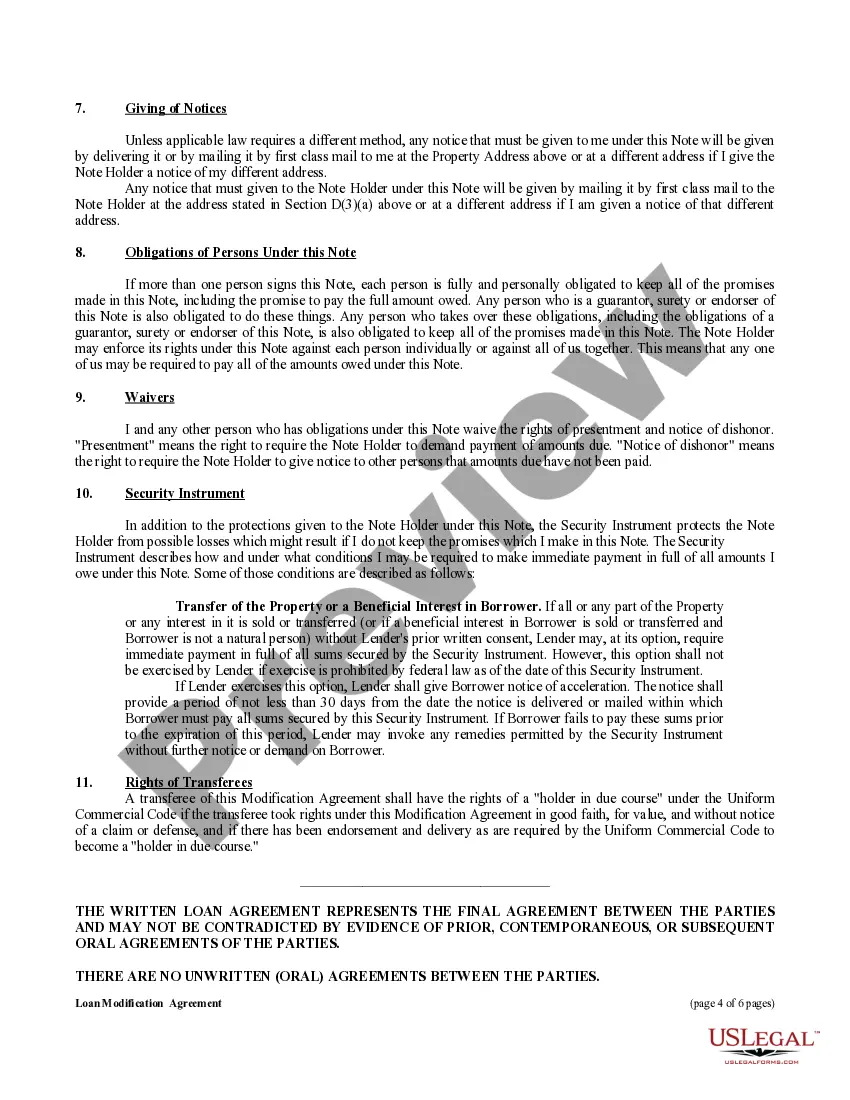
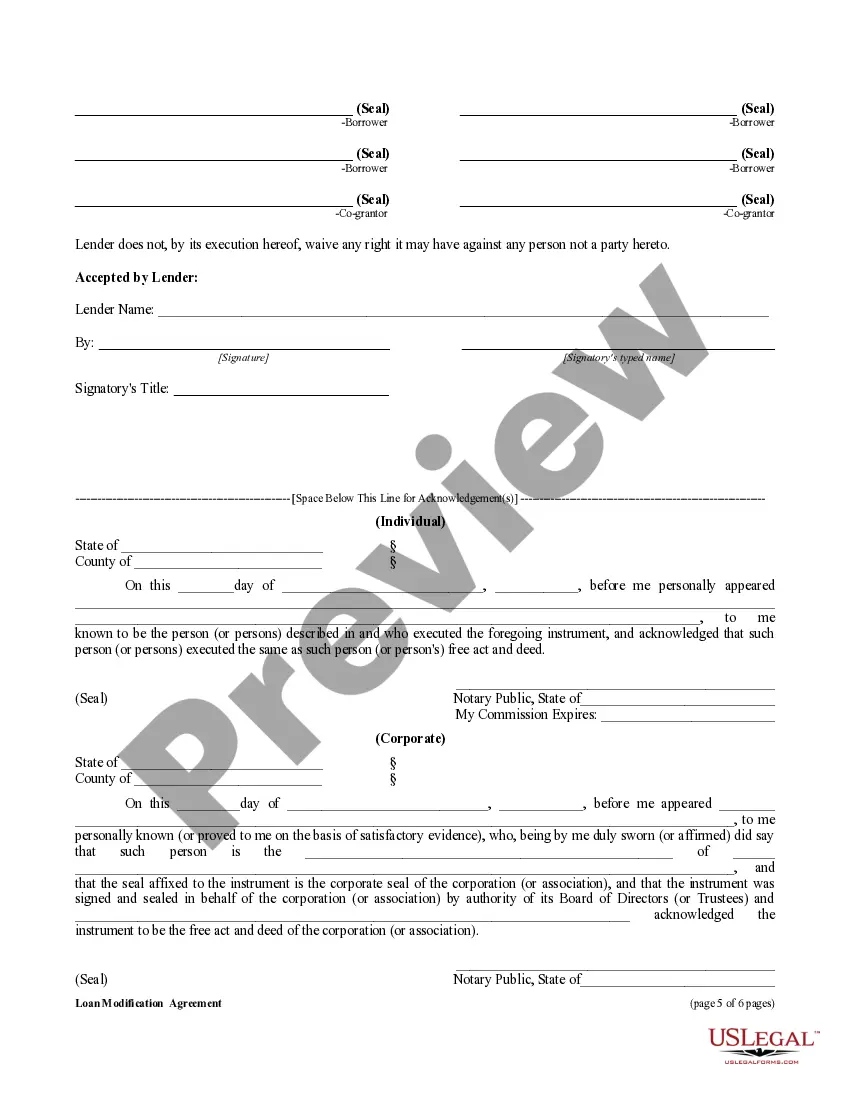
Modification Deed Trust Form For California In Middlesex
Description



Get your form ready online
Our built-in tools help you complete, sign, share, and store your documents in one place.
Make edits, fill in missing information, and update formatting in US Legal Forms—just like you would in MS Word.
Download a copy, print it, send it by email, or mail it via USPS—whatever works best for your next step.
Sign and collect signatures with our SignNow integration. Send to multiple recipients, set reminders, and more. Go Premium to unlock E-Sign.
If this form requires notarization, complete it online through a secure video call—no need to meet a notary in person or wait for an appointment.
We protect your documents and personal data by following strict security and privacy standards.

Make edits, fill in missing information, and update formatting in US Legal Forms—just like you would in MS Word.

Download a copy, print it, send it by email, or mail it via USPS—whatever works best for your next step.

Sign and collect signatures with our SignNow integration. Send to multiple recipients, set reminders, and more. Go Premium to unlock E-Sign.

If this form requires notarization, complete it online through a secure video call—no need to meet a notary in person or wait for an appointment.

We protect your documents and personal data by following strict security and privacy standards.
Looking for another form?
Form popularity
FAQ
A modification is a change or alteration, usually to make something work better. If you want to change something — in other words, modify it — you need to make a modification. Lots of things require modification, because they get older or just because they can be improved.
Deed of Trust Modification means, with respect to any Deed of Trust, a modification agreement entered into between the Borrower or the Project Owner, as applicable, and the Lender, modifying the terms and conditions of the Deed of Trust in order to (i) add to the lien of the Deed of Trust Additional Lots, or (ii) make ...
If you want to add your new spouse to your property deed, you can usually do this through a quitclaim deed. Depending on where you live, you may be able to create a new deed yourself, but in some locations you may need to get it notarized, file it with your county clerk, and/or utilize an attorney.
Here is the rough outline: Select the trust that is best suited to your needs, such as a revocable living trust. Draft a trust deed and have it notarized so that it is legally binding. Record the deed at the county recorder's office. Notify the relevant parties, such as your mortgage lender and insurance provider.
The short answer is that a living trust is a private document and does not need to be recorded in California. The only time a trust is in a public record is when it contains real estate.
To reform or change a deed, the parties to the deed must bring a legal action before a circuit court requesting that the court “fix” the deed by issuing a judgment or order stating the original intent of the parties, and what needs to be legally changed.
It must: Be in writing. Have an amount which matches the amount on the Note(s) Have a date which matches the date on the Note(s) Have a complete legal description of the property(s) being encumbered (street address only is not sufficient)
Ing to California Trust law: In order for a trust to exist there must be trust property. There must be a Grantor (sometimes referred to as a Settlor or Trustor). A Grantor is the person who transfers the property into the trust and creates the terms of the trust.
Some of the most common reasons trusts are invalid include: Legal formalities were not followed when executing the trust instrument. The trust was created or modified through forgery or another type of fraud. The trust maker was not mentally competent when they created or modified the trust.
To amend a living trust in California, you'll need to create a written amendment document that clearly states the changes you want to make to your trust. Amending your trust allows you to update beneficiaries, change asset distributions, or modify trustee appointments without having to create an entirely new trust.
