Change Deed To Trust In Hillsborough
Description








Get your form ready online
Our built-in tools help you complete, sign, share, and store your documents in one place.
Make edits, fill in missing information, and update formatting in US Legal Forms—just like you would in MS Word.
Download a copy, print it, send it by email, or mail it via USPS—whatever works best for your next step.
Sign and collect signatures with our SignNow integration. Send to multiple recipients, set reminders, and more. Go Premium to unlock E-Sign.
If this form requires notarization, complete it online through a secure video call—no need to meet a notary in person or wait for an appointment.
We protect your documents and personal data by following strict security and privacy standards.

Make edits, fill in missing information, and update formatting in US Legal Forms—just like you would in MS Word.

Download a copy, print it, send it by email, or mail it via USPS—whatever works best for your next step.

Sign and collect signatures with our SignNow integration. Send to multiple recipients, set reminders, and more. Go Premium to unlock E-Sign.

If this form requires notarization, complete it online through a secure video call—no need to meet a notary in person or wait for an appointment.

We protect your documents and personal data by following strict security and privacy standards.
Looking for another form?





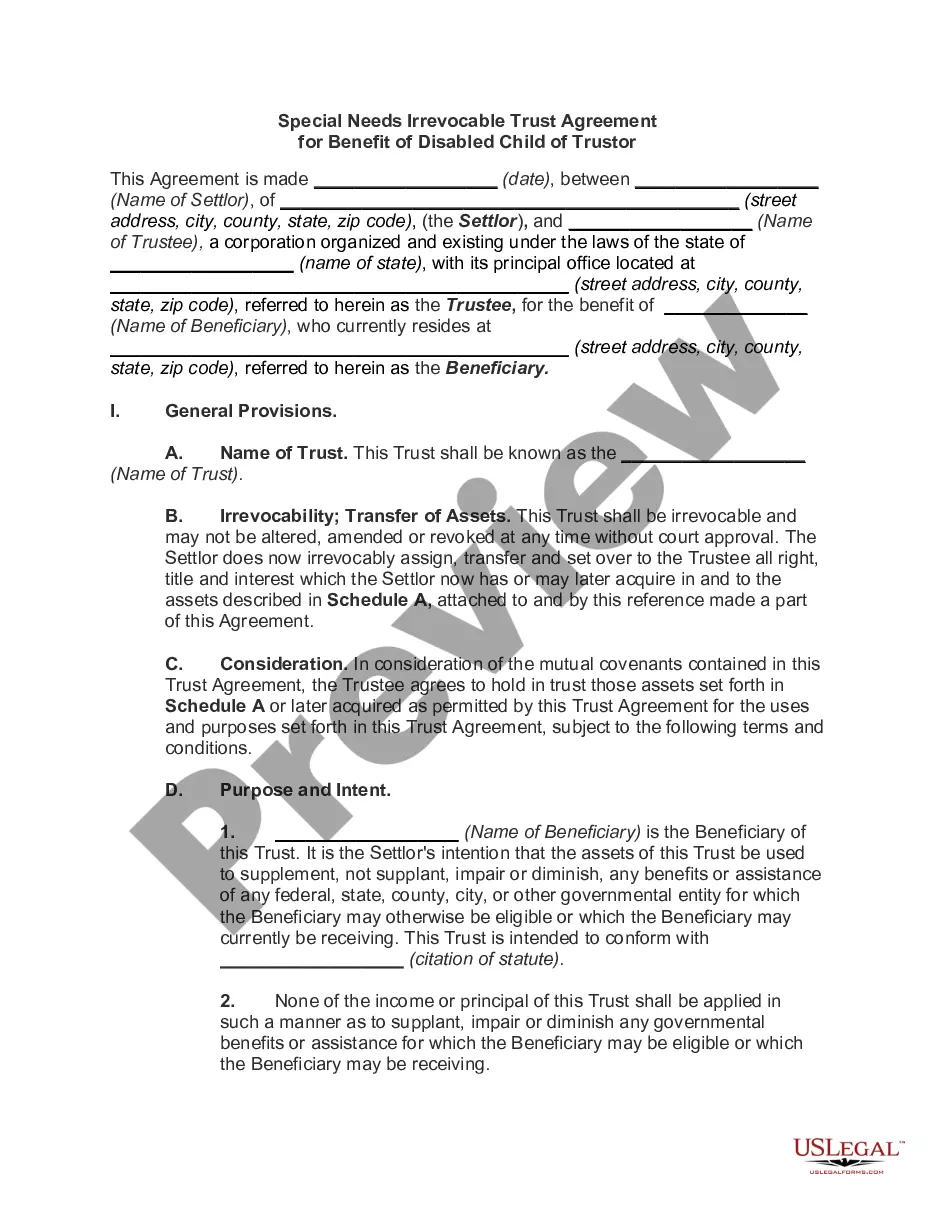
Form popularity
FAQ
Is legal assistance required to update a property deed? No, legal assistance is not strictly required to update a property deed. However, legal guidance can help ensure that the process is completed correctly and efficiently, as property laws can vary significantly by location.
To change a deed in New York City, you will need a deed signed and notarized by the grantor. The deed must also be filed and recorded with the Office of the City Register. Transfer documents identifying if any taxes are due must also be filed and recorded with the City Register.
A properly recorded deed can take anywhere from 14 days to 90 days.
To transfer real property into your Trust, a new deed reflecting the name of the Trust must be executed, notarized and recorded with the County Recorder in the County where the property is located. Care must be taken that the exact legal description in the existing deed appears on the new deed.
A deed of trust can't be changed, but you can update the terms with a deed of variation, or, replace the old deed using a deed of surrender. This will require the consent of all the parties to the declaration.
Essential Steps For How To Put Your House in a Trust in Florida Create a Valid Trust. Choose The Type of Deed. Prepare & Sign The Deed. Notify Your Mortgage Lender. Record The Deed. Update Trust Records. Inform The Trustee.
How Do I Add or Change a Name on my Deed? The only way to change or add a name to a deed is by having a new deed prepared.
In Florida, placing your property into a revocable trust ensures that the property is not reassessed for tax purposes, provided the transfer is executed correctly. This means that your property taxes should not increase solely because you've transferred your home into a trust for your child or any other beneficiary.
To transfer real property into your Trust, a new deed reflecting the name of the Trust must be executed, notarized and recorded with the County Recorder in the County where the property is located. Care must be taken that the exact legal description in the existing deed appears on the new deed.
Disadvantages of Putting Your House in a Trust Loss of Direct Ownership. Potential Complexity and Administrative Burden. Potential for Increased Costs. No Asset Protection Benefits. Limited Tax Advantages. No Protection Against Creditors.