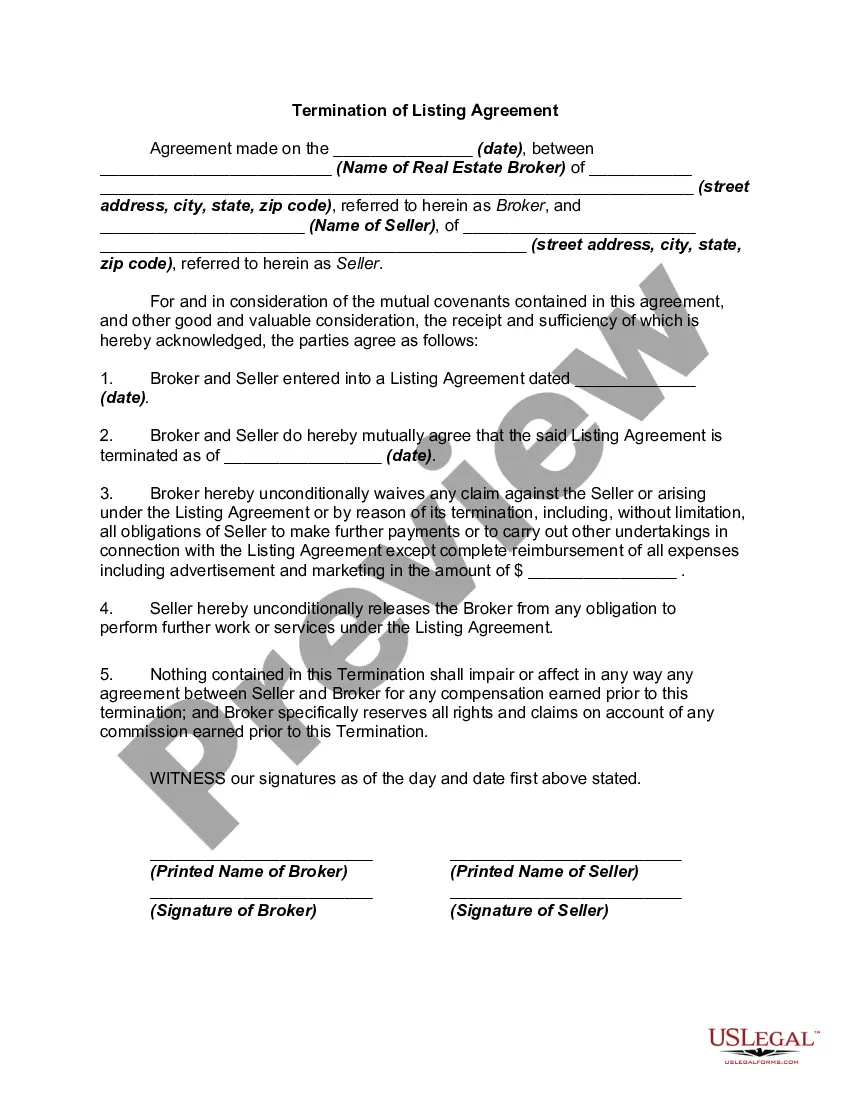
Deed Of Trust Records For A House In Georgia
Description
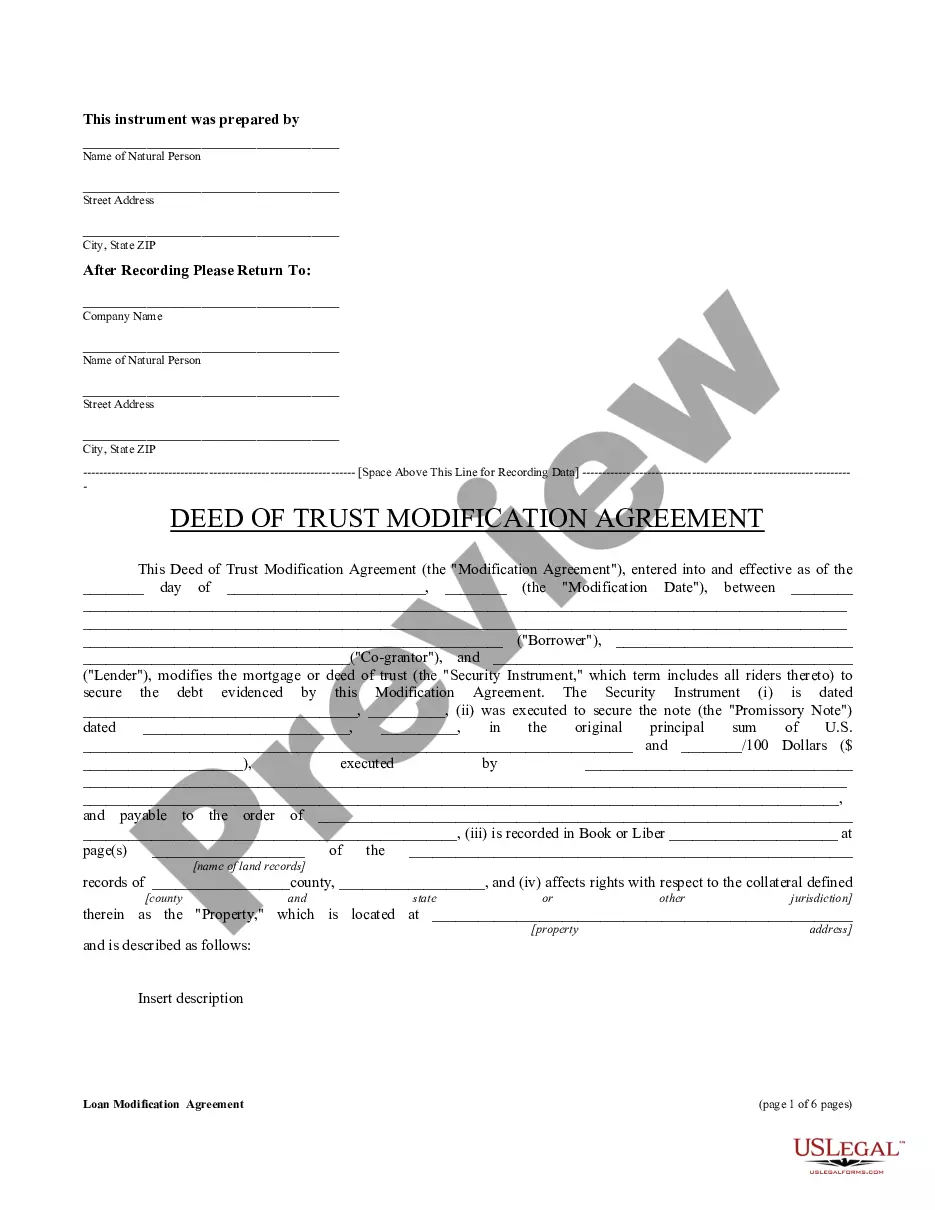
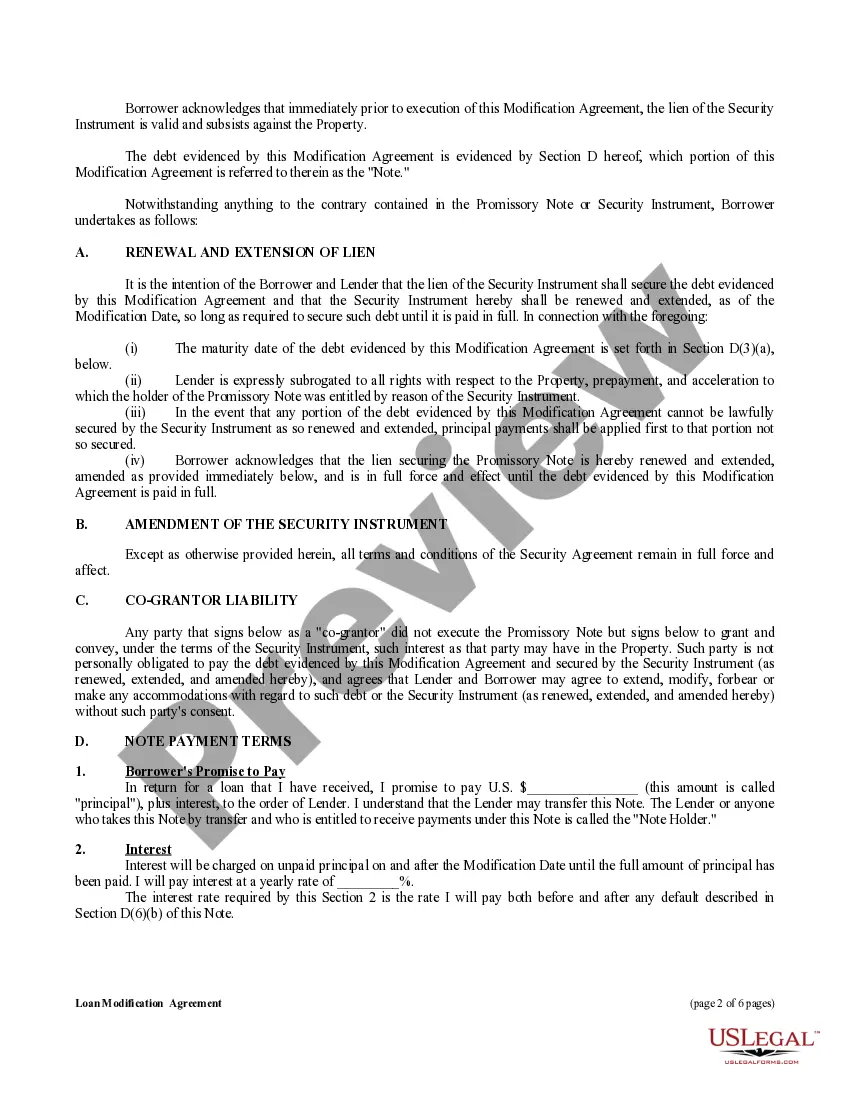
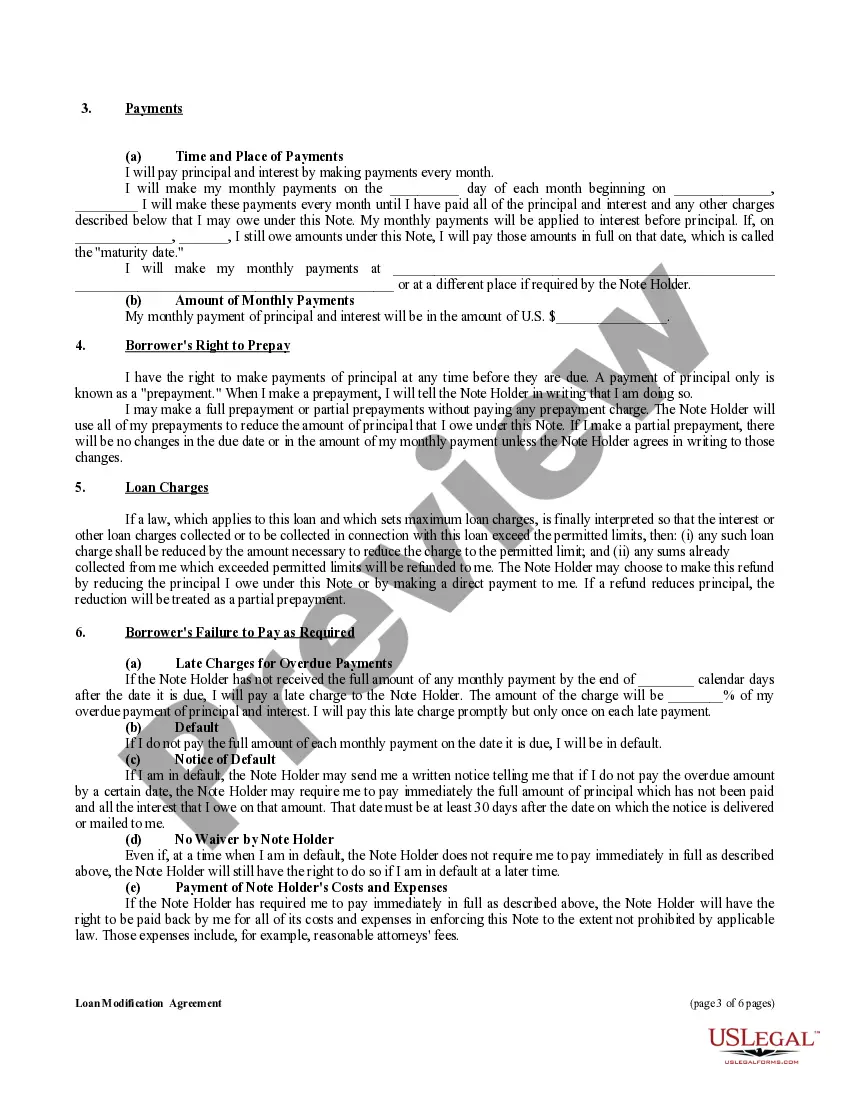
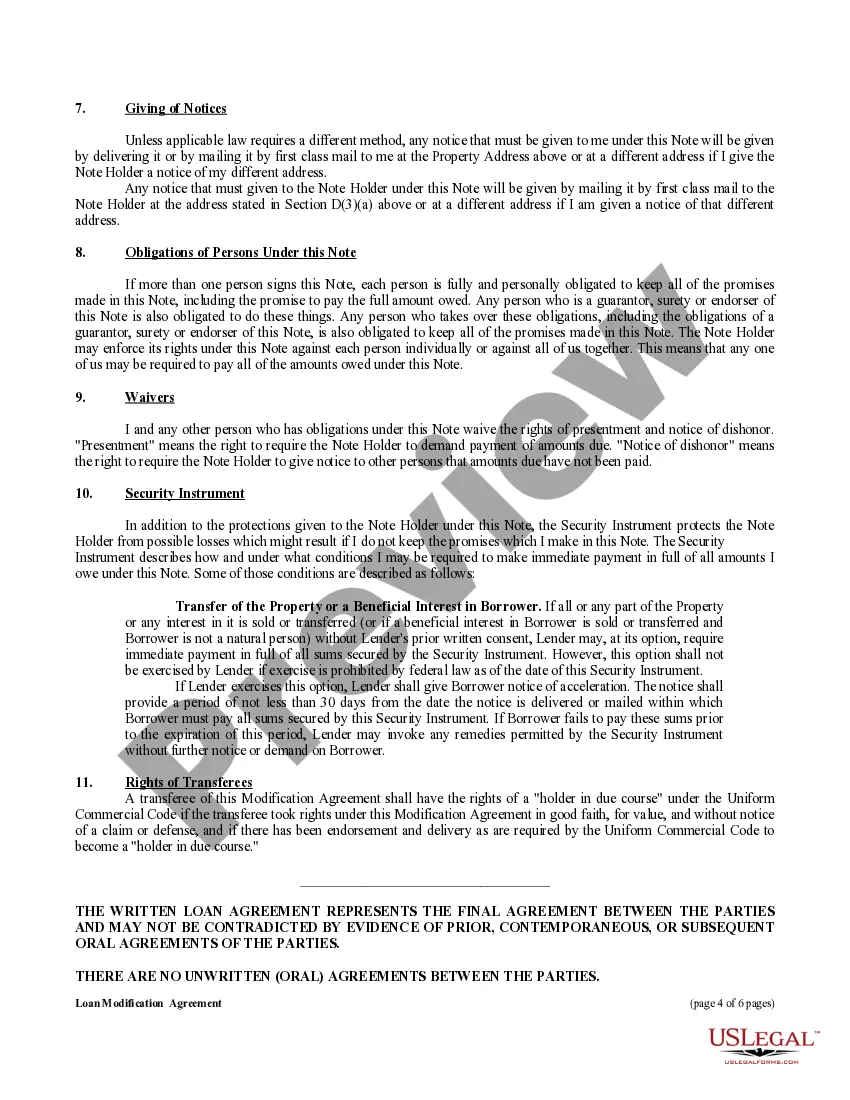
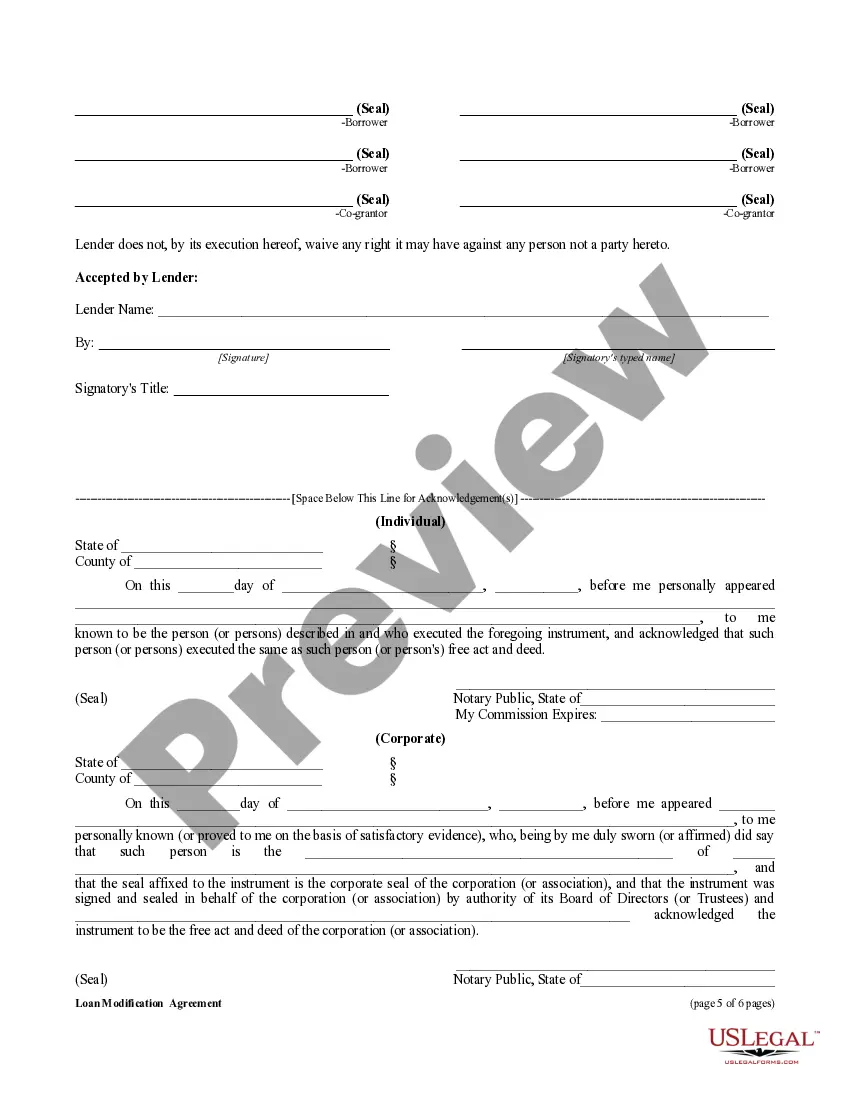

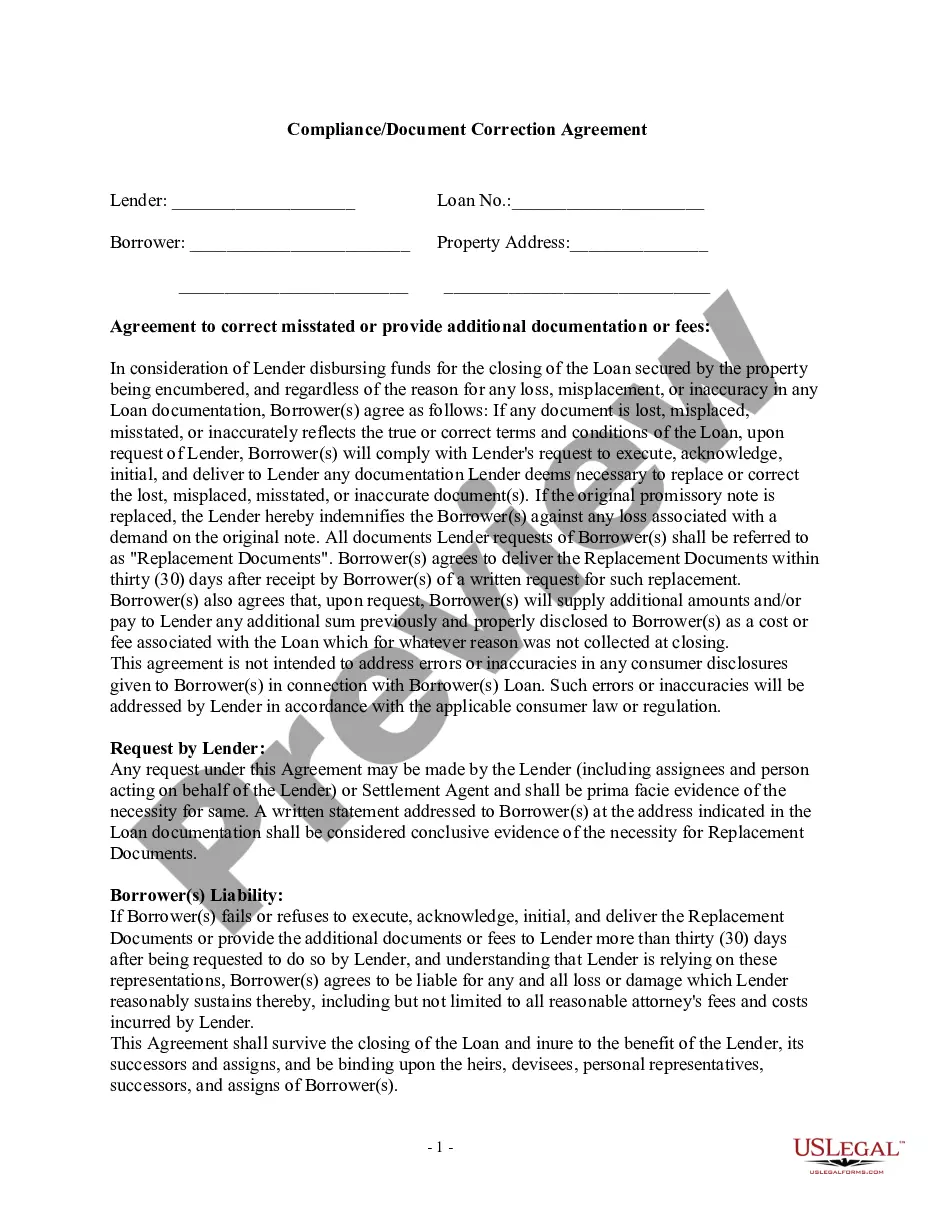
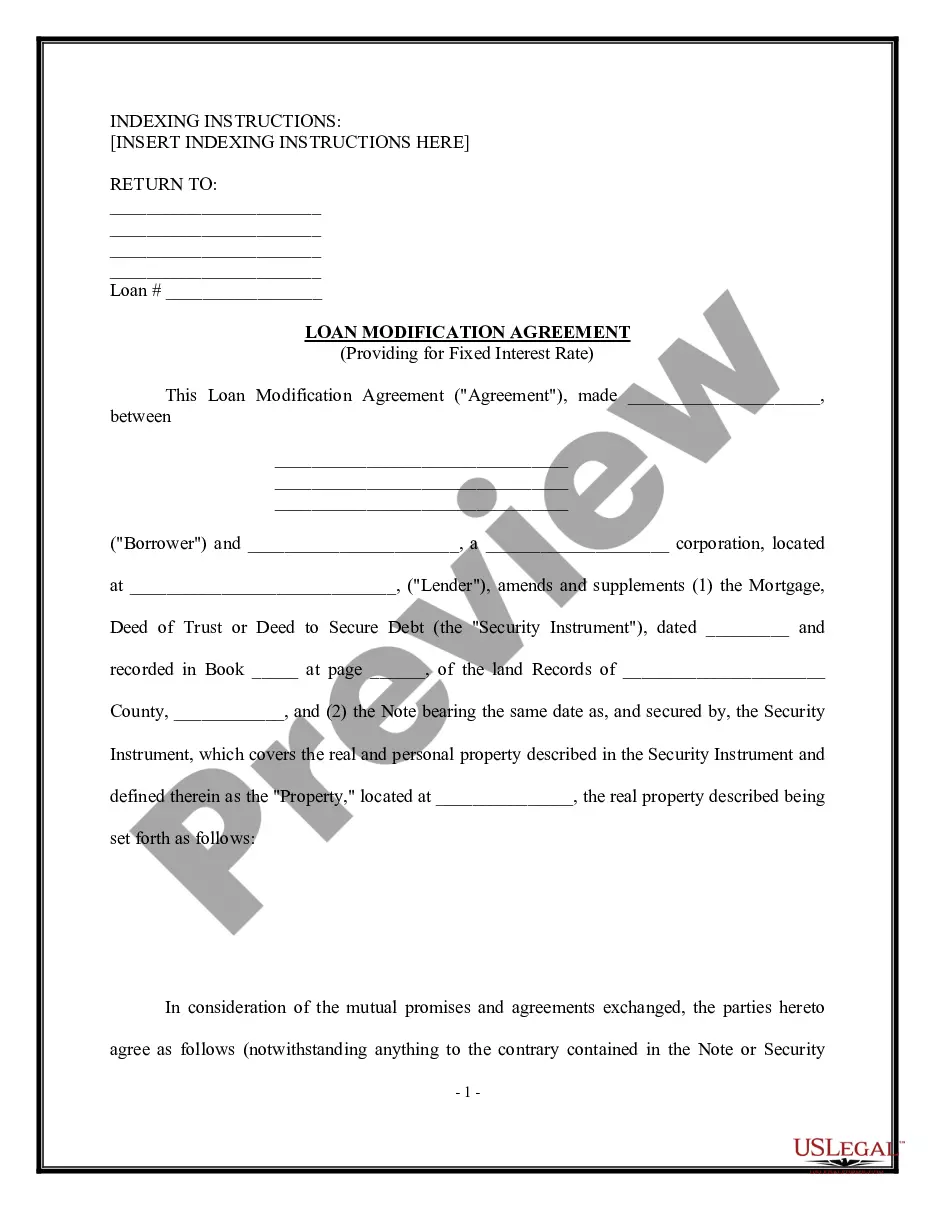
Get your form ready online
Our built-in tools help you complete, sign, share, and store your documents in one place.
Make edits, fill in missing information, and update formatting in US Legal Forms—just like you would in MS Word.
Download a copy, print it, send it by email, or mail it via USPS—whatever works best for your next step.
Sign and collect signatures with our SignNow integration. Send to multiple recipients, set reminders, and more. Go Premium to unlock E-Sign.
If this form requires notarization, complete it online through a secure video call—no need to meet a notary in person or wait for an appointment.
We protect your documents and personal data by following strict security and privacy standards.

Make edits, fill in missing information, and update formatting in US Legal Forms—just like you would in MS Word.

Download a copy, print it, send it by email, or mail it via USPS—whatever works best for your next step.

Sign and collect signatures with our SignNow integration. Send to multiple recipients, set reminders, and more. Go Premium to unlock E-Sign.

If this form requires notarization, complete it online through a secure video call—no need to meet a notary in person or wait for an appointment.

We protect your documents and personal data by following strict security and privacy standards.
Looking for another form?


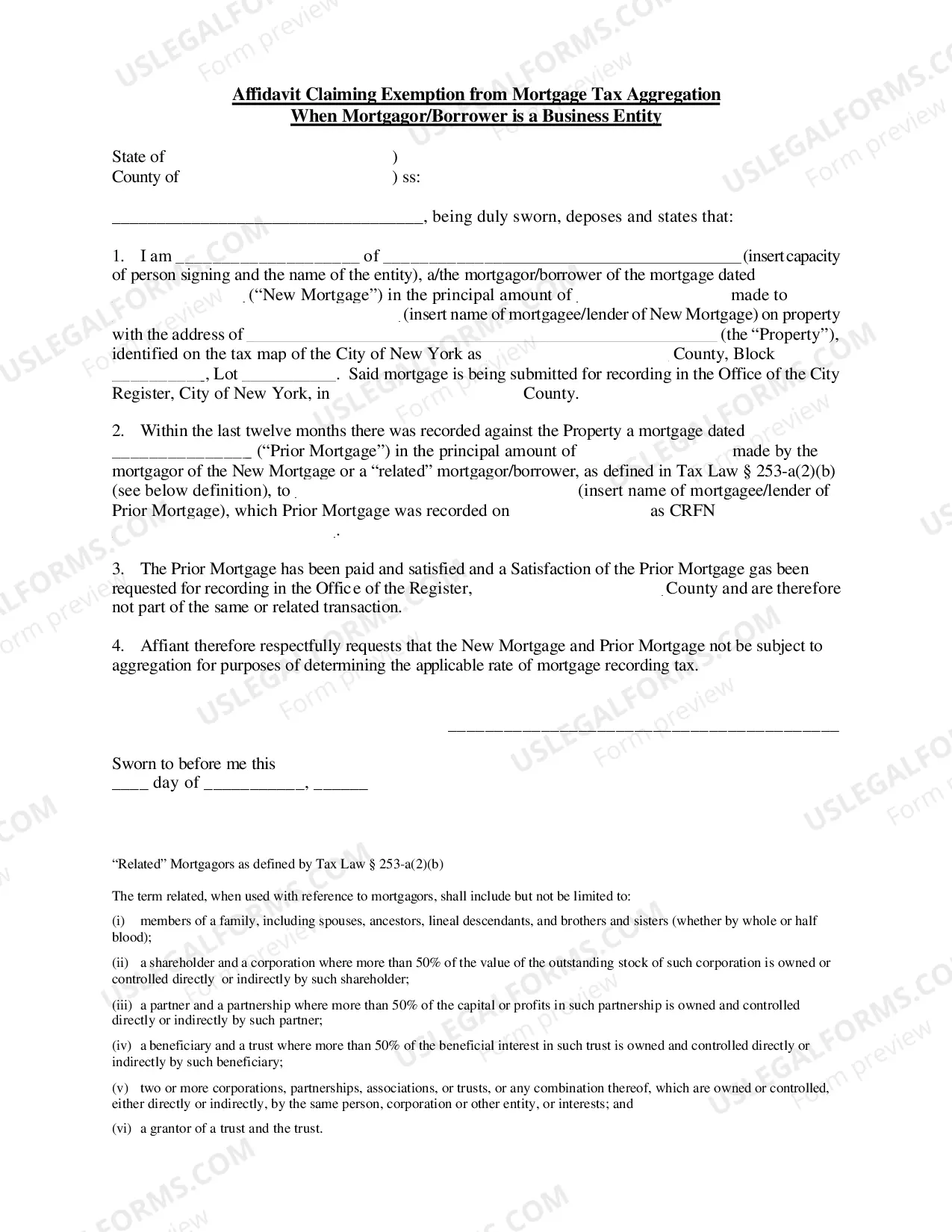
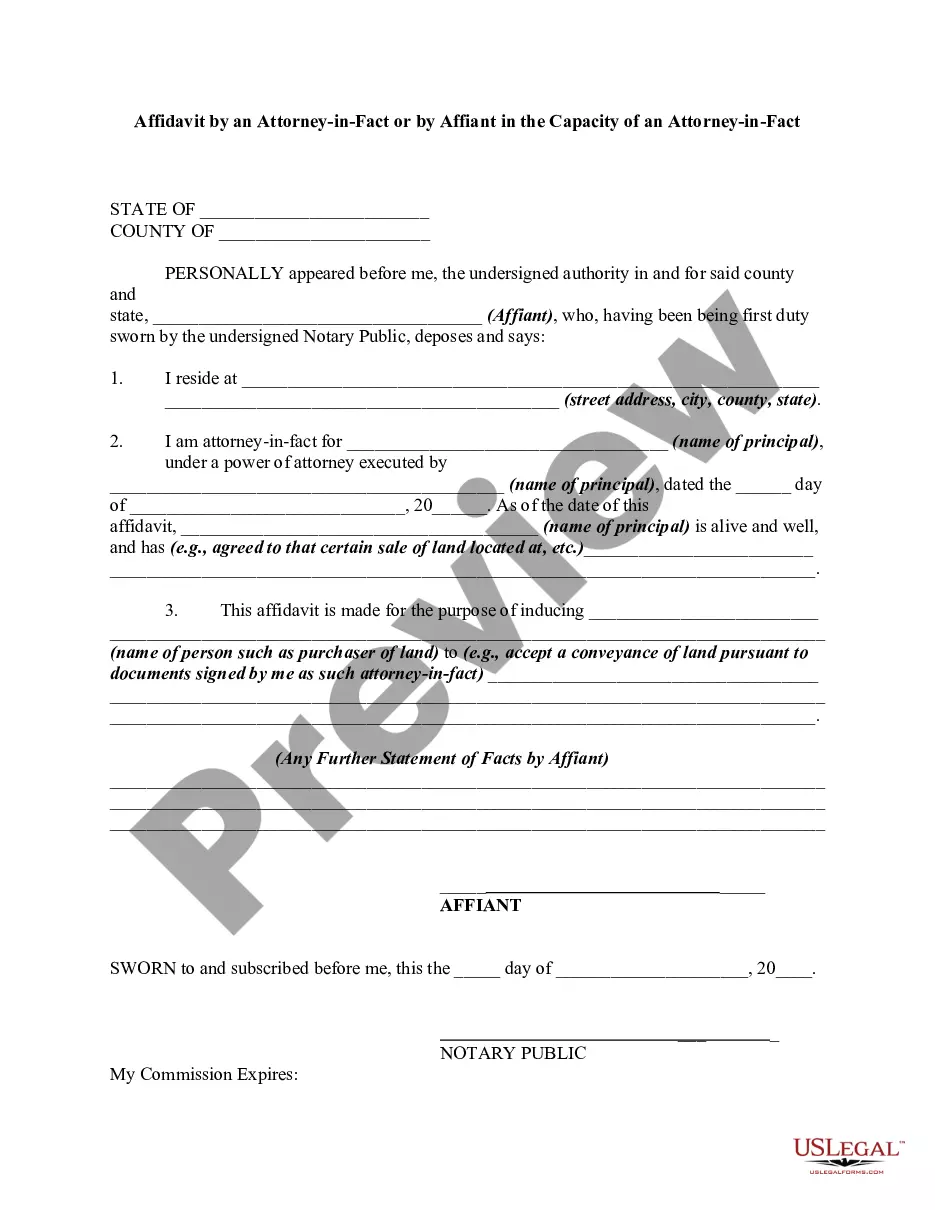
Form popularity
FAQ
The seller's attorney will give the original deed to the buyer's attorney at closing. That original then gets recorded at the clerk's office of the local municipality. The clerk's office scans and records the document into the land records and then sends it to the buyer or their attorney.
When closing on a home, you should receive a copy of your house deed when the title is transferred to you. You can also request an additional copy at any time through your County Recorder's Office or Register of Deeds Office (the official name may vary by location).
When will I receive the deed to my property? Usually you will receive the deed to your property at closing.
Is Georgia a Mortgage State or a Deed of Trust State? Georgia is a Deed of Trust state.
In Georgia, all property records are public. Deeds, liens, mortgages and tax information are available to anyone who wants to pull them.
When closing on a home, you should receive a copy of your house deed when the title is transferred to you. You can also request an additional copy at any time through your County Recorder's office or Register of Deeds office (the official name may vary by location).
Quick Claim Deed Ga While you will not require an attorney for this legal form, it must be signed, and a notary public will be required to notarize the signatures of both parties, the grantor and the grantee. This verifies that both individuals signing the form are who they represent themselves to be.
Deed must be attested, acknowledged, or proven by affidavit. - To admit a deed to record, it must be a perfect deed. It must be attested by two witnesses. It must be attested or acknowledged, if executed in this state, as provided in former Civil Code 1910, § 4202 (see O.C.G.A.
Title searches, examinations, closings and policy production are, ordinarily, performed by non-attorneys. Non-attorney title professionals are permitted to prepare form deeds provided that they are instructed to do so by a licensed realtor or attorney.
"It is the opinion of the State Bar of Georgia that the physical presence of an attorney is required for the preparation and execution of a deed of conveyance (including, but not limited to, a warranty deed, limited warranty deed, quitclaim deed, security deed, and deed to secure debt).