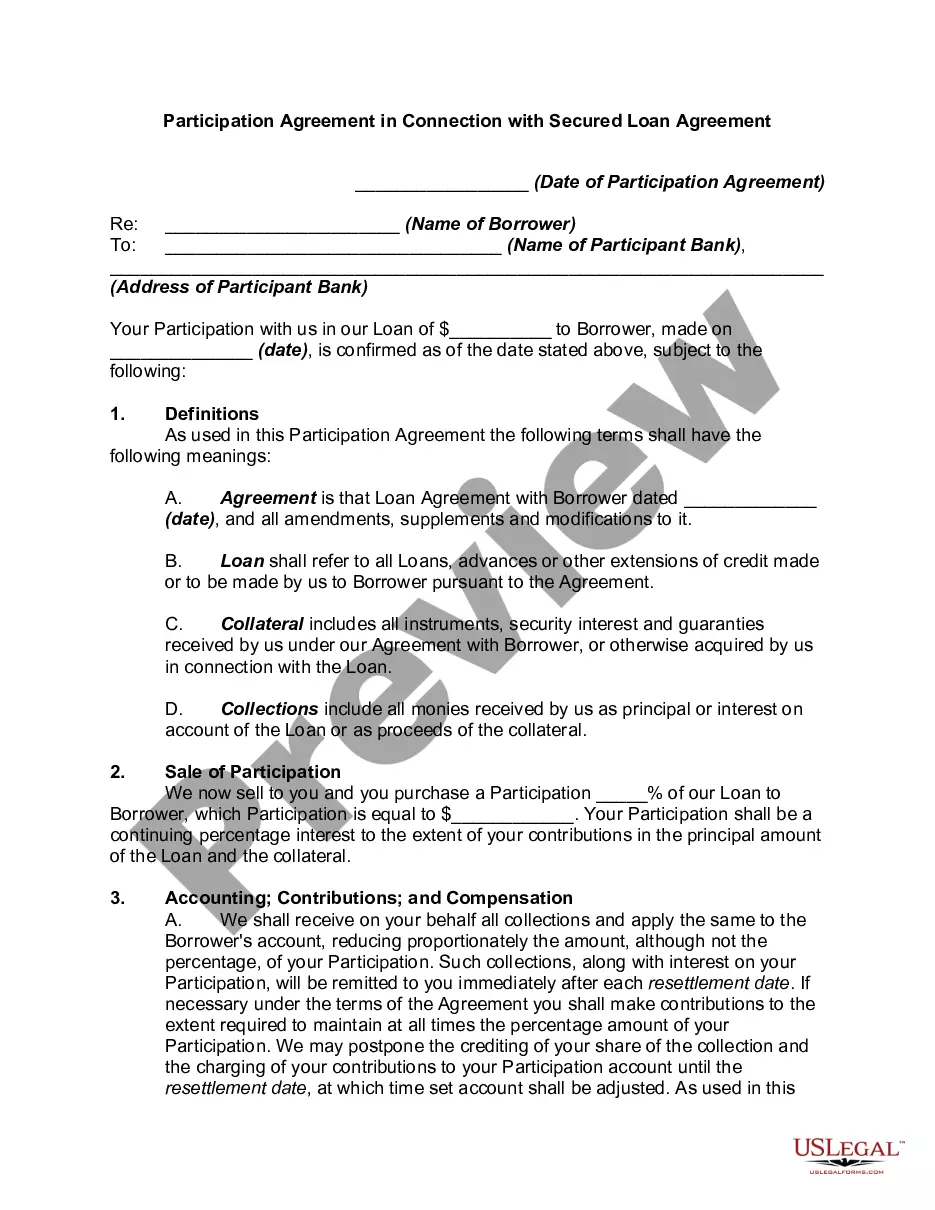
Title Transfer Form For Texas In California
Description








Get your form ready online
Our built-in tools help you complete, sign, share, and store your documents in one place.
Make edits, fill in missing information, and update formatting in US Legal Forms—just like you would in MS Word.
Download a copy, print it, send it by email, or mail it via USPS—whatever works best for your next step.
Sign and collect signatures with our SignNow integration. Send to multiple recipients, set reminders, and more. Go Premium to unlock E-Sign.
If this form requires notarization, complete it online through a secure video call—no need to meet a notary in person or wait for an appointment.
We protect your documents and personal data by following strict security and privacy standards.

Make edits, fill in missing information, and update formatting in US Legal Forms—just like you would in MS Word.

Download a copy, print it, send it by email, or mail it via USPS—whatever works best for your next step.

Sign and collect signatures with our SignNow integration. Send to multiple recipients, set reminders, and more. Go Premium to unlock E-Sign.

If this form requires notarization, complete it online through a secure video call—no need to meet a notary in person or wait for an appointment.

We protect your documents and personal data by following strict security and privacy standards.
Looking for another form?






Form popularity
FAQ
Yes, generally you can buy a car outside of California and register it in California without any problems. The only exception is a new car, defined by California law as any car that's less than 2 years old or has fewer than 7,500 miles on the odometer when you buy it.
Form 130-U The application is used by the County Tax Assessor-Collector (CTAC) and the Comptroller's office to calculate the amount of motor vehicle tax due. The application includes a motor vehicle tax statement section to document the following: the motor vehicle sales tax due on a Texas sale of a motor vehicle.
The vehicle must meet all federal and state importation requirements prior to titling and/or registering the vehicle in Texas. Step 1: Properly import your vehicle. Step 2: Obtain a passing applicable vehicle inspection. Step 3: Obtain a VIN inspection. Step 4: Apply for Texas title/registration.
To register, head to the DMV and submit: A Completed Application for Title or Registration (Form REG 343). The Vehicle's Out-of-State Title. The Vehicle's Out-of-State Registration. Proof of Insurance. A Valid Smog Certificate. Payment for Fees (see "Fees" below).
In addition to the title, ask the seller to provide you with: The signed vehicle title. Application for Texas Title and/or Registration (Form 130-U) Any other supporting documents, such as release of lien or power of attorney.
Form 130-U, Application for Texas Title and/or Registration (PDF) (application), documents the Texas Department of Motor Vehicles (TxDMV) title application information for motor vehicles and off-highway vehicles (OHVs).
To transfer an Out-of-State titled vehicle, bring in or mail the following to our offices: Out of State title, signed and dated by the seller(s) and buyer(s). Form 130-U (Application for Texas Title and/or Registration), signed and dated by the seller(s) and buyer(s). Proof of insurance in the buyer's name.
Form 130-U The application includes a motor vehicle tax statement section to document the following: the motor vehicle sales tax due on a Texas sale of a motor vehicle. a gift from one eligible party to another eligible party. an even trade between two parties. a new resident tax.
Application for Texas Title and/or Registration, Title Transfer (Form-130-U)
To transfer an Out-of-State titled vehicle, bring in or mail the following to our offices: Out of State title, signed and dated by the seller(s) and buyer(s). Form 130-U (Application for Texas Title and/or Registration), signed and dated by the seller(s) and buyer(s). Proof of insurance in the buyer's name.