Secured Debt Any For Auto Loan In Tarrant
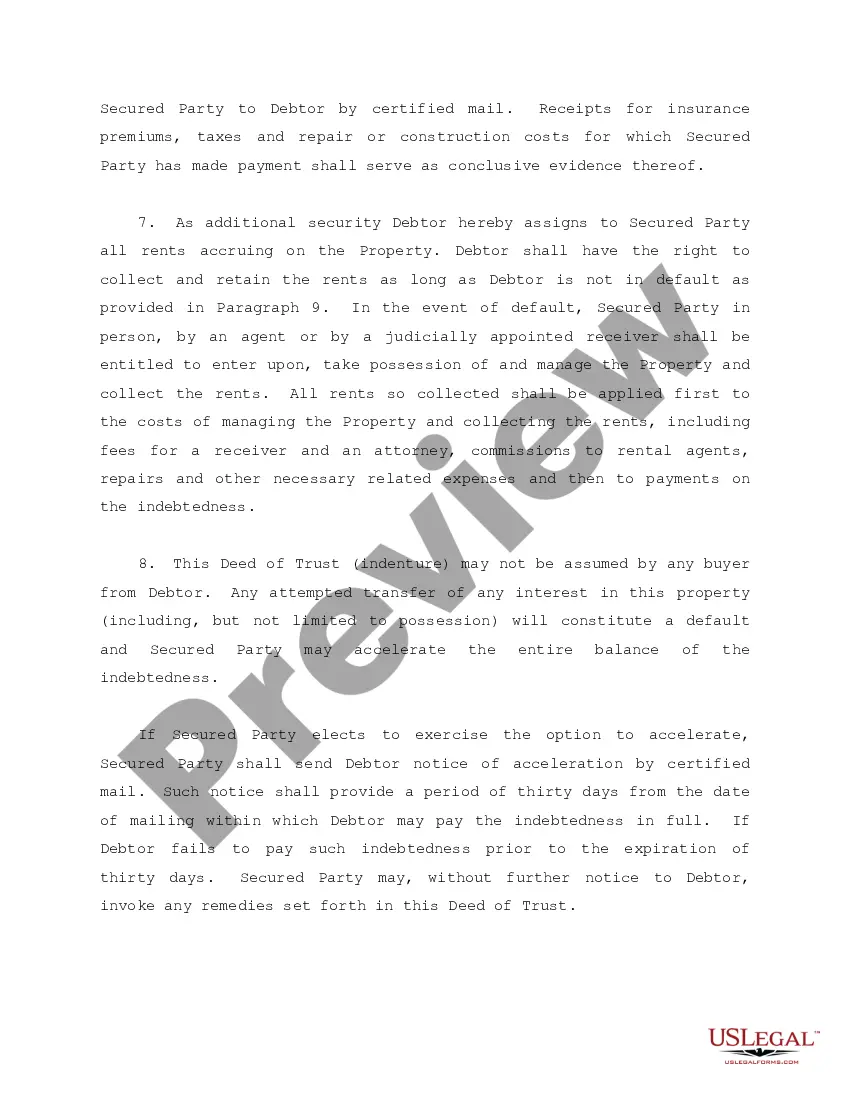
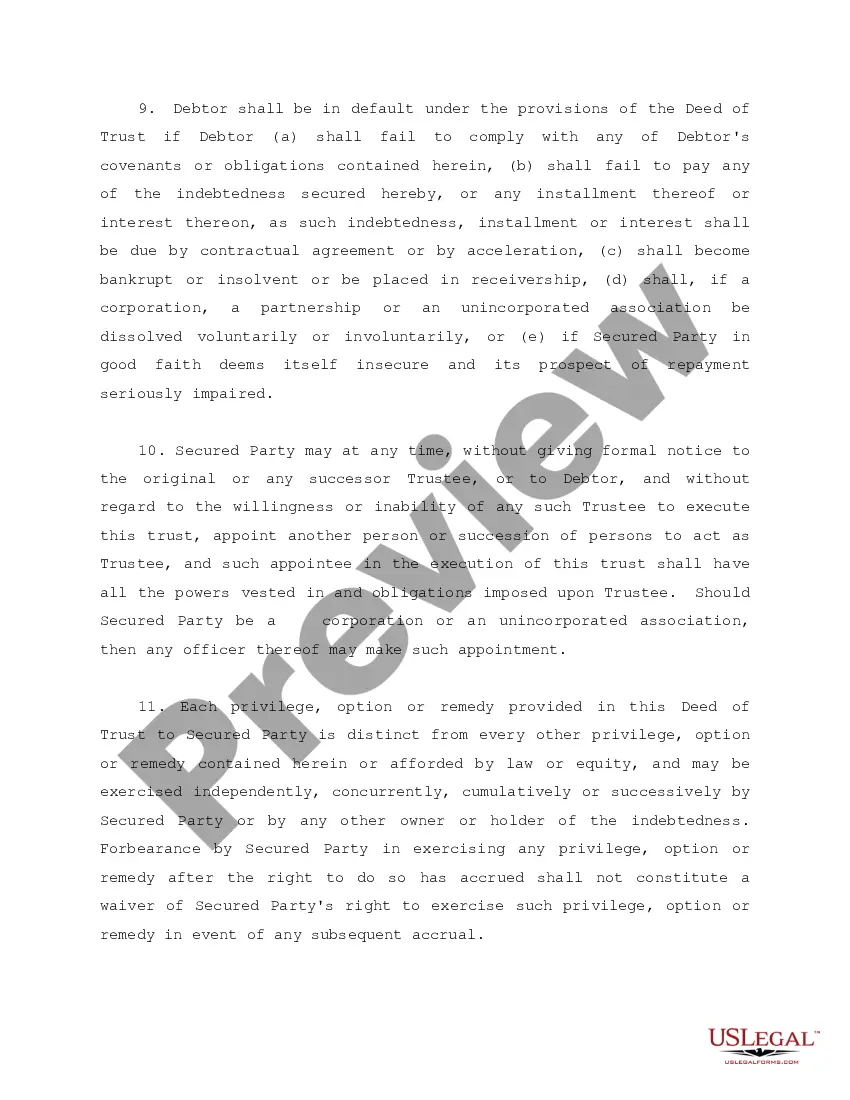
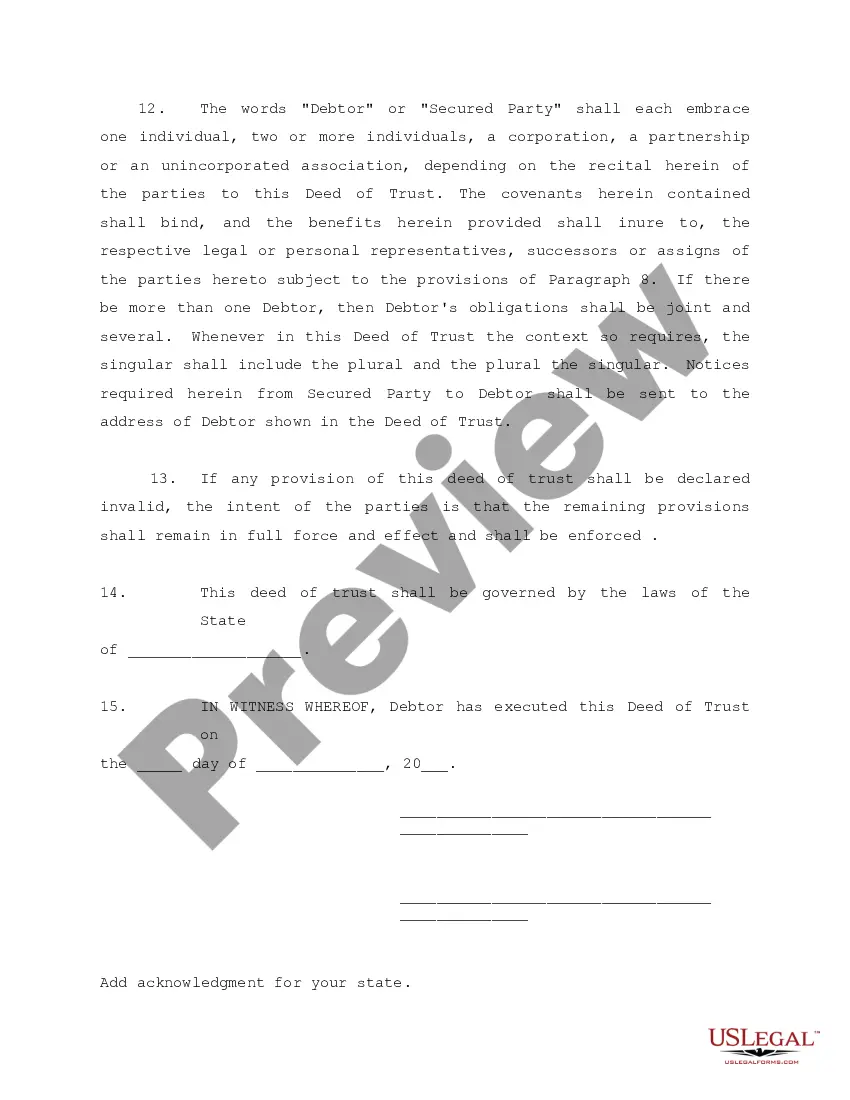
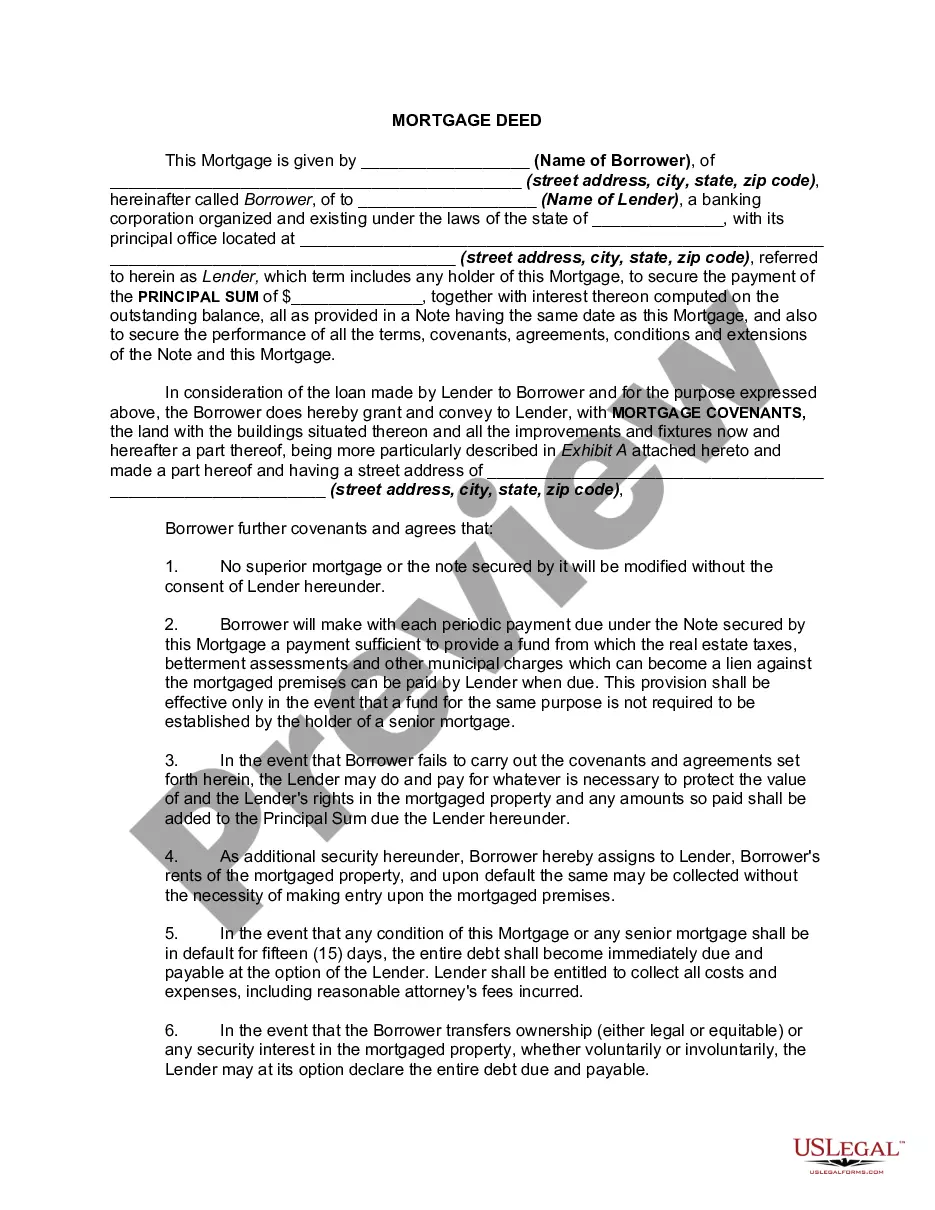
Description


Get your form ready online
Our built-in tools help you complete, sign, share, and store your documents in one place.
Make edits, fill in missing information, and update formatting in US Legal Forms—just like you would in MS Word.
Download a copy, print it, send it by email, or mail it via USPS—whatever works best for your next step.
Sign and collect signatures with our SignNow integration. Send to multiple recipients, set reminders, and more. Go Premium to unlock E-Sign.
If this form requires notarization, complete it online through a secure video call—no need to meet a notary in person or wait for an appointment.
We protect your documents and personal data by following strict security and privacy standards.

Make edits, fill in missing information, and update formatting in US Legal Forms—just like you would in MS Word.

Download a copy, print it, send it by email, or mail it via USPS—whatever works best for your next step.

Sign and collect signatures with our SignNow integration. Send to multiple recipients, set reminders, and more. Go Premium to unlock E-Sign.

If this form requires notarization, complete it online through a secure video call—no need to meet a notary in person or wait for an appointment.

We protect your documents and personal data by following strict security and privacy standards.
Looking for another form?









Form popularity
FAQ
Documentation requirements can vary across lenders and dealers, so you may want to ask them what you should bring when you're ready to finance. Proof of identity. Proof of income. Credit and financial history. Proof of residence. Vehicle information. Current vehicle registration. Proof of insurance. Down payment.
Texas law says there is a 4-year period for filing a lawsuit to collect on a debt.
A Texas judgment is valid for ten years from the date it is signed by the judge. After the expiration of ten years the judgment is dormant for two years. During that two year period of dormancy the judgment cannot be enforced.
Texas law gives someone 4 years to bring a lawsuit for unpaid debt. This time period is commonly referred to as the statute of limitations. Once the time period is up, a person is prohibited from filing suit to recover the debt. This means the debt is time-barred.
In Texas, the statute of limitations on credit card debt is generally four years. This means that creditors or debt collectors have up to four years from the date of the last activity or default on the credit card account to file a lawsuit to collect the debt.
Returning your car to the lender before you are finished paying it off is called a voluntary surrender or voluntary repossession. In terms of your credit, a voluntary surrender is considered derogatory and will have a substantially negative impact on your scores, so it should be a last resort.
