Secured Debt Any Formula In San Antonio
Description

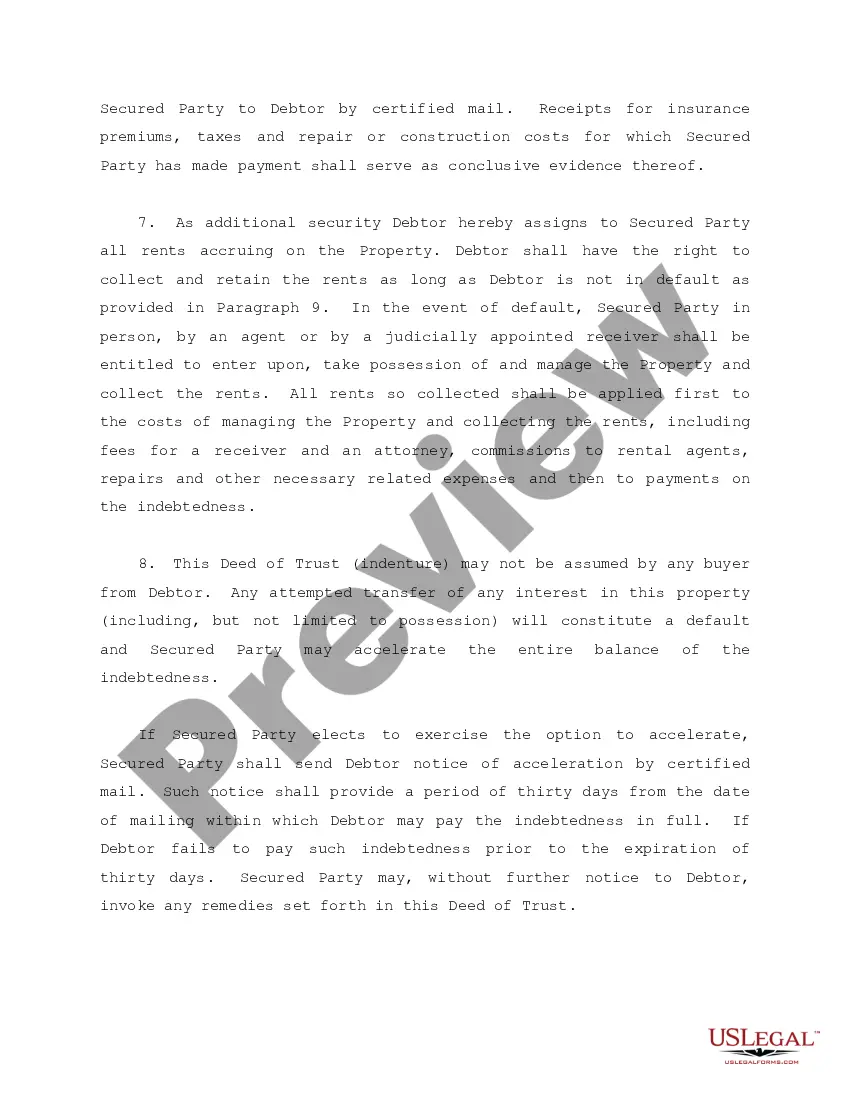
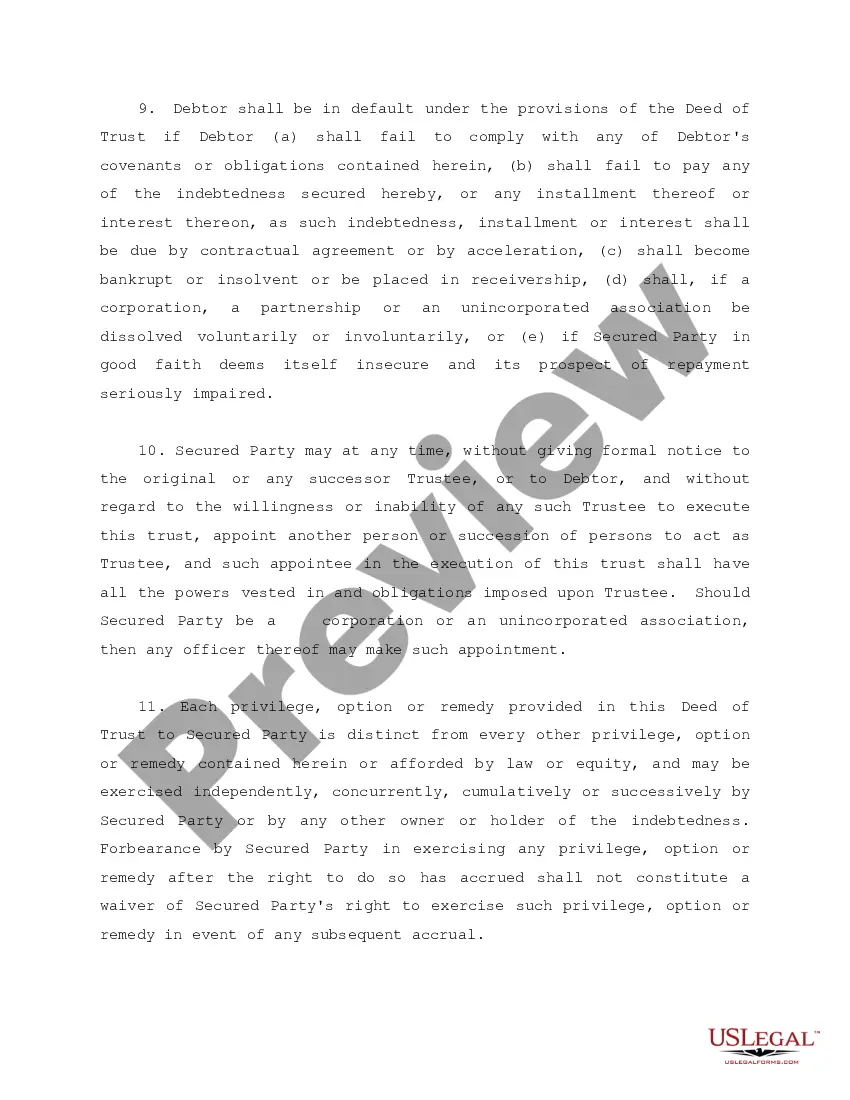
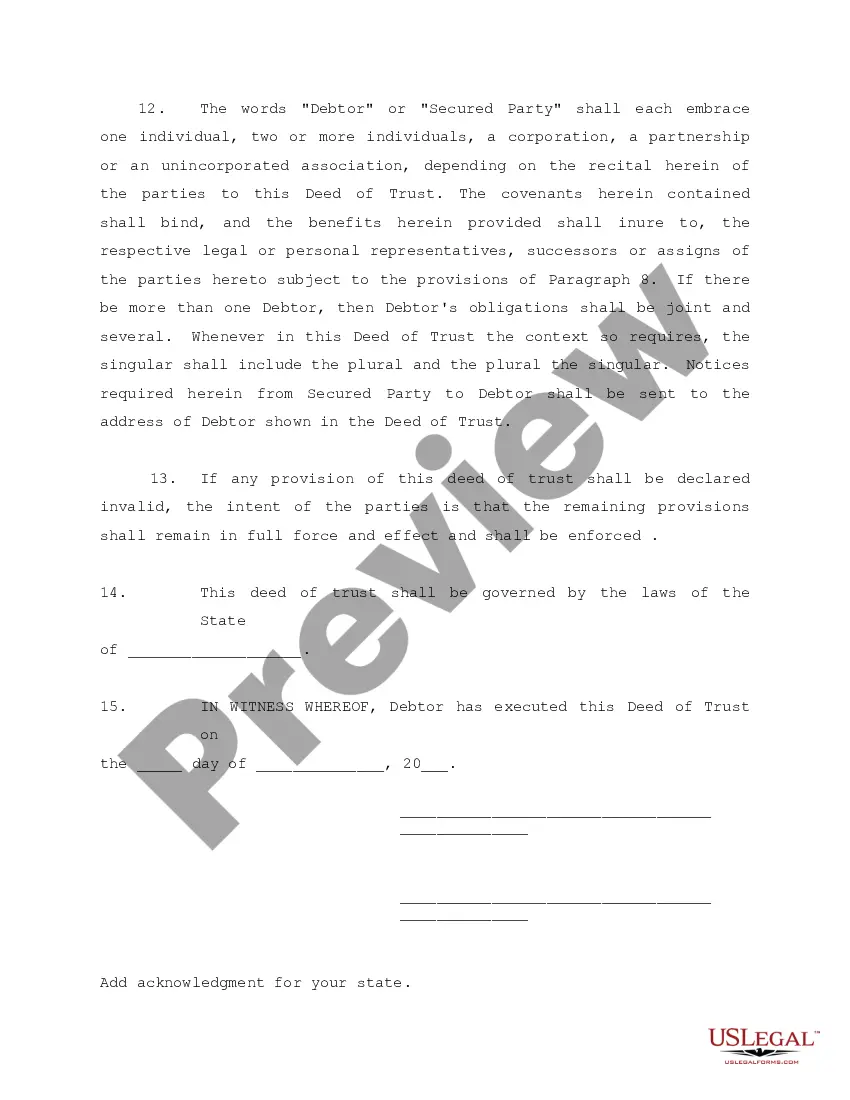
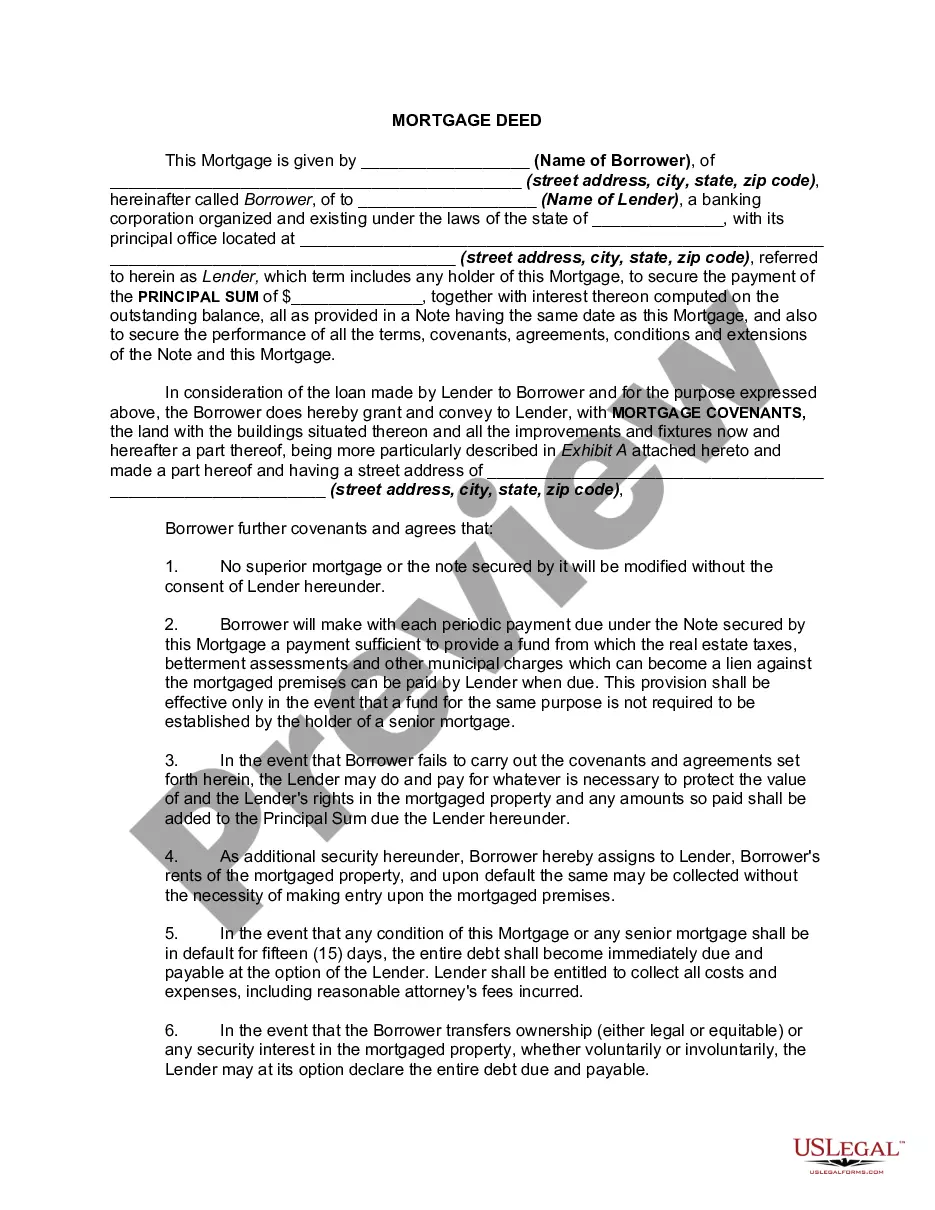

Get your form ready online
Our built-in tools help you complete, sign, share, and store your documents in one place.
Make edits, fill in missing information, and update formatting in US Legal Forms—just like you would in MS Word.
Download a copy, print it, send it by email, or mail it via USPS—whatever works best for your next step.
Sign and collect signatures with our SignNow integration. Send to multiple recipients, set reminders, and more. Go Premium to unlock E-Sign.
If this form requires notarization, complete it online through a secure video call—no need to meet a notary in person or wait for an appointment.
We protect your documents and personal data by following strict security and privacy standards.

Make edits, fill in missing information, and update formatting in US Legal Forms—just like you would in MS Word.

Download a copy, print it, send it by email, or mail it via USPS—whatever works best for your next step.

Sign and collect signatures with our SignNow integration. Send to multiple recipients, set reminders, and more. Go Premium to unlock E-Sign.

If this form requires notarization, complete it online through a secure video call—no need to meet a notary in person or wait for an appointment.

We protect your documents and personal data by following strict security and privacy standards.
Looking for another form?








Form popularity
FAQ
Unsecured debt is any debt where there is no collateral, such as student loans, credit cards, and personal loans. A lender will figure out your unsecured debt ratio by calculating all your unsecured debts and dividing this figure by your annual income and multiplying it by 100 to get a percentage.
Unsecured debt is any debt where there is no collateral, such as student loans, credit cards, and personal loans. A lender will figure out your unsecured debt ratio by calculating all your unsecured debts and dividing this figure by your annual income and multiplying it by 100 to get a percentage.
Student loans, personal loans and credit cards are all example of unsecured loans. Since there's no collateral, financial institutions give out unsecured loans based in large part on your credit score and history of repaying past debts.
Mortgages, home equity loans, home equity lines of credit (HELOCs) and auto loans are all forms of secured debt, while most personal loans, credit cards, student loans and medical loans are unsecured debt.
Credit card debt is by far the most common type of unsecured debt. If you fail to make credit card payments, the card issuer cannot repossess the items you purchased.
Secured debt - A debt that is backed by real or personal property is a “secured” debt. A creditor whose debt is “secured” has a legal right to take the property as full or partial satisfaction of the debt. For example, most homes are burdened by a “secured debt”.
More on our best debt relief companies AvailabilityLower monthly payments by Americor 49 states 40% or more National Debt Relief 47 states Up to 50% less than your monthly credit card payments. Freedom Debt Relief 42 states Up to 30% New Era Debt Solutions 47 states 50% or more3 more rows
In many cases, a bankruptcy discharge can eliminate your personal responsibility for secured debt, so the lender can't sue you for unpaid amounts. However, the lien on the property doesn't automatically go away. The lender can still take back the collateral if you stop making payments.
