Security Debt Any Forgiveness In Riverside
Description

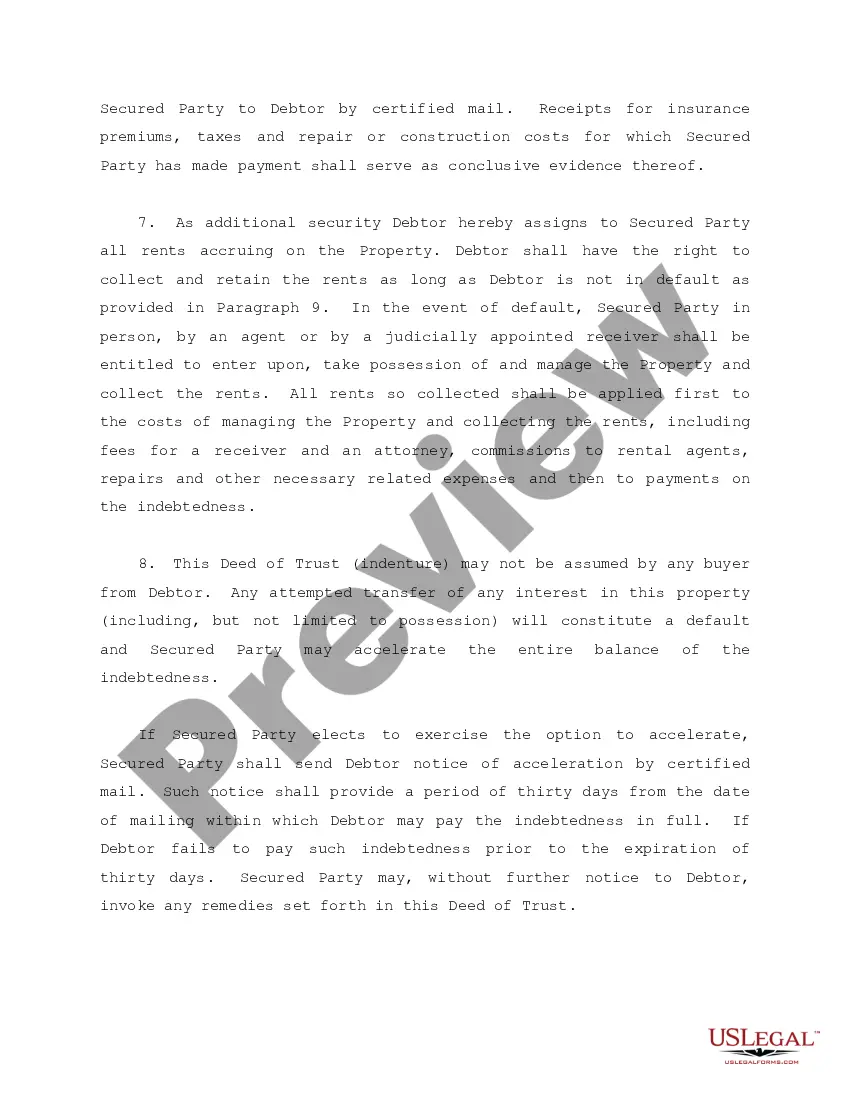
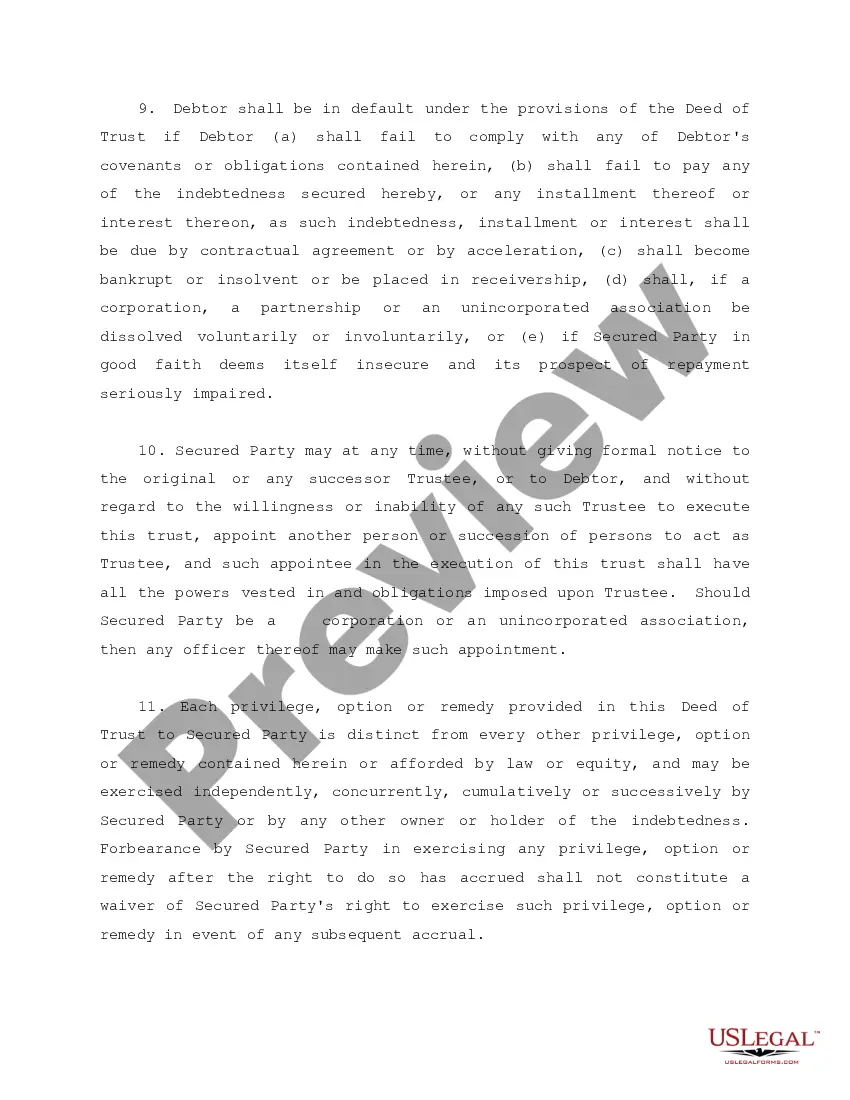
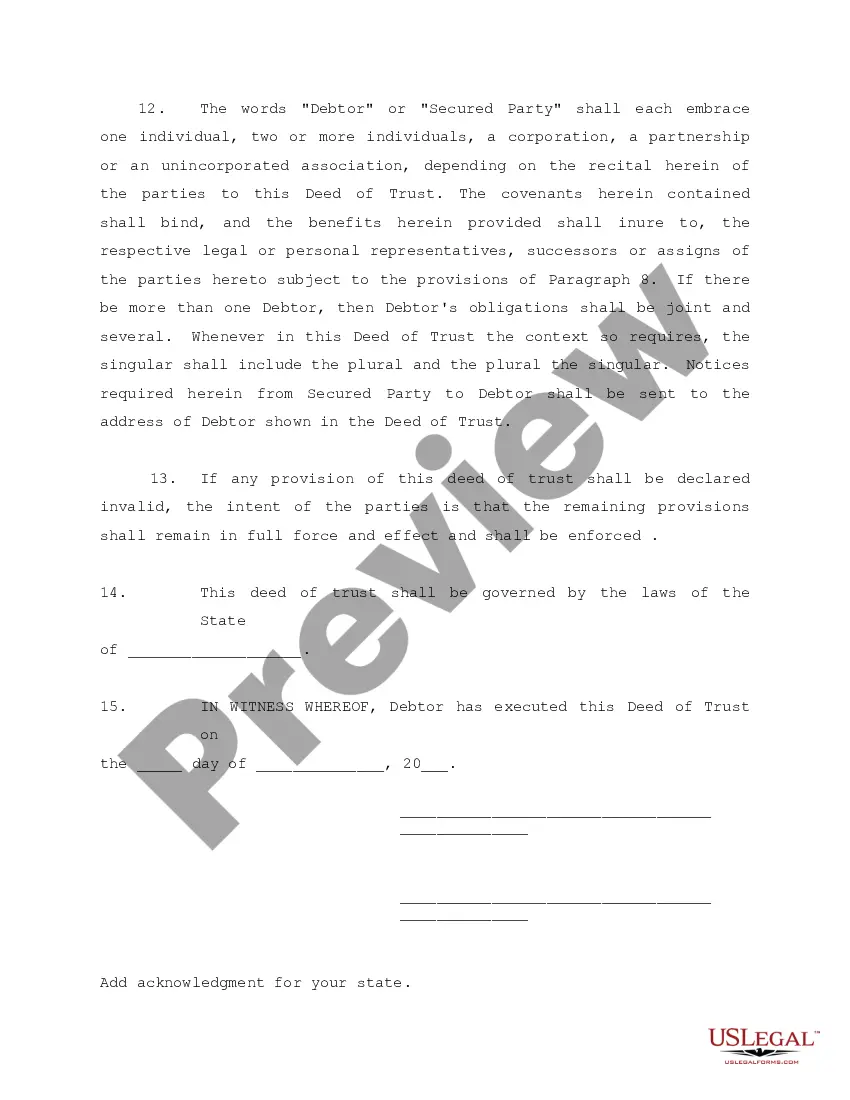
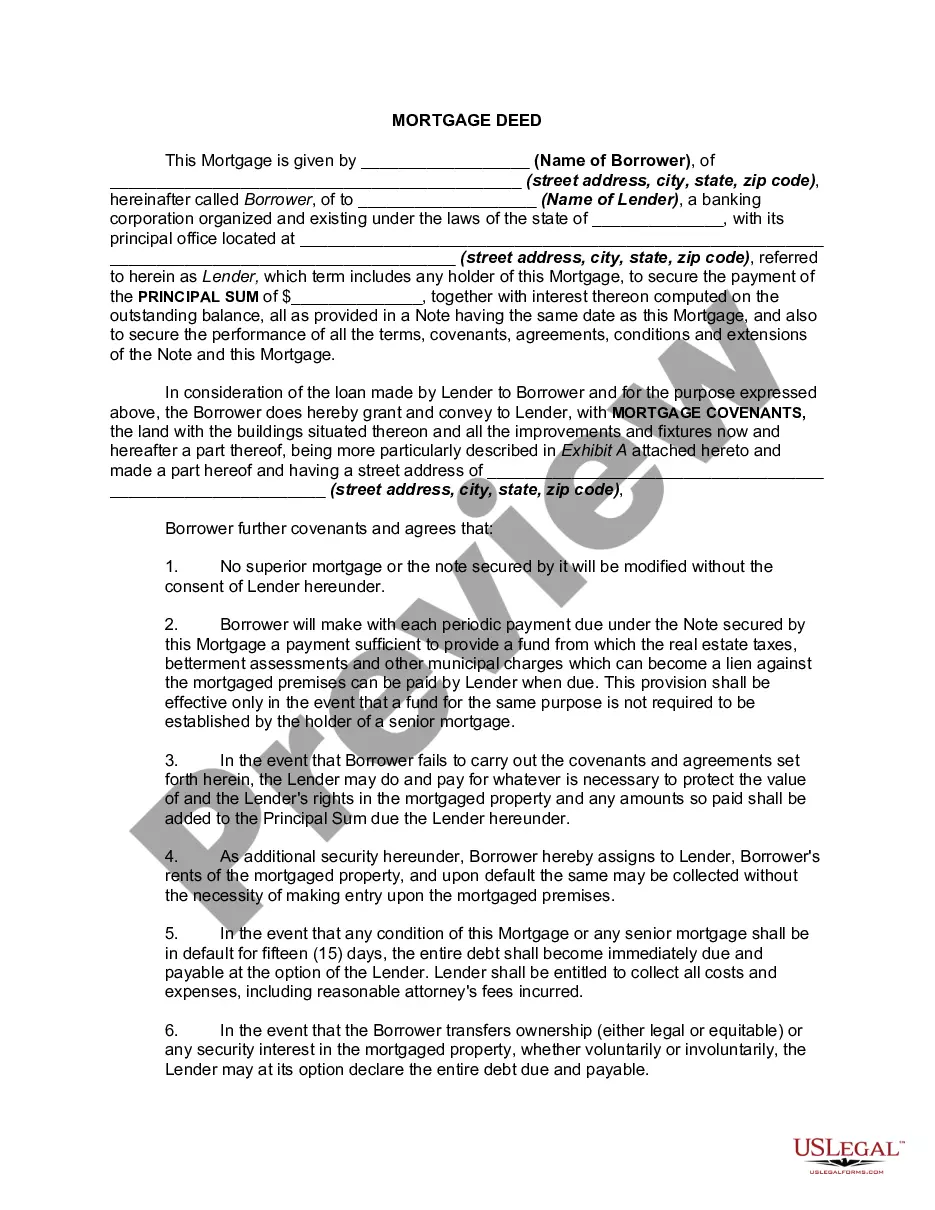

Get your form ready online
Our built-in tools help you complete, sign, share, and store your documents in one place.
Make edits, fill in missing information, and update formatting in US Legal Forms—just like you would in MS Word.
Download a copy, print it, send it by email, or mail it via USPS—whatever works best for your next step.
Sign and collect signatures with our SignNow integration. Send to multiple recipients, set reminders, and more. Go Premium to unlock E-Sign.
If this form requires notarization, complete it online through a secure video call—no need to meet a notary in person or wait for an appointment.
We protect your documents and personal data by following strict security and privacy standards.

Make edits, fill in missing information, and update formatting in US Legal Forms—just like you would in MS Word.

Download a copy, print it, send it by email, or mail it via USPS—whatever works best for your next step.

Sign and collect signatures with our SignNow integration. Send to multiple recipients, set reminders, and more. Go Premium to unlock E-Sign.

If this form requires notarization, complete it online through a secure video call—no need to meet a notary in person or wait for an appointment.

We protect your documents and personal data by following strict security and privacy standards.
Looking for another form?







Form popularity
FAQ
Financial hardship programs: Many credit card companies offer financial hardship programs that could offer relief through lower interest rates and fixed payment terms. Signing up for these programs is often as simple as calling your lenders and asking for help making your payments more manageable.
The short answer is yes, credit card debt forgiveness can negatively affect your credit score. However, the impact depends on various factors, including your current credit score and the specifics of your debt settlement agreement.
Filing for Chapter 7 bankruptcy eliminates credit card debt, medical bills and unsecured loans; however, there are some debts that cannot be discharged. Those debts include child support, spousal support obligations, student loans, judgments for damages resulting from driving accidents, and most unpaid taxes.
Yes, it is possible to have credit card debt forgiven, although it is not a common occurrence. Credit card debt can be forgiven through a variety of methods, including debt settlement negotiations with the lender, debt management programs, and in some cases, bankruptcy.
1. Yes, it is possible to have credit card debt forgiven, although it is not a common occurrence. 2. Credit card debt can be forgiven through a variety of methods, including debt settlement negotiations with the lender, debt management programs, a...
Debt relief could involve: Negotiating with creditors to settle the debt for less than the full amount owed. Wiping the debt out altogether in bankruptcy. Using a debt management plan to get changes in your interest rate or payment schedule.
Credit card debt forgiveness involves negotiating with your creditor to have a portion or the entirety of your debt canceled, typically due to financial hardship. This process often requires submitting a formal request detailing your circumstances and may necessitate supporting documentation.
The PSLF Program forgives the remaining balance on your Direct Loans after you have made 120 (10 years) qualifying monthly payments under a qualifying repayment plan, while working full-time for a qualifying employer.
If you have loans that have been in repayment for more than 20 or 25 years, those loans may immediately qualify for forgiveness. Borrowers who have reached 20 or 25 years (240 or 300 months) worth of eligible payments for IDR forgiveness will see their loans forgiven as they reach these milestones.
