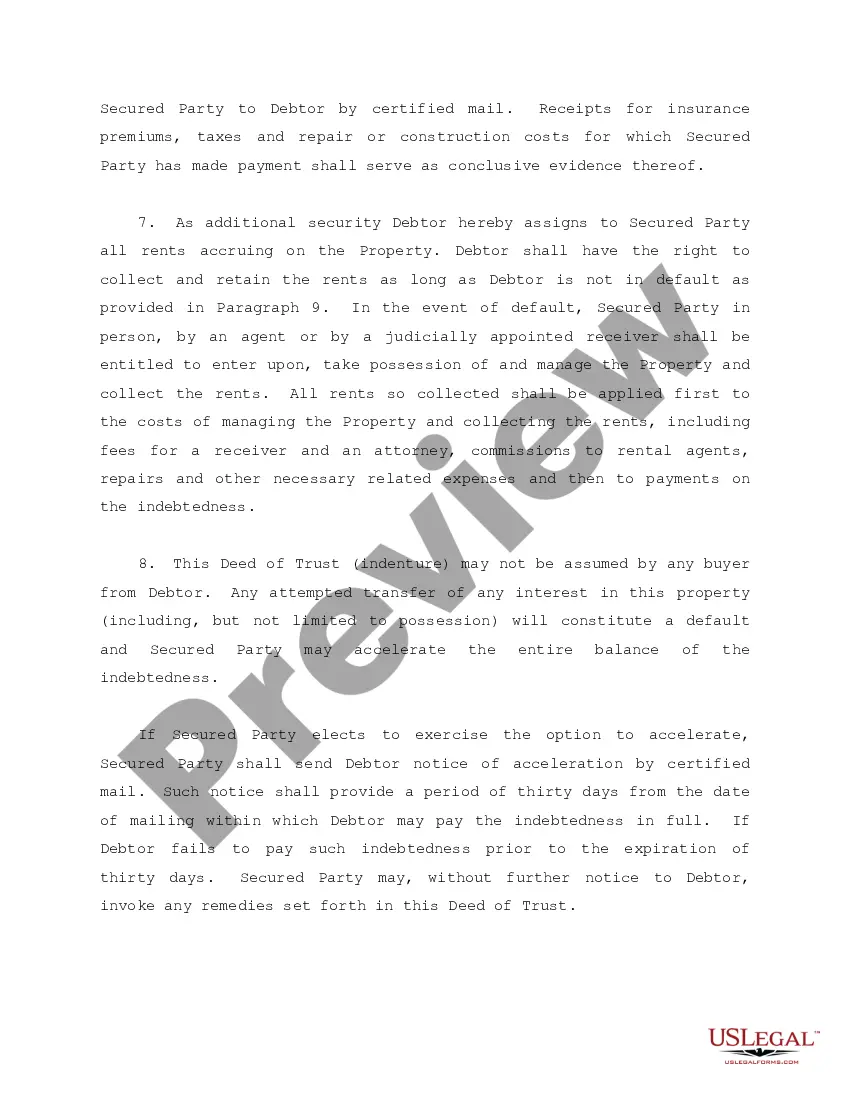
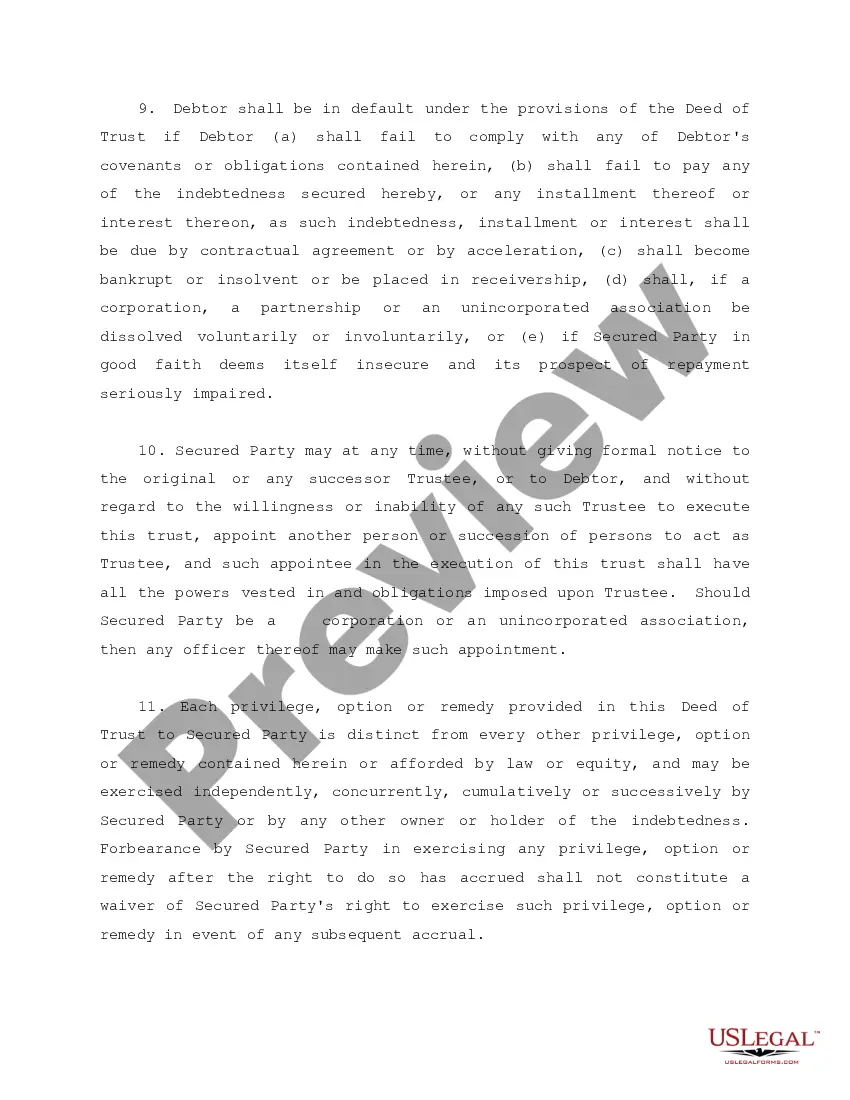
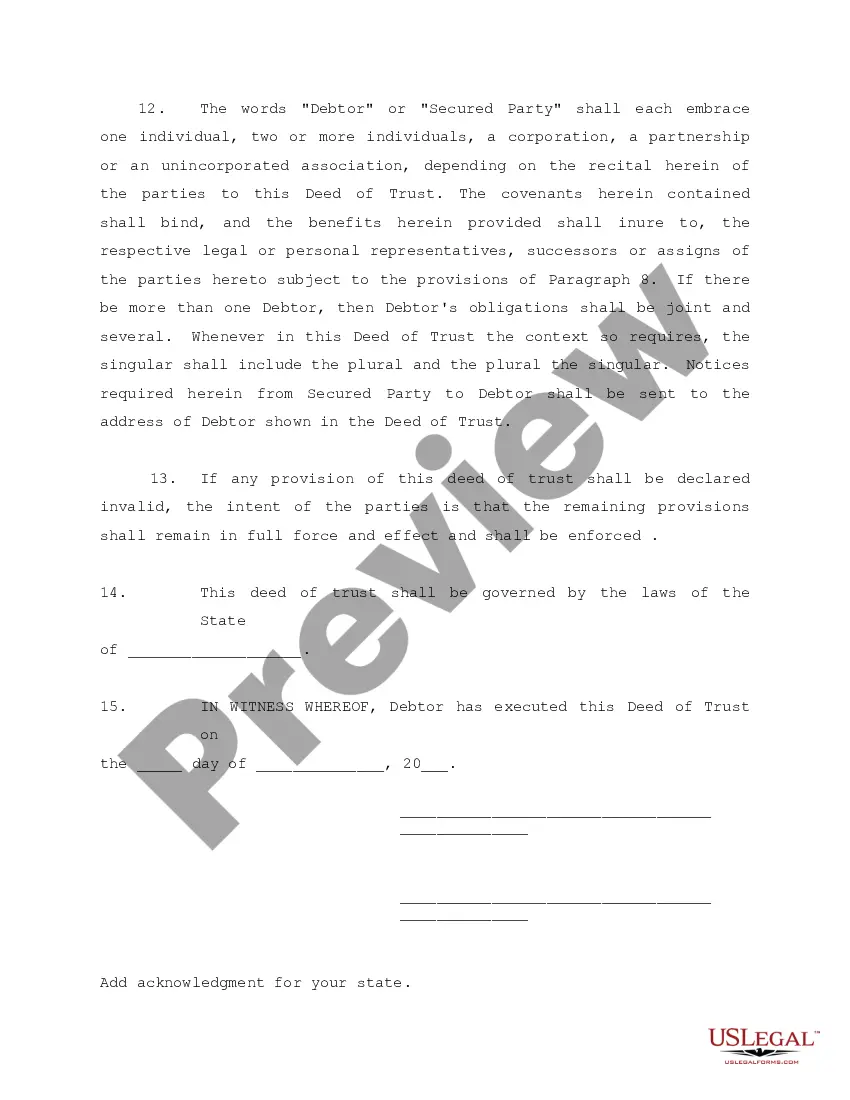
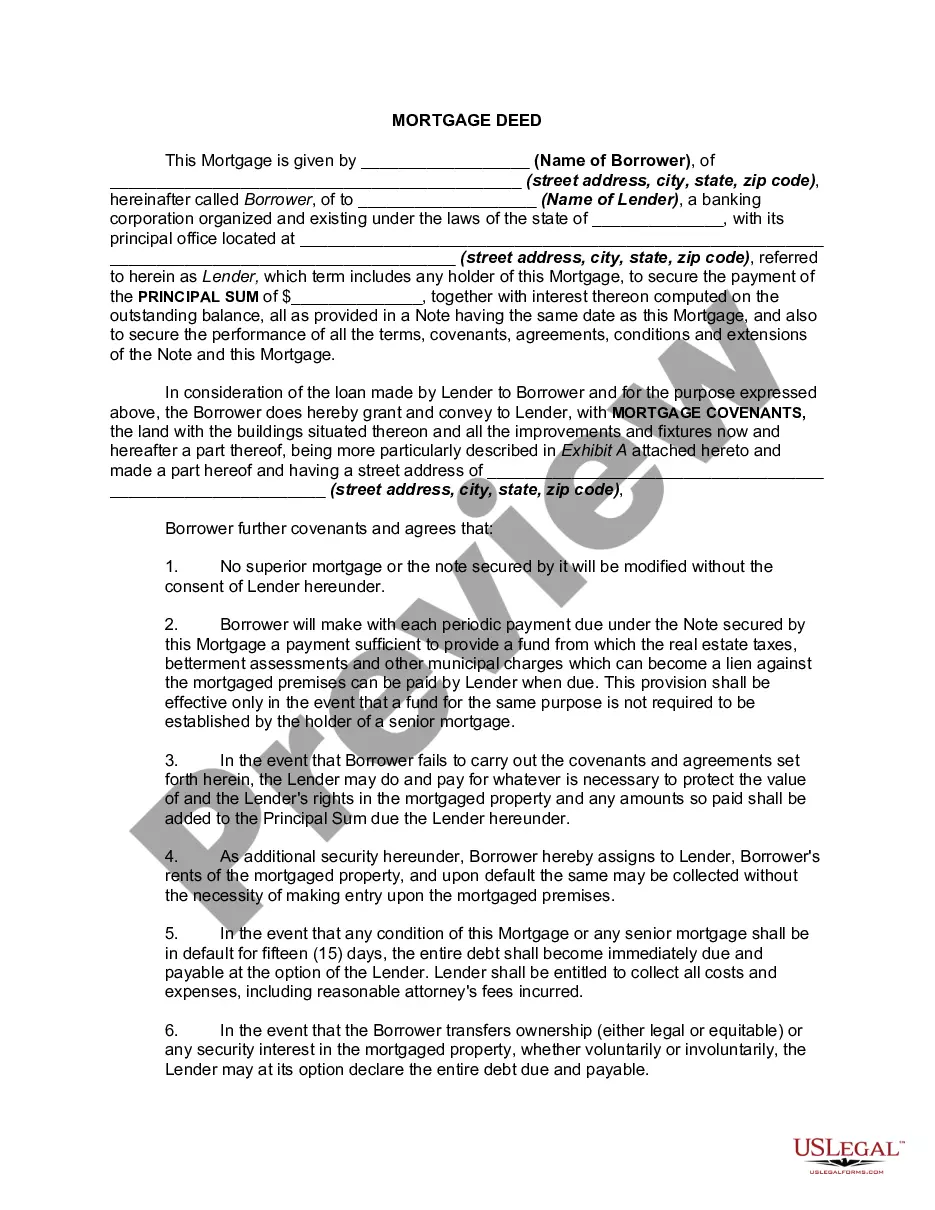
Secure Debt Shall With No Interest In Riverside
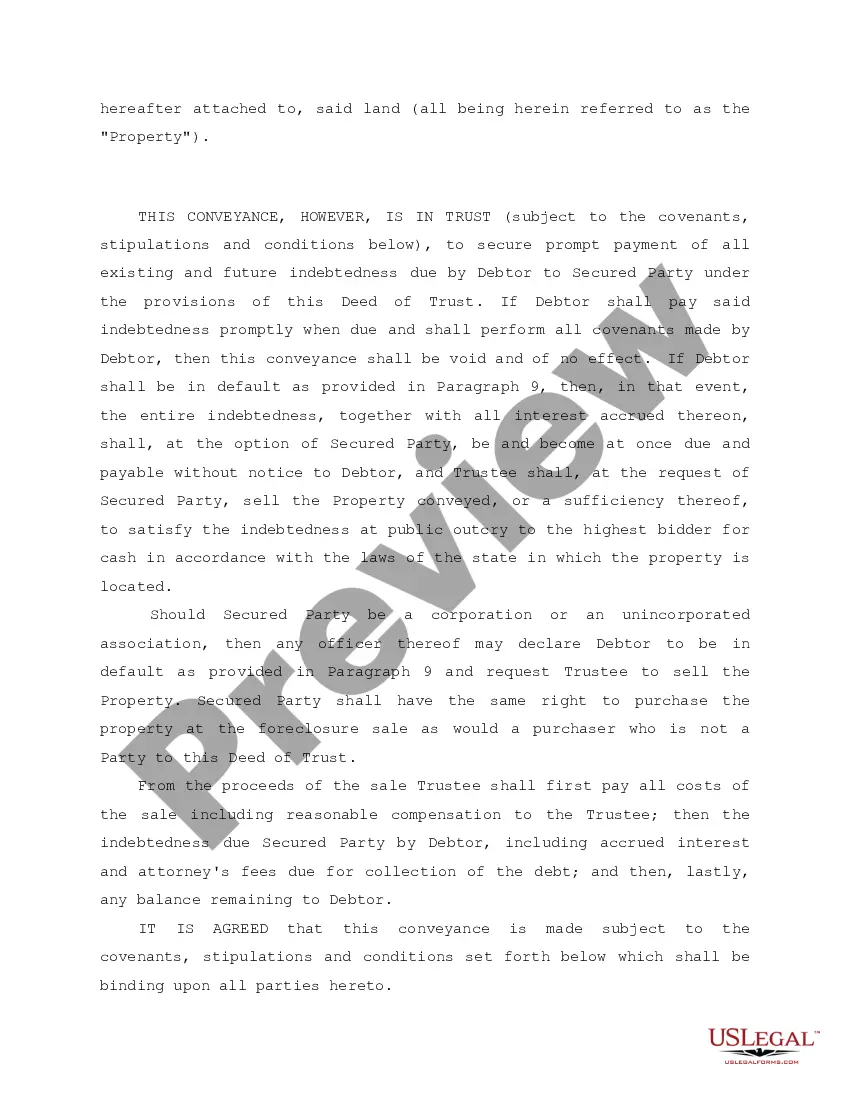
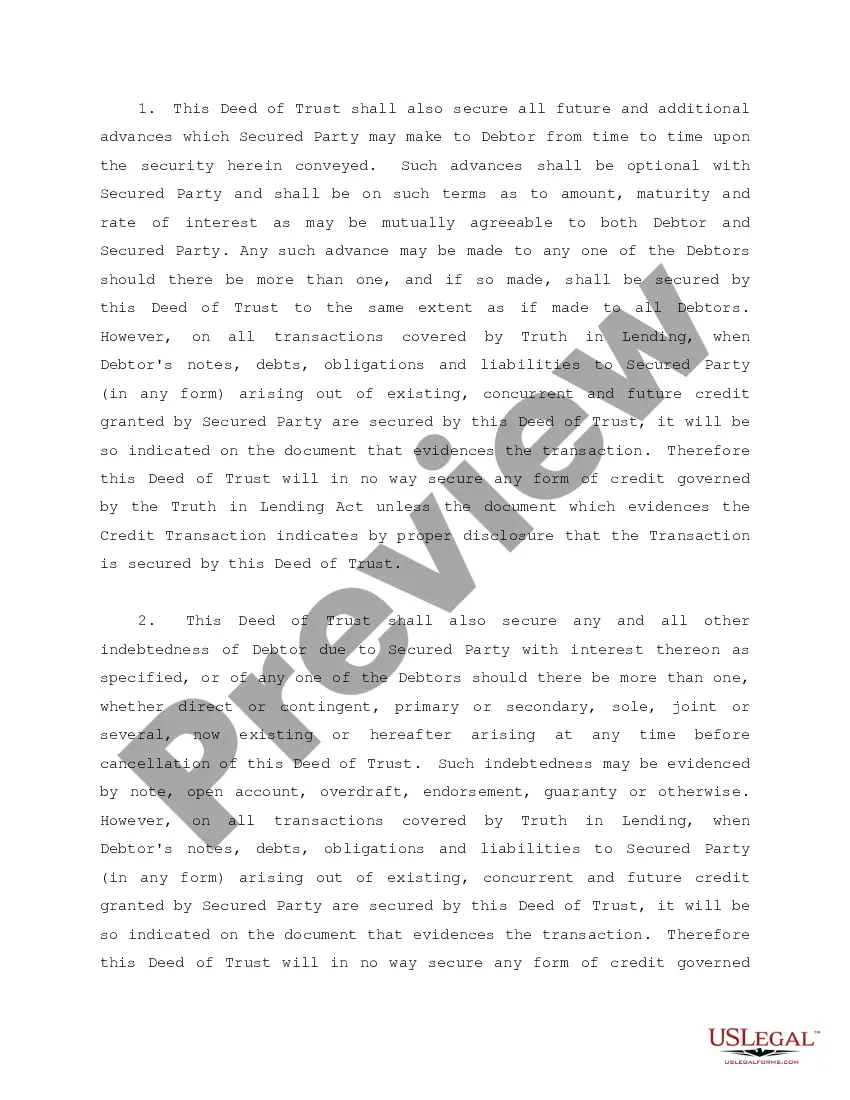
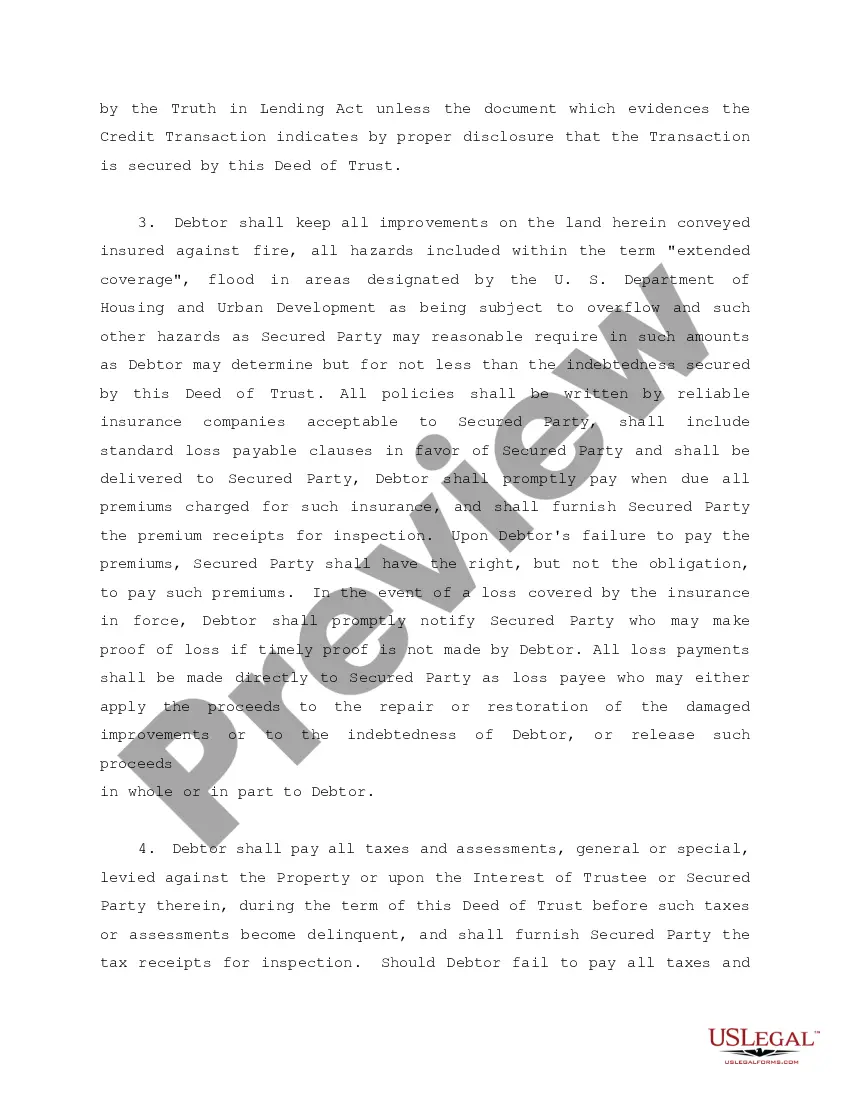
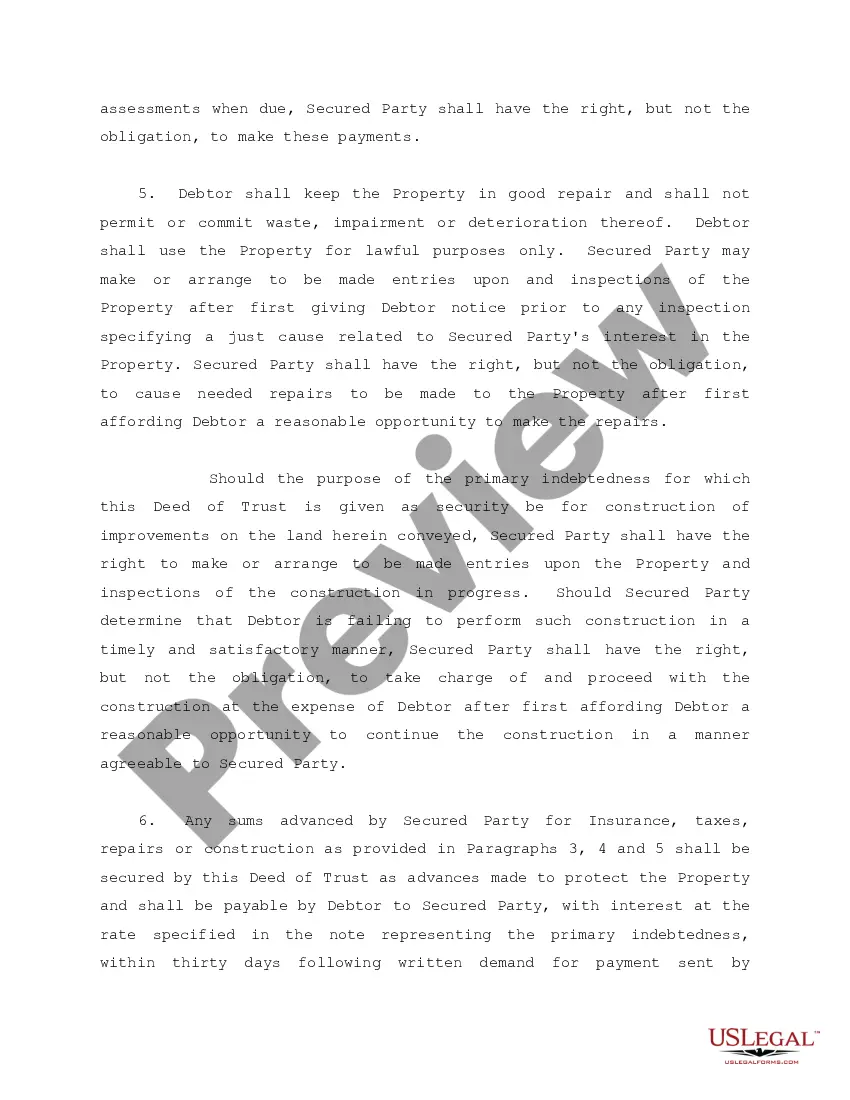
Description


Get your form ready online
Our built-in tools help you complete, sign, share, and store your documents in one place.
Make edits, fill in missing information, and update formatting in US Legal Forms—just like you would in MS Word.
Download a copy, print it, send it by email, or mail it via USPS—whatever works best for your next step.
Sign and collect signatures with our SignNow integration. Send to multiple recipients, set reminders, and more. Go Premium to unlock E-Sign.
If this form requires notarization, complete it online through a secure video call—no need to meet a notary in person or wait for an appointment.
We protect your documents and personal data by following strict security and privacy standards.

Make edits, fill in missing information, and update formatting in US Legal Forms—just like you would in MS Word.

Download a copy, print it, send it by email, or mail it via USPS—whatever works best for your next step.

Sign and collect signatures with our SignNow integration. Send to multiple recipients, set reminders, and more. Go Premium to unlock E-Sign.

If this form requires notarization, complete it online through a secure video call—no need to meet a notary in person or wait for an appointment.

We protect your documents and personal data by following strict security and privacy standards.
Looking for another form?








Form popularity
FAQ
In finance, a security interest is a legal right granted by a debtor to a creditor over the debtor's property (usually referred to as the collateral) which enables the creditor to have recourse to the property if the debtor defaults in making payment or otherwise performing the secured obligations.
Three steps are required for attachment of a security interest: value has been given, the debtor has rights in the collateral or the power to transfer rights in the collateral to the secured party, and the debtor has signed or authenticated a security agreement that provides a description of the collateral.
A debt security is any debt that can be bought or sold between parties in the market prior to maturity. Its structure represents a debt owed by an issuer (the government, an organization, or a company) to an investor who acts as a lender.
What Are the Current Chapter 13 Debt Limits? The debt limitations set for cases filed between April 1, 2022, and March 31, 2025, are $1,395,875 of secured debt, and $465,275 of unsecured debt.
A lien is also known as a security interest. It is a legal claim to the assets used as collateral for the satisfaction of debt. Common types of liens are bank liens, real estate liens, and tax liens. A lien can be established by a lender, through legal judgment, or a taxing authority.
In California, you can keep your home in Chapter 7 bankruptcy under certain circumstances, depending on the amount of equity you have in your principal residence. This is called the “homestead exemption.” The amount of the exemption varies, depending on age, marital status and physical/mental condition.
A debtor's failure to list a nondischargeable debt in an asset case just means that the debtor lost out on the trustee paying part of the nondischargeable debt. All debts should be listed – even if they are nondischargeable.
In a Chapter 13, Time Is Of The Essence! As a general rule, debts not listed in a Chapter 13 and that do not otherwise get notice of the bankruptcy are NOT discharged upon completion of the case. If you discover an omitted creditor after filing, you should tell your attorney immediately.
Adding debt to Chapter 13 is possible. However, it requires a motion to the court and approval from the judge overseeing the case. It is important to remember that you can only add debts incurred after you filed bankruptcy. The court won't include all creditors.
If a debtor forgets to list a creditor on their bankruptcy papers or carelessly misstates a creditor's name or address, then the creditor will likely not be duly notified of the bankruptcy. In that situation, the debt will most likely survive the bankruptcy.
