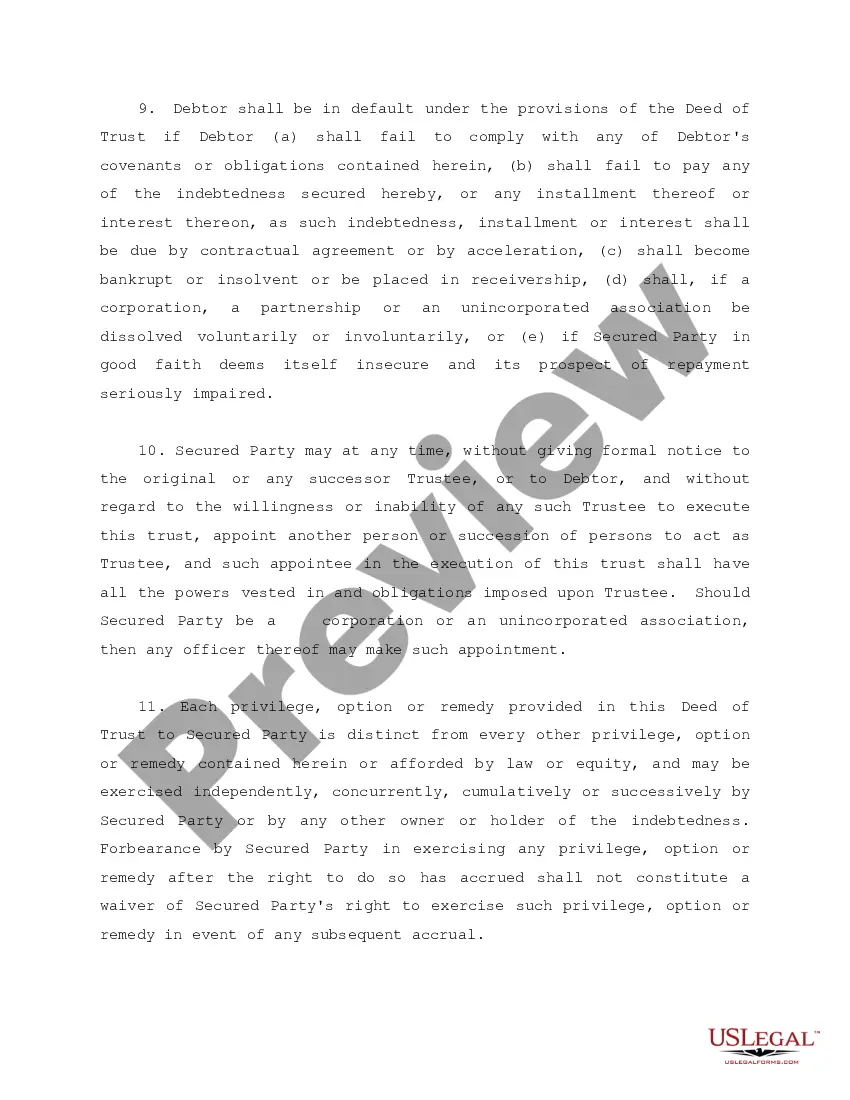
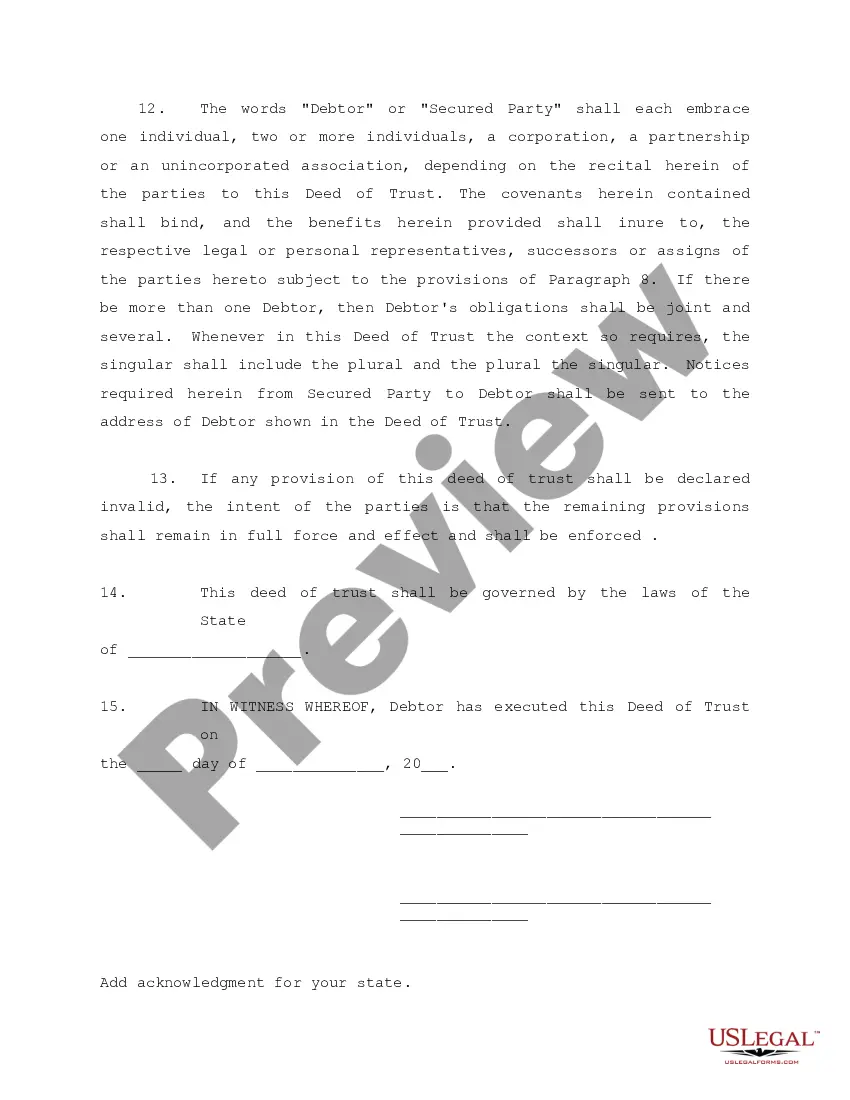
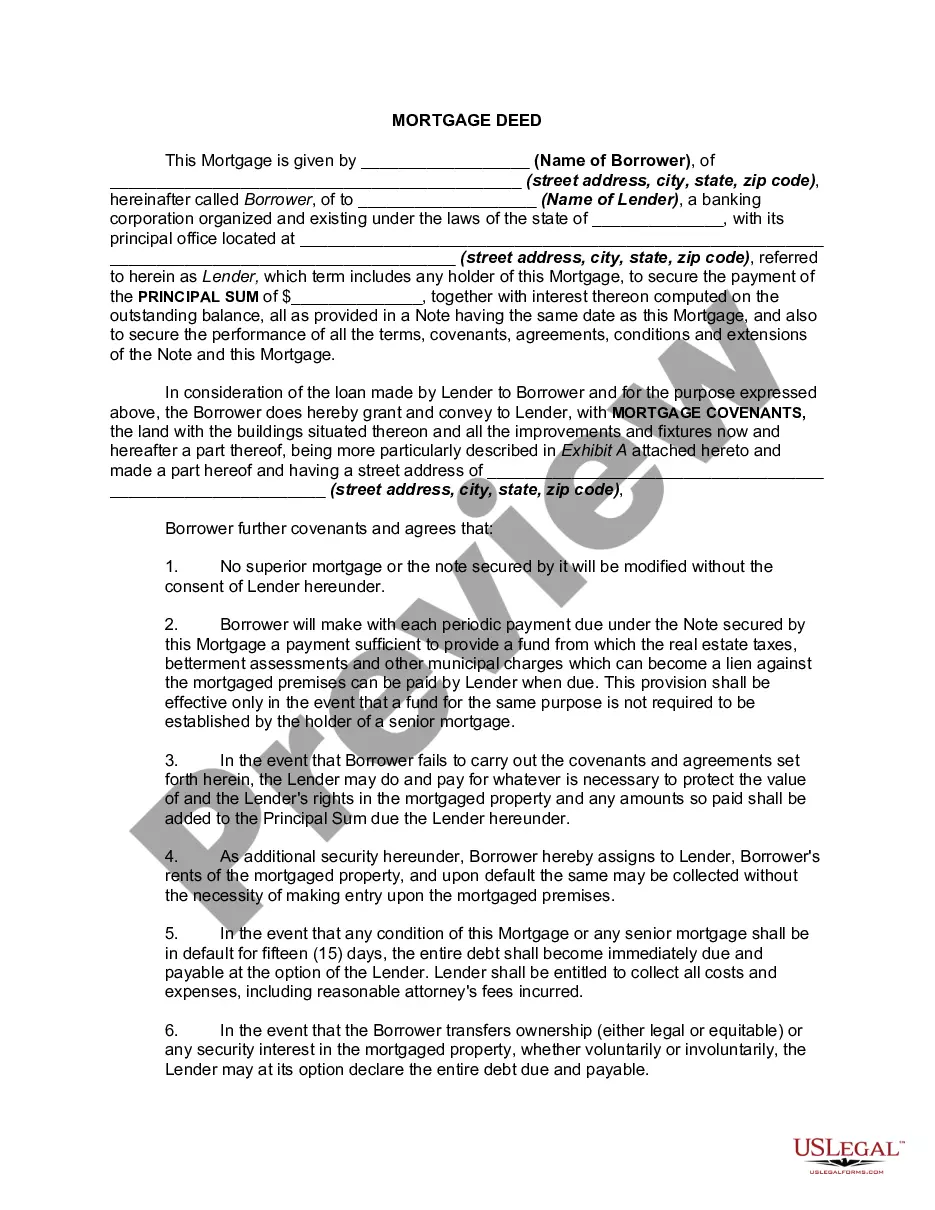
Secured Debt Any Formula In Ohio
Description



Get your form ready online
Our built-in tools help you complete, sign, share, and store your documents in one place.
Make edits, fill in missing information, and update formatting in US Legal Forms—just like you would in MS Word.
Download a copy, print it, send it by email, or mail it via USPS—whatever works best for your next step.
Sign and collect signatures with our SignNow integration. Send to multiple recipients, set reminders, and more. Go Premium to unlock E-Sign.
If this form requires notarization, complete it online through a secure video call—no need to meet a notary in person or wait for an appointment.
We protect your documents and personal data by following strict security and privacy standards.

Make edits, fill in missing information, and update formatting in US Legal Forms—just like you would in MS Word.

Download a copy, print it, send it by email, or mail it via USPS—whatever works best for your next step.

Sign and collect signatures with our SignNow integration. Send to multiple recipients, set reminders, and more. Go Premium to unlock E-Sign.

If this form requires notarization, complete it online through a secure video call—no need to meet a notary in person or wait for an appointment.

We protect your documents and personal data by following strict security and privacy standards.
Looking for another form?









Form popularity
FAQ
Chapter 13 Eligibility Any individual, even if self-employed or operating an unincorporated business, is eligible for chapter 13 relief as long as the individual's combined total secured and unsecured debts are less than $2,750,000 as of the date of filing for bankruptcy relief.
This is a common question we hear from clients who are curious about Ohio bankruptcy laws. The simplest answer to this question is that there is no minimum debt required for bankruptcy in Ohio.
Unlike Chapter 7 bankruptcy, there is no means test to see whether your income is too high to file for a Chapter 13 bankruptcy. Rather, the courts will see if your income is too low to repay the debt (more on this below).
Statute of Limitations It is generally filed for any taxes owed that has been certified to them by the Department of Taxation. The AG's office has seven years from the date of the original tax assessment to begin legal proceedings to collect the taxes.
An individual cannot file under chapter 13 or any other chapter if, during the preceding 180 days, a prior bankruptcy petition was dismissed due to the debtor's willful failure to appear before the court or comply with orders of the court or was voluntarily dismissed after creditors sought relief from the bankruptcy ...
The court may deny an individual debtor's discharge in a chapter 7 or 13 case if the debtor fails to complete "an instructional course concerning financial management." The Bankruptcy Code provides limited exceptions to the "financial management" requirement if the U.S. trustee or bankruptcy administrator determines ...
There is no minimum amount of debt you must be in to file for Chapter 13 bankruptcy. However, your combined secured and unsecured debt cannot exceed $2,750,000 on your filing date, per the United States Courts. Chapter 13 allows you to create a plan to repay your debt given that you make a consistent income.
A brief history of California Usury Law With some constitutional amendments, most notably the 1979 constitutional amendment, Article XV, Section 1, California's usury limit is now generally 10% per year with a broader range of exemptions.
Fact-Checked Legal Maximum Rate of Interest8% (§1343.01) Penalty for Usury (Unlawful Interest Rate) Excess interest applied to principal (§1343.04) Interest Rates on Judgments Contract rate (§1343.02), otherwise 10% (§1343.03)1 more row
How To Fill In A Proof Of Debt Form Box 1 – This is your business name. Box 2 – This is your business address. Box 3 – This is the total amount you are owed. Box 4 – List any supporting documents you have. Box 5 – List any un-capitalised interest on the claim.
