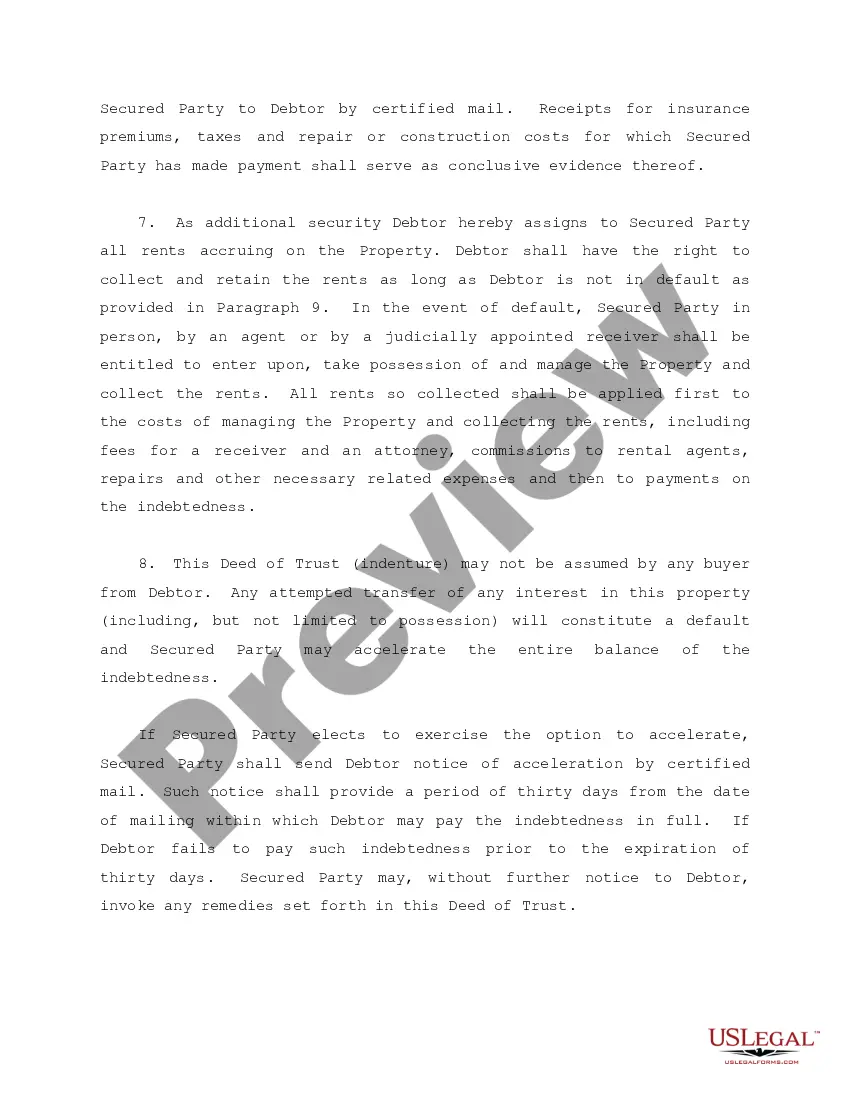
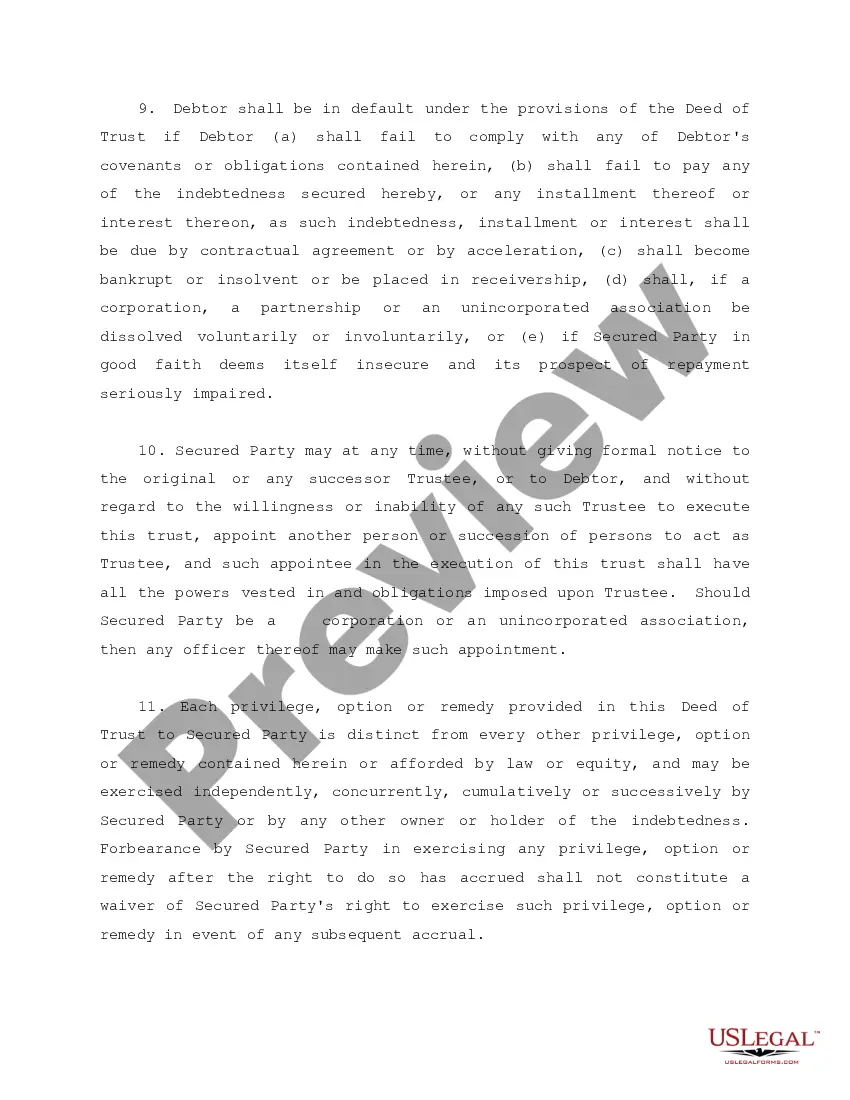
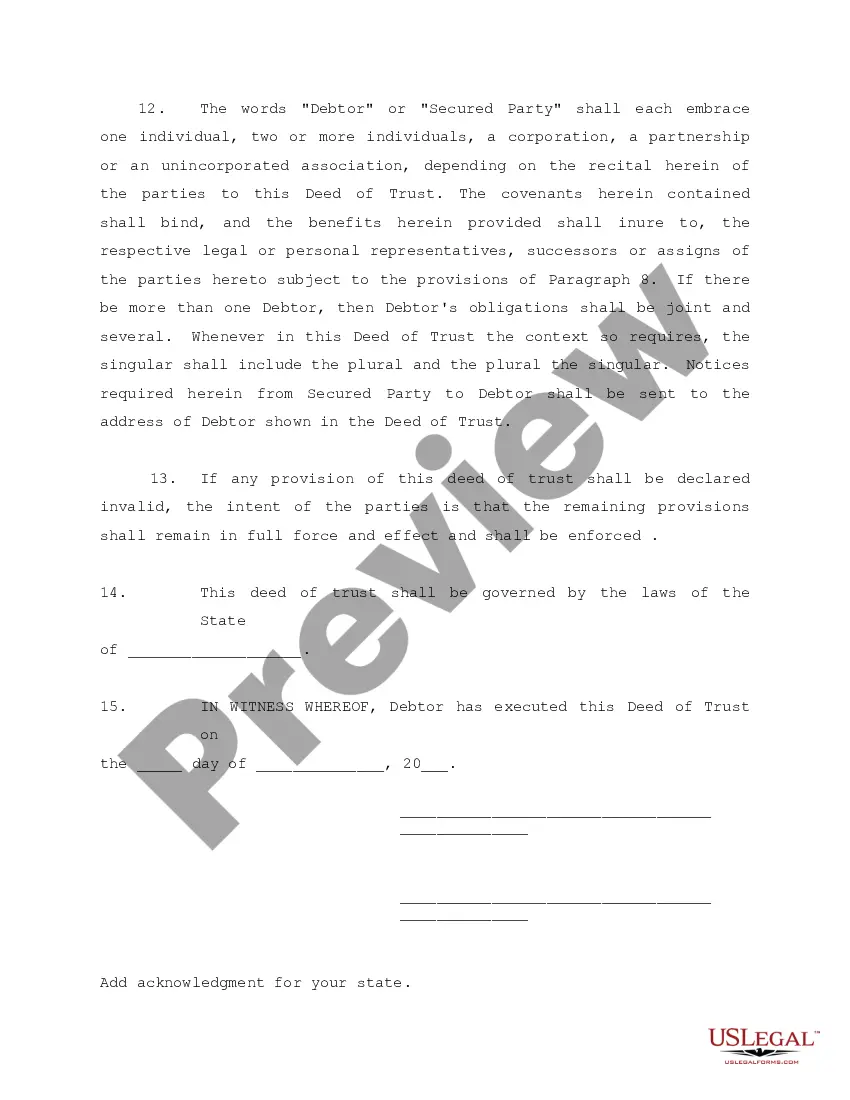
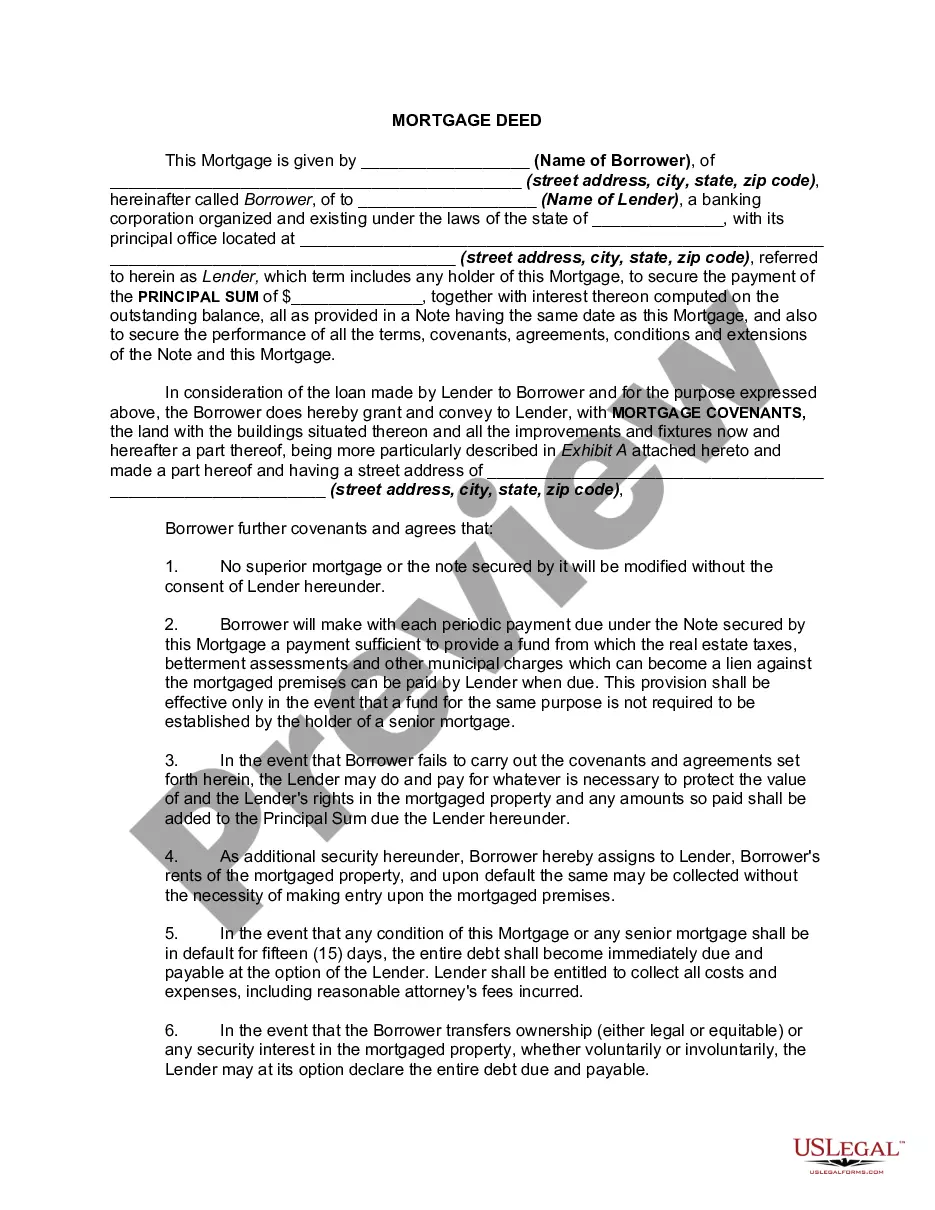
Secured Debt Shall For Loan In Michigan
Description


Get your form ready online
Our built-in tools help you complete, sign, share, and store your documents in one place.
Make edits, fill in missing information, and update formatting in US Legal Forms—just like you would in MS Word.
Download a copy, print it, send it by email, or mail it via USPS—whatever works best for your next step.
Sign and collect signatures with our SignNow integration. Send to multiple recipients, set reminders, and more. Go Premium to unlock E-Sign.
If this form requires notarization, complete it online through a secure video call—no need to meet a notary in person or wait for an appointment.
We protect your documents and personal data by following strict security and privacy standards.

Make edits, fill in missing information, and update formatting in US Legal Forms—just like you would in MS Word.

Download a copy, print it, send it by email, or mail it via USPS—whatever works best for your next step.

Sign and collect signatures with our SignNow integration. Send to multiple recipients, set reminders, and more. Go Premium to unlock E-Sign.

If this form requires notarization, complete it online through a secure video call—no need to meet a notary in person or wait for an appointment.

We protect your documents and personal data by following strict security and privacy standards.
Looking for another form?






Form popularity
FAQ
Effective January 1, 2005 Uniform Commercial Code (UCC) Filings are filed with the Michigan Secretary of State.
Uniform Commercial Code (UCC) filings allow creditors to notify other creditors about a debtor's assets used as collateral for a secured transaction. UCC liens filed with Secretary of State offices act as a public notice by the "creditor" of the creditor's interest in the property.
(6) Steps on How to Succeed in Debt Collections in Michigan Step 1: Don't Wait Too Long to Collect! Step 2: Demand Payment in Writing. Step 3: Find a Reputable Attorney to Represent You! Step 4: Find Appropriate Documentation for Debt Collections in Michigan. Step 5: Counterclaim Defense.
Ing to Michigan law, your creditor has up to 6 years (from the date of your last payment) to collect on a debt, including obtaining a judgment on the debt. By getting a judgment, your creditor can pursue collections (likely a garnishment) almost indefinitely as long as they renew the judgment every 10 years.
In Michigan, if the property is a single family, then the premium cannot exceed 1% of the amount prepaid during the first 3 years after closing, and no premium at all after that.
If you file for a Chapter 7 bankruptcy, your secured debt may be discharged, but the lender is also able to repossess the property that secured the debt. In other words, if you have a mortgage on your home and file a Chapter 7 bankruptcy, the mortgage debt may be discharged but the lender can take back your home.
Why is a Mortgage Secured Debt? A mortgage is what's called a secured debt because it is backed up by collateral. In this case, the collateral is your home.
