Secured Debt Shall For Loan In Massachusetts
Description

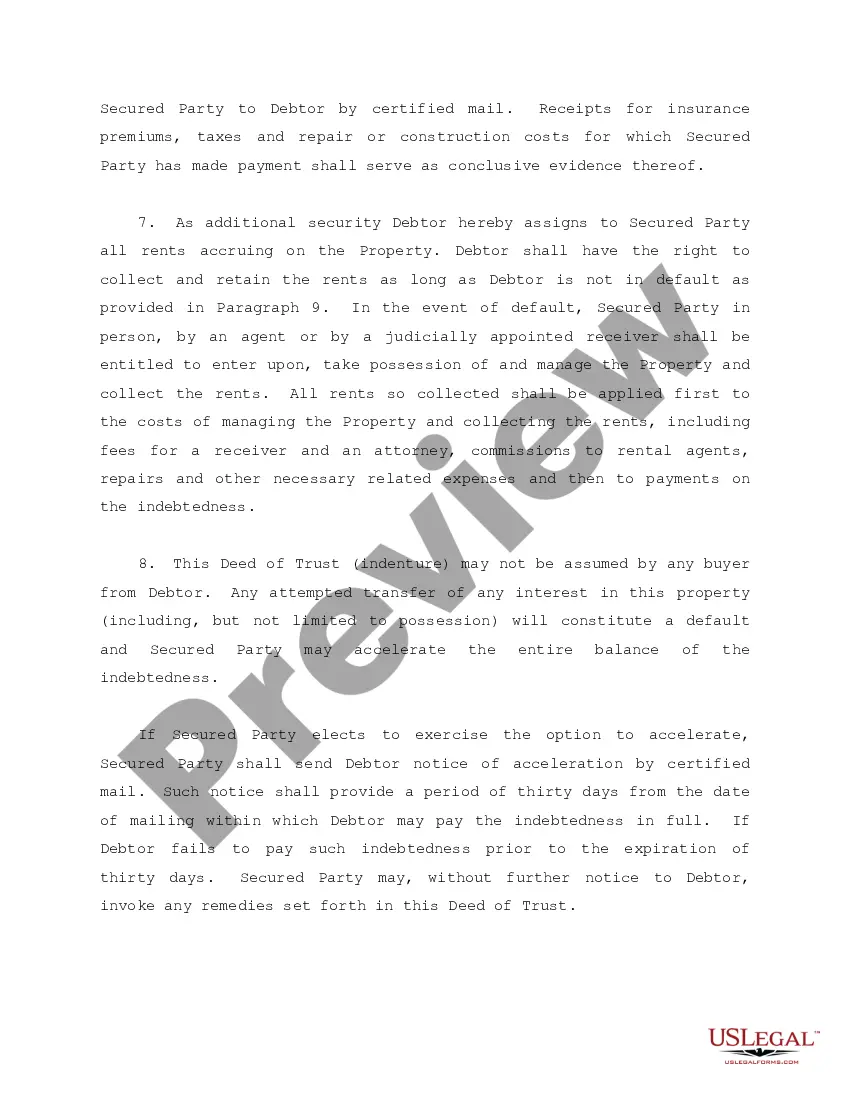
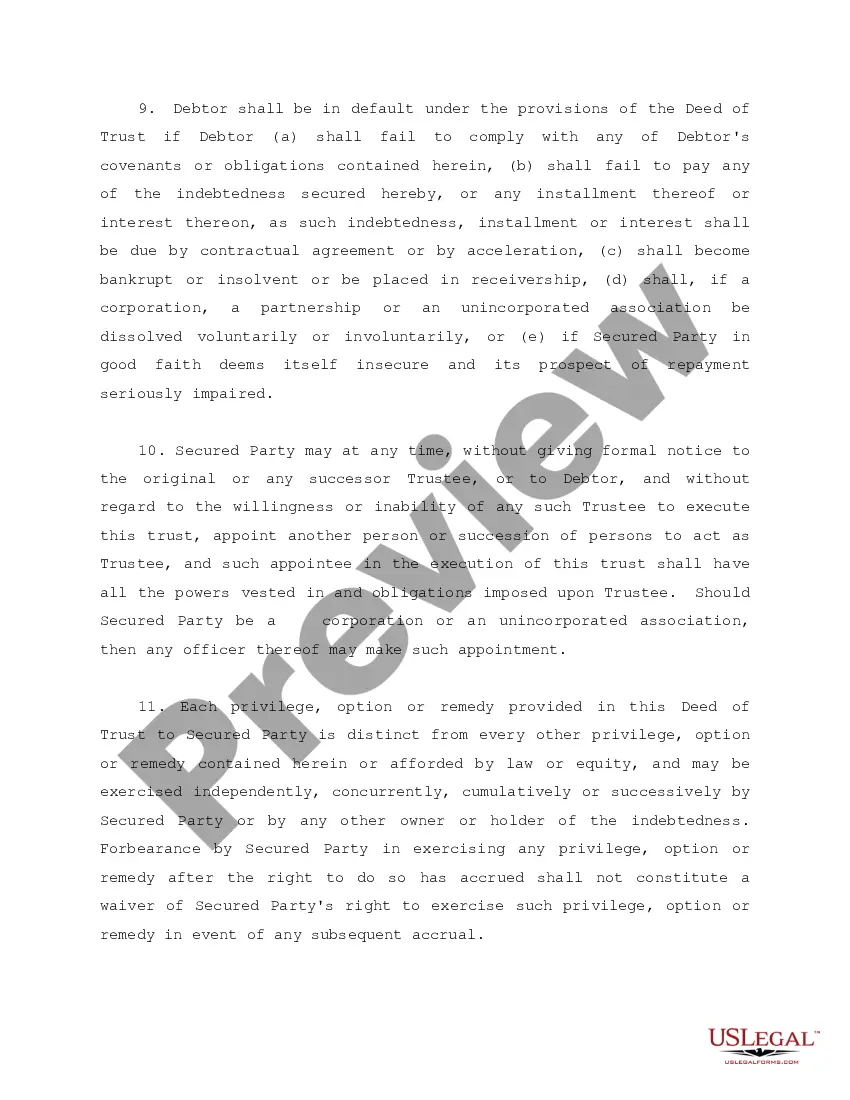
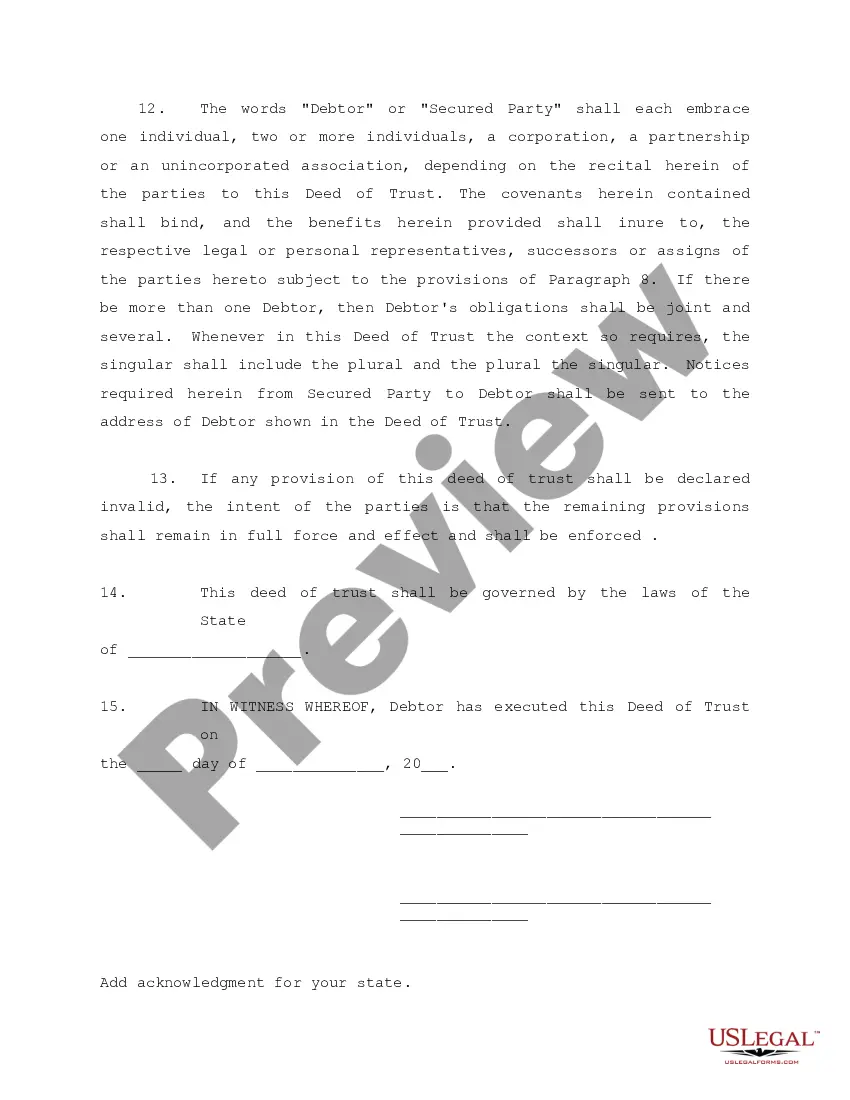


Get your form ready online
Our built-in tools help you complete, sign, share, and store your documents in one place.
Make edits, fill in missing information, and update formatting in US Legal Forms—just like you would in MS Word.
Download a copy, print it, send it by email, or mail it via USPS—whatever works best for your next step.
Sign and collect signatures with our SignNow integration. Send to multiple recipients, set reminders, and more. Go Premium to unlock E-Sign.
If this form requires notarization, complete it online through a secure video call—no need to meet a notary in person or wait for an appointment.
We protect your documents and personal data by following strict security and privacy standards.

Make edits, fill in missing information, and update formatting in US Legal Forms—just like you would in MS Word.

Download a copy, print it, send it by email, or mail it via USPS—whatever works best for your next step.

Sign and collect signatures with our SignNow integration. Send to multiple recipients, set reminders, and more. Go Premium to unlock E-Sign.

If this form requires notarization, complete it online through a secure video call—no need to meet a notary in person or wait for an appointment.

We protect your documents and personal data by following strict security and privacy standards.
Looking for another form?







Form popularity
FAQ
Statutes of Limitations for Each State (In Number of Years) StateWritten contractsOpen-ended accounts (including credit cards) Massachusetts 6 6 Michigan 6 6 Minnesota 6 6 Mississippi 3 347 more rows
DEBT COLLECTORS CANNOT: contact you at unreasonable places or times (such as before AM or after PM local time); use or threaten to use violence or criminal means to harm you, your reputation or your property; use obscene or profane language;
Keep in mind that making a partial payment or acknowledging you owe an old debt, even after the statute of limitations expired, may restart the time period.
Generally, there is a six year statute of limitations for filing a lawsuit to collect upon a debt, and a seven year statute for reporting bad credit, but there is no statute of limitations on billing for bad debts.
The Attorney General's debt collection regulations prohibit: Calling you at home more than twice for each debt in any seven-day period, or more than twice for each debt in any 30-day period at some place other than your home, such as your place of work. Calling you at work if you have requested that they not call.
Yes. This is known as the statute of limitations, and it is based on the date when you first stopped paying the original debt. Each state has it's own statute of limitations, ranging from as little as 3 or 4 years, to as much as 7 or 10 years (or even longer).
Because of something known as a statute of limitations, some debts become unenforceable after six years. This means that creditors can no longer chase you or take legal action against you for the amount owed.
The statute of limitations for debt collection in Massachusetts is six years. That means that a creditor or debt collector has six years from the last payment on a debt to take a Massachusetts resident to court (even if the company is in a state that has a different statute of limitations).
Most states or jurisdictions have statutes of limitations between three and six years for debts, but some may be longer. This may also vary depending, for instance, on the: Type of debt.
