Secured Debt Any Formula In Massachusetts
Description

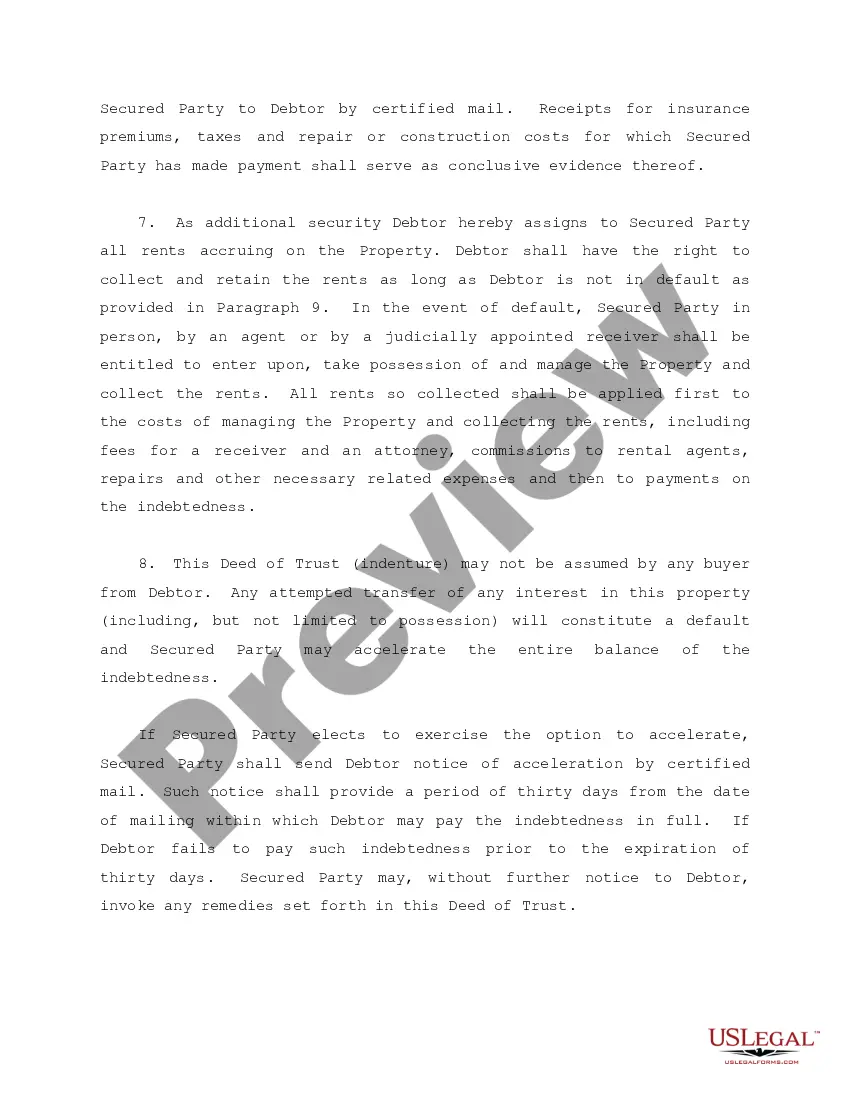
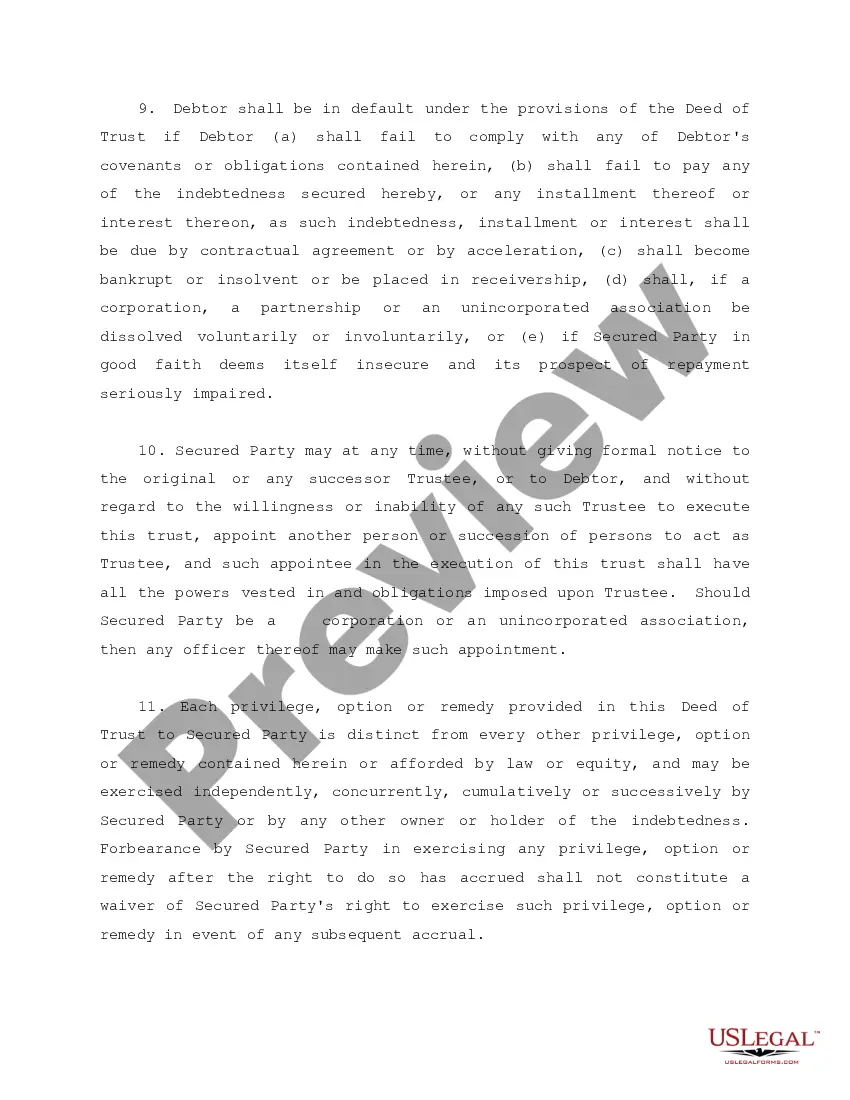
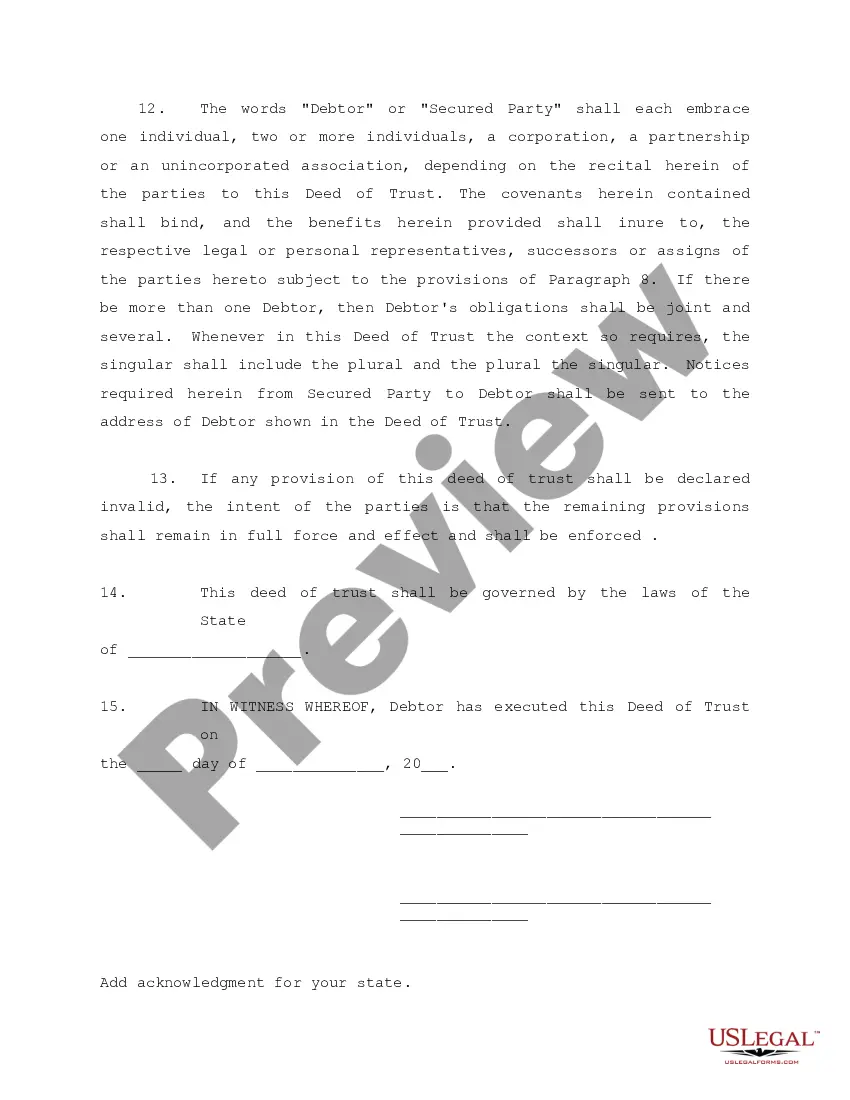
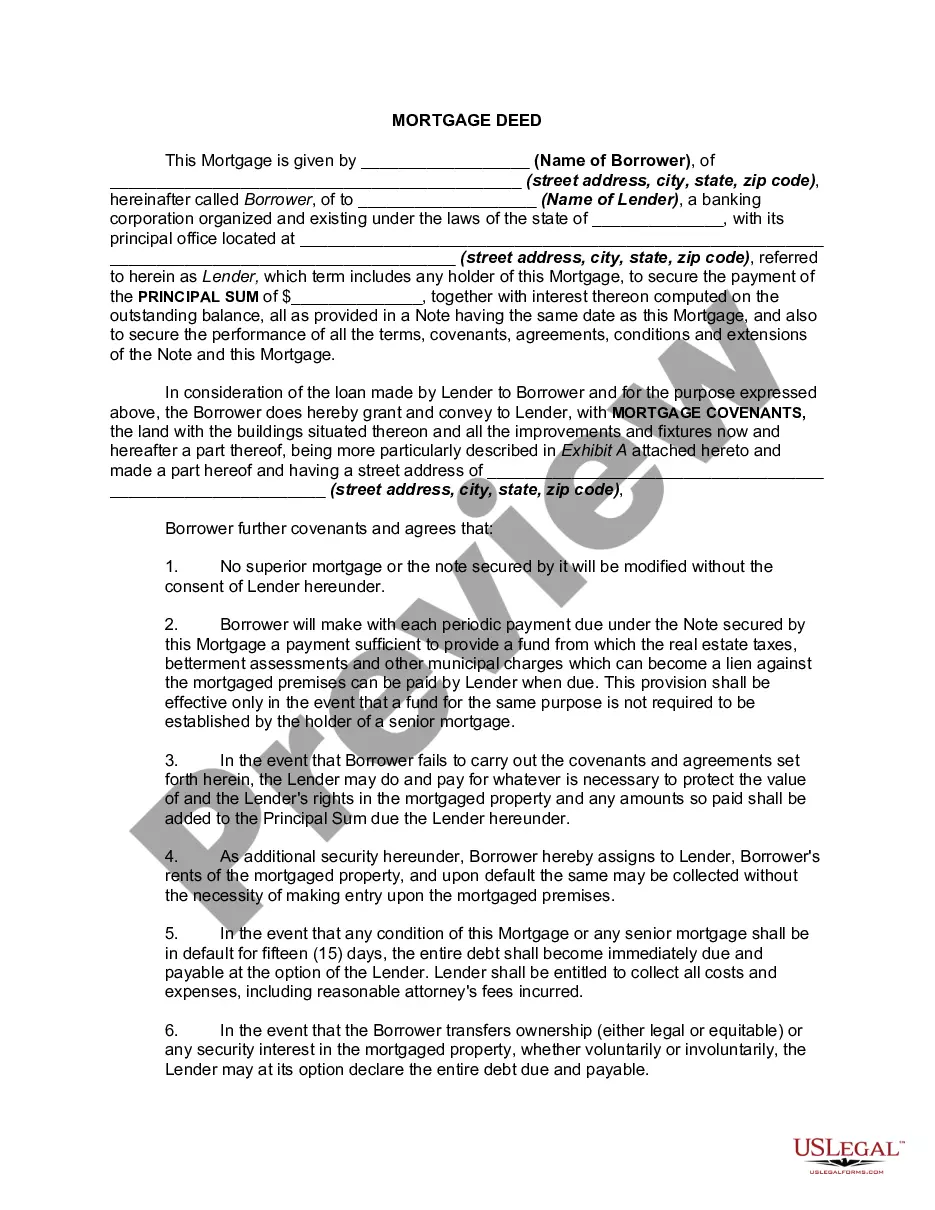

Get your form ready online
Our built-in tools help you complete, sign, share, and store your documents in one place.
Make edits, fill in missing information, and update formatting in US Legal Forms—just like you would in MS Word.
Download a copy, print it, send it by email, or mail it via USPS—whatever works best for your next step.
Sign and collect signatures with our SignNow integration. Send to multiple recipients, set reminders, and more. Go Premium to unlock E-Sign.
If this form requires notarization, complete it online through a secure video call—no need to meet a notary in person or wait for an appointment.
We protect your documents and personal data by following strict security and privacy standards.

Make edits, fill in missing information, and update formatting in US Legal Forms—just like you would in MS Word.

Download a copy, print it, send it by email, or mail it via USPS—whatever works best for your next step.

Sign and collect signatures with our SignNow integration. Send to multiple recipients, set reminders, and more. Go Premium to unlock E-Sign.

If this form requires notarization, complete it online through a secure video call—no need to meet a notary in person or wait for an appointment.

We protect your documents and personal data by following strict security and privacy standards.
Looking for another form?







Form popularity
FAQ
You must file an answer with the court that issued the summons or citation. If you fail to answer, you could lose the case without ever having the opportunity to tell your side of the story. The summons or citation will provide you with information regarding where and when to file your answer.
In Massachusetts, the statute of limitations for commercial debt collection is six years. This means that you have a six-year window from the date the debt became due to take legal action and file a lawsuit against the debtor.
The Attorney General's debt collection regulations prohibit: Calling you at home more than twice for each debt in any seven-day period, or more than twice for each debt in any 30-day period at some place other than your home, such as your place of work. Calling you at work if you have requested that they not call.
Mortgages, home equity loans, home equity lines of credit (HELOCs) and auto loans are all forms of secured debt, while most personal loans, credit cards, student loans and medical loans are unsecured debt.
Dear debt collector, I am responding to your contact about collecting a debt. You contacted me by phone/mail, on date and identified the debt as any information they gave you about the debt. I do not have any responsibility for the debt you're trying to collect.
Requesting validation of the debt is crucial. It serves two purposes: First, it requires the debt collector to provide proof that the debt is actually yours. This includes proof of the debt itself, and proof of assignment if the account is now owned by someone else.
Follow these three steps to respond to your debt lawsuit in Massachusetts Answer each issue of the Complaint. Assert affirmative defenses and counterclaims. File the Answer with the court and serve the plaintiff.
Massachusetts law prohibits unfair, deceptive, and unreasonable debt-collection practices. The Attorney General has issued debt collection regulations that establish standards by defining unfair and deceptive acts and practices for the collection of debt from Massachusetts consumers.
If you can't or don't want to keep paying the secured debt, you have the option to surrender the collateral. This means you give the property back to the lender, and you're no longer responsible for the debt.
If the debt is unsecured, the creditor can: Stop doing business with you. Report your debt to a credit reporting agency. Bring a lawsuit to collect the debt.
