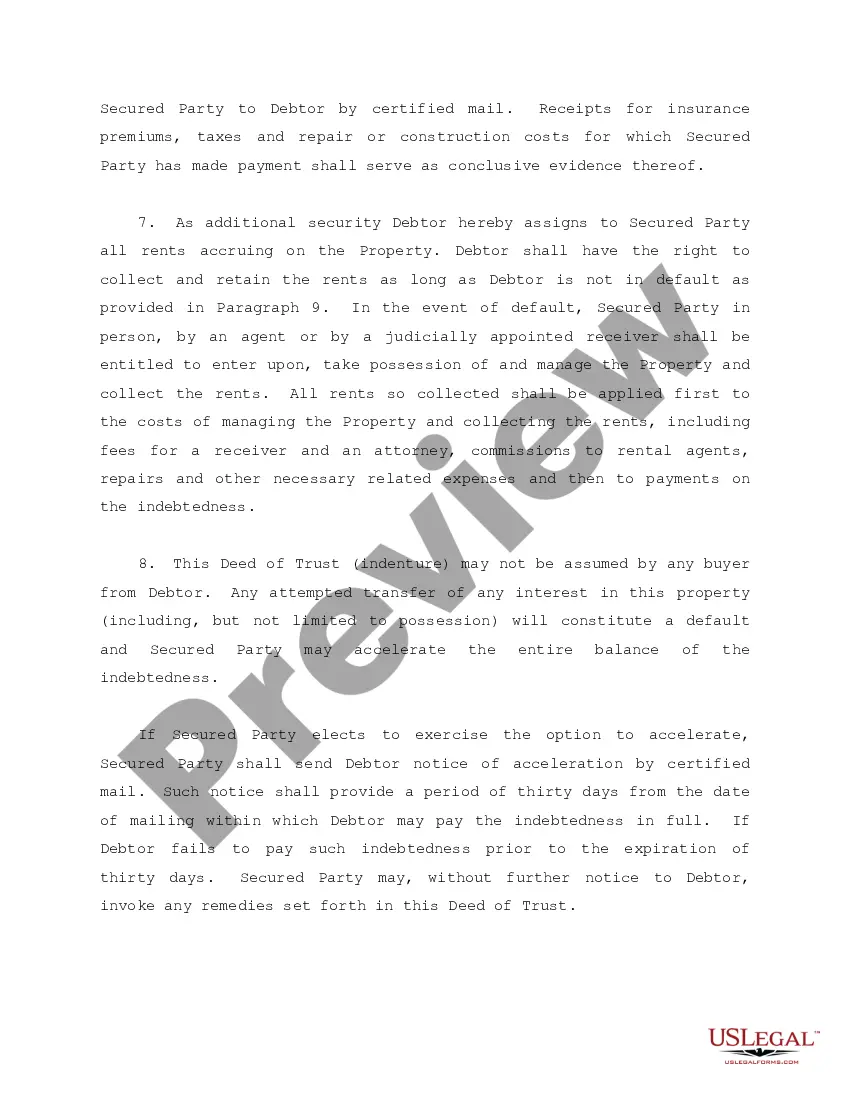
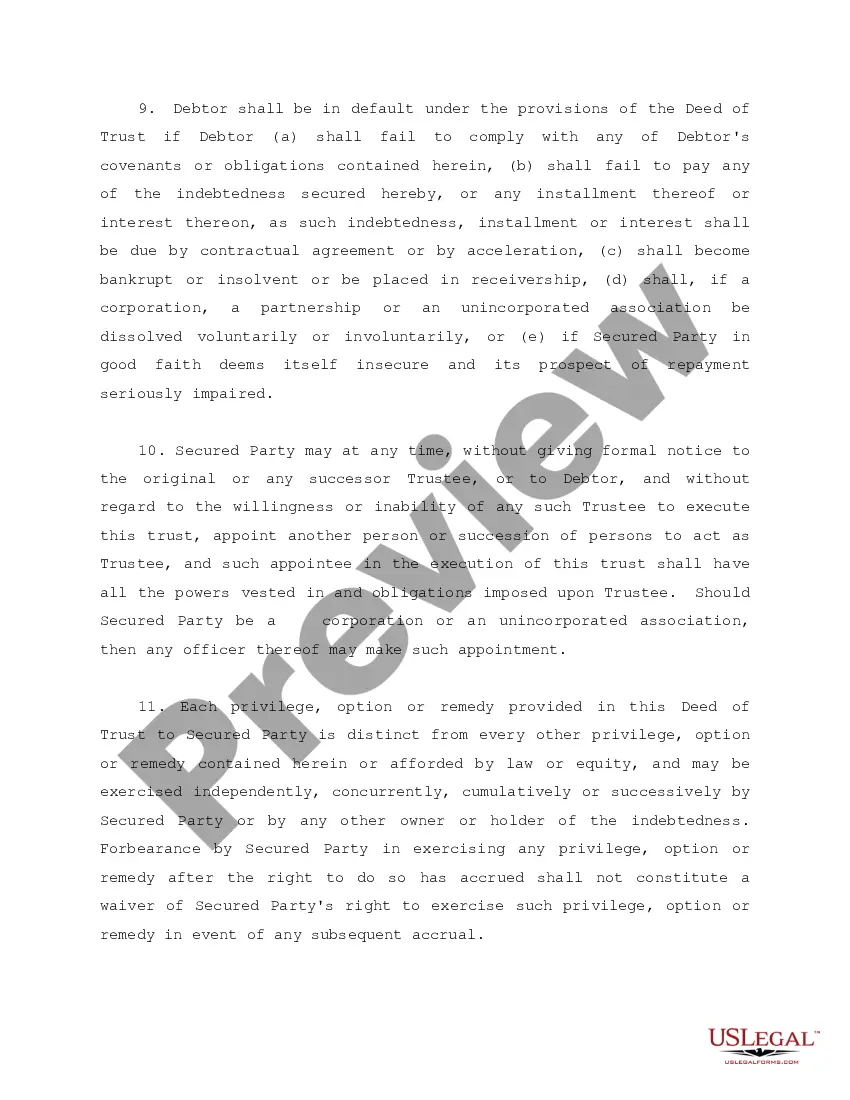
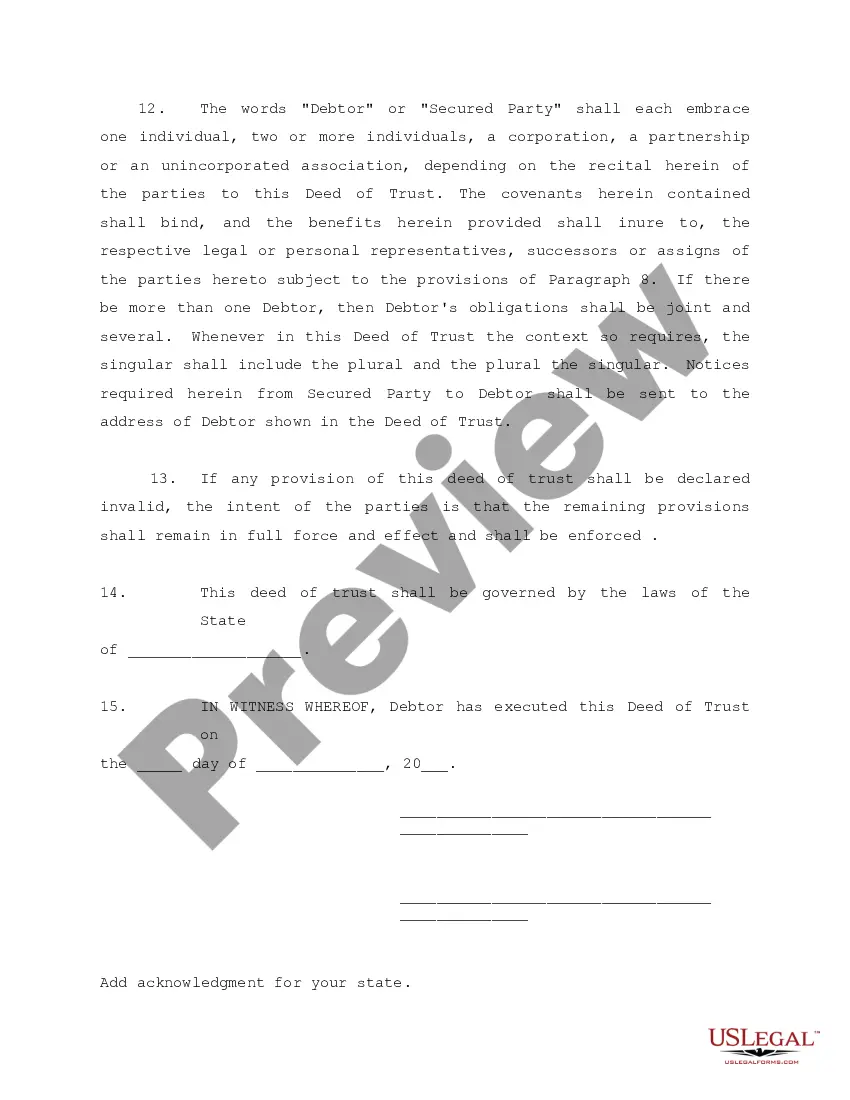
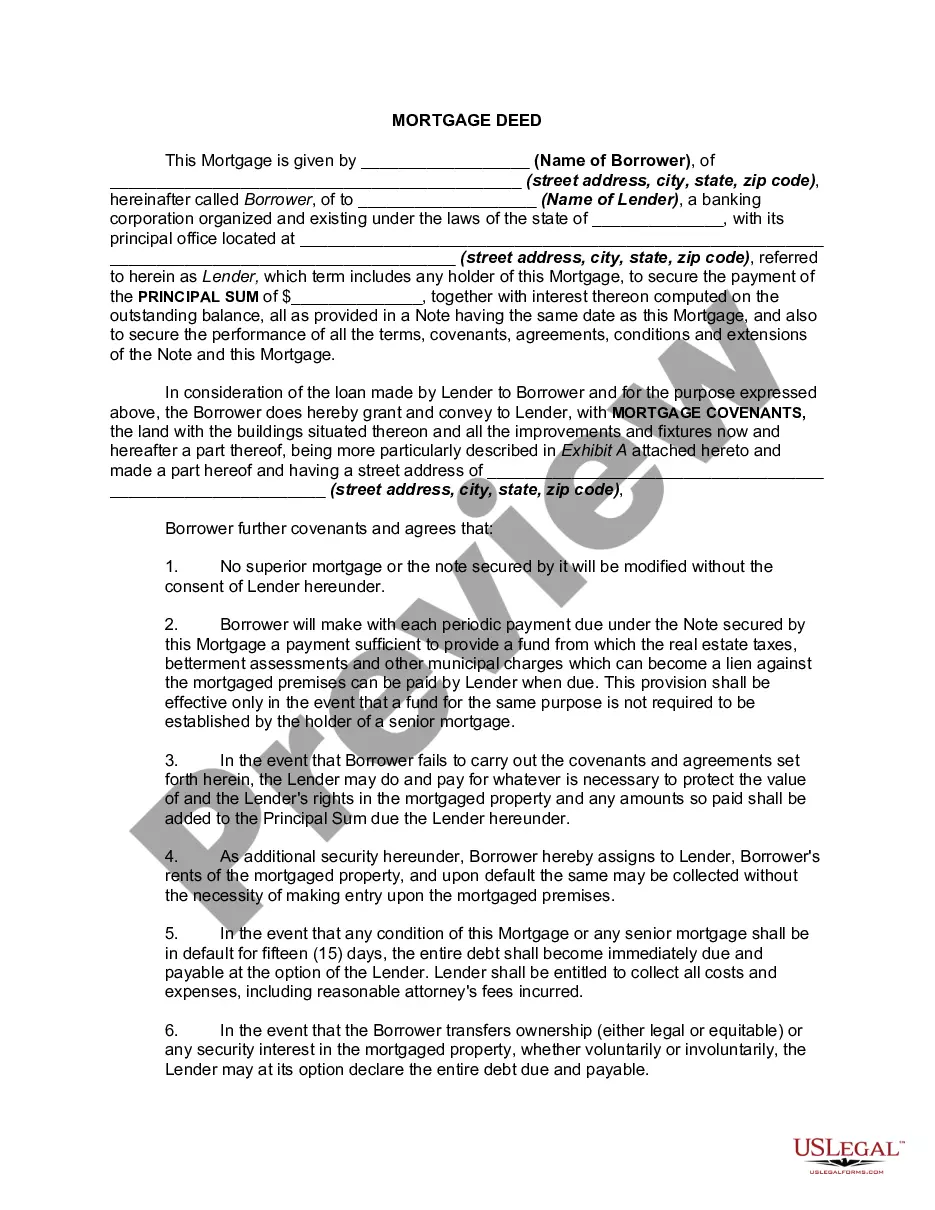
Secured Debt Any For Loan In Houston
Description


Get your form ready online
Our built-in tools help you complete, sign, share, and store your documents in one place.
Make edits, fill in missing information, and update formatting in US Legal Forms—just like you would in MS Word.
Download a copy, print it, send it by email, or mail it via USPS—whatever works best for your next step.
Sign and collect signatures with our SignNow integration. Send to multiple recipients, set reminders, and more. Go Premium to unlock E-Sign.
If this form requires notarization, complete it online through a secure video call—no need to meet a notary in person or wait for an appointment.
We protect your documents and personal data by following strict security and privacy standards.

Make edits, fill in missing information, and update formatting in US Legal Forms—just like you would in MS Word.

Download a copy, print it, send it by email, or mail it via USPS—whatever works best for your next step.

Sign and collect signatures with our SignNow integration. Send to multiple recipients, set reminders, and more. Go Premium to unlock E-Sign.

If this form requires notarization, complete it online through a secure video call—no need to meet a notary in person or wait for an appointment.

We protect your documents and personal data by following strict security and privacy standards.
Looking for another form?







Form popularity
FAQ
This is done by putting your request in writing and sending it to the court and to the plaintiff. Once you have been served with the citation, you have 14 days to file an answer, which is your response to your lawsuit. You must give your answer to the court and also send it to the plaintiff.
Can debt collectors sue you? Typically, debt collectors will only pursue legal action when the amount owed is in excess of $5,000, but they can sue for less.
For most debt collection agencies, suing for very small amounts is not economically viable. While specific thresholds vary among agencies and jurisdictions, certain principles generally apply. Typically, agencies may set a minimum threshold, often around $500 to $1,000, below which they are unlikely to sue.
The bottom line. While debt collectors may not automatically sue over a $3,000 credit card debt, they have the right to pursue legal action if they believe it's a viable option.
Typically, debt collectors will only pursue legal action when the amount owed is in excess of $5,000, but they can sue for less. “If they do sue, you need to show up at court,” says Lewis-Parks.
While agencies typically pursue the full amount owed, debt buyers may accept reduced payments. The decision to sue often depends on the debt's size (usually a minimum of $1,000), age, and original agreements. Debt collection practices for unpaid credit card balances frequently lead to court cases.
Texas law gives someone 4 years to bring a lawsuit for unpaid debt.
During the call you should never say it's your debt, your account, that you ever had an account, and any other personal financial information. Don't lie if they ask you point-blank questions; just don't answer them by reiterating the first paragraph... several times if necessary.
Reasons why you might get denied for a secured credit card Currently being unemployed or having insufficient income history from a new job that has only started in the last few weeks. A series of missed payments or defaults on previous credit cards and a bankruptcy filed in the past few months.
In many cases, a bankruptcy discharge can eliminate your personal responsibility for secured debt, so the lender can't sue you for unpaid amounts. However, the lien on the property doesn't automatically go away. The lender can still take back the collateral if you stop making payments.
