Security Debt Shall With Example In Florida
Description

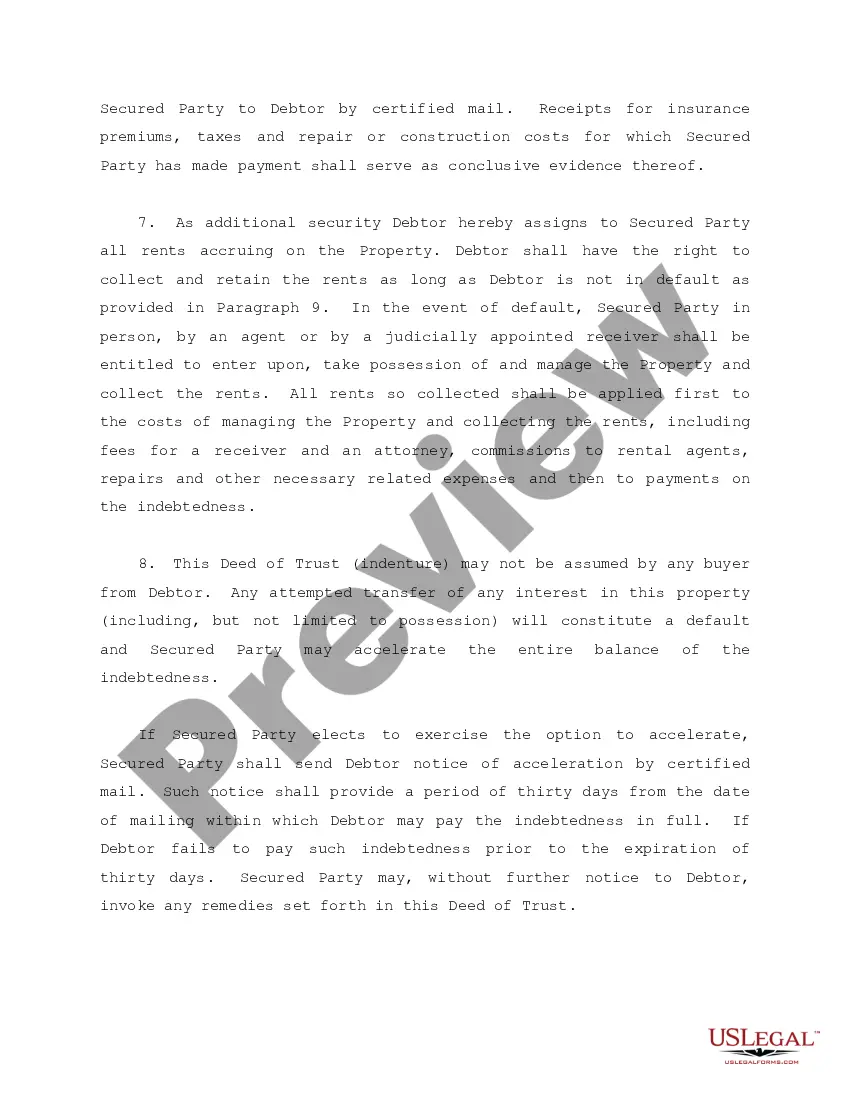
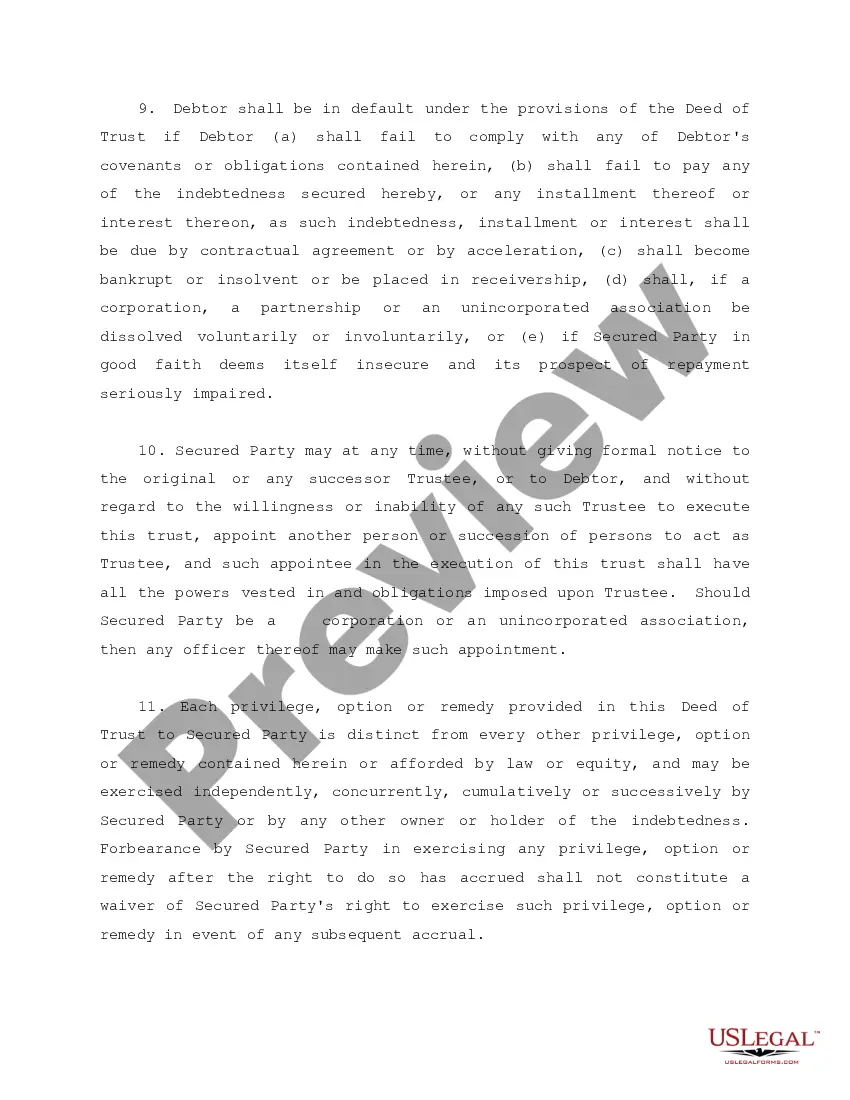
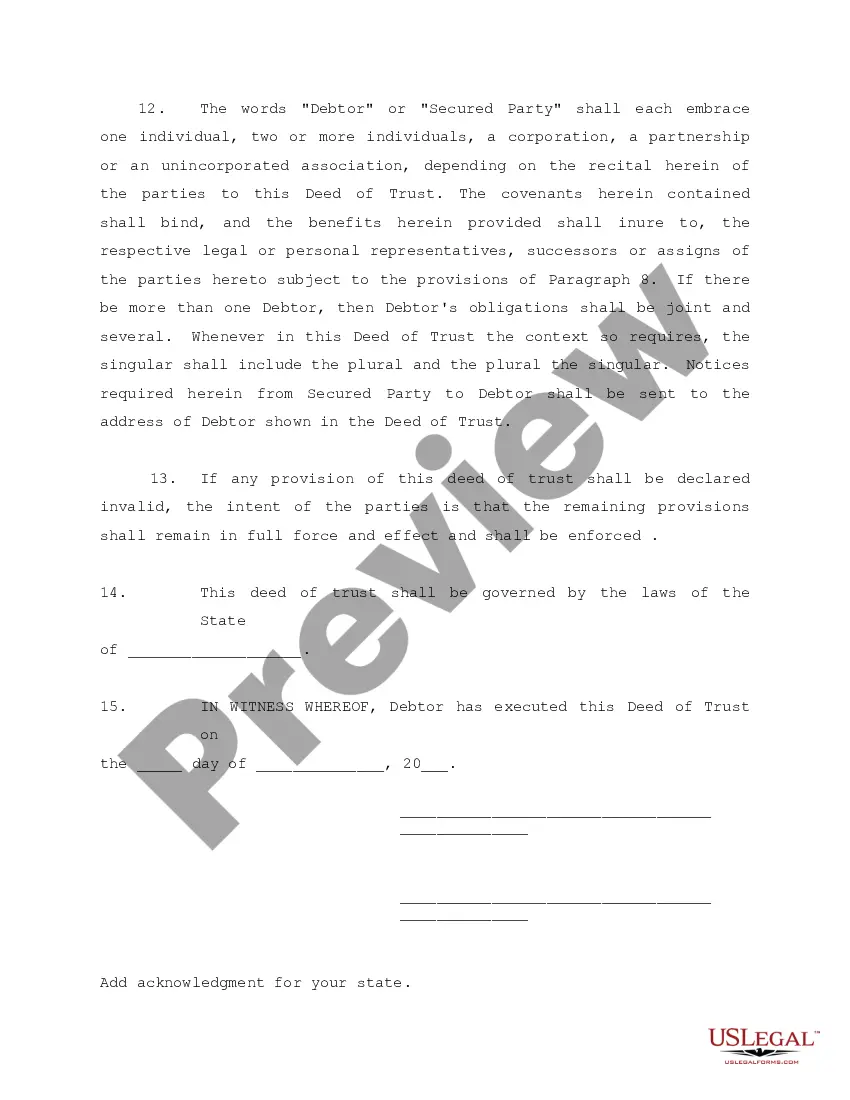
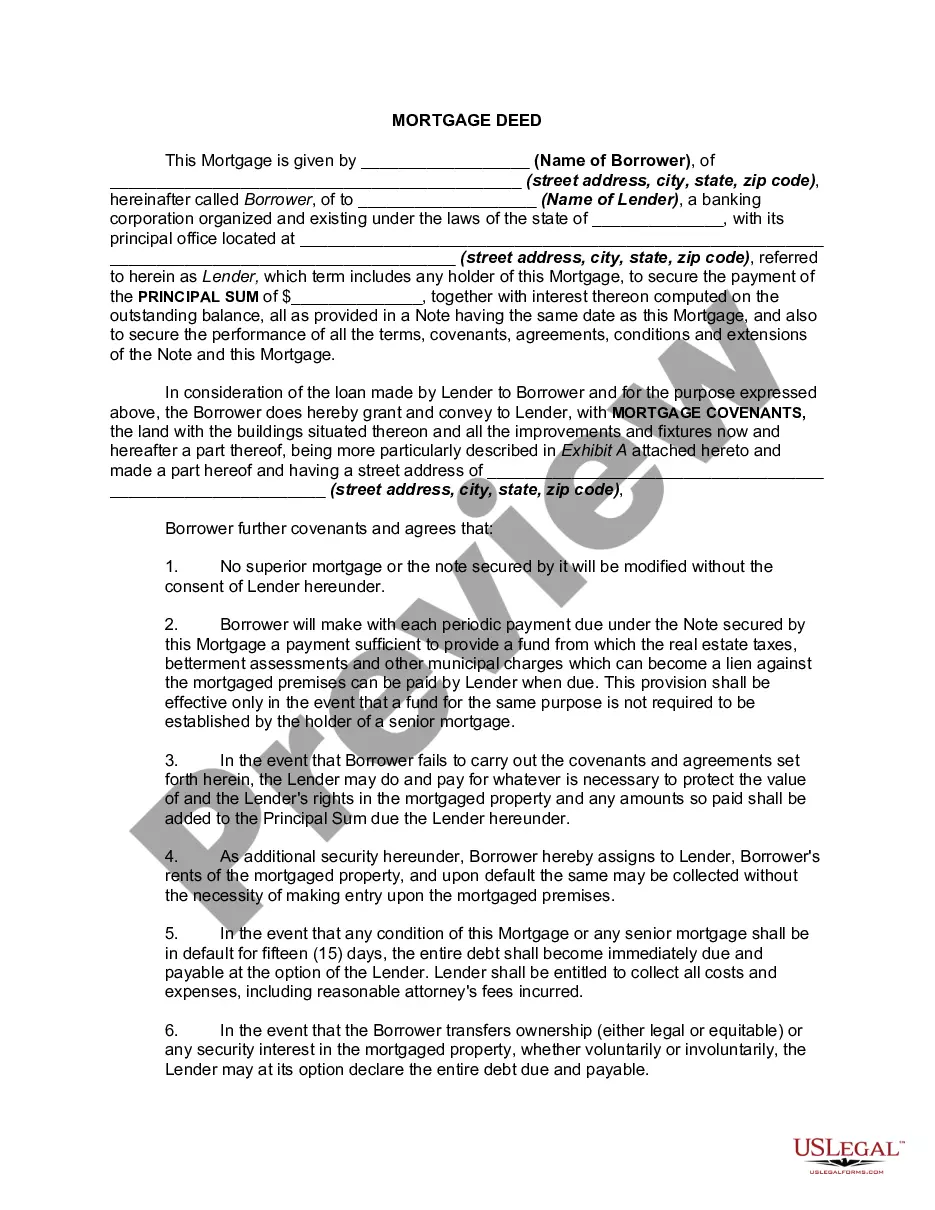

Get your form ready online
Our built-in tools help you complete, sign, share, and store your documents in one place.
Make edits, fill in missing information, and update formatting in US Legal Forms—just like you would in MS Word.
Download a copy, print it, send it by email, or mail it via USPS—whatever works best for your next step.
Sign and collect signatures with our SignNow integration. Send to multiple recipients, set reminders, and more. Go Premium to unlock E-Sign.
If this form requires notarization, complete it online through a secure video call—no need to meet a notary in person or wait for an appointment.
We protect your documents and personal data by following strict security and privacy standards.

Make edits, fill in missing information, and update formatting in US Legal Forms—just like you would in MS Word.

Download a copy, print it, send it by email, or mail it via USPS—whatever works best for your next step.

Sign and collect signatures with our SignNow integration. Send to multiple recipients, set reminders, and more. Go Premium to unlock E-Sign.

If this form requires notarization, complete it online through a secure video call—no need to meet a notary in person or wait for an appointment.

We protect your documents and personal data by following strict security and privacy standards.
Looking for another form?





Form popularity
FAQ
Unsecured debt can take the form of things like traditional credit cards, personal loans, student loans and medical bills.
A lien is a security interest or legal claim against property that is used as collateral to satisfy a debt. In other words, liens enable creditors to assert their rights over property.
Secured debt - A debt that is backed by real or personal property is a “secured” debt. A creditor whose debt is “secured” has a legal right to take the property as full or partial satisfaction of the debt. For example, most homes are burdened by a “secured debt”.
The Landlord may claim all or a portion of the security deposit only after giving the Tenant written notice, by certified mail to the Tenant's last known mailing address, of the Landlord's intention to keep the deposit and the reason for keeping it.
THE LANDLORD MUST MAIL YOU NOTICE, WITHIN 30 DAYS AFTER YOU MOVE OUT, OF THE LANDLORD'S INTENT TO IMPOSE A CLAIM AGAINST THE DEPOSIT.
If the tenant receives a notice of the landlord's claim against the security deposit, the tenant has 15 days to object to the claim. The tenant may object to the reason for the claim and/or the amount of the claim. The tenant's objection should be in writing and should be sent to the landlord by certified mail.
WHEN YOU MOVE OUT, YOU MUST GIVE THE LANDLORD YOUR NEW ADDRESS SO THAT THE LANDLORD CAN SEND YOU NOTICES REGARDING YOUR DEPOSIT. THE LANDLORD MUST MAIL YOU NOTICE, WITHIN 30 DAYS AFTER YOU MOVE OUT, OF THE LANDLORD'S INTENT TO IMPOSE A CLAIM AGAINST THE DEPOSIT.
It follows that a security interest in a promissory note may be perfected by filing or by possession. However, perfection by possession of a security interest in a promissory note is preferable.
A lender can perfect a lien on a borrower's deposit account only by obtaining "control" over the account, which requires one of the following arrangements: (1) the borrower maintains its deposit account directly with the lender; (2) the lender becomes the actual owner of the borrower's deposit accounts with the ...
