Security Debt Any Forgiveness In Cuyahoga
Description

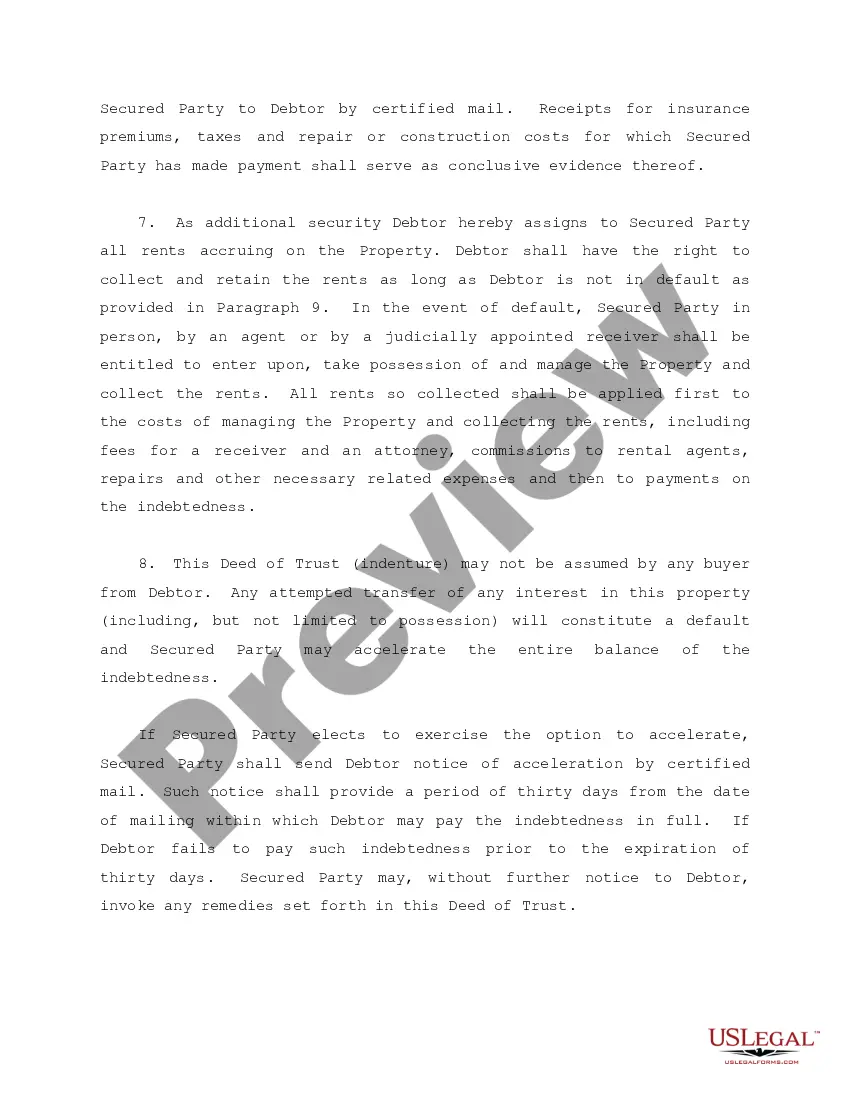
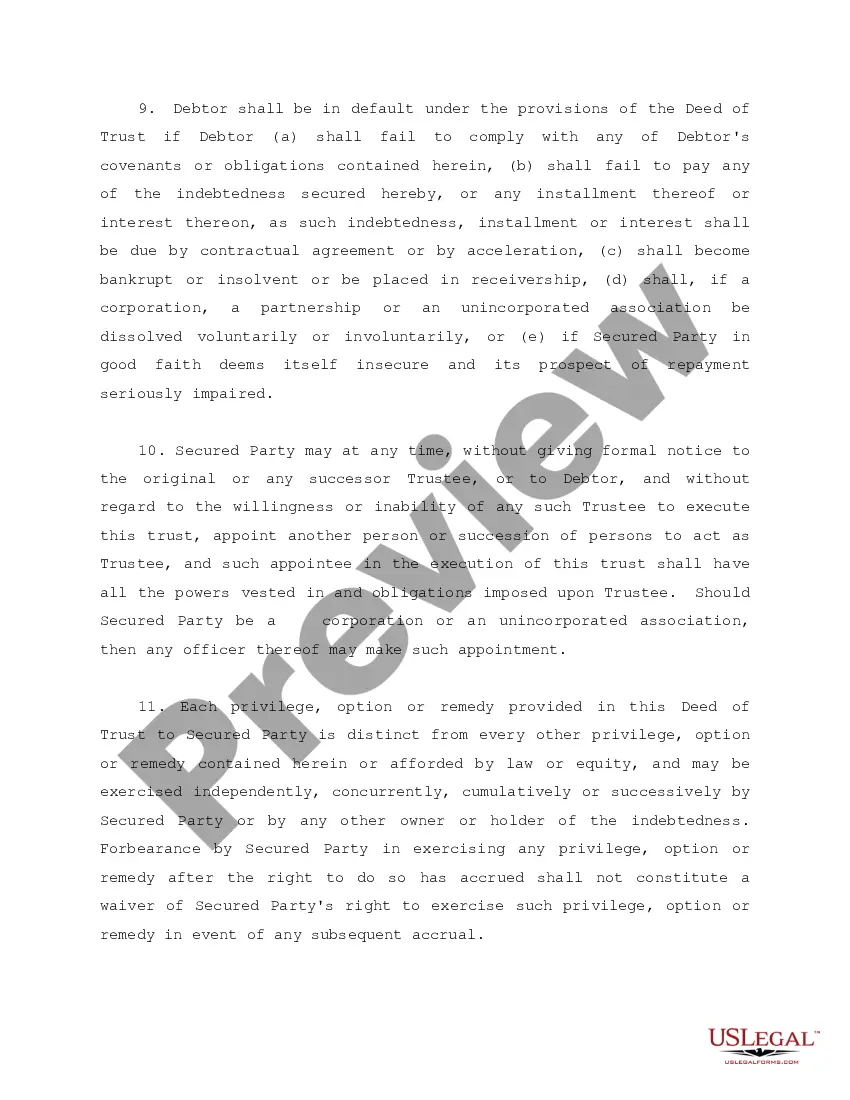
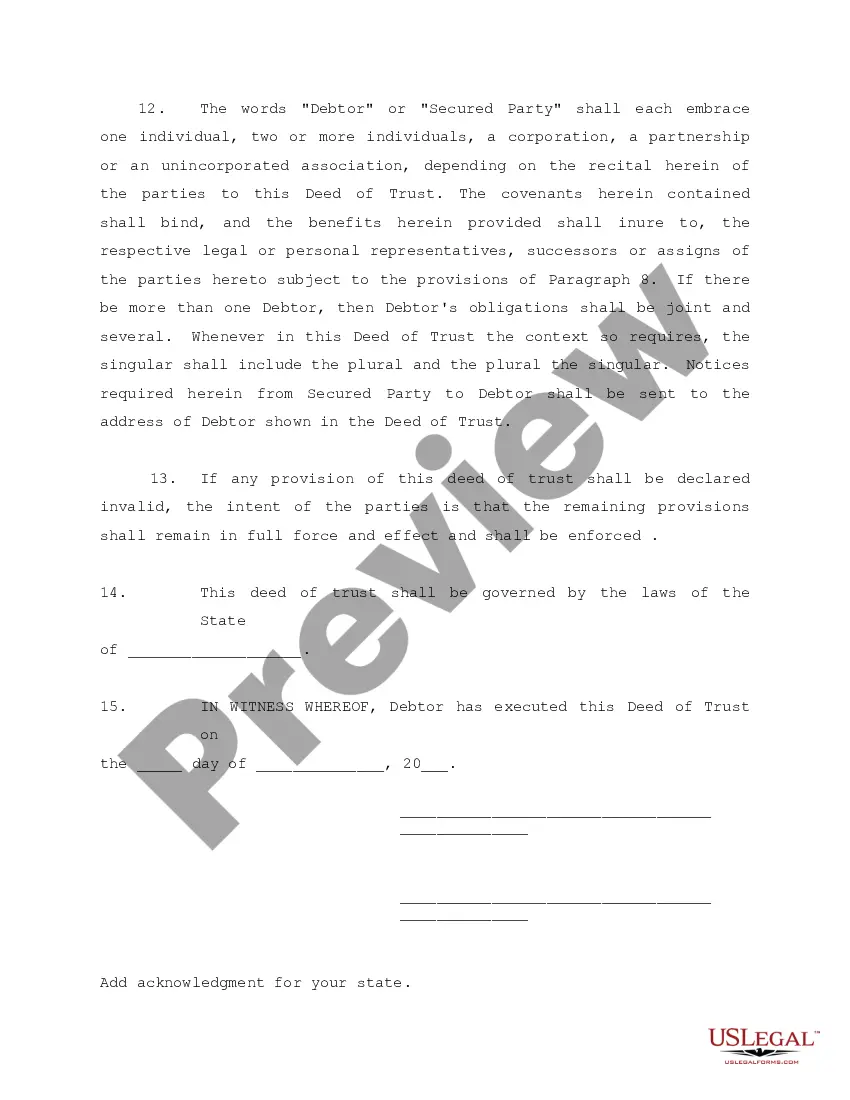
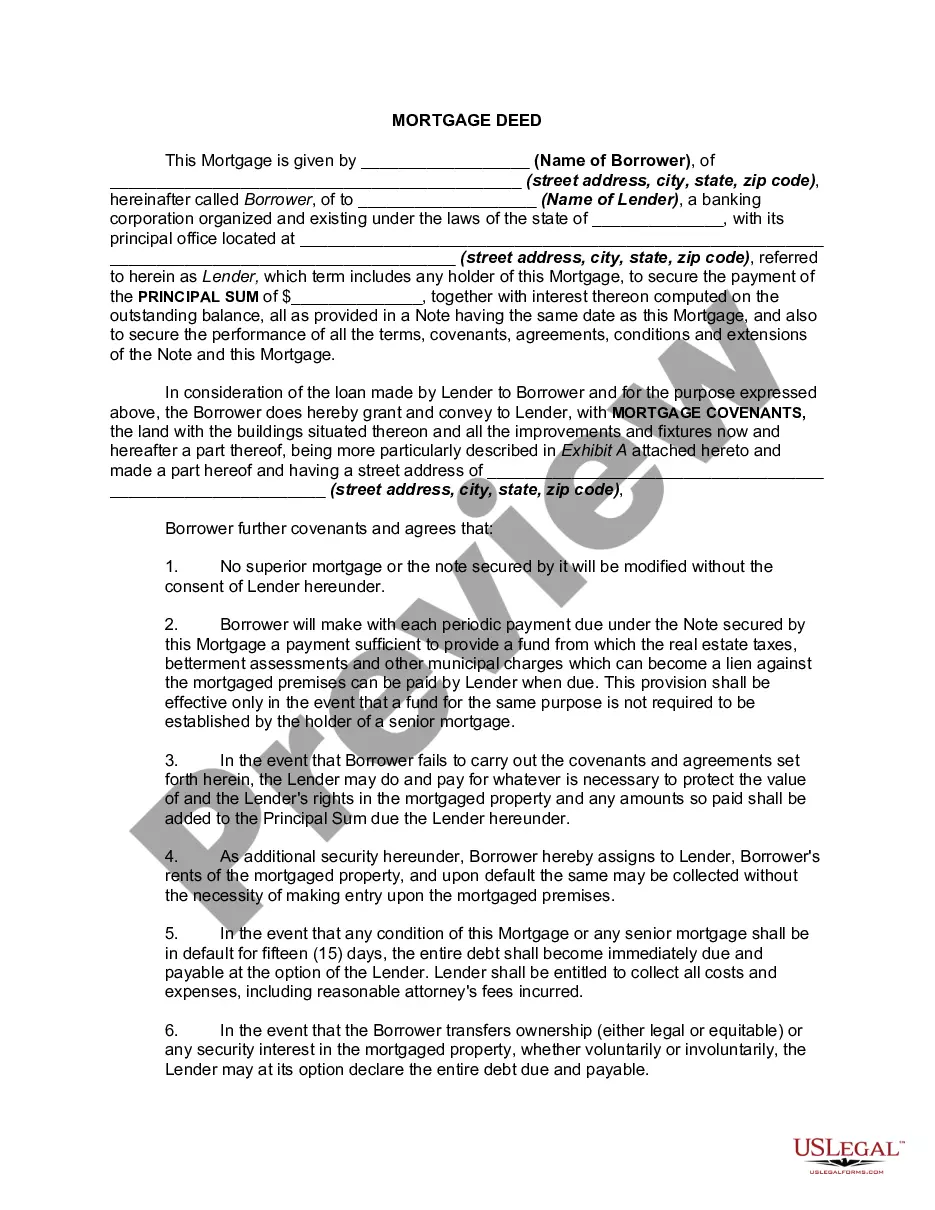

Get your form ready online
Our built-in tools help you complete, sign, share, and store your documents in one place.
Make edits, fill in missing information, and update formatting in US Legal Forms—just like you would in MS Word.
Download a copy, print it, send it by email, or mail it via USPS—whatever works best for your next step.
Sign and collect signatures with our SignNow integration. Send to multiple recipients, set reminders, and more. Go Premium to unlock E-Sign.
If this form requires notarization, complete it online through a secure video call—no need to meet a notary in person or wait for an appointment.
We protect your documents and personal data by following strict security and privacy standards.

Make edits, fill in missing information, and update formatting in US Legal Forms—just like you would in MS Word.

Download a copy, print it, send it by email, or mail it via USPS—whatever works best for your next step.

Sign and collect signatures with our SignNow integration. Send to multiple recipients, set reminders, and more. Go Premium to unlock E-Sign.

If this form requires notarization, complete it online through a secure video call—no need to meet a notary in person or wait for an appointment.

We protect your documents and personal data by following strict security and privacy standards.
Looking for another form?








Form popularity
FAQ
Lenders apply debt forgiveness in several ways, including through directly negotiated settlements or government programs. You can also approach industry professionals such as debt counselors to assist with repayment plans. However, it's important to keep in mind that debt forgiveness is relatively rare.
When it comes to credit card debt relief, it's important to dispel a common misconception: There are no government-sponsored programs specifically designed to eliminate credit card debt. So, you should be wary of any offers claiming to represent such government initiatives, as they may be misleading or fraudulent.
Which debt solutions write off debts? Bankruptcy: Writes off unsecured debts if you cannot repay them. Any assets like a house or car may be sold. Debt relief order (DRO): Writes off debts if you have a relatively low level of debt. Must also have few assets. Individual voluntary arrangement (IVA): A formal agreement.
When it comes to credit card debt relief, it's important to dispel a common misconception: There are no government-sponsored programs specifically designed to eliminate credit card debt. So, you should be wary of any offers claiming to represent such government initiatives, as they may be misleading or fraudulent.
Debt forgiveness involves negotiating with your credit card companies to settle your debt for a lower amount than what you actually owe. While you can attempt this on your own, many people turn to debt relief companies for assistance in navigating the process and negotiating with creditors.
The borrower can apply for debt forgiveness on compassionate grounds by writing about the financial difficulties and requesting the creditor to cancel the debt amount.
PSLF Process Because you have to make 120 qualifying monthly payments, it will take at least 10 years before you can qualify for PSLF. Important: You must still be working for a qualifying employer at the time you submit your form for forgiveness.
