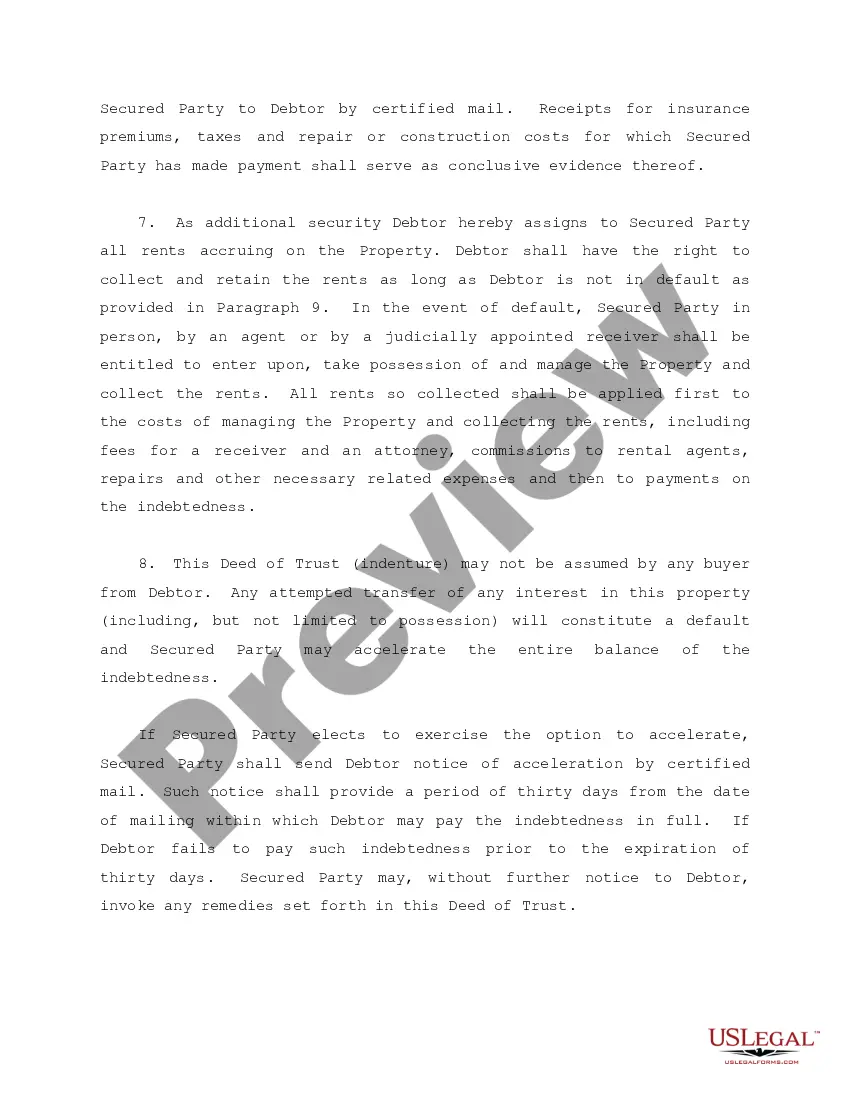
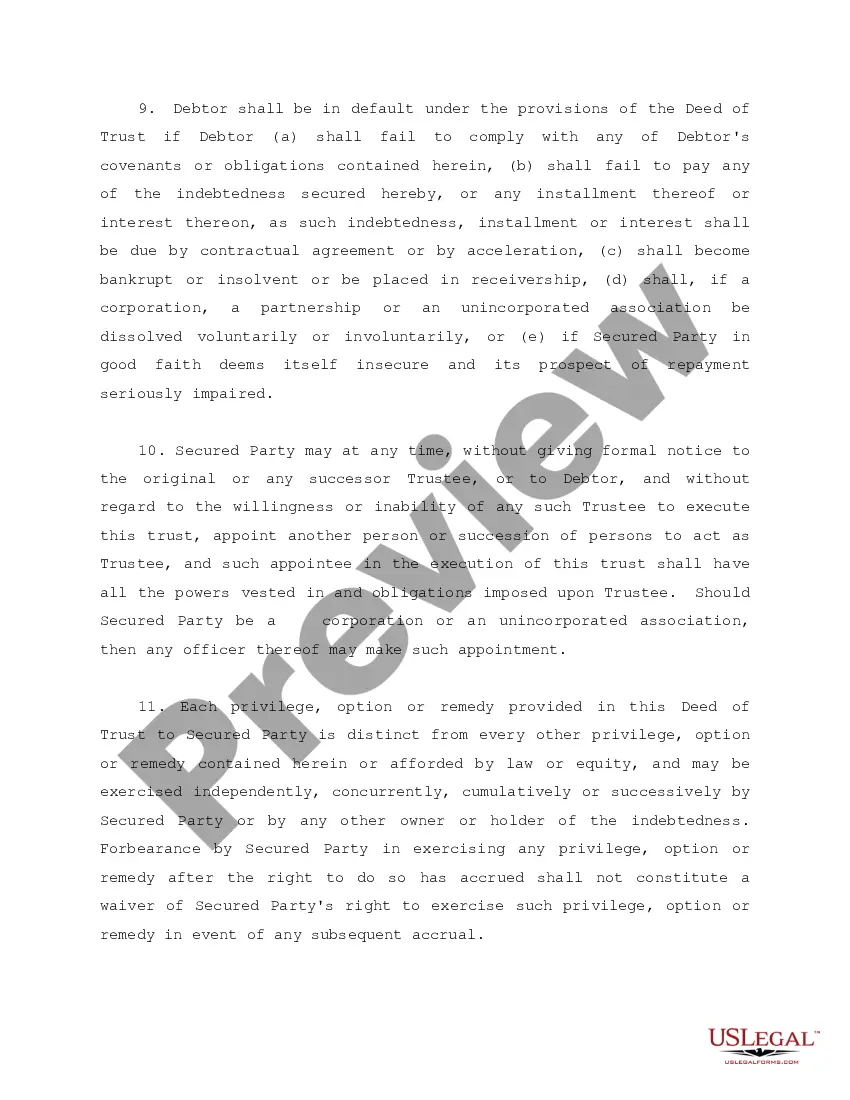
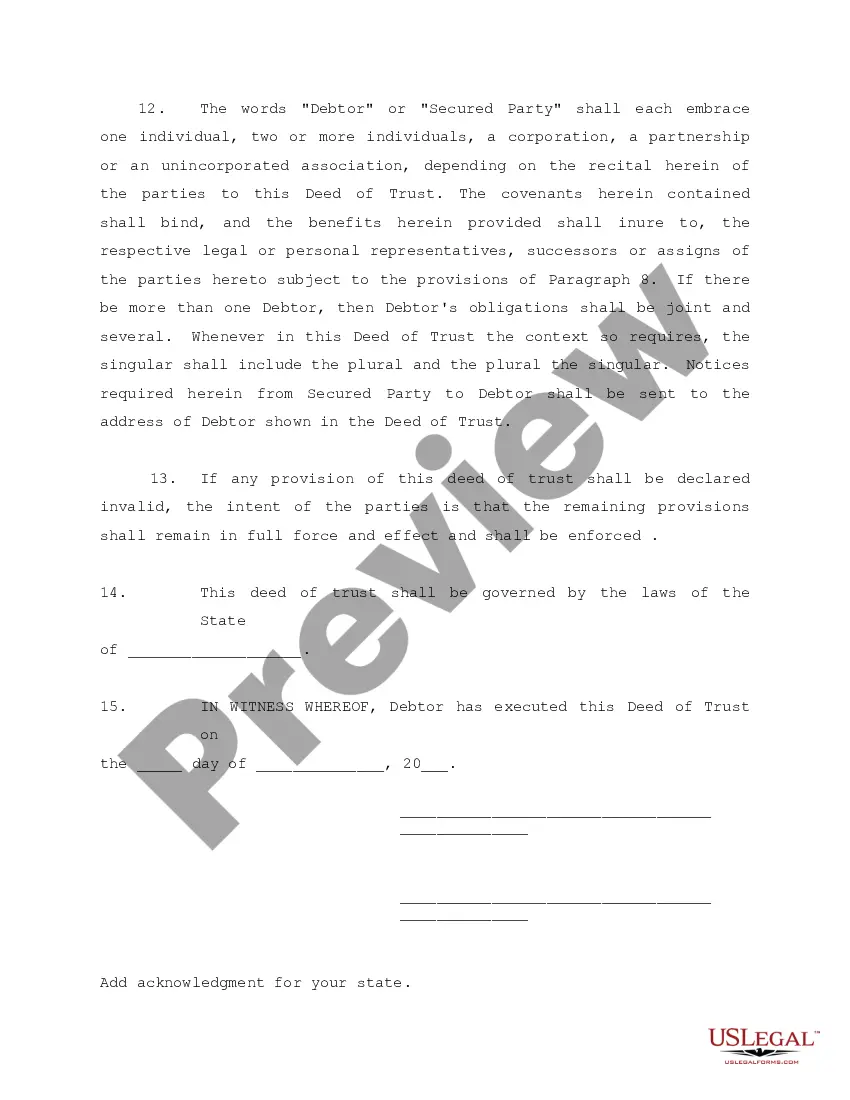
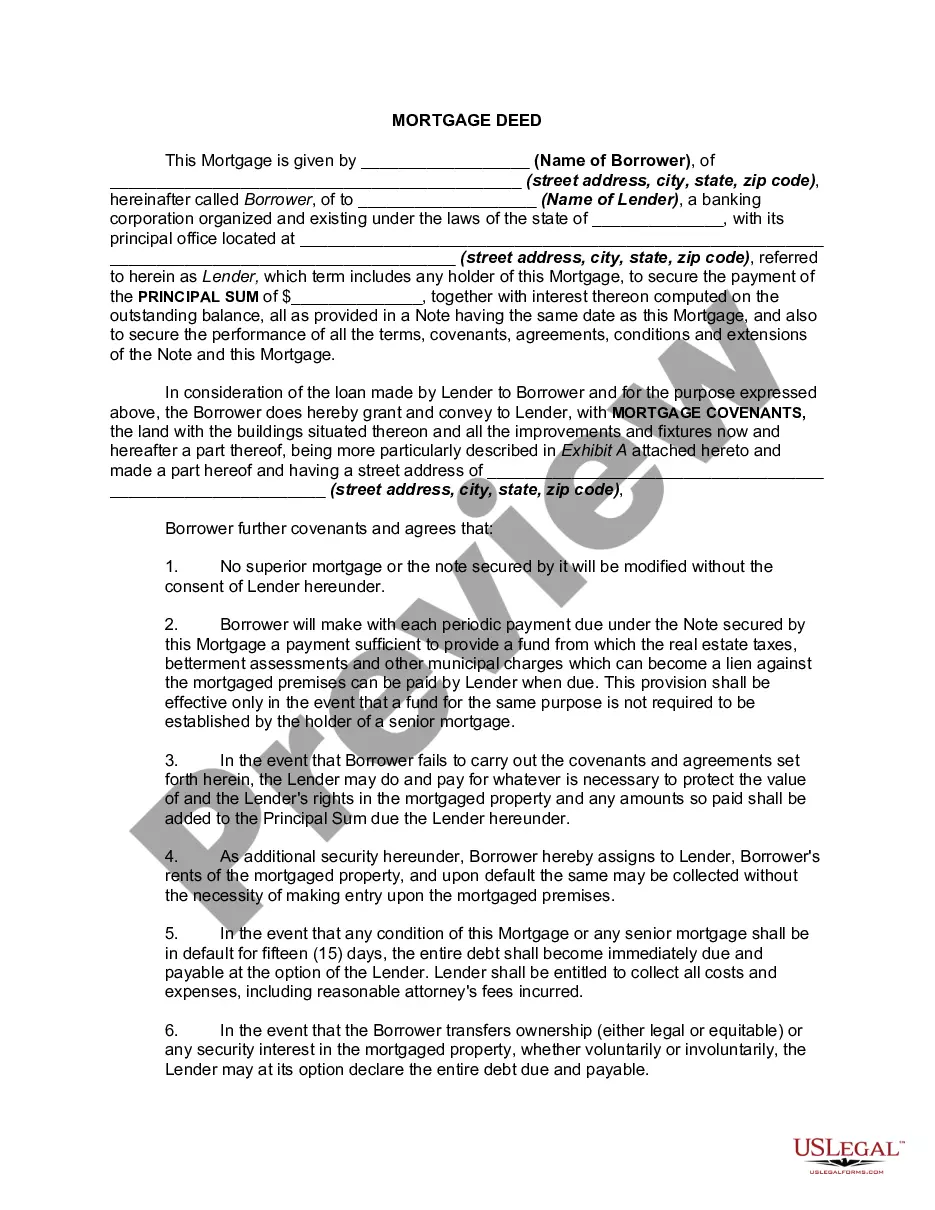
Secured Debt Shall For Loan In Bexar
Description


Get your form ready online
Our built-in tools help you complete, sign, share, and store your documents in one place.
Make edits, fill in missing information, and update formatting in US Legal Forms—just like you would in MS Word.
Download a copy, print it, send it by email, or mail it via USPS—whatever works best for your next step.
Sign and collect signatures with our SignNow integration. Send to multiple recipients, set reminders, and more. Go Premium to unlock E-Sign.
If this form requires notarization, complete it online through a secure video call—no need to meet a notary in person or wait for an appointment.
We protect your documents and personal data by following strict security and privacy standards.

Make edits, fill in missing information, and update formatting in US Legal Forms—just like you would in MS Word.

Download a copy, print it, send it by email, or mail it via USPS—whatever works best for your next step.

Sign and collect signatures with our SignNow integration. Send to multiple recipients, set reminders, and more. Go Premium to unlock E-Sign.

If this form requires notarization, complete it online through a secure video call—no need to meet a notary in person or wait for an appointment.

We protect your documents and personal data by following strict security and privacy standards.
Looking for another form?
Form popularity
FAQ
Examples of secured debt include mortgages, auto loans and secured credit cards. Unsecured debt doesn't require collateral. But missing payments can still have consequences.
A credit card cannot be used to secure a debt because it represents unsecured debt, unlike physical items such as a house or a car, which can serve as collateral.
Texas law gives someone 4 years to bring a lawsuit for unpaid debt.
A judgment is valid for 10 years after it is issued, and it can be enforced at any time within that time period. There are ways for a creditor to extend a judgment past that time, so if properly renewed, a creditor can seek to enforce the judgment and collect for many years even after the initial ten-year window.
In many cases, a bankruptcy discharge can eliminate your personal responsibility for secured debt, so the lender can't sue you for unpaid amounts. However, the lien on the property doesn't automatically go away. The lender can still take back the collateral if you stop making payments.
Most states or jurisdictions have statutes of limitations between three and six years for debts, but some may be longer. This may also vary depending, for instance, on the: Type of debt. State where you live.
Old (Time-Barred) Debts In California, there is generally a four-year limit for filing a lawsuit to collect a debt based on a written agreement.
The statute of limitations on debt in Texas is four years.
Once wages are deposited into a bank account, the funds can be frozen and possibly seized. In order to do this, a debt collector must have won the lawsuit and had an order issued by the court. This can be confusing because the order is called a "writ of garnishment" but it still cannot be used to take incoming wages.
Secured loans are typically easier to qualify for and have lower interest rates because they pose less risk to the lender.
