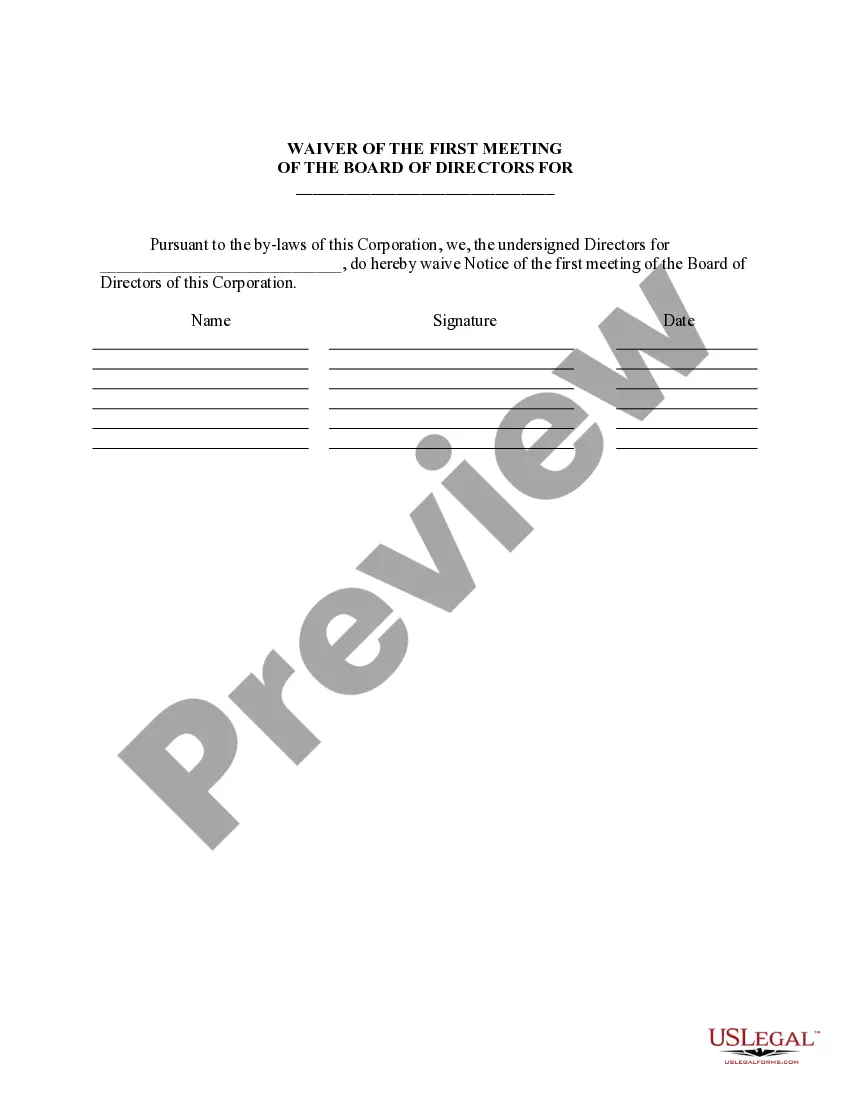
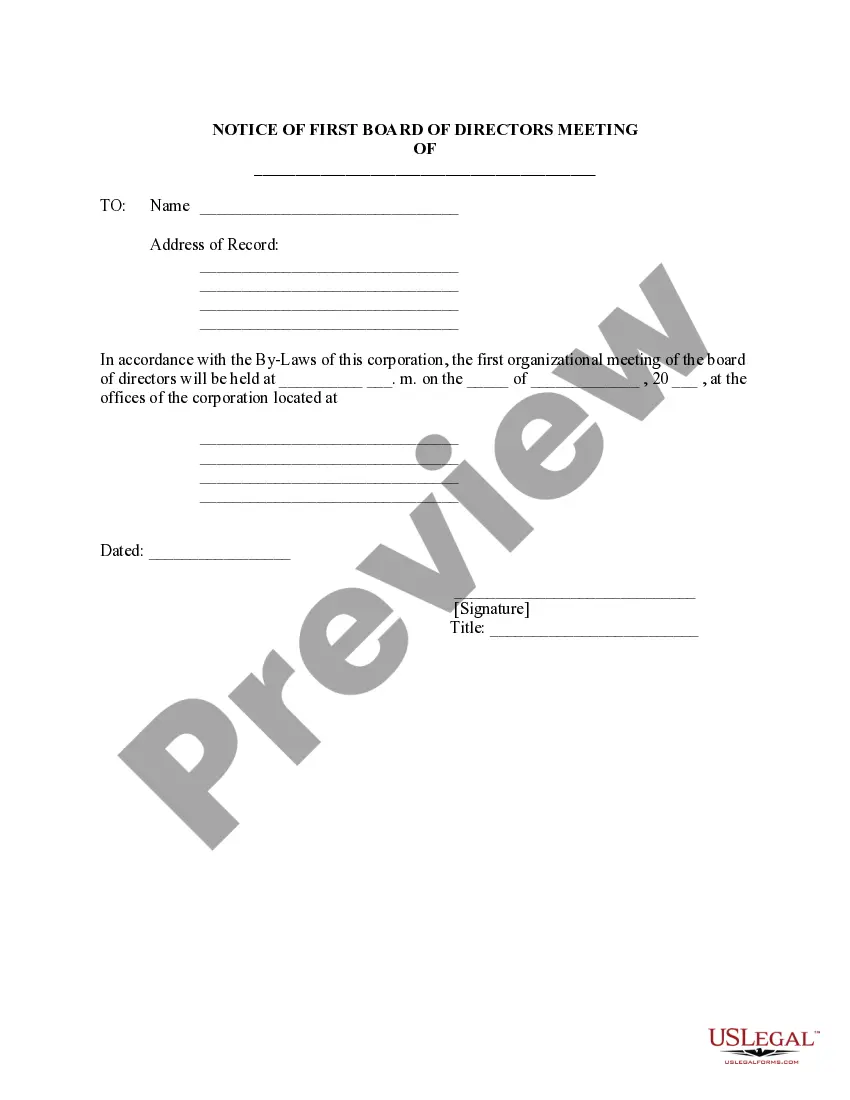
Board Directors Corporate Without Ceo In Ohio
Description


Get your form ready online
Our built-in tools help you complete, sign, share, and store your documents in one place.
Make edits, fill in missing information, and update formatting in US Legal Forms—just like you would in MS Word.
Download a copy, print it, send it by email, or mail it via USPS—whatever works best for your next step.
Sign and collect signatures with our SignNow integration. Send to multiple recipients, set reminders, and more. Go Premium to unlock E-Sign.
If this form requires notarization, complete it online through a secure video call—no need to meet a notary in person or wait for an appointment.
We protect your documents and personal data by following strict security and privacy standards.

Make edits, fill in missing information, and update formatting in US Legal Forms—just like you would in MS Word.

Download a copy, print it, send it by email, or mail it via USPS—whatever works best for your next step.

Sign and collect signatures with our SignNow integration. Send to multiple recipients, set reminders, and more. Go Premium to unlock E-Sign.

If this form requires notarization, complete it online through a secure video call—no need to meet a notary in person or wait for an appointment.

We protect your documents and personal data by following strict security and privacy standards.
Looking for another form?








Form popularity
FAQ
Often, the CEO will also be designated as the company's president and, therefore, be one of the inside directors on the board (if not the chair). However, it is highly suggested that a company's CEO should not also be the company's chair to ensure the chair's independence and clear lines of authority.
Ethical Misconduct: CEOs are held to the highest ethical standards, and violating these standards can have severe consequences. Acts of fraud, embezzlement, sexual harassment, or other forms of misconduct can irreparably damage the company's reputation and legal standing, leading to the CEO's immediate removal.
In a private company the owners either run the company themselves or have the same power to replace the CEO/CFO, set company goals, determine executive compensation, etc. They can still have a Board of Directors as well, but it is not required.
Saying no to anyone, including a CEO, can be appropriate and necessary in certain situations. However, I understand this is easier said than done. Start by giving yourself permission to speak your mind.
Such officer shall be one of the officers who is in default under clause (60) of section 2 of the Act in the event of violation of provisions of the Act. Instances covered other than under section 203, the CEO is not required to be appointed by the Board of Directors by means resolution passed at its meeting.
Becoming a member of a board of directors requires a combination of relevant experience, a nomination and election process, and adherence to the organization's governance policies. Networking and demonstrating expertise in relevant areas can also enhance one's chances of being considered for a board position.
While it is not strictly necessary for a company to have a CEO, many companies do have a CEO or a similar top executive in order to provide leadership and guidance for the organization.
A: A company typically needs a CEO when it reaches around 10 employees. At this stage, having a dedicated leader to manage growth and steer the business becomes important.
Federal and state-level laws, as well as a company's incorporation documents, require public and private corporations in the U.S. to have boards of directors (BoDs). Although private LLCs do not have the same requirements, some choose to elect a board of directors after incorporating.
There are several common actions to take to organize your board of directors, though, including these five steps: Register articles of incorporation. Create bylaws. Set up a board of directors agreement. Select your board of directors. Have an initial shareholder meeting.