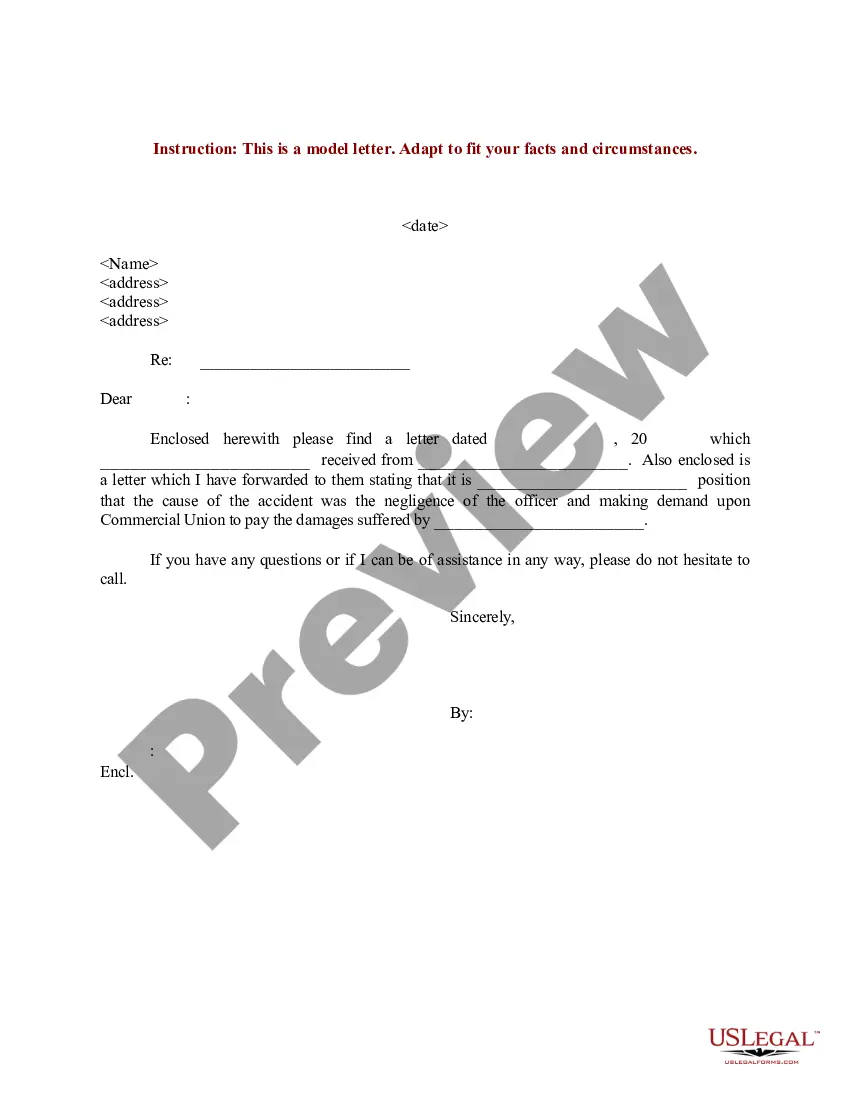
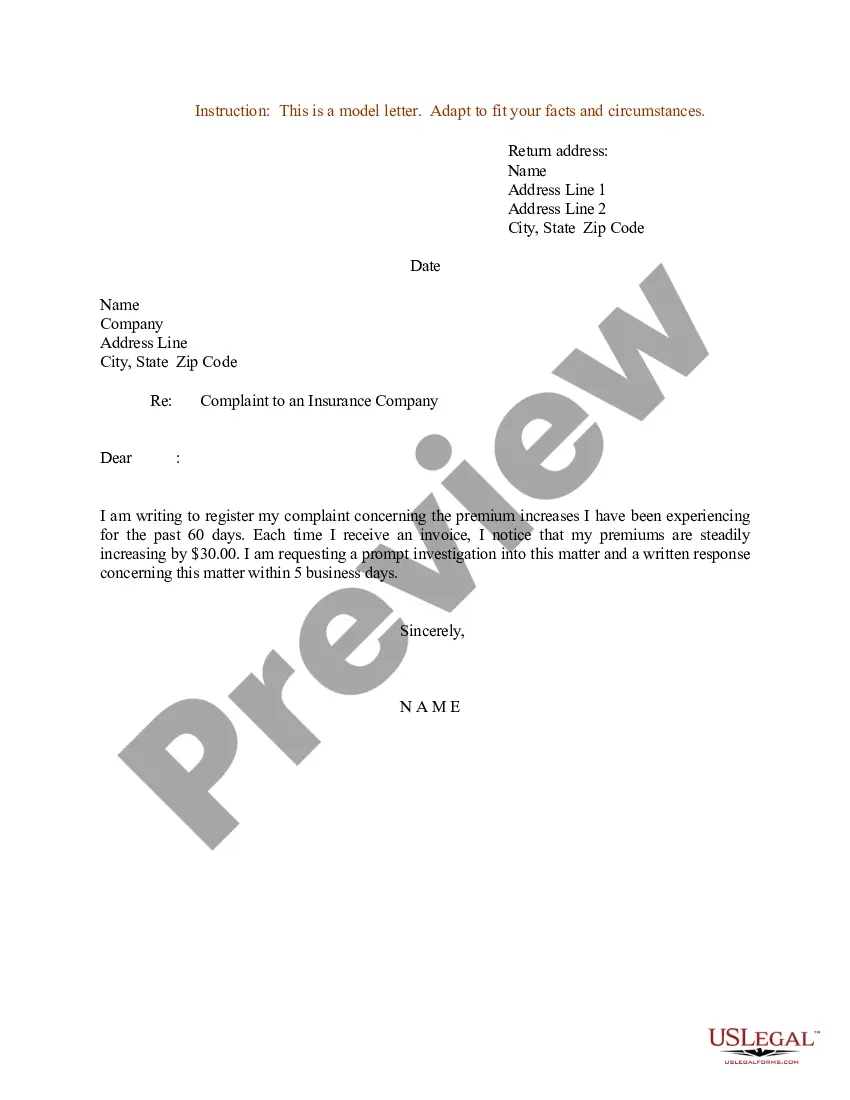
Letter Insurance Form For Business In Middlesex
Description
Get your form ready online
Our built-in tools help you complete, sign, share, and store your documents in one place.
Make edits, fill in missing information, and update formatting in US Legal Forms—just like you would in MS Word.
Download a copy, print it, send it by email, or mail it via USPS—whatever works best for your next step.
Sign and collect signatures with our SignNow integration. Send to multiple recipients, set reminders, and more. Go Premium to unlock E-Sign.
If this form requires notarization, complete it online through a secure video call—no need to meet a notary in person or wait for an appointment.
We protect your documents and personal data by following strict security and privacy standards.

Make edits, fill in missing information, and update formatting in US Legal Forms—just like you would in MS Word.

Download a copy, print it, send it by email, or mail it via USPS—whatever works best for your next step.

Sign and collect signatures with our SignNow integration. Send to multiple recipients, set reminders, and more. Go Premium to unlock E-Sign.

If this form requires notarization, complete it online through a secure video call—no need to meet a notary in person or wait for an appointment.

We protect your documents and personal data by following strict security and privacy standards.
Looking for another form?






Form popularity
FAQ
Most types of business insurance are not legally mandated in the UK, with the exception of employers' liability insurance. You might need employers' liability insurance by law in some circumstances, and you can be fined £2,500 for every day you don't have the required cover1.
You must have motor insurance to drive your vehicle on UK roads. Third party insurance is the legal minimum. This means you're covered if you have an accident causing damage or injury to any other person, vehicle, animal or property. It does not cover any other costs like repair to your own vehicle.
How to make business insurance claims: a step-by-step guide Check your insurance policy. First, read through your business insurance policy to check you have cover for the incident you want to claim for. Gather your information and evidence. Contact your insurance provider. Fill in the claims form.
What types of business insurance are required by law in the UK? The only type of business insurance that is mandatory under UK law is employers' liability cover, which is a legal requirement for most businesses that employ staff, even on a casual basis.
Penalties for operating a business without insurance can vary. In some cases, it may result in fines or legal action. Additionally, clients, partners, or landlords may require proof of insurance before engaging in business relationships.
Yes, you can get business insurance before registering your business. When you're buying your policy, information that your insurer will ask for include your business address, trade type and actual or projected turnover.
Contact Your Insurance Broker Reach out to your insurance agent or broker to inform them of the situation. They'll be able to explain the claim process to you and will ask questions about the incident you're reporting. They'll help you fill out the claim form and submit it to the insurance company.
A certificate of insurance sample should include the name of the company providing evidence of the insurance policy, the identification number of the insurance policy, the type of insurance policy that is included, and the limits of the liability of the insurance policy.
A certificate of insurance (COI) form provides proof of liability insurance coverage for your small business. To acquire a COI, you must first buy a business insurance policy. After the policy has been issued, most certificates of insurance are available online.
Key Takeaways. A certificate of insurance (COI) is issued by an insurance company or broker and verifies the existence of an insurance policy. Small business owners and contractors typically require a COI that grants protection against liability for workplace accidents or injuries to conduct business.