Lawyers That Deal With Insurance Companies In Maricopa
Description
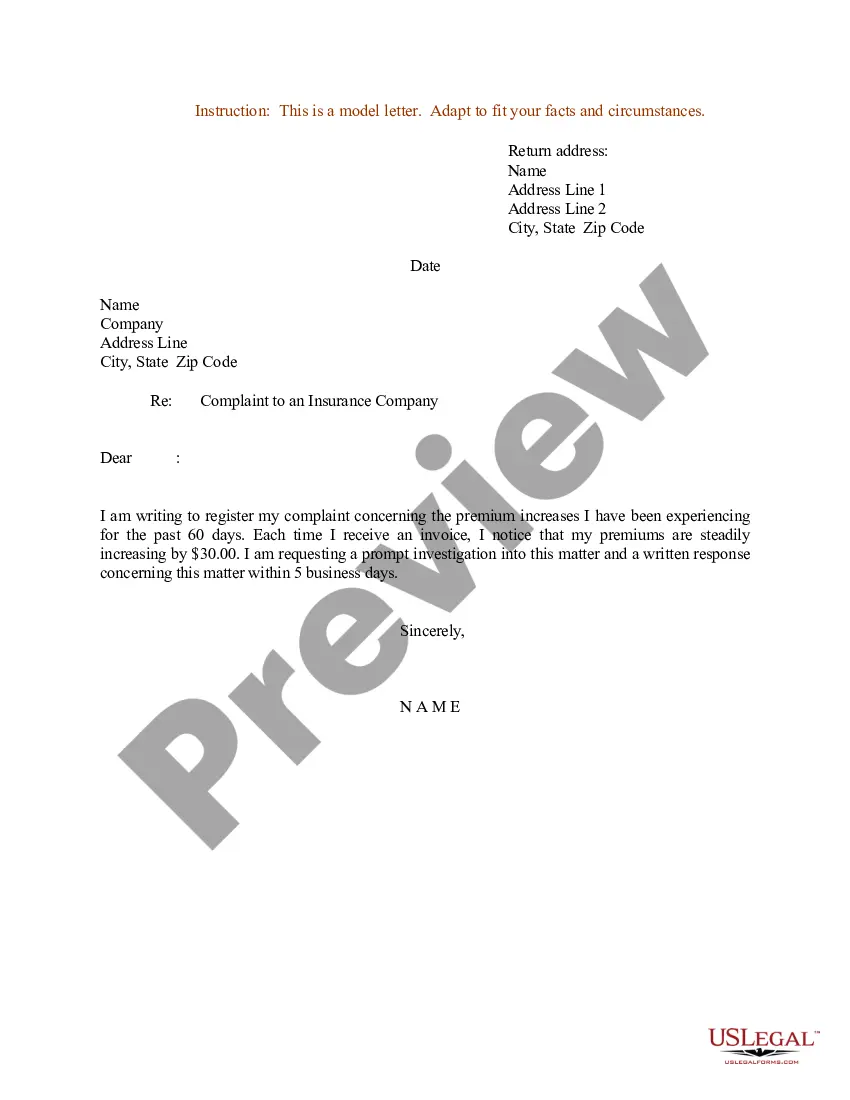
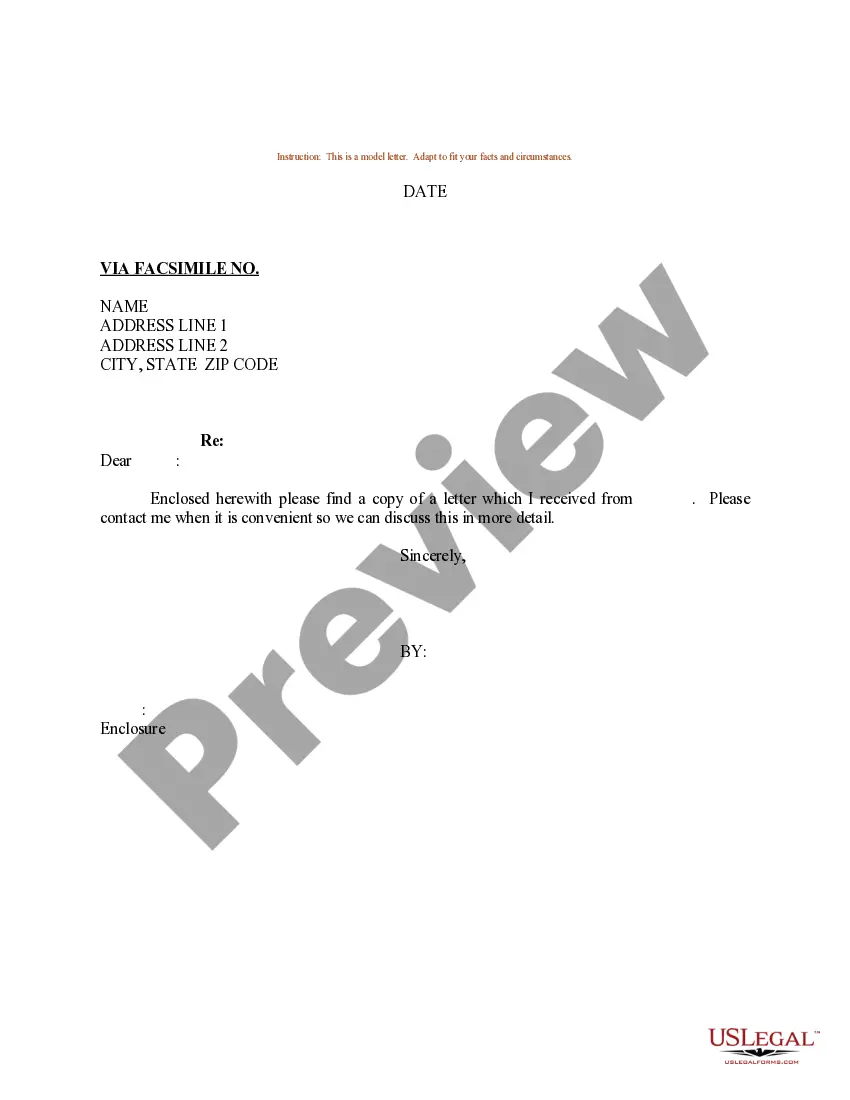
Get your form ready online
Our built-in tools help you complete, sign, share, and store your documents in one place.
Make edits, fill in missing information, and update formatting in US Legal Forms—just like you would in MS Word.
Download a copy, print it, send it by email, or mail it via USPS—whatever works best for your next step.
Sign and collect signatures with our SignNow integration. Send to multiple recipients, set reminders, and more. Go Premium to unlock E-Sign.
If this form requires notarization, complete it online through a secure video call—no need to meet a notary in person or wait for an appointment.
We protect your documents and personal data by following strict security and privacy standards.

Make edits, fill in missing information, and update formatting in US Legal Forms—just like you would in MS Word.

Download a copy, print it, send it by email, or mail it via USPS—whatever works best for your next step.

Sign and collect signatures with our SignNow integration. Send to multiple recipients, set reminders, and more. Go Premium to unlock E-Sign.

If this form requires notarization, complete it online through a secure video call—no need to meet a notary in person or wait for an appointment.

We protect your documents and personal data by following strict security and privacy standards.
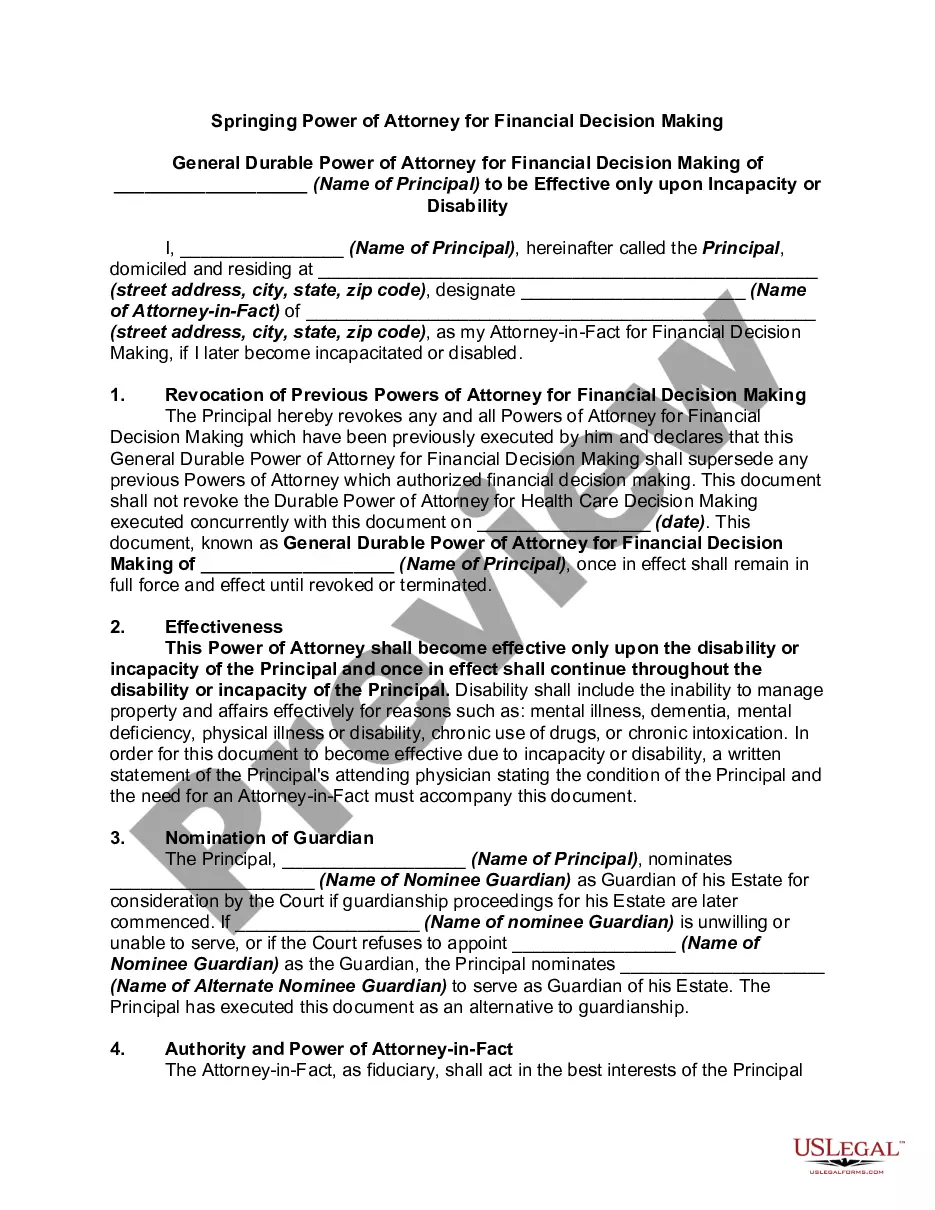
Looking for another form?

Form popularity
FAQ
Attorneys can negotiate with insurers on behalf of claimants, countering lowball offers, advocating for fair settlements, and protecting claimants from coercive tactics.
If a commercial policyholder suffers property damage due to an unforeseen event and that claim is denied by the insurer, insurance companies will often retain a lawyer to represent them.
When Does an Insurer Have a Duty to Defend? In California, the insurance company's duty to defend and indemnify the insured party kicks in so long as the claim is even “potentially” covered.
These lawsuits by individuals against their own insurance companies are referred to as "first-party" actions.
Because the insurance industry is so heavily regulated, claims disputes often require legal assistance by counsel who will remain up to date on any handling of potential insurance litigation.
You may be able to sue your insurance company for bad faith if they intentionally neglect to perform the duties necessary ing to your policy. If the insurance company knows that the claim is valid but they deny it anyway, you may be able to sue for bad faith.
How long does it take to get malpractice insurance? Well, that depends on how fast you move through the process. Generally, it takes anywhere from a few weeks to a few months before your coverage is finalized and you can begin practicing medicine with protection.
A medical malpractice attorney is a lawyer focused on helping patients who have been injured by a doctor or hospital while under their care. Unfortunately, medical malpractice happens far more often than it should.
Most liability car insurance policies contain language stating that the insurer will provide a lawyer for the policyholder if they get into a car accident and they're sued for injuries and other losses ("damages") resulting from the crash.