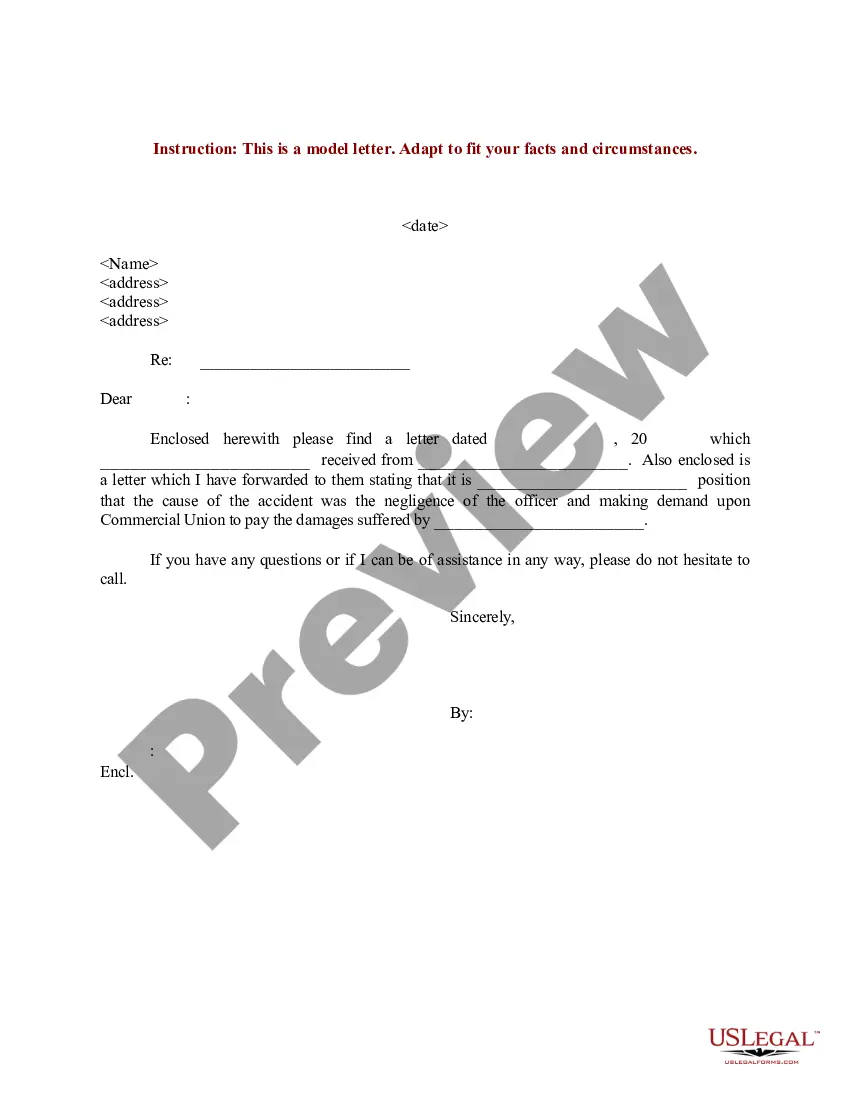
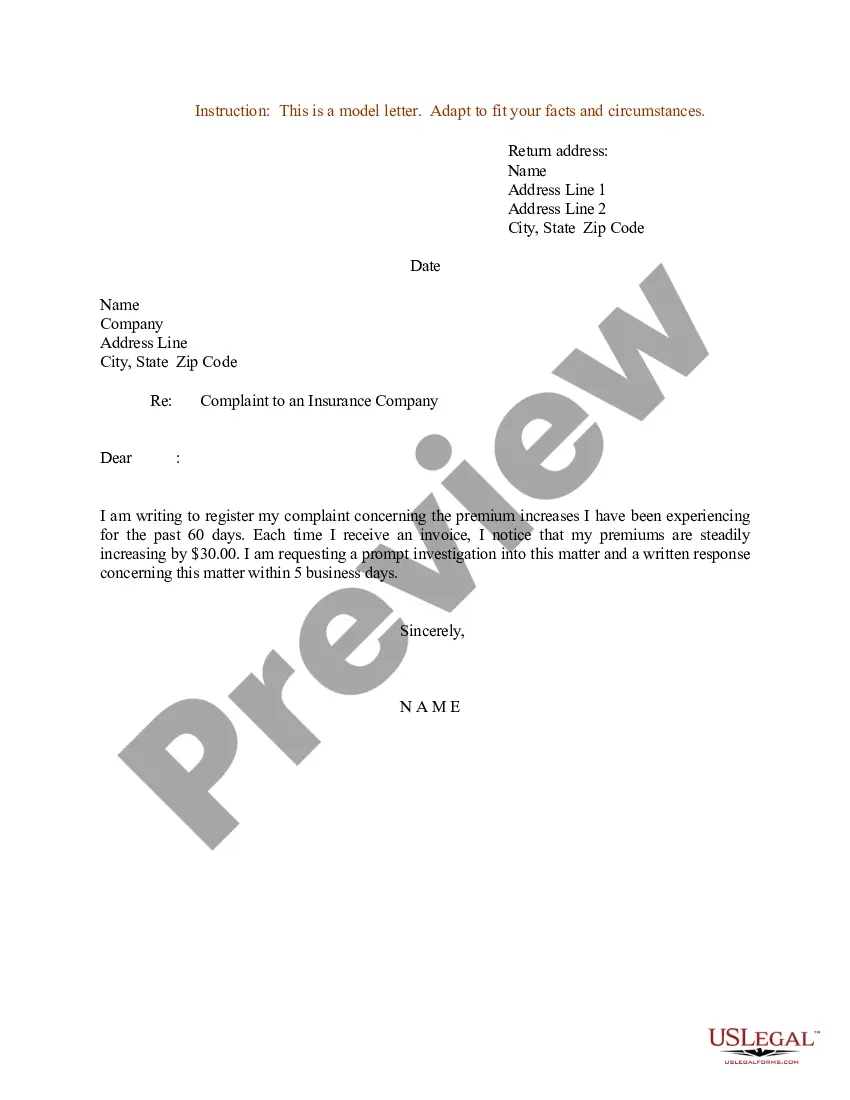
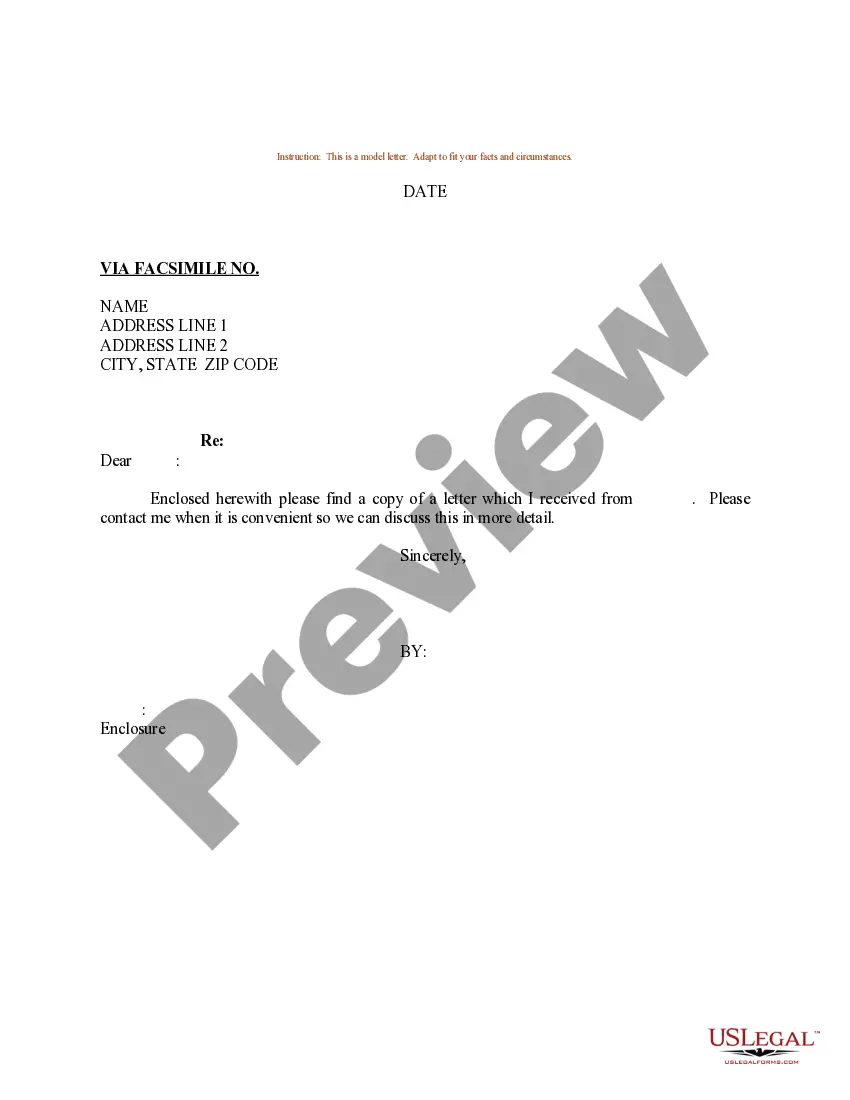
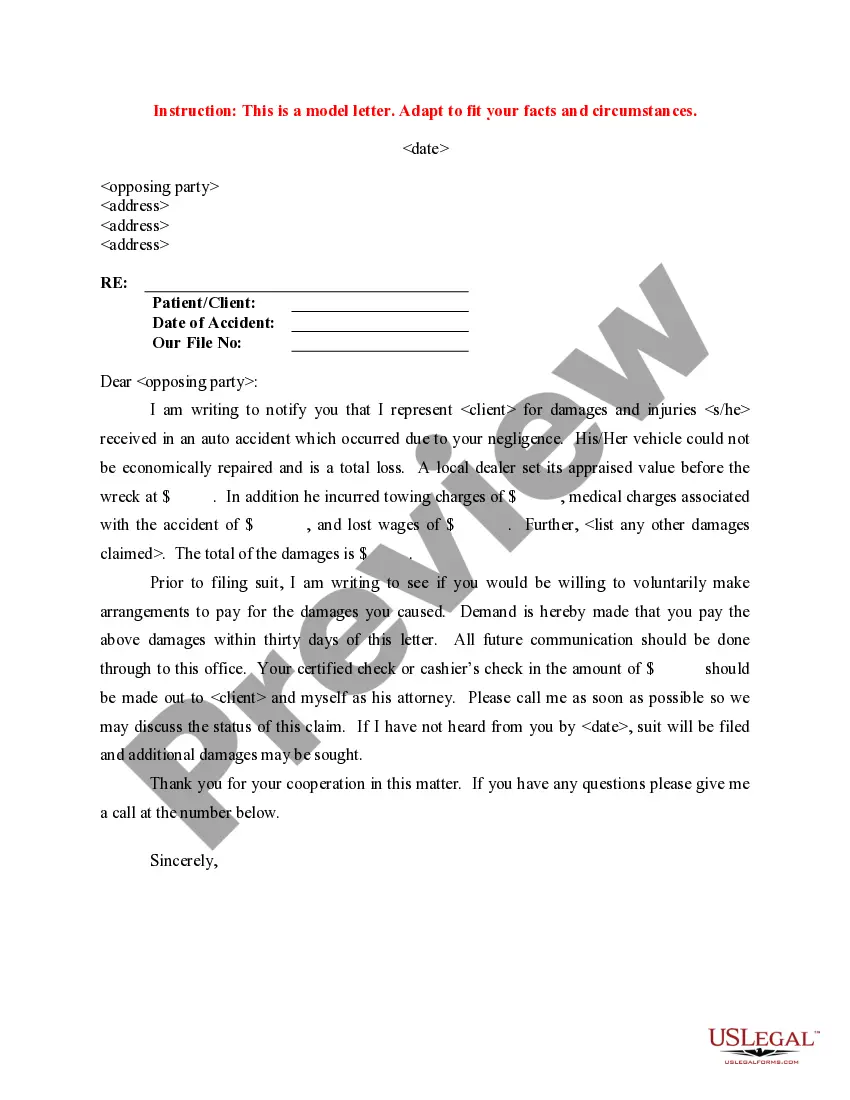
Letter Insurance Form For Claim In Fulton
Description
Get your form ready online
Our built-in tools help you complete, sign, share, and store your documents in one place.
Make edits, fill in missing information, and update formatting in US Legal Forms—just like you would in MS Word.
Download a copy, print it, send it by email, or mail it via USPS—whatever works best for your next step.
Sign and collect signatures with our SignNow integration. Send to multiple recipients, set reminders, and more. Go Premium to unlock E-Sign.
If this form requires notarization, complete it online through a secure video call—no need to meet a notary in person or wait for an appointment.
We protect your documents and personal data by following strict security and privacy standards.

Make edits, fill in missing information, and update formatting in US Legal Forms—just like you would in MS Word.

Download a copy, print it, send it by email, or mail it via USPS—whatever works best for your next step.

Sign and collect signatures with our SignNow integration. Send to multiple recipients, set reminders, and more. Go Premium to unlock E-Sign.

If this form requires notarization, complete it online through a secure video call—no need to meet a notary in person or wait for an appointment.

We protect your documents and personal data by following strict security and privacy standards.
Looking for another form?





Form popularity
FAQ
Treat the following as a set of general guidelines: Gather complete information before you start writing. Describe your injuries and medical treatment. List your medical expenses, lost wages, and non-economic damages. Make a settlement demand. Include a deadline for legal action if you want to, but don't bluff.
Typical sections of a claim form: Personal information like your name, address and date of birth. Insurance information such as a policy and group number. Reason for your visit including background information about your condition. Provider information including the doctor's name and address.
It is necessary to use a formal and polite tone in a claim letter to ensure that the company takes your complaint seriously. Maintain a professional attitude and tone throughout the letter. Make sure to include all the important details, such as any relevant dates, amounts, and product or service information.
7 Top Tips to Give a Recorded Statement to an Insurance Company Proving Accident Details. Before you give a recorded statement, take some time to prepare. Avoid Speculation in Your Recorded Statement. Always Be Truthful. The Issue of Fault is Paramount. Be Polite. Don't Agree to Anything. Get a Copy of Your Statement.
How to write a compensation letter The date and the recipient's contact information. A formal salutation. An introductory statement. List of compensation items. The date compensation becomes available. Exceptions and additional compensation details. Closing statement and salutation. Your name and contact details.
How to Draft a Health Insurance Claim Letter Identify Your Basic Information. Compose a Formal Greeting. Express the Purpose of Your Letter. Brief Description of Medical Treatment. Provide Details of the Costs Involvement. Attach Required Documents. Prompt Processing Request. Closing Statement.
A health insurance claim form has two sections, i.e., Part A and Part B. While Part A is to be filled out by the policyholder, Part B is for the hospital. 2. In Part A of the form, you must fill out your name, residential address, policy number, email ID, phone number, medical history, details of hospitalisation, etc.
A Statement of Claim is a court document that sets out how much or what the other party claims you owe them and why they are making the claim. The Statement of Claim starts a court case. You are called the 'defendant', and the person who started the case against you is called the 'plaintiff'.
A statement of claim is essentially a -- complaint. It is a "complaint" made to the court, to request legal remedies to right a wrong that the plaintiff alleges to be suffered from. To do justice.
The Claim Status Tracker is available on your MyUI and is designed to give you an update on your unemployment claim. You will be able to see if your claim was submitted, processed, an eligibility determination was released, and if an appeal has been filed.