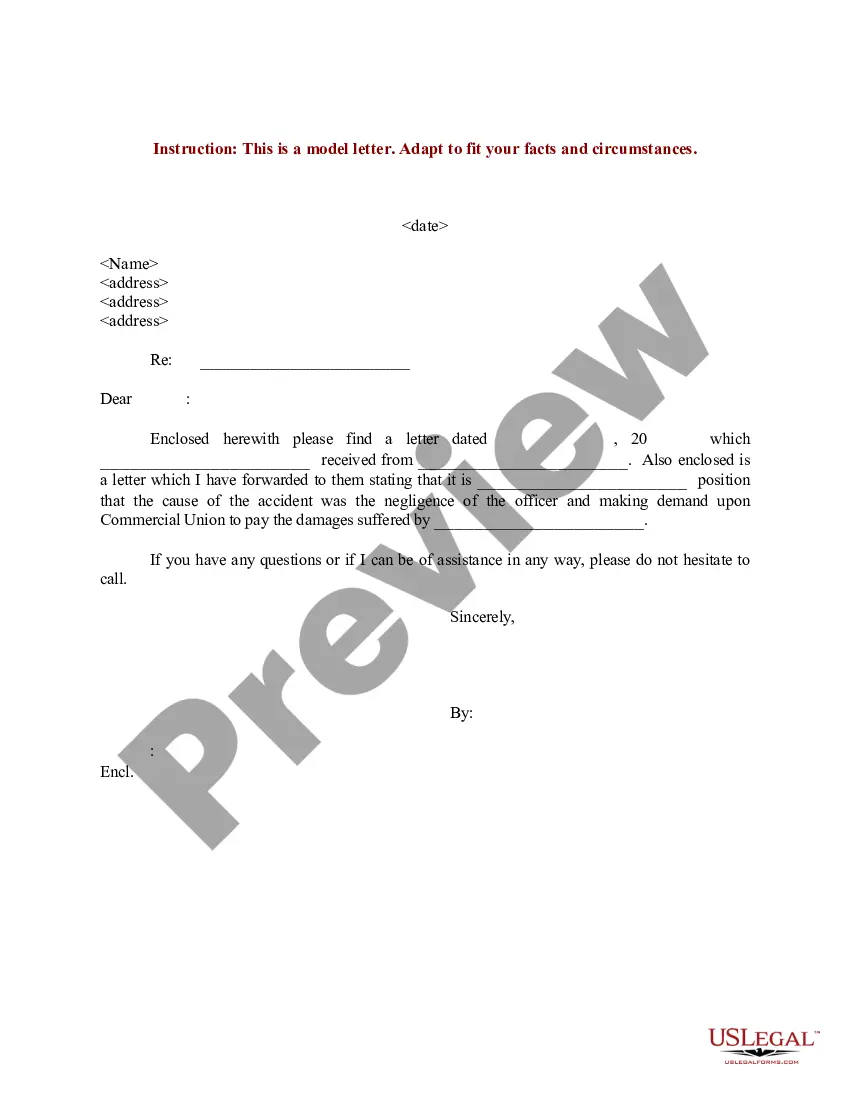
Letter Insurance Form For Reimbursement In Florida
Description
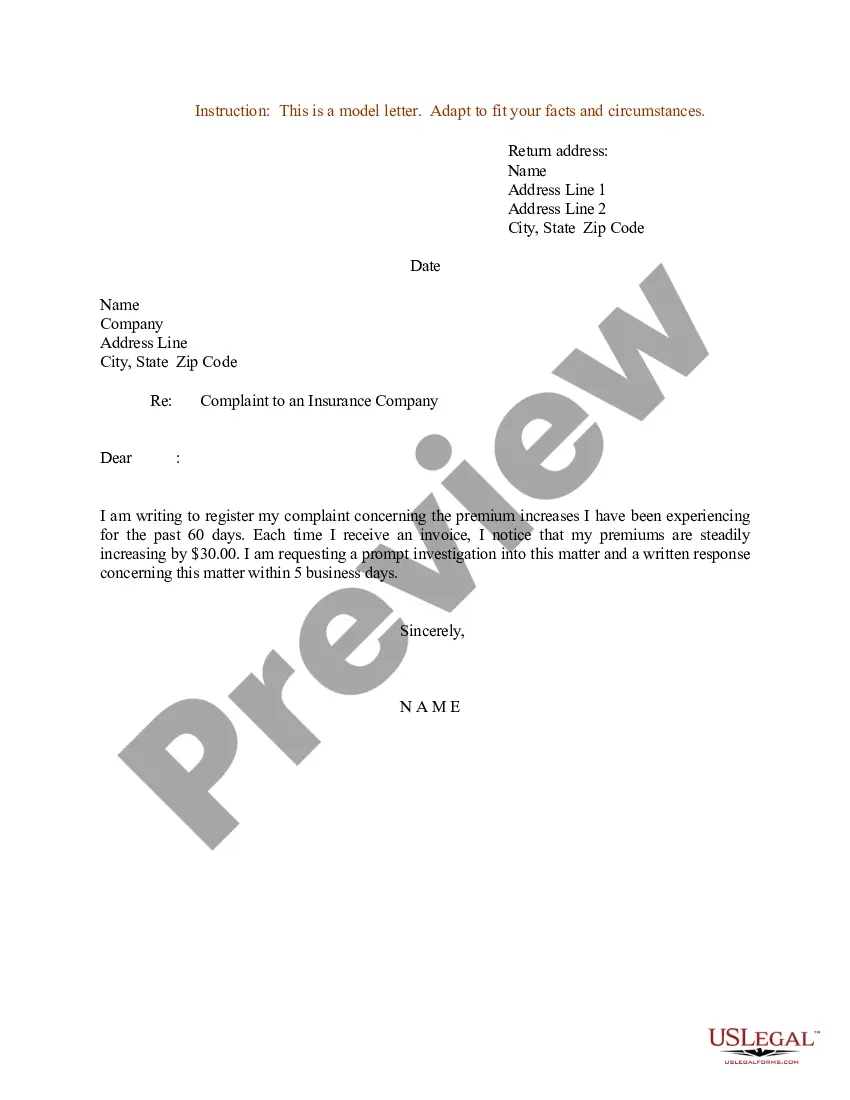
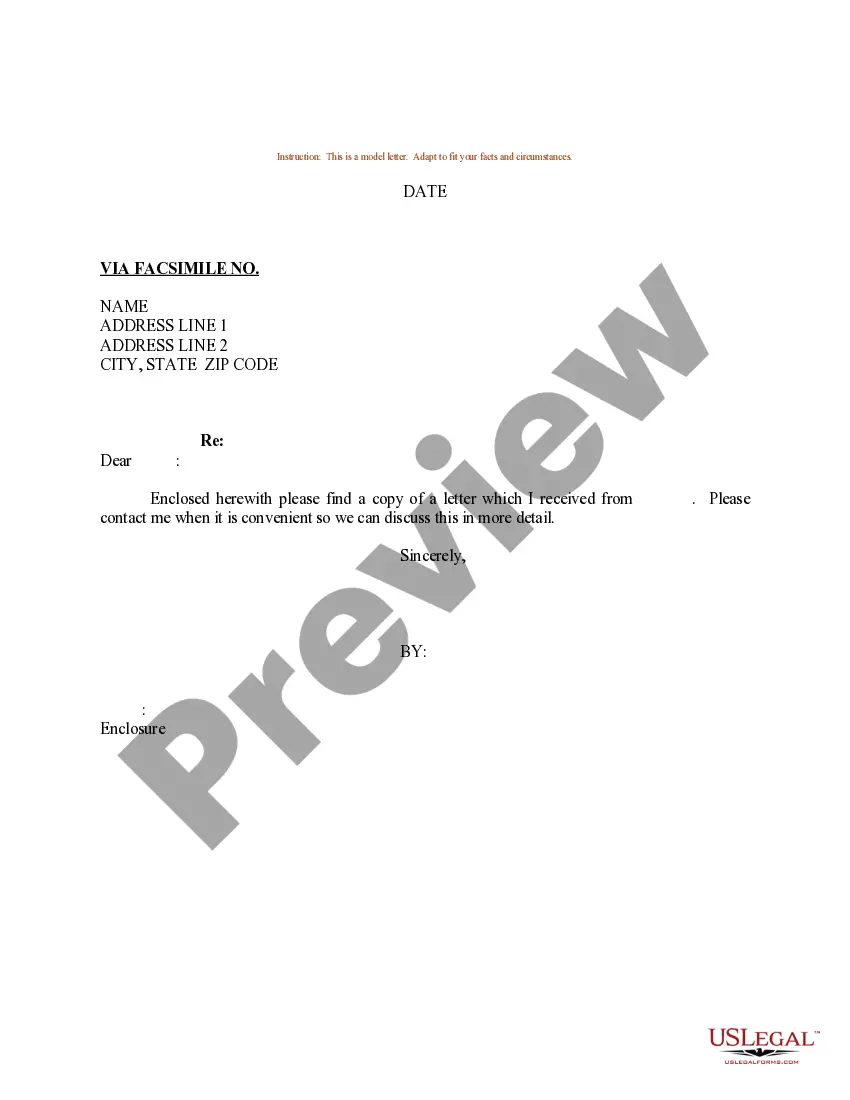
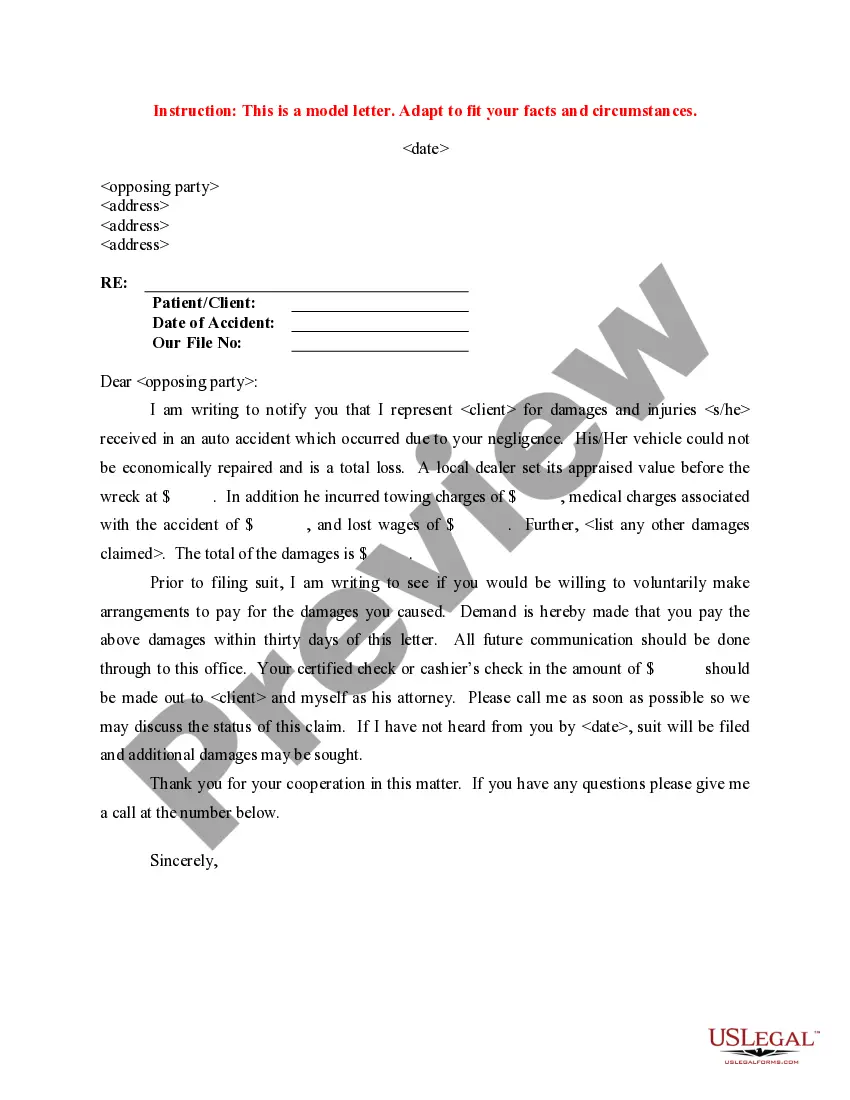
Get your form ready online
Our built-in tools help you complete, sign, share, and store your documents in one place.
Make edits, fill in missing information, and update formatting in US Legal Forms—just like you would in MS Word.
Download a copy, print it, send it by email, or mail it via USPS—whatever works best for your next step.
Sign and collect signatures with our SignNow integration. Send to multiple recipients, set reminders, and more. Go Premium to unlock E-Sign.
If this form requires notarization, complete it online through a secure video call—no need to meet a notary in person or wait for an appointment.
We protect your documents and personal data by following strict security and privacy standards.

Make edits, fill in missing information, and update formatting in US Legal Forms—just like you would in MS Word.

Download a copy, print it, send it by email, or mail it via USPS—whatever works best for your next step.

Sign and collect signatures with our SignNow integration. Send to multiple recipients, set reminders, and more. Go Premium to unlock E-Sign.

If this form requires notarization, complete it online through a secure video call—no need to meet a notary in person or wait for an appointment.

We protect your documents and personal data by following strict security and privacy standards.
Looking for another form?








Form popularity
FAQ
How to Write a Letter to a Health Insurance Company for a Claim? Identify Your Basic Information. Compose a Formal Greeting. Express the Purpose of Your Letter. Brief Description of Medical Treatment. Provide Details of the Costs Involvement. Attach Required Documents. Prompt Processing Request. Closing Statement.
A health insurance claim form has two sections, i.e., Part A and Part B. While Part A is to be filled out by the policyholder, Part B is for the hospital. 2. In Part A of the form, you must fill out your name, residential address, policy number, email ID, phone number, medical history, details of hospitalisation, etc.
Typical sections of a claim form: Personal information like your name, address and date of birth. Insurance information such as a policy and group number. Reason for your visit including background information about your condition. Provider information including the doctor's name and address.
How do I file a claim with my insurer? You'll find a claim form on most health insurers' websites, along with information on how to submit the claim. Look at your health insurance card for your insurer's website or a phone number to call for information about filing a claim.
Based on our policy coverage, particularly sections X and Y, we are requesting a reimbursement amounting to ₹Total Amount. We trust that this matter will be handled with the urgency and attention it requires. We appreciate the Insurance Company Name's support and prompt handling of our claim.
How do I file a claim with my insurer? You'll find a claim form on most health insurers' websites, along with information on how to submit the claim. Look at your health insurance card for your insurer's website or a phone number to call for information about filing a claim.
After paying your provider, submit your claim form, bills, and itemized receipts to your insurance company. When submitting your claim form, list the claims in chronological order on the form starting with the oldest claim. Make sure the date of service and diagnosis is listed on each receipt.
Reimbursement claim: You must also fill out the claim form correctly and submit it at the TPA desk of the hospital for verification. If you are filing a reimbursement claim, you must attach original bills and receipts with the claim form. The insurer will verify the same before reimbursing your healthcare expenses.
Complete the claim form and submit it in a timely manner. Most companies require that you submit a claim within 90 days of receiving medical care. Make sure you complete the form correctly and thoroughly. List the claims in date order on the Claim Form, with the oldest date listed first.
A Letter to File a Medical Claim provides you the means to submit your health care claim to an insurance company, HMO, or anywhere else that may require it. Sometimes your physician or other health care provider may not submit forms on your behalf.