360 Review Stop Examples In Wake
Description

Get your form ready online
Our built-in tools help you complete, sign, share, and store your documents in one place.
Make edits, fill in missing information, and update formatting in US Legal Forms—just like you would in MS Word.
Download a copy, print it, send it by email, or mail it via USPS—whatever works best for your next step.
Sign and collect signatures with our SignNow integration. Send to multiple recipients, set reminders, and more. Go Premium to unlock E-Sign.
If this form requires notarization, complete it online through a secure video call—no need to meet a notary in person or wait for an appointment.
We protect your documents and personal data by following strict security and privacy standards.

Make edits, fill in missing information, and update formatting in US Legal Forms—just like you would in MS Word.

Download a copy, print it, send it by email, or mail it via USPS—whatever works best for your next step.

Sign and collect signatures with our SignNow integration. Send to multiple recipients, set reminders, and more. Go Premium to unlock E-Sign.

If this form requires notarization, complete it online through a secure video call—no need to meet a notary in person or wait for an appointment.

We protect your documents and personal data by following strict security and privacy standards.
Looking for another form?



Form popularity
FAQ
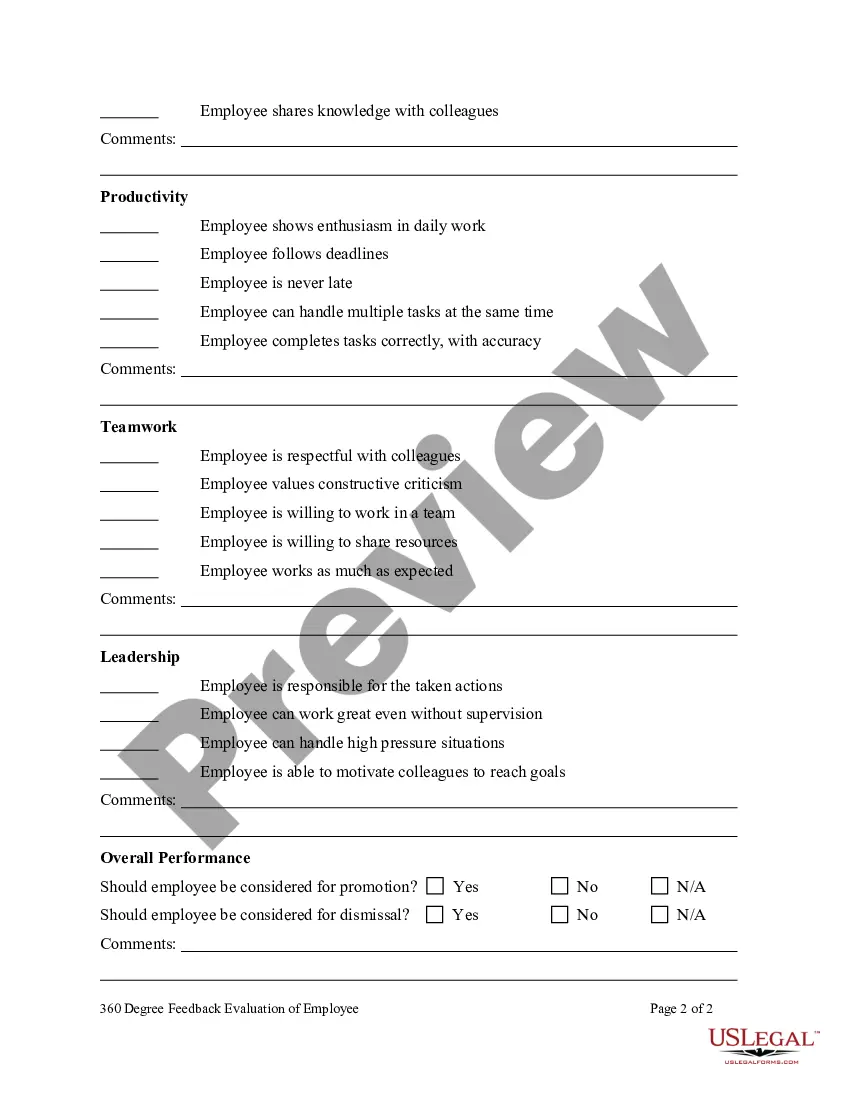
360 feedback examples for peers “Your active listening skills are impressive. During team meetings, you always acknowledge everyone's input, making us feel valued and heard. For instance, during our last project discussion, you summarized key points from each speaker, which helped clarify our goals and next steps.”
“I always feel more (optimistic/confident/energised/inspired) after our one-on-one meetings.” 10. “Your (work ethic/dedication/perseverance/can-do attitude/passion/creativity) sets an incredible example for the whole team.”
Positive 360 feedback examples The approach you have to resolving conflicts is commendable. Your active listening and tactful communication have helped to transform conflicts into opportunities for growth and team bonding.
10 Stop Start Continue Feedback Examples for Managers Stop: Stop micromanaging your team's daily tasks. Start: Start fostering a culture of open communication. Continue: Continue recognizing and celebrating your team's achievements. Stop: Stop the practice of not providing timely feedback.
These close-ended questions are useful for adding to management 360 feedback reviews, to ask relevant questions for this particular role. Does the manager work in a respectful manner to others? Does the manager consider other team members' opinions before making a decision? Does the manager effectively solve problems?
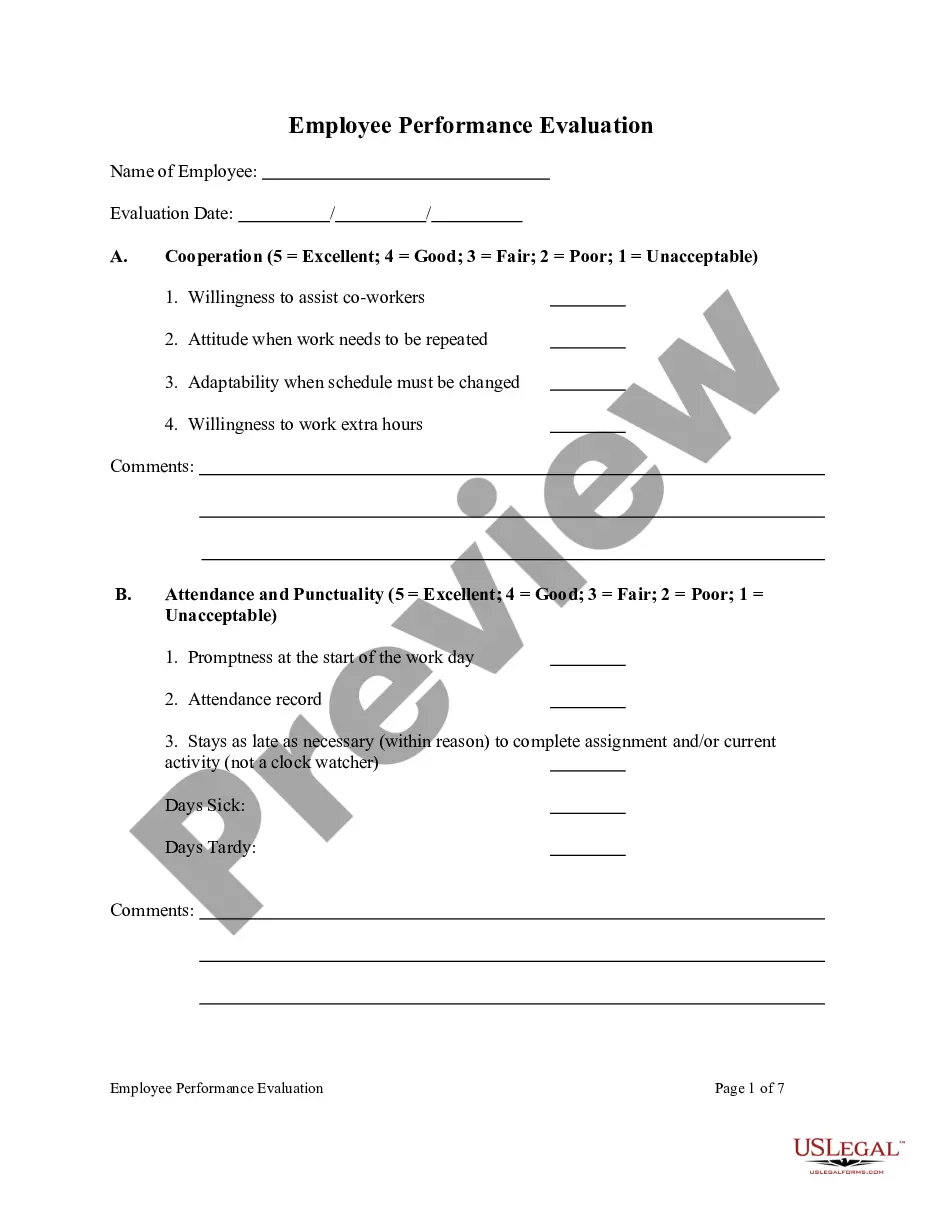
360 degree feedback, also known as multi-rater feedback, is a system in which anonymous feedback is gathered about a member of staff from various people they have working relationships with. This is usually their managers, peers, direct reports, subordinates – hence the name “360 degree”.
You should also avoid reacting impulsively or emotionally, and instead take time to reflect and process the feedback. Completely agree about taking time to process the feedback but an emotional response should not be demonized. 360 feedback can feel incredibly personal and will hurt at times. This is not a bad thing.
The Start-Stop-Continue feedback model What you should START doing: because you can make something work better, What you should STOP doing: because it isn't working for some reason, And what you should CONTINUE to do: because it's working just fine
What should I expect from my manager? Communication. Managers must be able to communicate clearly with their team about goals and project plans. Respect. Interpersonal politeness and respect are a basic expectation of any workplace. Support. Feedback. Understanding. Motivation. Honesty. Accountability.
8 things you should immediately stop doing when you're a leader Not taking time to connect with team members. Not being accessible and available. Not prioritizing employee development. Avoiding giving regular performance feedback. Expecting workers to approach them first. Not displaying empathy. Micromanaging.
