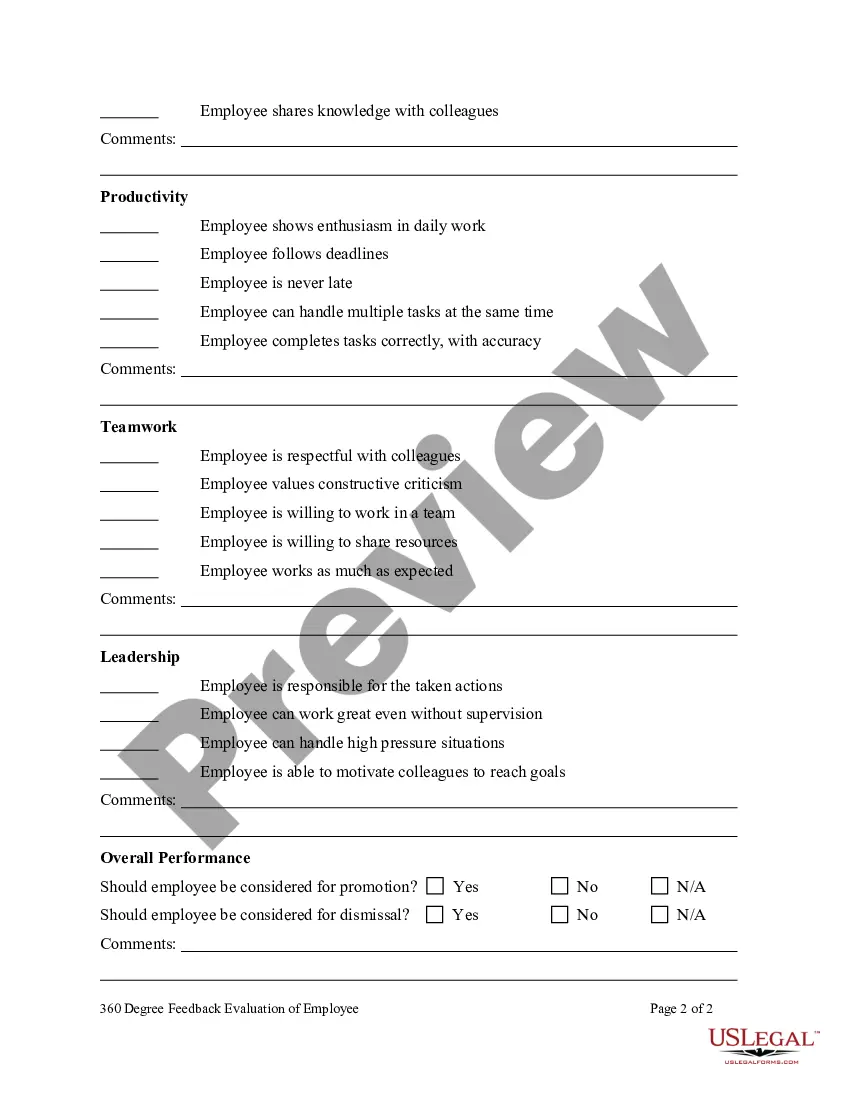
360 Degree Feedback Form For Doctors In San Bernardino
Description

Get your form ready online
Our built-in tools help you complete, sign, share, and store your documents in one place.
Make edits, fill in missing information, and update formatting in US Legal Forms—just like you would in MS Word.
Download a copy, print it, send it by email, or mail it via USPS—whatever works best for your next step.
Sign and collect signatures with our SignNow integration. Send to multiple recipients, set reminders, and more. Go Premium to unlock E-Sign.
If this form requires notarization, complete it online through a secure video call—no need to meet a notary in person or wait for an appointment.
We protect your documents and personal data by following strict security and privacy standards.

Make edits, fill in missing information, and update formatting in US Legal Forms—just like you would in MS Word.

Download a copy, print it, send it by email, or mail it via USPS—whatever works best for your next step.

Sign and collect signatures with our SignNow integration. Send to multiple recipients, set reminders, and more. Go Premium to unlock E-Sign.

If this form requires notarization, complete it online through a secure video call—no need to meet a notary in person or wait for an appointment.

We protect your documents and personal data by following strict security and privacy standards.
Looking for another form?









Form popularity
FAQ
How to design an effective 360 degree feedback questionnaire Identify the themes you want to measure. Create specific 360 questions based on your themes. Example 360 degree feedback questionnaire questions. Define your 360 degree feedback questionnaire rating scale. In conclusion.
Positive 360 feedback examples The approach you have to resolving conflicts is commendable. Your active listening and tactful communication have helped to transform conflicts into opportunities for growth and team bonding.
“I always feel more (optimistic/confident/energised/inspired) after our one-on-one meetings.” 10. “Your (work ethic/dedication/perseverance/can-do attitude/passion/creativity) sets an incredible example for the whole team.”
360 Degree Feedback is an assessment system or process in which employees receive confidential, anonymous evaluations from the people who work around them. This typically includes manager, peers, and direct reports.
These close-ended questions are useful for adding to management 360 feedback reviews, to ask relevant questions for this particular role. Does the manager work in a respectful manner to others? Does the manager consider other team members' opinions before making a decision? Does the manager effectively solve problems?
Open-ended questions for 360 degree feedback assessments What else would you like to share about this employee? What has this employee done particularly well? What would make this employee more effective in their role? What other comments do you have?
360 degree feedback, also known as multi-rater feedback, is a system in which anonymous feedback is gathered about a member of staff from various people they have working relationships with. This is usually their managers, peers, direct reports, subordinates – hence the name “360 degree”.
Respondents may not complete them. Or they may give any old answer, just to get finished. Either way, the quality of the feedback reduces as the 360 gets longer! We recommend around 6 competencies, each with 5 questions, so 30 ratings, plus 3 text questions, giving a total of 33.
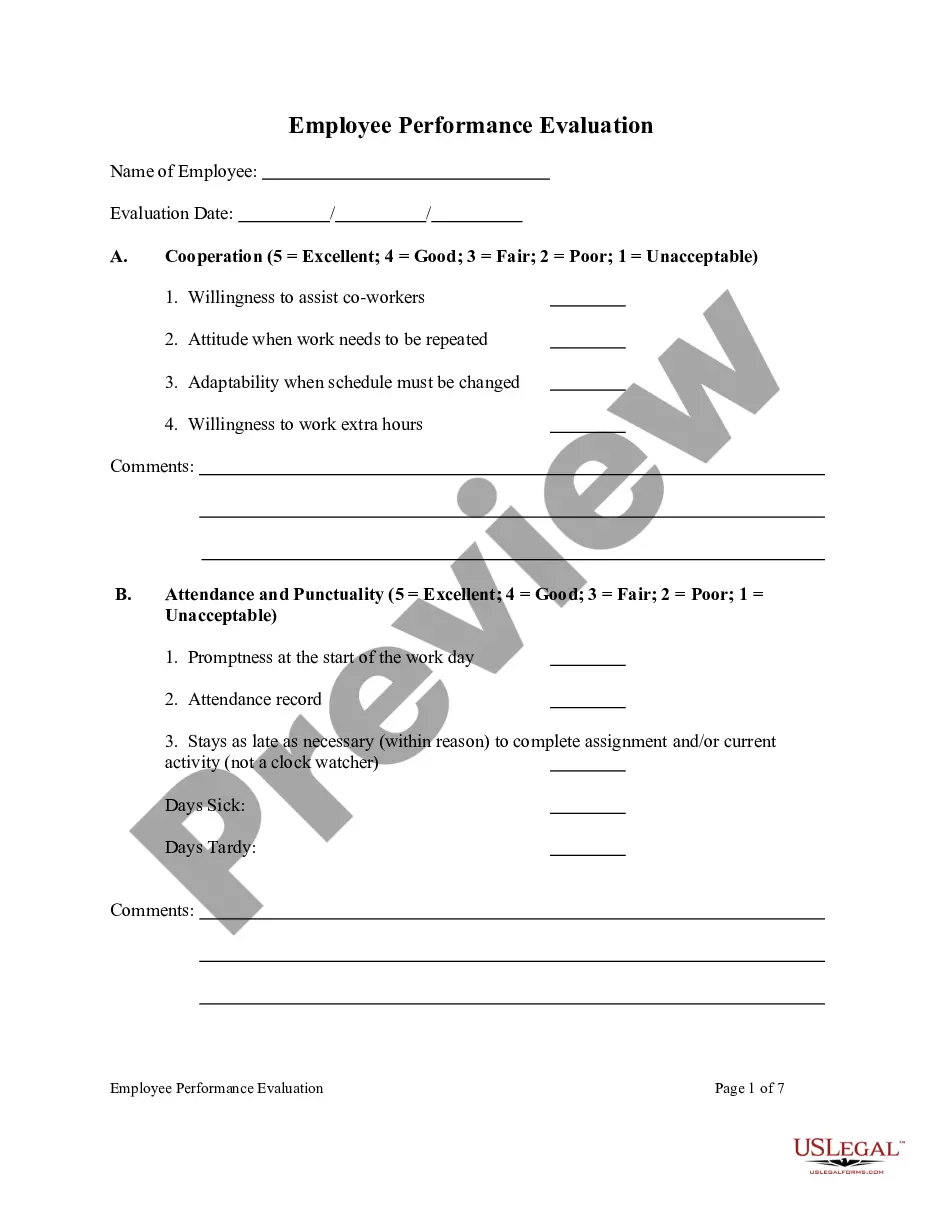
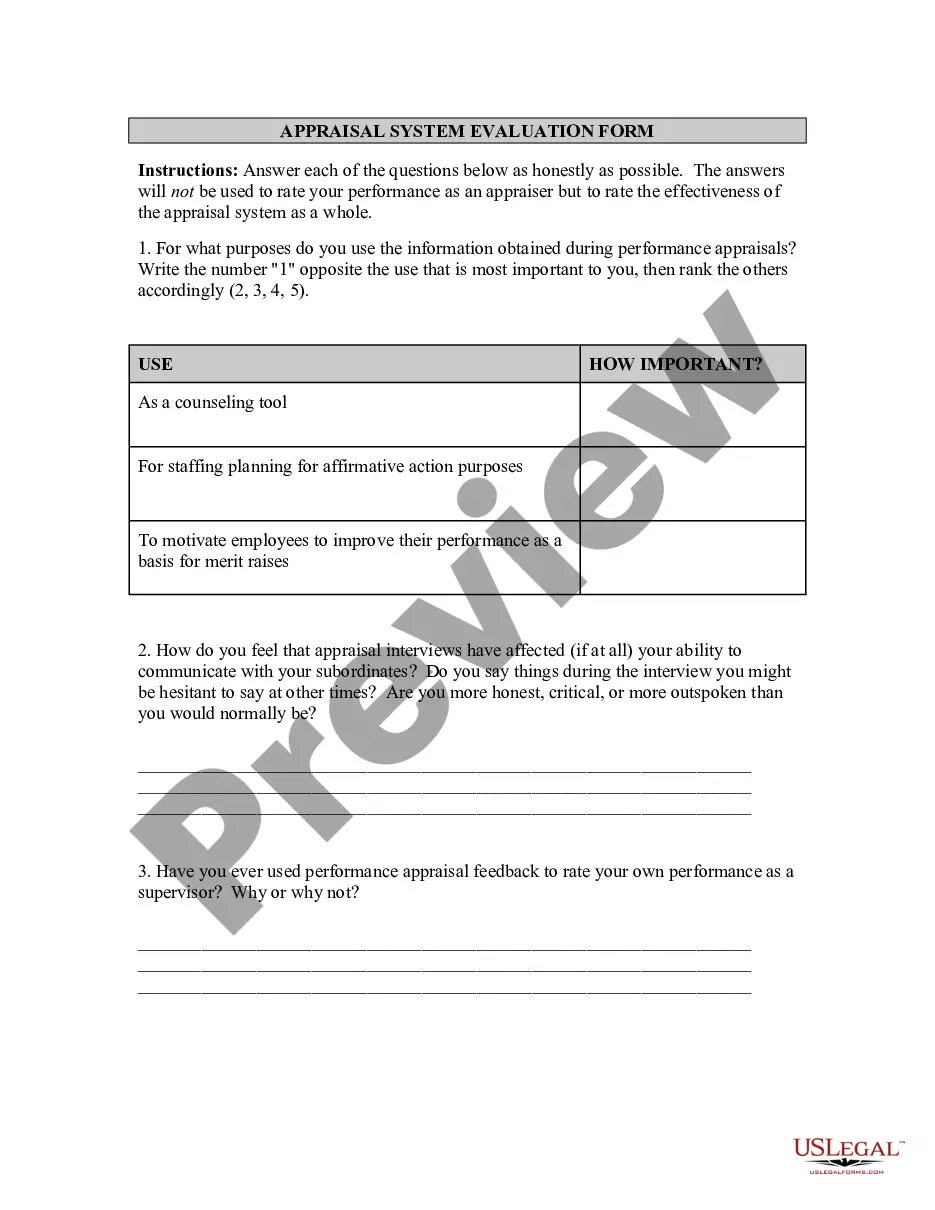
How to conduct 360 reviews Establish criteria for rating each employee. Invest time into developing useful, relevant questions that provide valuable insight. Choose who will assess each employee. Send surveys. Send the survey to the employee. Schedule the 360 evaluation. Review ratings with employee. Follow up on progress.
