360 Feedback Answers In Salt Lake
Description

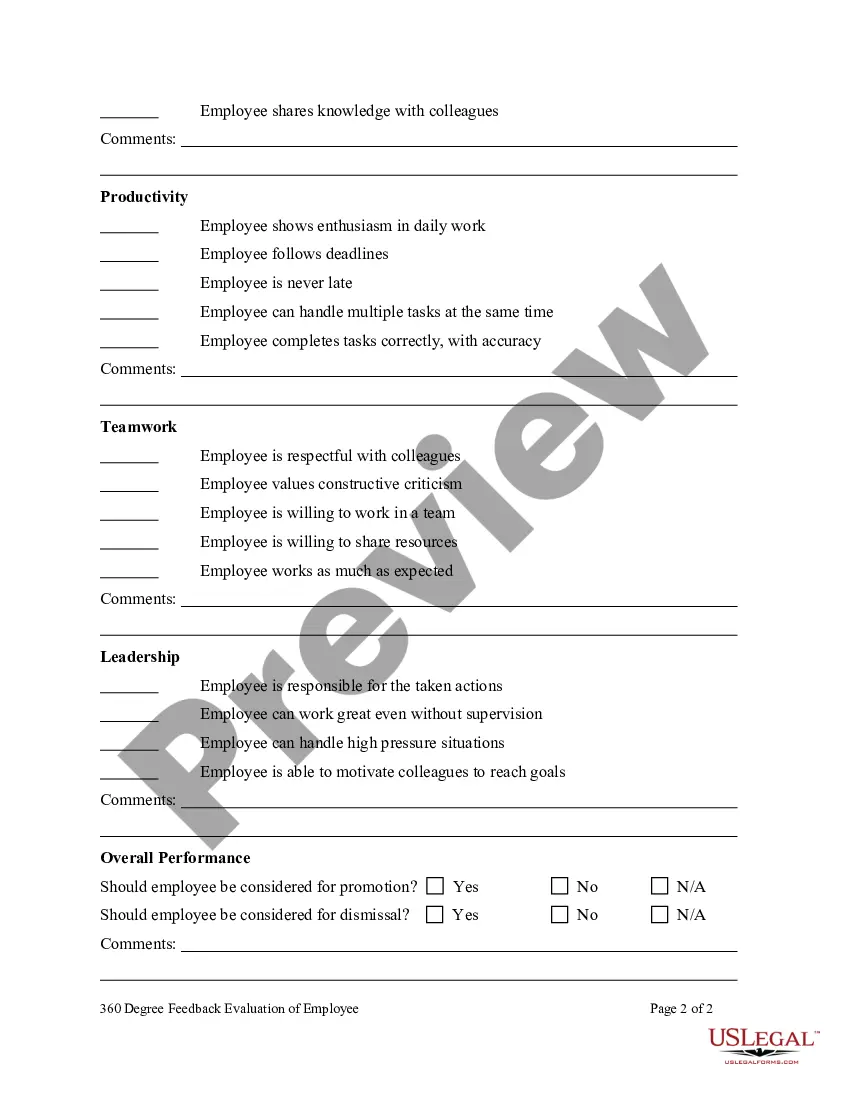
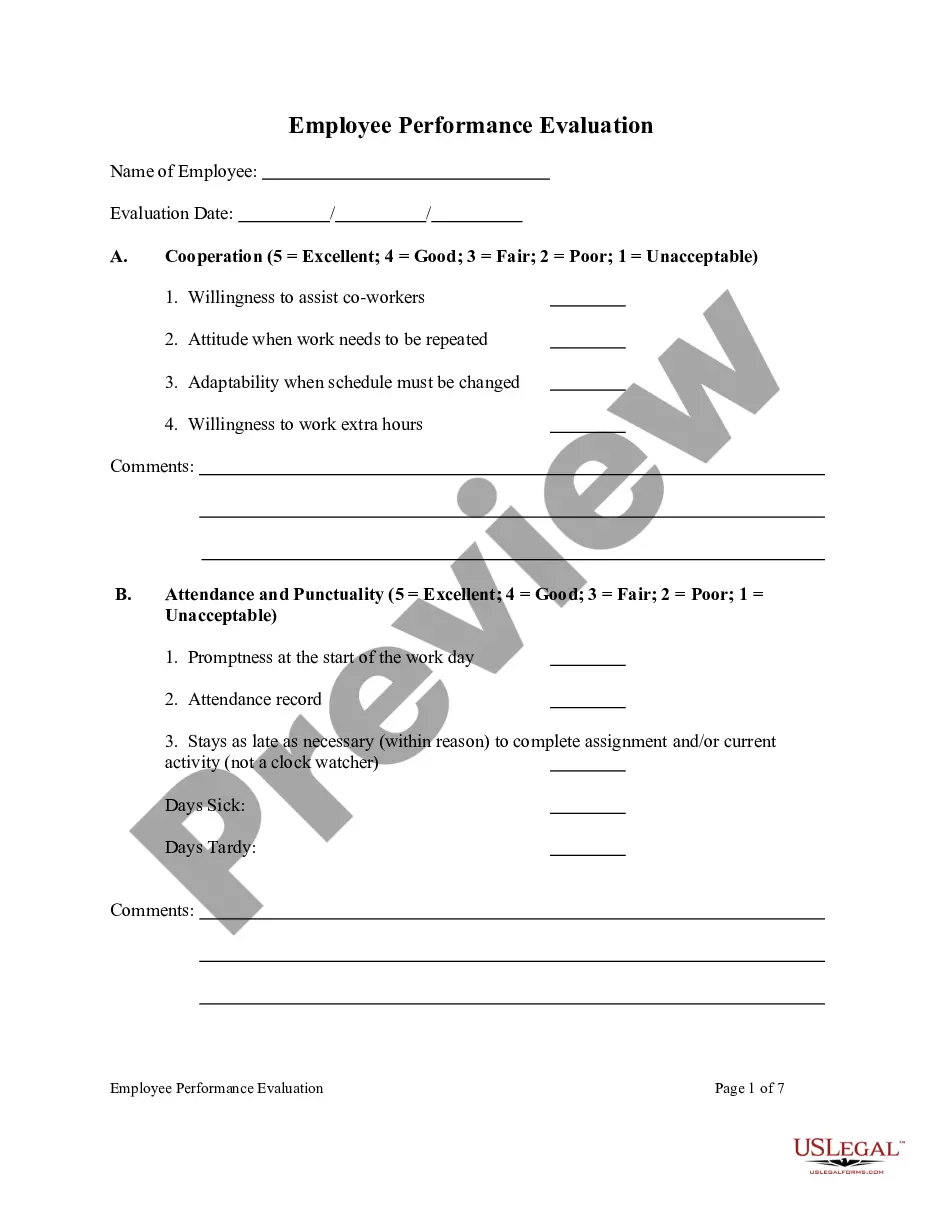
Get your form ready online
Our built-in tools help you complete, sign, share, and store your documents in one place.
Make edits, fill in missing information, and update formatting in US Legal Forms—just like you would in MS Word.
Download a copy, print it, send it by email, or mail it via USPS—whatever works best for your next step.
Sign and collect signatures with our SignNow integration. Send to multiple recipients, set reminders, and more. Go Premium to unlock E-Sign.
If this form requires notarization, complete it online through a secure video call—no need to meet a notary in person or wait for an appointment.
We protect your documents and personal data by following strict security and privacy standards.

Make edits, fill in missing information, and update formatting in US Legal Forms—just like you would in MS Word.

Download a copy, print it, send it by email, or mail it via USPS—whatever works best for your next step.

Sign and collect signatures with our SignNow integration. Send to multiple recipients, set reminders, and more. Go Premium to unlock E-Sign.

If this form requires notarization, complete it online through a secure video call—no need to meet a notary in person or wait for an appointment.

We protect your documents and personal data by following strict security and privacy standards.
Looking for another form?
Form popularity
FAQ
Here's a list of things to look out for: Keep away from personal issues and focus on work-related issues only. Be solution-oriented. Don't exaggerate the situation. Avoid implementing the Halo effectOpens in a new tab on your feedback. Watch your words.
Identify Areas for Improvement: Help the individual identify specific areas for improvement based on the data. Work together to set SMART goals (Specific, Measurable, Achievable, Relevant, Time-bound) for development. Avoid Comparison: Advise the individual not to compare their feedback to others.
Improve Your Leadership Skills Through 360 Degree Feedback Be Positive. Maximize Your Openness to Feedback. Analyze Your 360 Feedback Results. Create An Individual Development Plan. Collaborate With Your Manager. Execute for Results. Request Coaching/Mentoring.
Research indicates that the accuracy of a 360 review is significantly influenced by how long the rater has known the employee being evaluated. Reviews are generally accurate for employees known for “one to three years,” but those known for less than a year or for a very long time tend to receive less accurate feedback.
7 steps for designing an effective 360 degree feedback review program Set clear goals. Train raters. Focus on natural strengths. Involve managers and leaders. Create buy-in and trust in the 360 feedback program. Know what to ask and how to ask it. Personalize the 360 degree feedback program to your organization.
These close-ended questions are useful for adding to management 360 feedback reviews, to ask relevant questions for this particular role. Does the manager work in a respectful manner to others? Does the manager consider other team members' opinions before making a decision? Does the manager effectively solve problems?
Open-ended questions for 360 degree feedback reviews What else would you like to share about this employee? What has this employee done particularly well? What would make this employee more effective in their role? What other comments do you have?
360 Degree Feedback Examples for Communication “John consistently communicates complex ideas in a clear and concise manner, making it easy for everyone to understand.” “Emily effectively summarizes meeting discussions, ensuring everyone is on the same page.”
How to conduct 360 reviews Establish criteria for rating each employee. Invest time into developing useful, relevant questions that provide valuable insight. Choose who will assess each employee. Send surveys. Send the survey to the employee. Schedule the 360 evaluation. Review ratings with employee. Follow up on progress.
