360 Degree Feedback Form For Doctors In Queens
Description

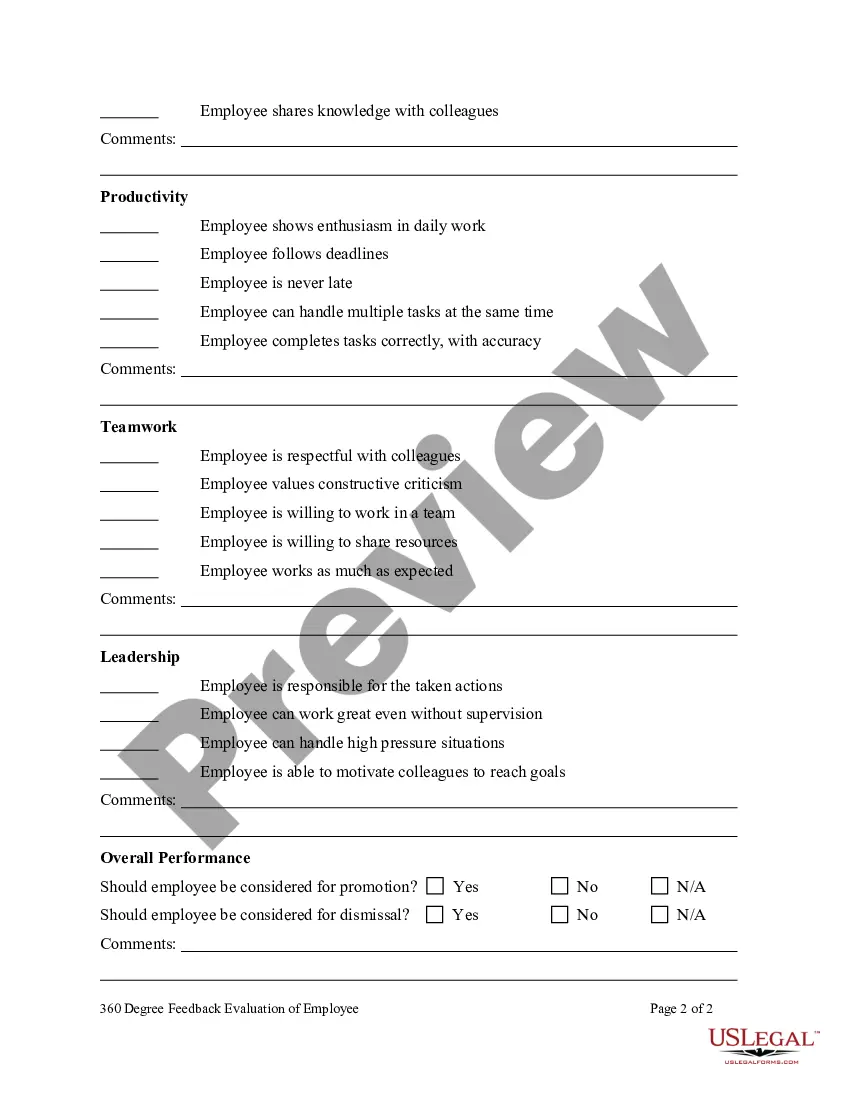
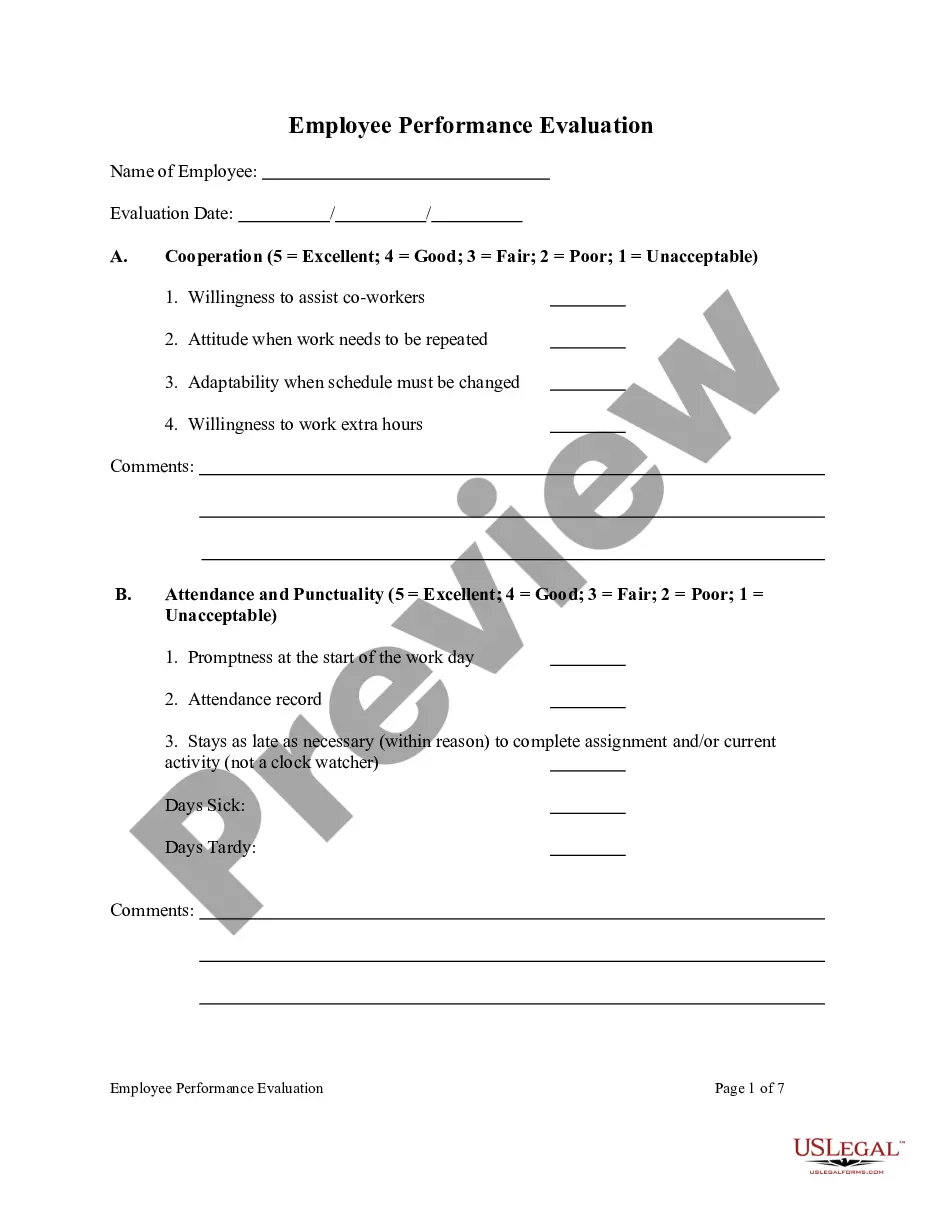
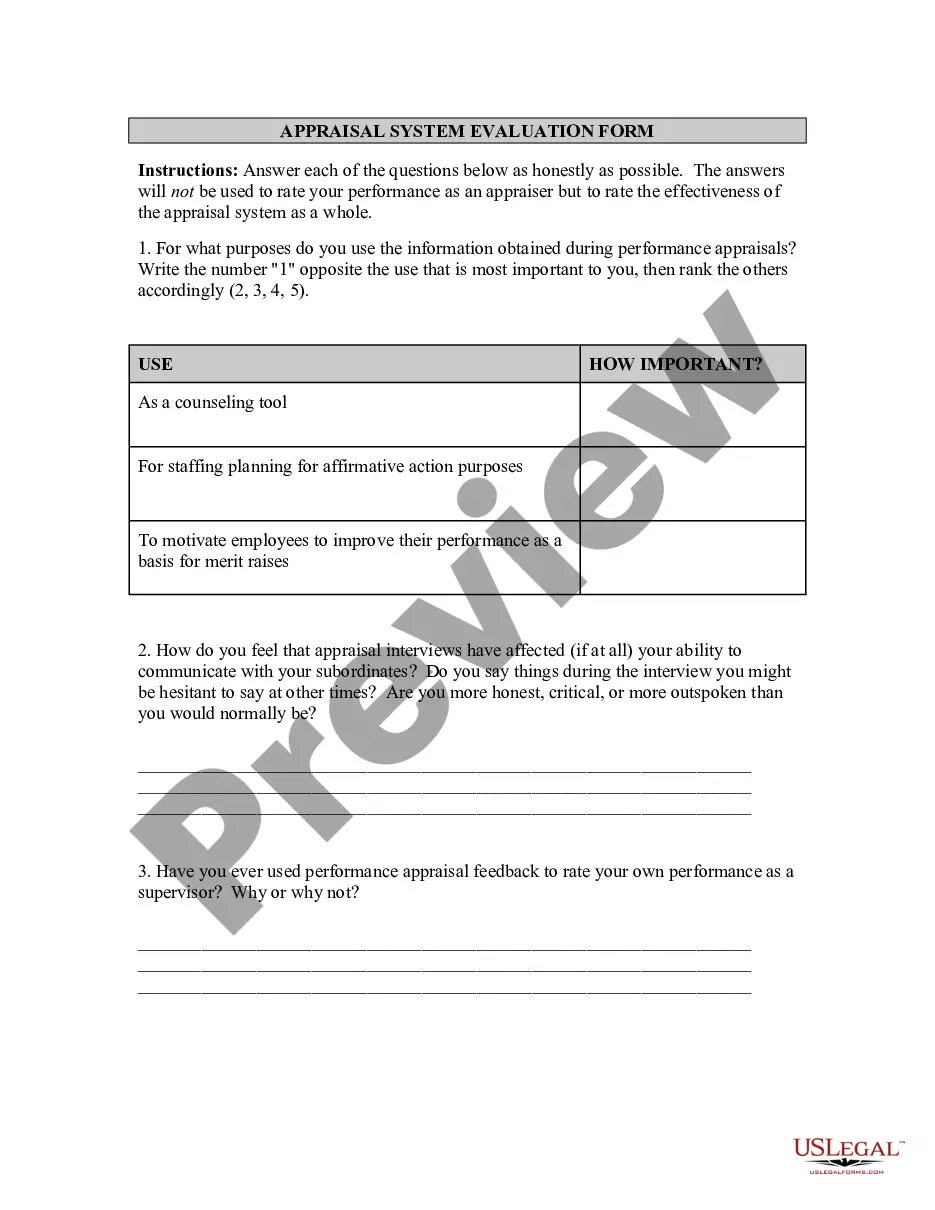
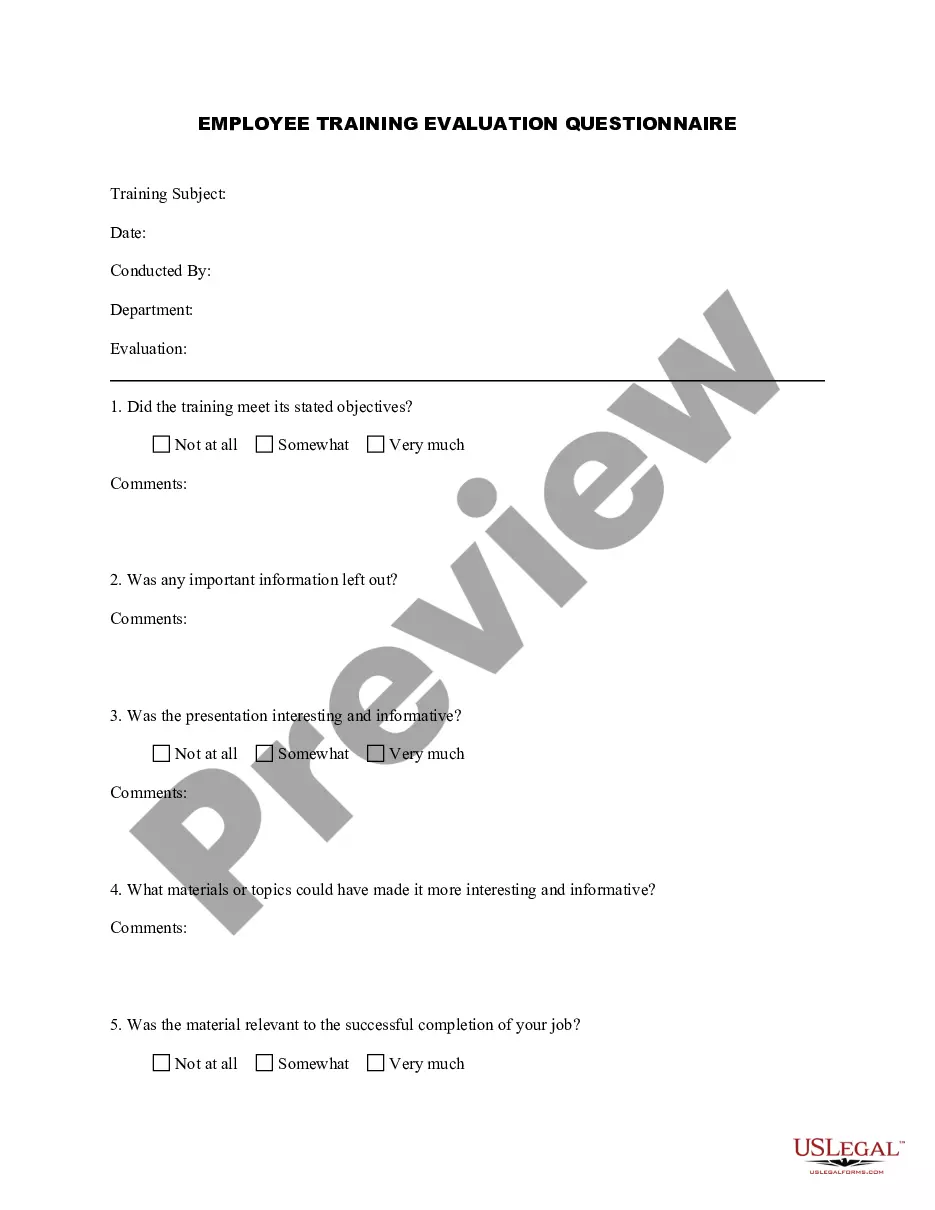
Get your form ready online
Our built-in tools help you complete, sign, share, and store your documents in one place.
Make edits, fill in missing information, and update formatting in US Legal Forms—just like you would in MS Word.
Download a copy, print it, send it by email, or mail it via USPS—whatever works best for your next step.
Sign and collect signatures with our SignNow integration. Send to multiple recipients, set reminders, and more. Go Premium to unlock E-Sign.
If this form requires notarization, complete it online through a secure video call—no need to meet a notary in person or wait for an appointment.
We protect your documents and personal data by following strict security and privacy standards.

Make edits, fill in missing information, and update formatting in US Legal Forms—just like you would in MS Word.

Download a copy, print it, send it by email, or mail it via USPS—whatever works best for your next step.

Sign and collect signatures with our SignNow integration. Send to multiple recipients, set reminders, and more. Go Premium to unlock E-Sign.

If this form requires notarization, complete it online through a secure video call—no need to meet a notary in person or wait for an appointment.

We protect your documents and personal data by following strict security and privacy standards.
Looking for another form?







Form popularity
FAQ
It can take significant time to complete a 360-degree performance appraisal. It takes time for the sources to participate in answering the questions thoughtfully and for the supervisors or HR employees to read through the material and analyze it with insight.
Open-ended questions for 360 degree feedback assessments What else would you like to share about this employee? What has this employee done particularly well? What would make this employee more effective in their role? What other comments do you have?
Disadvantage: It can become focused on negative feedback The flipside of people being too kind or generous is that some might take it as an opportunity to bear out grudges, or focus only on the negative.
8 Reasons why 360-degree feedback fails It pits employees against each other. It is a very time-consuming process. Confidentiality concerns. Challenges of maintaining objectivity. The burden of overwhelming change expectations. Data from 360-degree feedback is often unreliable.
One commonly cited criticism of the 360-degree feedback system is that raters may not provide honest feedback if they believe their responses could lead to negative consequences for the rated employee.
Positive feedback is associated with better performance and higher productivity. Sadly, 360-degree feedback often focuses excessively on the negative, with employees typically ignoring their strengths. This usually comes from a place of good intention—employees want to address their weaknesses.
How to conduct 360 reviews Establish criteria for rating each employee. Invest time into developing useful, relevant questions that provide valuable insight. Choose who will assess each employee. Send surveys. Send the survey to the employee. Schedule the 360 evaluation. Review ratings with employee. Follow up on progress.
“A 360-degree review is a talent development tool used to provide the recipient with feedback from all directions,” Inoa said. “This typically includes upward feedback from their direct reports, peer feedback from those they work closely with, and downward feedback from their manager.”
How to conduct 360 reviews Establish criteria for rating each employee. Invest time into developing useful, relevant questions that provide valuable insight. Choose who will assess each employee. Send surveys. Send the survey to the employee. Schedule the 360 evaluation. Review ratings with employee. Follow up on progress.
How to conduct 360 reviews Establish criteria for rating each employee. Invest time into developing useful, relevant questions that provide valuable insight. Choose who will assess each employee. Send surveys. Send the survey to the employee. Schedule the 360 evaluation. Review ratings with employee. Follow up on progress.