360 Feedback Examples For Leadership In New York
Description

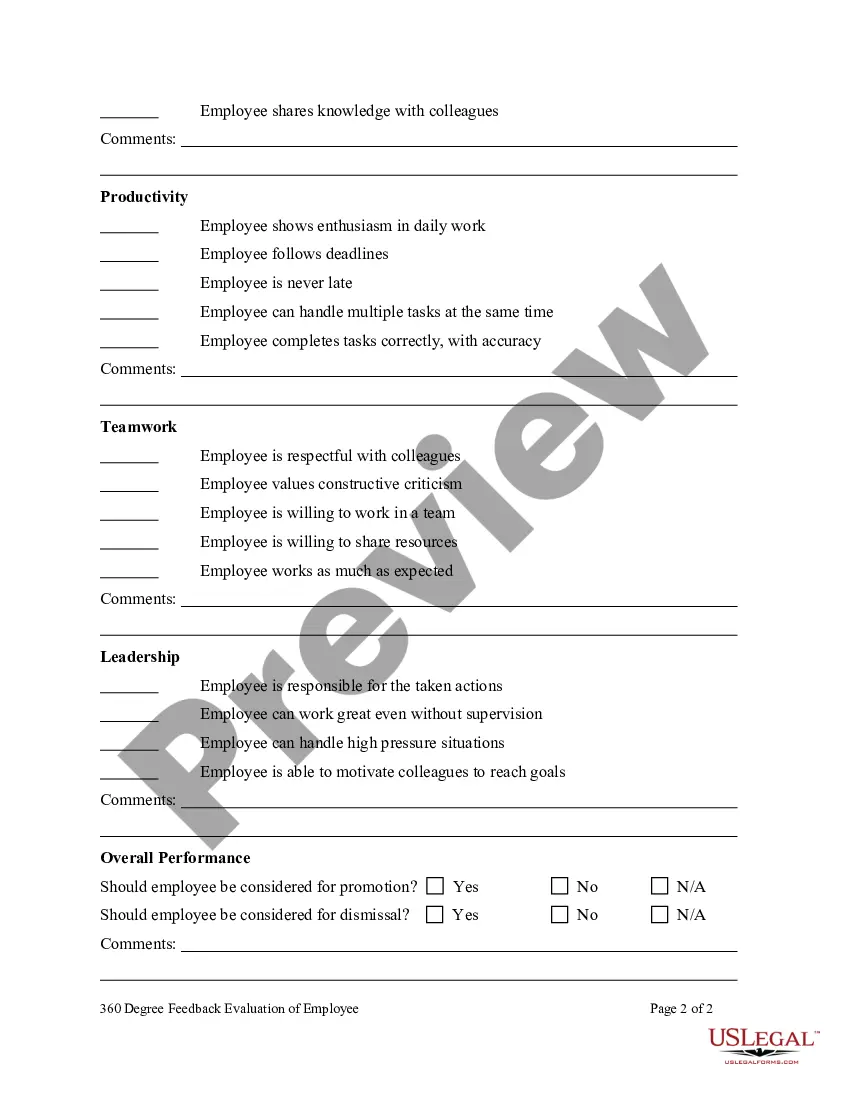
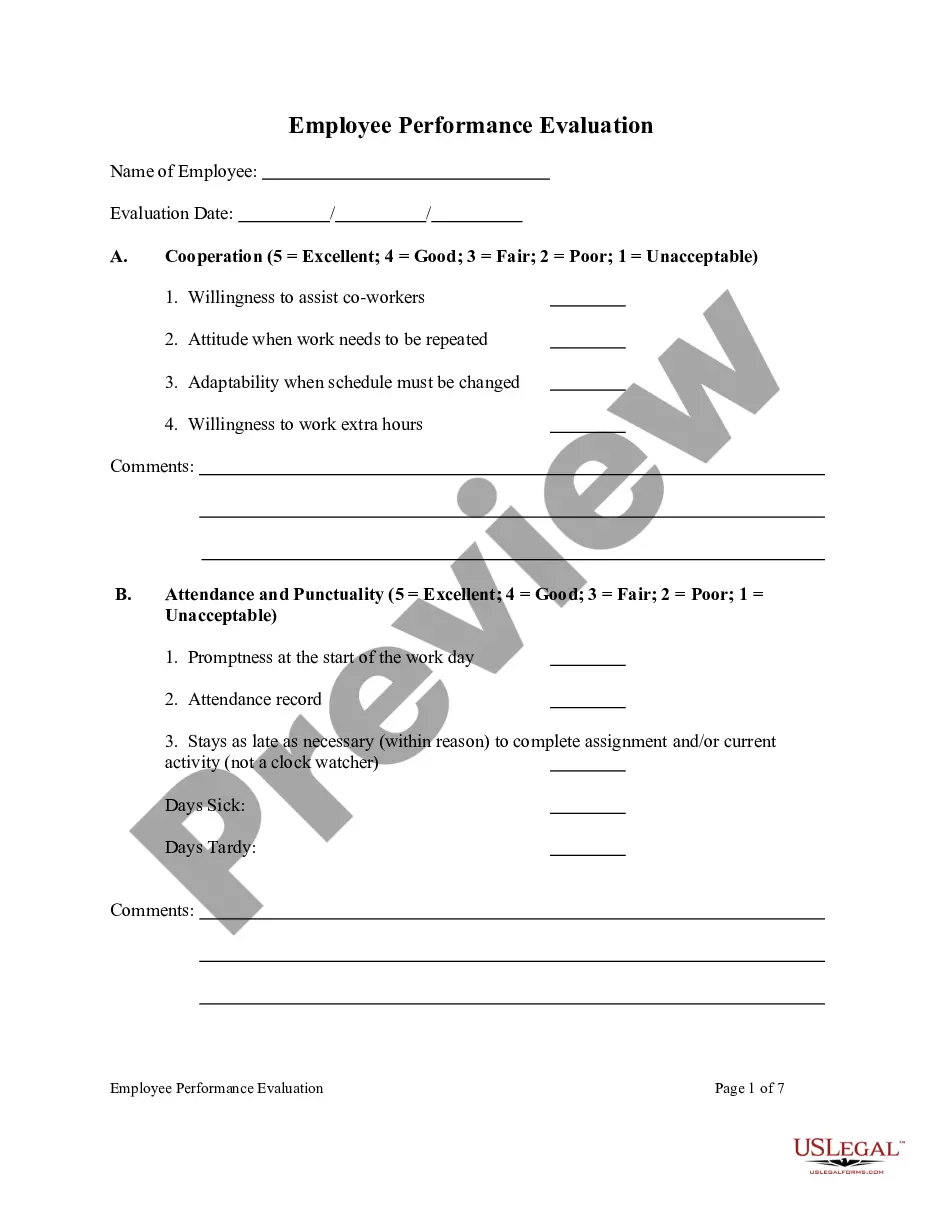
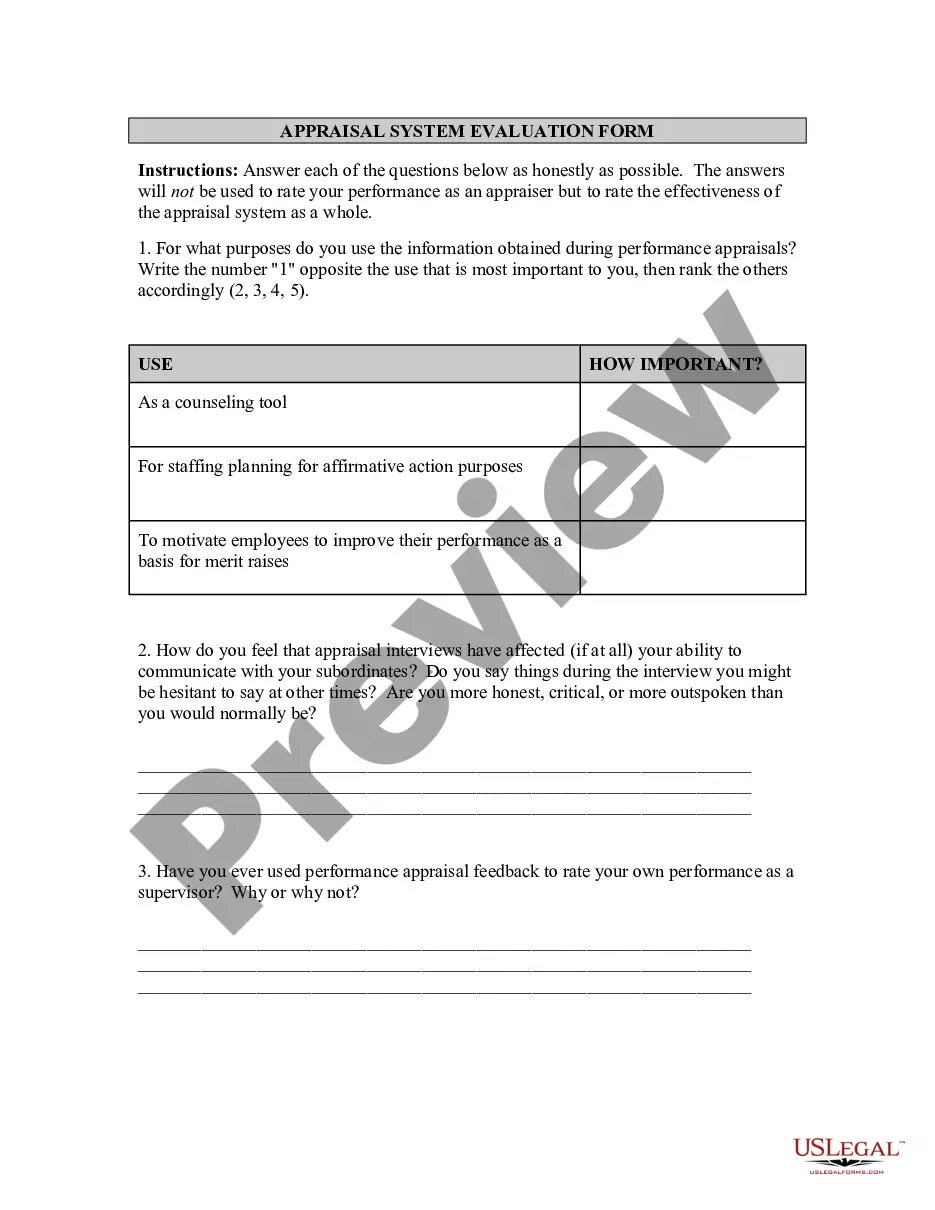
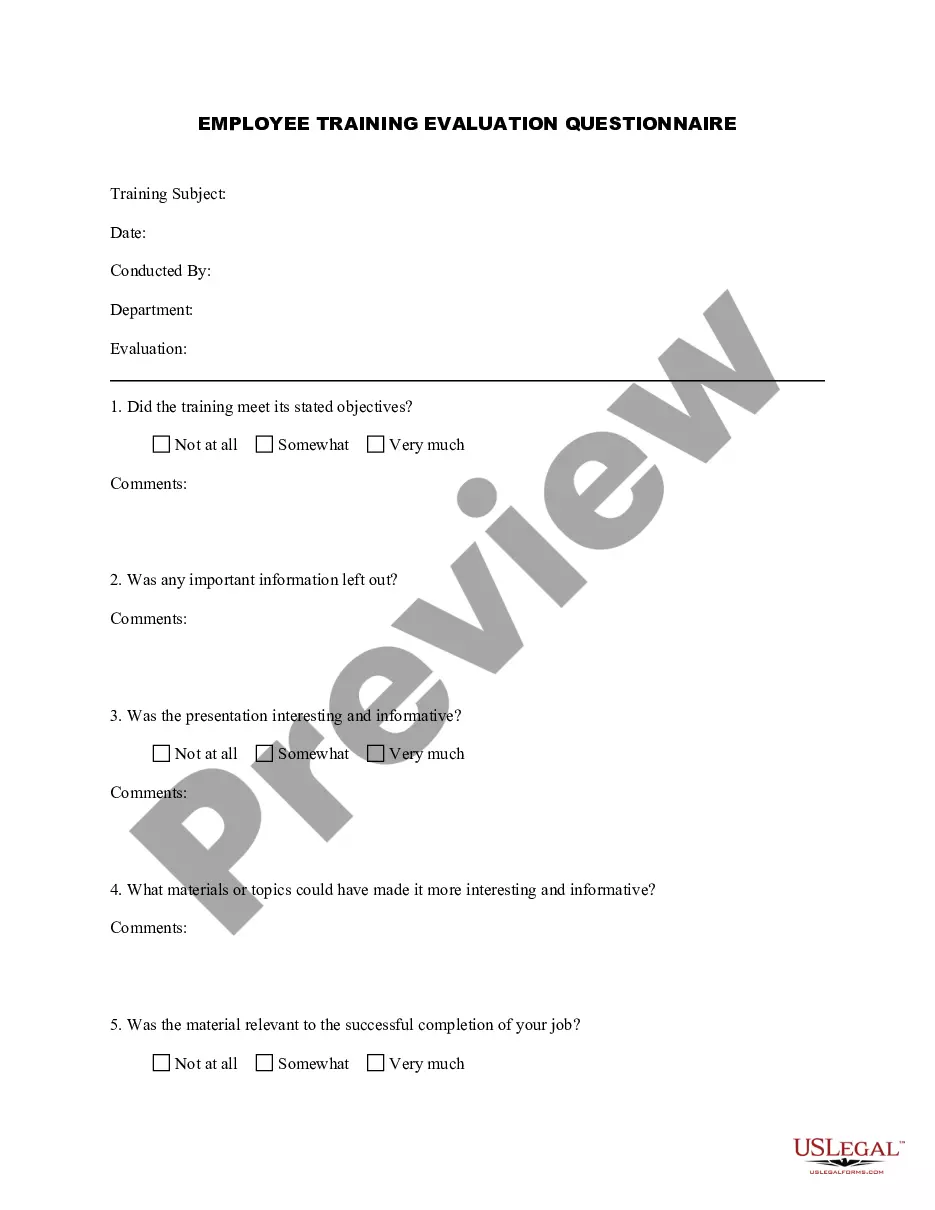
Get your form ready online
Our built-in tools help you complete, sign, share, and store your documents in one place.
Make edits, fill in missing information, and update formatting in US Legal Forms—just like you would in MS Word.
Download a copy, print it, send it by email, or mail it via USPS—whatever works best for your next step.
Sign and collect signatures with our SignNow integration. Send to multiple recipients, set reminders, and more. Go Premium to unlock E-Sign.
If this form requires notarization, complete it online through a secure video call—no need to meet a notary in person or wait for an appointment.
We protect your documents and personal data by following strict security and privacy standards.

Make edits, fill in missing information, and update formatting in US Legal Forms—just like you would in MS Word.

Download a copy, print it, send it by email, or mail it via USPS—whatever works best for your next step.

Sign and collect signatures with our SignNow integration. Send to multiple recipients, set reminders, and more. Go Premium to unlock E-Sign.

If this form requires notarization, complete it online through a secure video call—no need to meet a notary in person or wait for an appointment.

We protect your documents and personal data by following strict security and privacy standards.
Looking for another form?









Form popularity
FAQ
10 Open-Ended 360-Degree Feedback Questions What would you say are this person's strengths? What is one thing this employee should start doing? What is one thing this employee should continue doing? What is one thing this employee should stop doing? How well does this person manage their time and workload?
How to give 360 feedback to your boss Start with positive feedback. When giving 360-degree feedback, it's good to lead with a positive appraisal of your manager's performance. Review your relationship. Give examples. Be objective. Plan your feedback. Be empathetic. Practise.
How to carry out 360-degree feedback for leaders Invest in the newest technology solutions. Take a look at your current multi-rater systems. Define leadership. Some organisations don't define clearly who their leaders are, or their areas of responsibility. Identify the next leaders. Monitor progress and growth.
What Is 360-degree Feedback? Also called a multirater tool, 360-degree feedback is a process to survey a group of people who work around a leader about the leader's performance and behavior.
Positive Examples: “I admire your ability to build strong relationships with team members, as it helps build up the team's trust in your leadership.” “I am impressed with your ability to lead by example and inspire others to do their best work. It fosters a positive and productive team dynamic.”
“I appreciate how you always listen to our ideas and encourage open communication within the team. It makes us feel valued and respected.” Highlighting this behaviour reinforces its positive impact on team morale.
Here are examples of positive leadership feedback: “I've been really impressed with the way you've fostered collaboration within the team. Your open communication style and active listening have created a work environment where everyone feels valued and heard.
Positive 360 feedback examples The approach you have to resolving conflicts is commendable. Your active listening and tactful communication have helped to transform conflicts into opportunities for growth and team bonding.
360-degree evaluations go by several names, including 360-degree feedback, 360-degree assessment, and 360-degree performance review. Essentially, it is a process for measuring employee performance by utilizing feedback from peers, employees, clients, supervisors, and members of other teams.