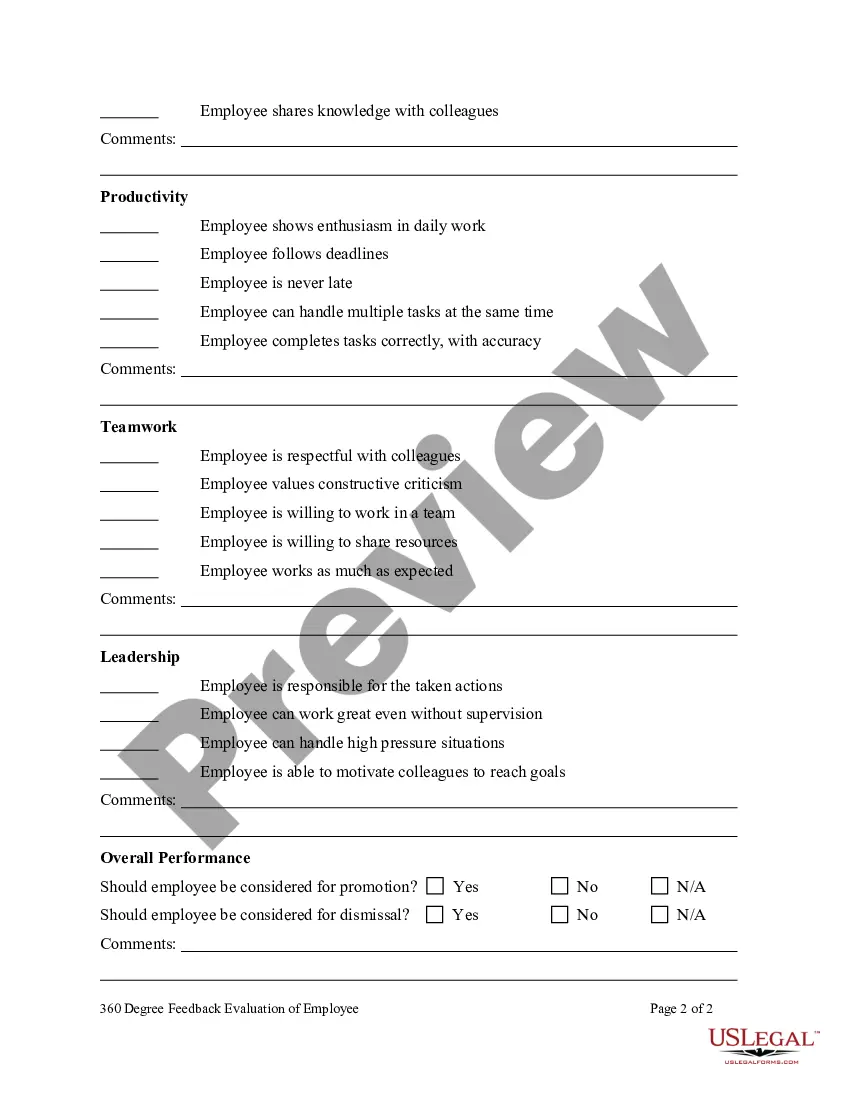
360-degree Feedback Questionnaire For Managers In Miami-Dade
Description

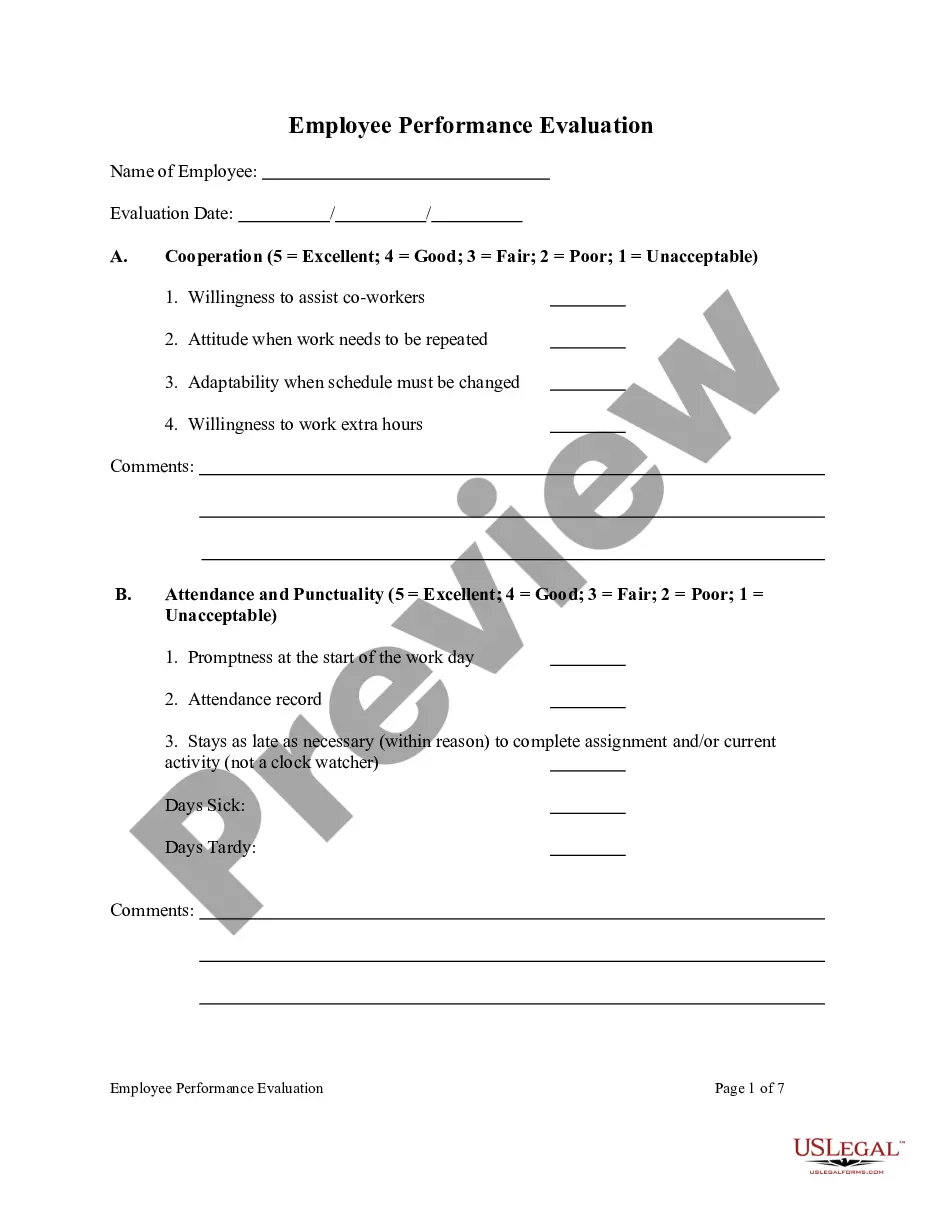
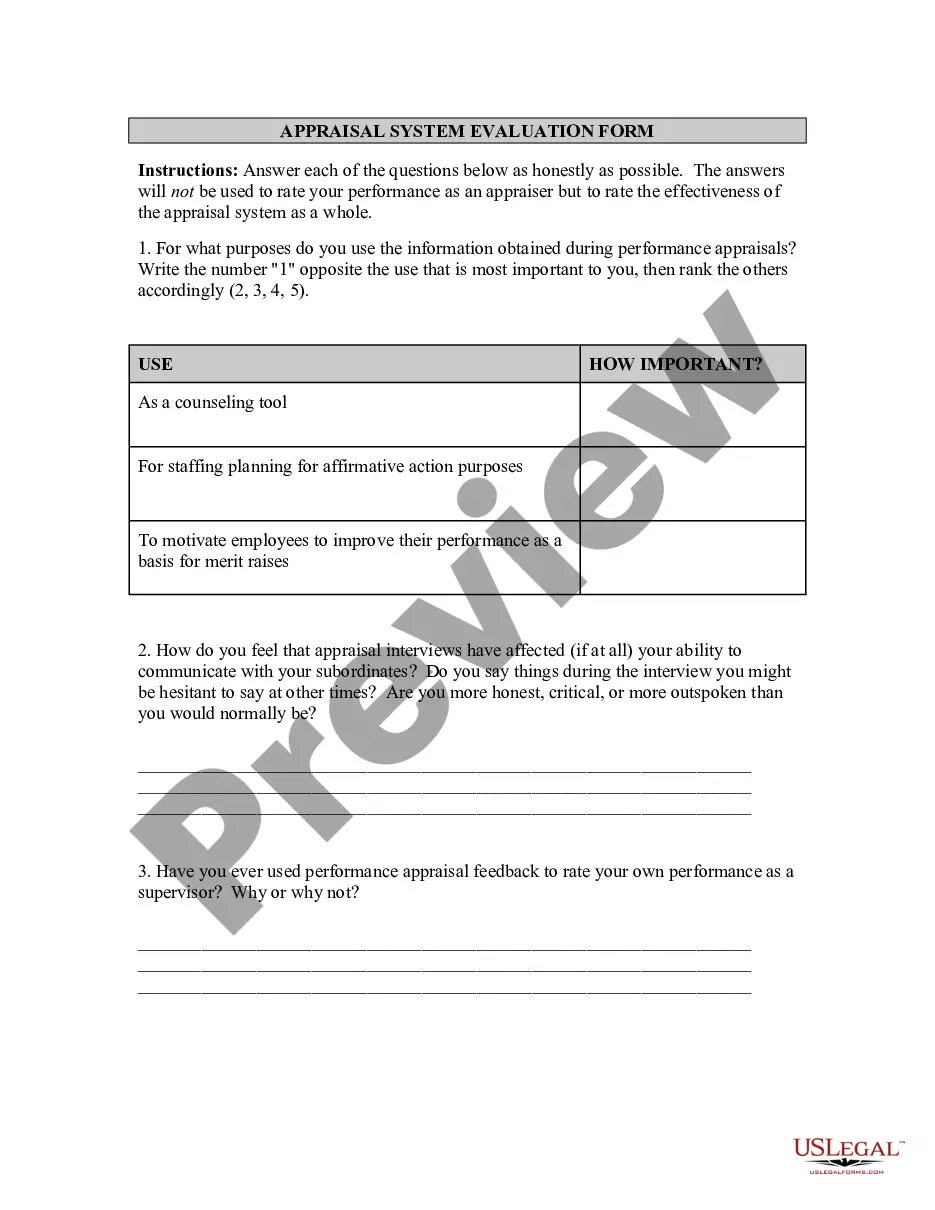
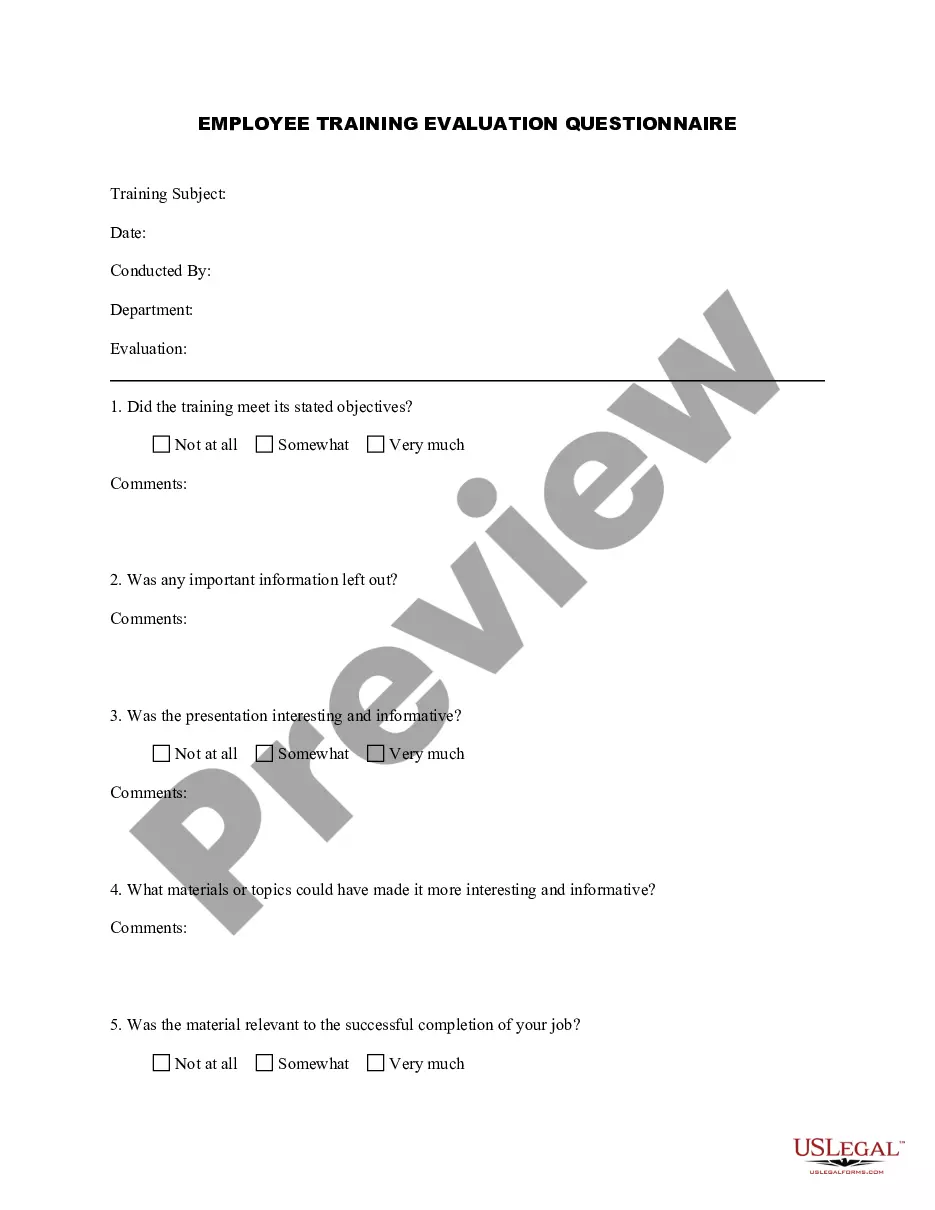
Get your form ready online
Our built-in tools help you complete, sign, share, and store your documents in one place.
Make edits, fill in missing information, and update formatting in US Legal Forms—just like you would in MS Word.
Download a copy, print it, send it by email, or mail it via USPS—whatever works best for your next step.
Sign and collect signatures with our SignNow integration. Send to multiple recipients, set reminders, and more. Go Premium to unlock E-Sign.
If this form requires notarization, complete it online through a secure video call—no need to meet a notary in person or wait for an appointment.
We protect your documents and personal data by following strict security and privacy standards.

Make edits, fill in missing information, and update formatting in US Legal Forms—just like you would in MS Word.

Download a copy, print it, send it by email, or mail it via USPS—whatever works best for your next step.

Sign and collect signatures with our SignNow integration. Send to multiple recipients, set reminders, and more. Go Premium to unlock E-Sign.

If this form requires notarization, complete it online through a secure video call—no need to meet a notary in person or wait for an appointment.

We protect your documents and personal data by following strict security and privacy standards.
Looking for another form?








Form popularity
FAQ
Positive 360 feedback examples Your collaborative spirit in sharing knowledge with new hires sets an example for the rest of the team. Your willingness to help has streamlined our onboarding process and enabled us to create a culture of mutual support. The approach you have to resolving conflicts is commendable.
360-degree feedback (sometimes called 360 feedback) is feedback given to an employee from multiple sources as a form of performance management. These sources are typically colleagues, peers, direct reports, and/or clients.
What is it? The 360 Degree Feedback Tool is designed to give you insight into other people's perception of your leadership abilities and behaviour. The process includes getting confidential feedback from line managers, peers and direct reports. This can be helpful to highlight strengths or areas for development.
Positive 360 feedback examples The approach you have to resolving conflicts is commendable. Your active listening and tactful communication have helped to transform conflicts into opportunities for growth and team bonding.
Here's a step-by-step guide for giving 360 feedback to your manager: Start with positive feedback. When giving 360-degree feedback, it's good to lead with a positive appraisal of your manager's performance. Review your relationship. Give examples. Be objective. Plan your feedback. Be empathetic. Practise.
Be concise and specific Rein in your impulses to be laconic or verbose and instead, be absolutely specific. Answering feedback based on the questions asked allows recipients to understand the cause behind the feedback as well as understand it better.
10 Open-Ended 360-Degree Feedback Questions What would you say are this person's strengths? What is one thing this employee should start doing? What is one thing this employee should continue doing? What is one thing this employee should stop doing? How well does this person manage their time and workload?
How effective is 360-degree feedback? If designed and implemented correctly, a 360-degree feedback system can have a positive impact on employee performance by providing constructive input from a well-rounded group of sources that improves effectiveness and strengthens accountability and teamwork.
How to conduct 360 reviews Establish criteria for rating each employee. Invest time into developing useful, relevant questions that provide valuable insight. Choose who will assess each employee. Send surveys. Send the survey to the employee. Schedule the 360 evaluation. Review ratings with employee. Follow up on progress.
How to conduct 360 reviews Establish criteria for rating each employee. Invest time into developing useful, relevant questions that provide valuable insight. Choose who will assess each employee. Send surveys. Send the survey to the employee. Schedule the 360 evaluation. Review ratings with employee. Follow up on progress.
