360 Feedback Template For Peers In Hennepin
Description

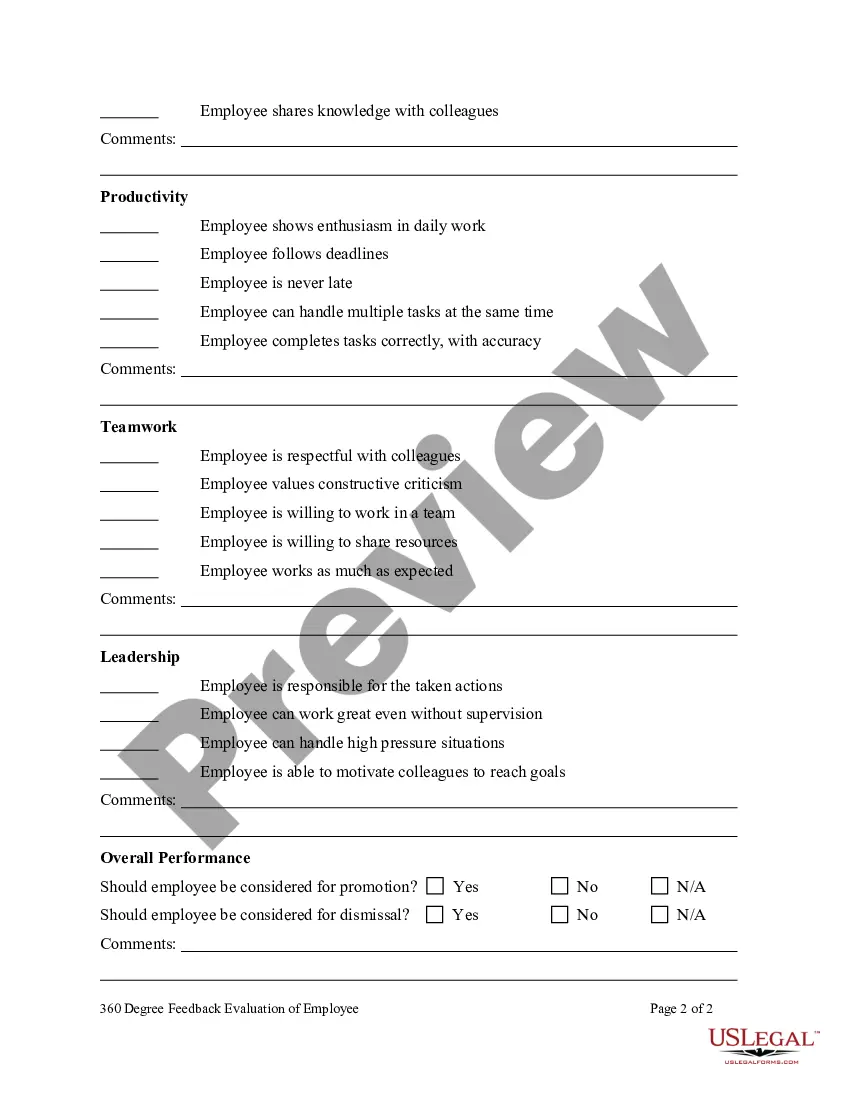
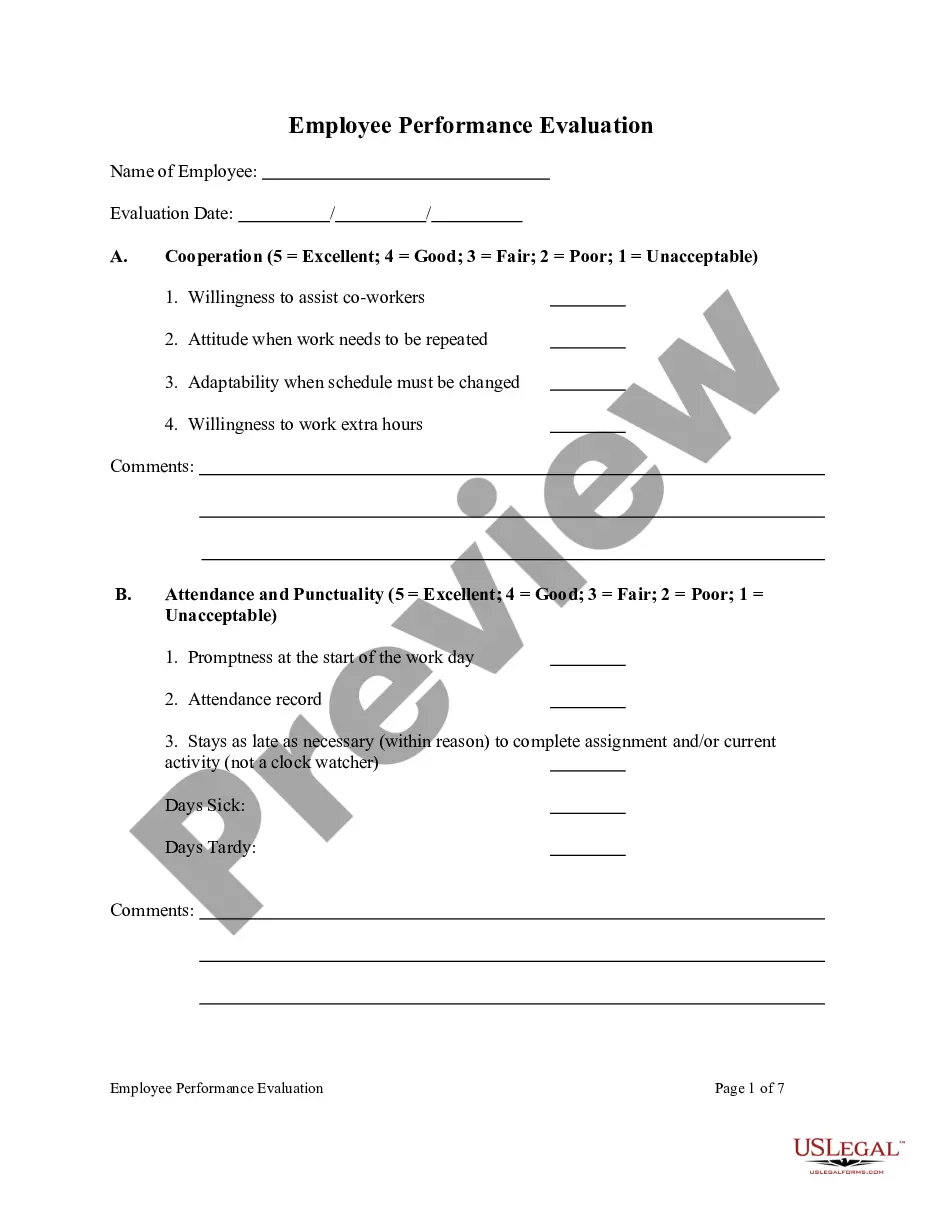
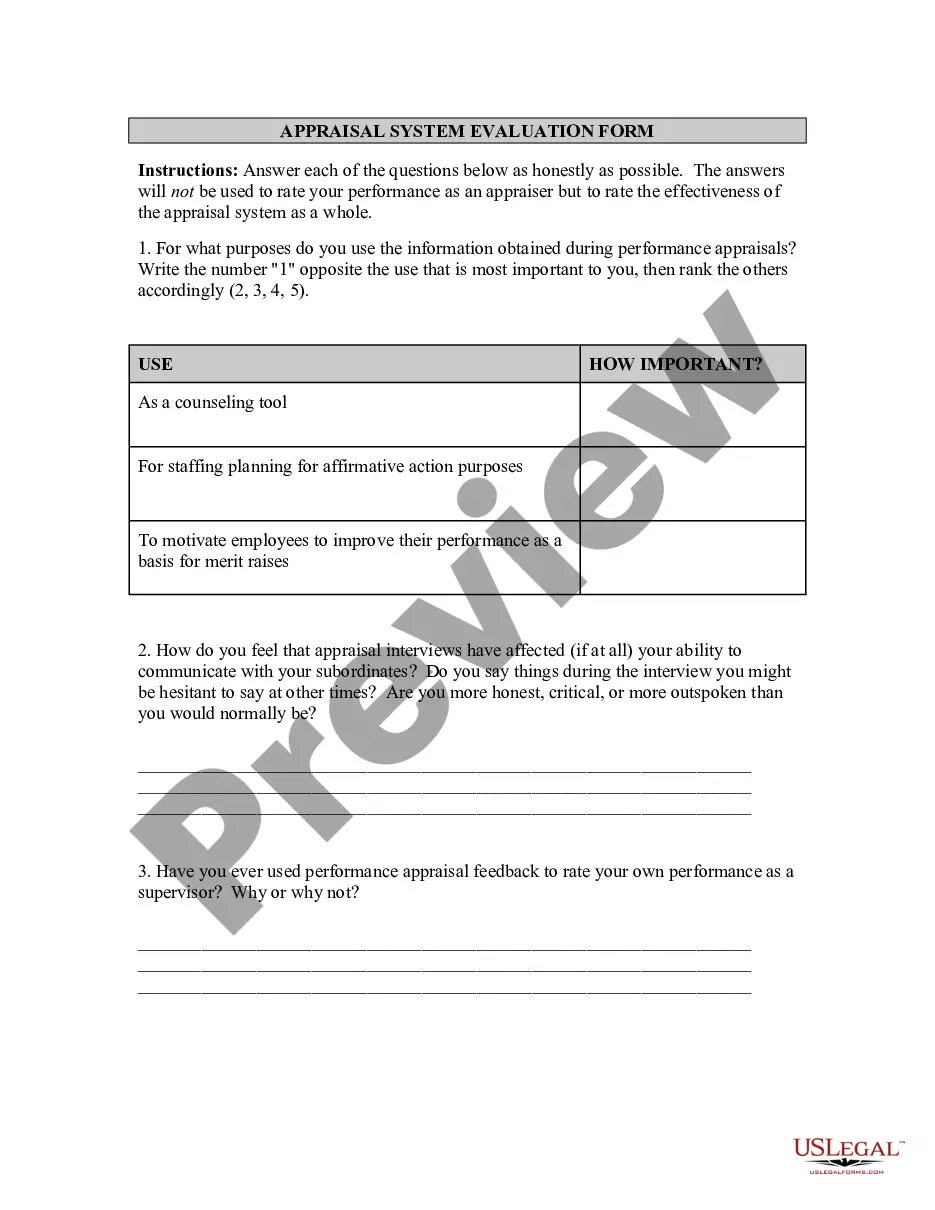
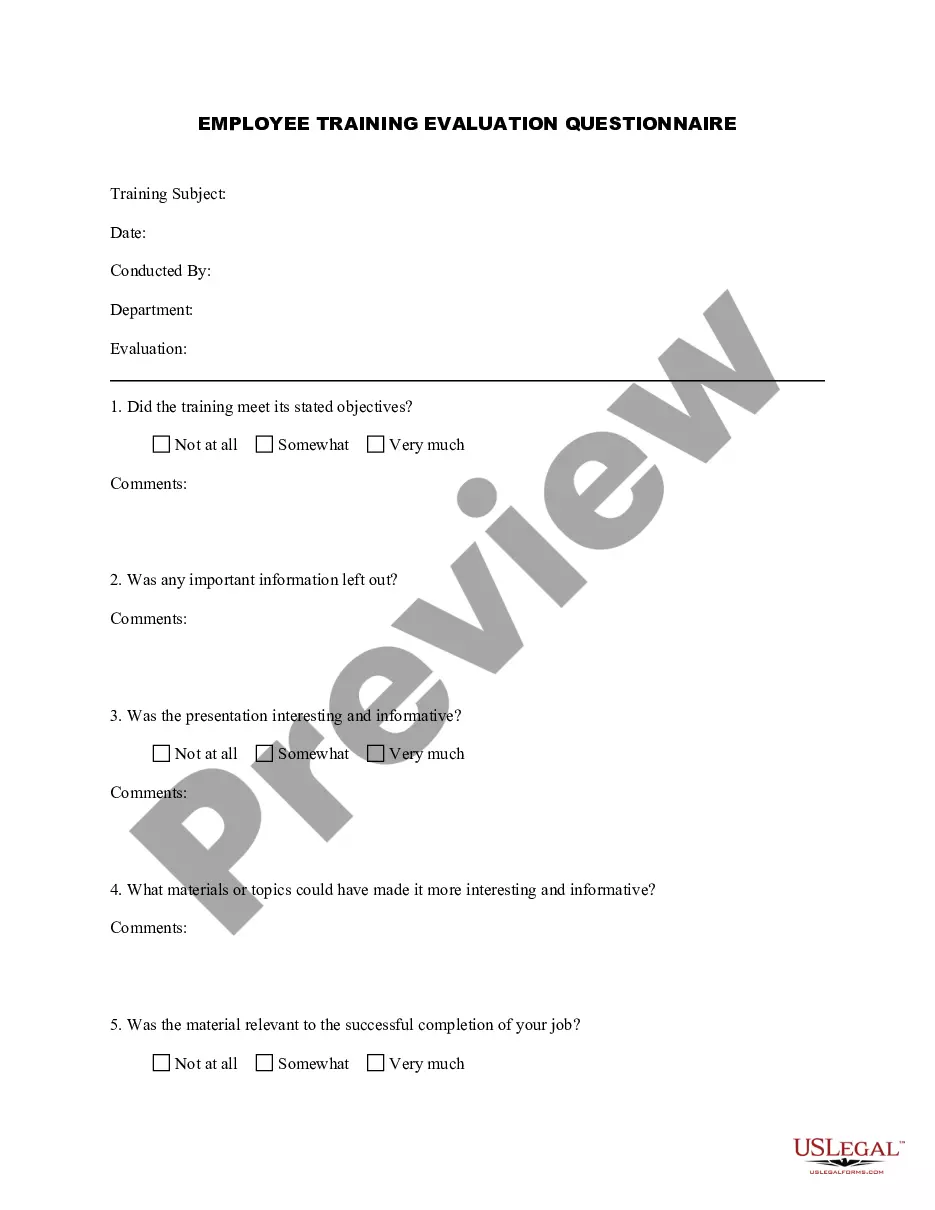
Get your form ready online
Our built-in tools help you complete, sign, share, and store your documents in one place.
Make edits, fill in missing information, and update formatting in US Legal Forms—just like you would in MS Word.
Download a copy, print it, send it by email, or mail it via USPS—whatever works best for your next step.
Sign and collect signatures with our SignNow integration. Send to multiple recipients, set reminders, and more. Go Premium to unlock E-Sign.
If this form requires notarization, complete it online through a secure video call—no need to meet a notary in person or wait for an appointment.
We protect your documents and personal data by following strict security and privacy standards.

Make edits, fill in missing information, and update formatting in US Legal Forms—just like you would in MS Word.

Download a copy, print it, send it by email, or mail it via USPS—whatever works best for your next step.

Sign and collect signatures with our SignNow integration. Send to multiple recipients, set reminders, and more. Go Premium to unlock E-Sign.

If this form requires notarization, complete it online through a secure video call—no need to meet a notary in person or wait for an appointment.

We protect your documents and personal data by following strict security and privacy standards.
Looking for another form?










Form popularity
FAQ
Who can give an employee 360 degree feedback? 360 feedback is multi rater feedback. This means it should be given by those colleagues who work directly with the person who's receiving the feedback. This can include supervisors, colleagues, direct reports, customers, and vendors.
Who Should You Ask For 360 Feedback Peers. First and foremost, an employee's peers. Managers. It is a manager's responsibility to help their employees grow as professionals. Direct Reports. Nobody should be exempt from feedback. Customers. The Employee Themselves.
How to design an effective 360 degree feedback questionnaire Identify the themes you want to measure. Create specific 360 questions based on your themes. Example 360 degree feedback questionnaire questions. Define your 360 degree feedback questionnaire rating scale. In conclusion.
It comprises ratings and feedback from internal stakeholders who have a close working relationship with the employee, namely peers, direct reports, and supervisors. Another source of feedback is self-assessment. External stakeholder feedback can also be included, such as customers, vendors, and suppliers.
How to conduct 360 reviews Establish criteria for rating each employee. Invest time into developing useful, relevant questions that provide valuable insight. Choose who will assess each employee. Send surveys. Send the survey to the employee. Schedule the 360 evaluation. Review ratings with employee. Follow up on progress.
What should I include in 360 feedback? Start by recognizing their strengths and positive qualities, highlighting specific areas of excellence. Identify specific areas for improvement and offer constructive feedback for their development. Provide behavioral examples for your observations.
Here are some best practices to ensure your peer reviews are both impactful and constructive: Be Specific and Actionable ... Balance Positives and Constructive Feedback ... Focus on Behaviors, Not Personalities ... Offer Solutions, Not Just Criticism ... Be Timely
Does this coworker often meet deadlines and is good at working efficiently? Always give examples. Be specific about what you're talking about. Don't hesitate to give difficult feedback. Think about giving feedback and tell the person how they could improve.
Positive 360 feedback examples The approach you have to resolving conflicts is commendable. Your active listening and tactful communication have helped to transform conflicts into opportunities for growth and team bonding.
One of the key steps to report 360-degree feedback results is to communicate the purpose and benefits of the process to your clients and their employees. You should explain why they received 360-degree feedback, how it aligns with their goals and values, and how it can help them grow and succeed.
