360 Review Examples In Cuyahoga
Description

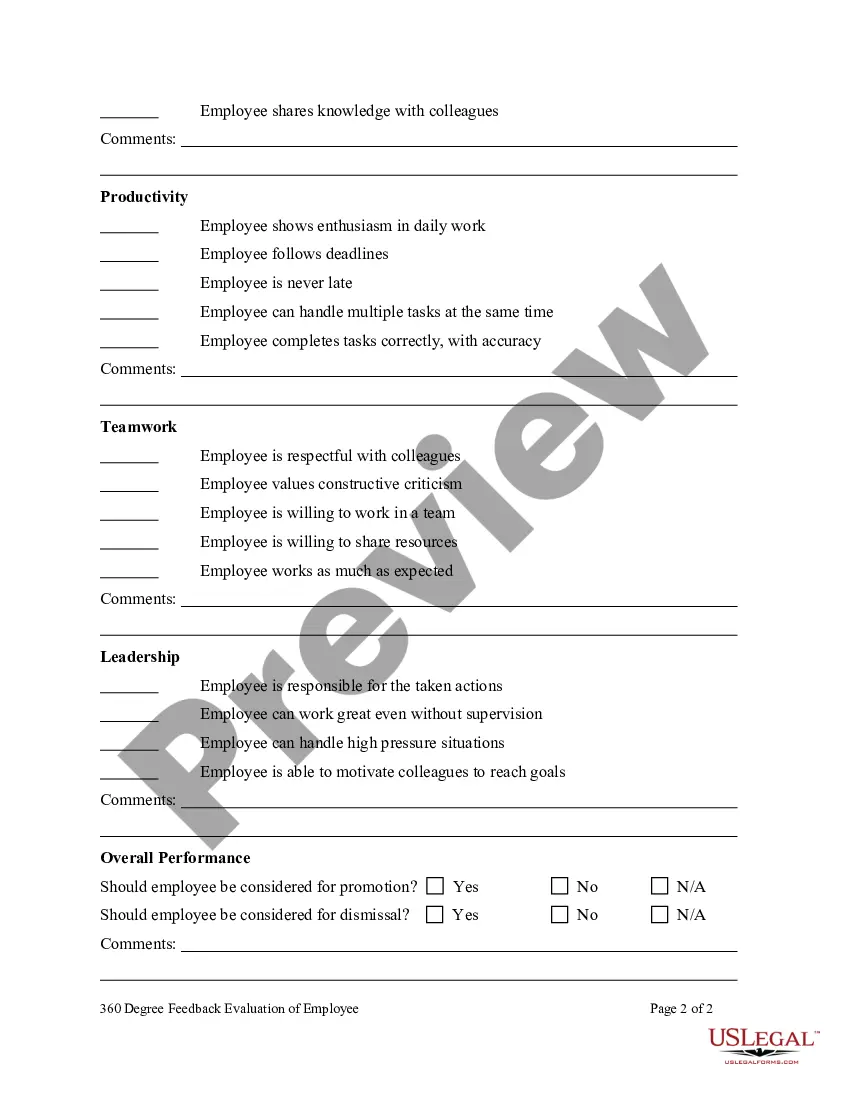
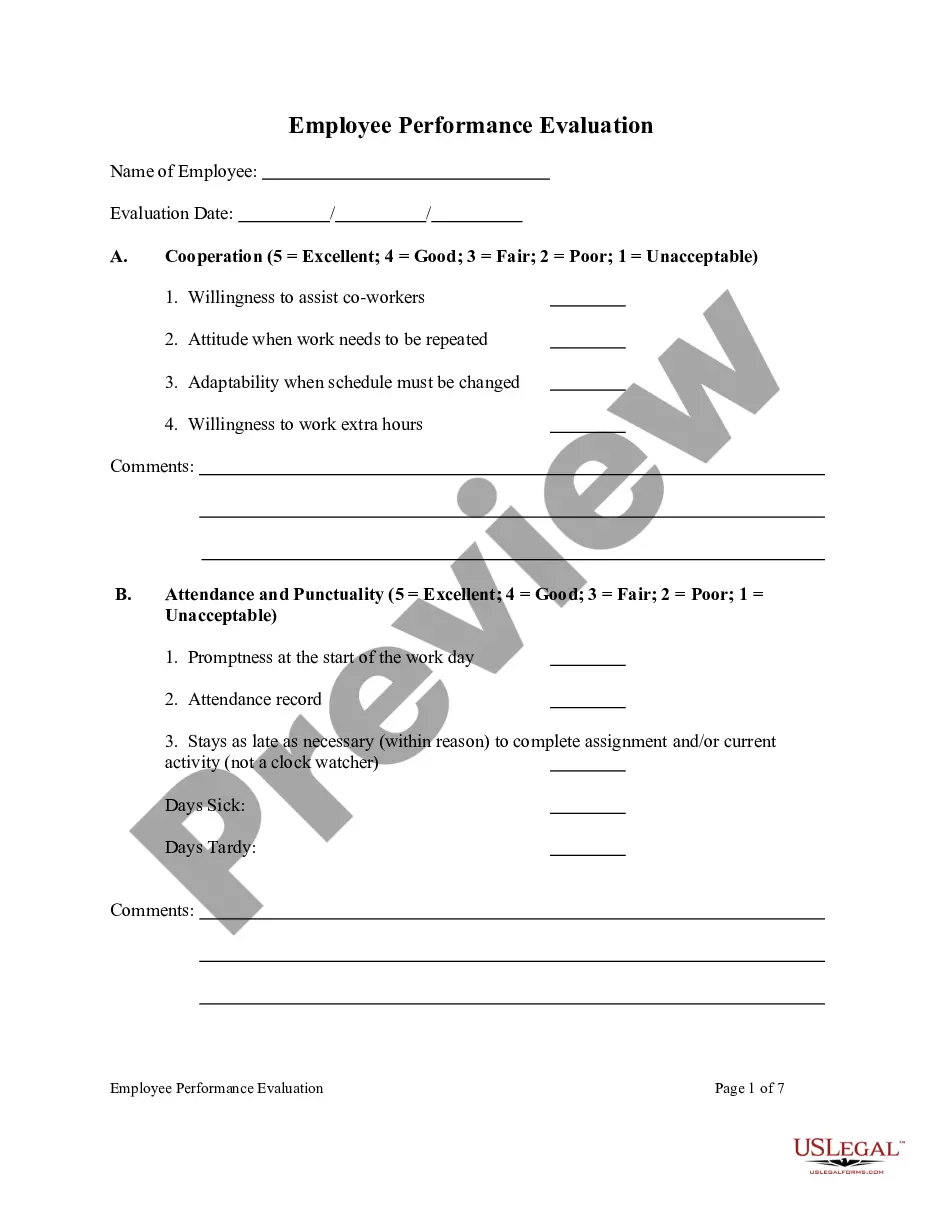
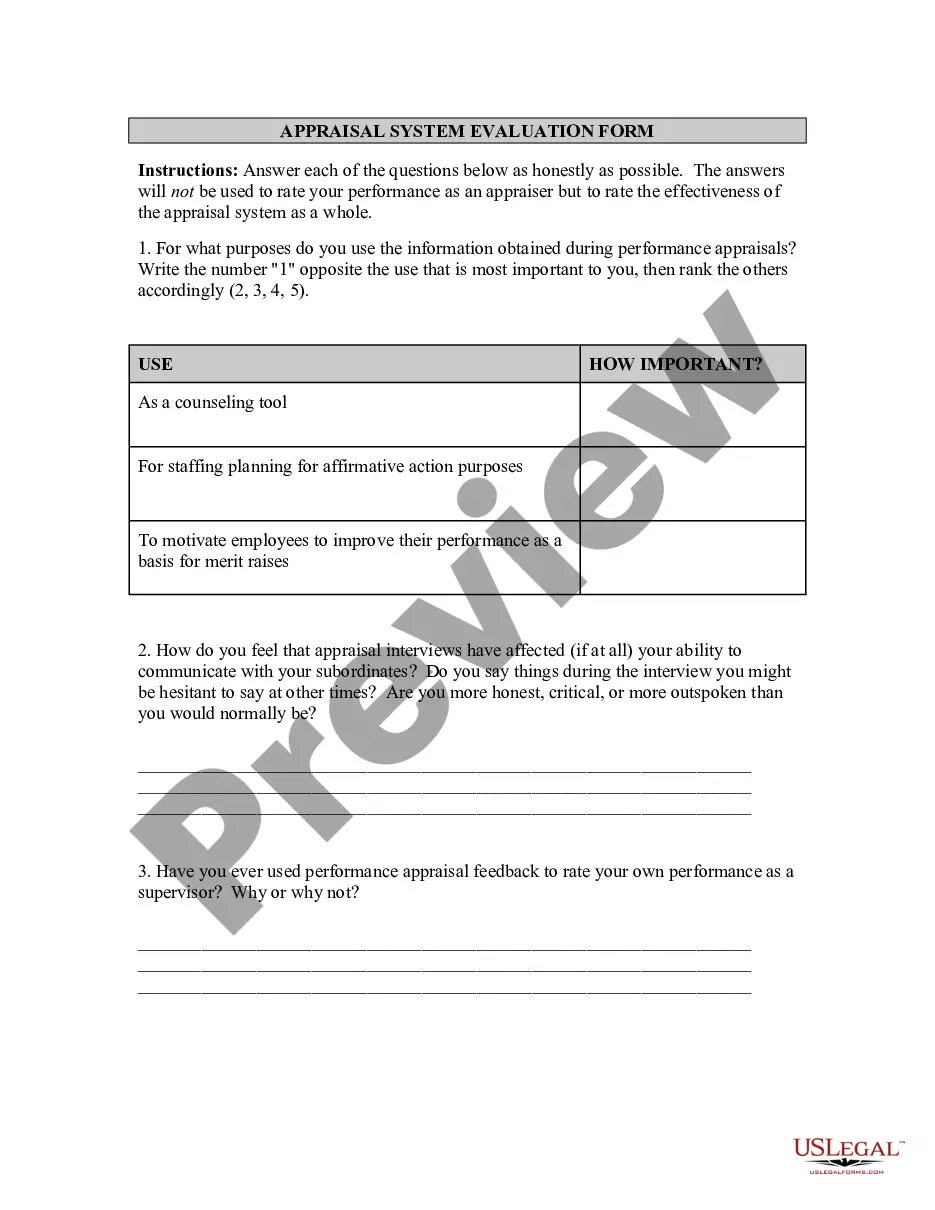
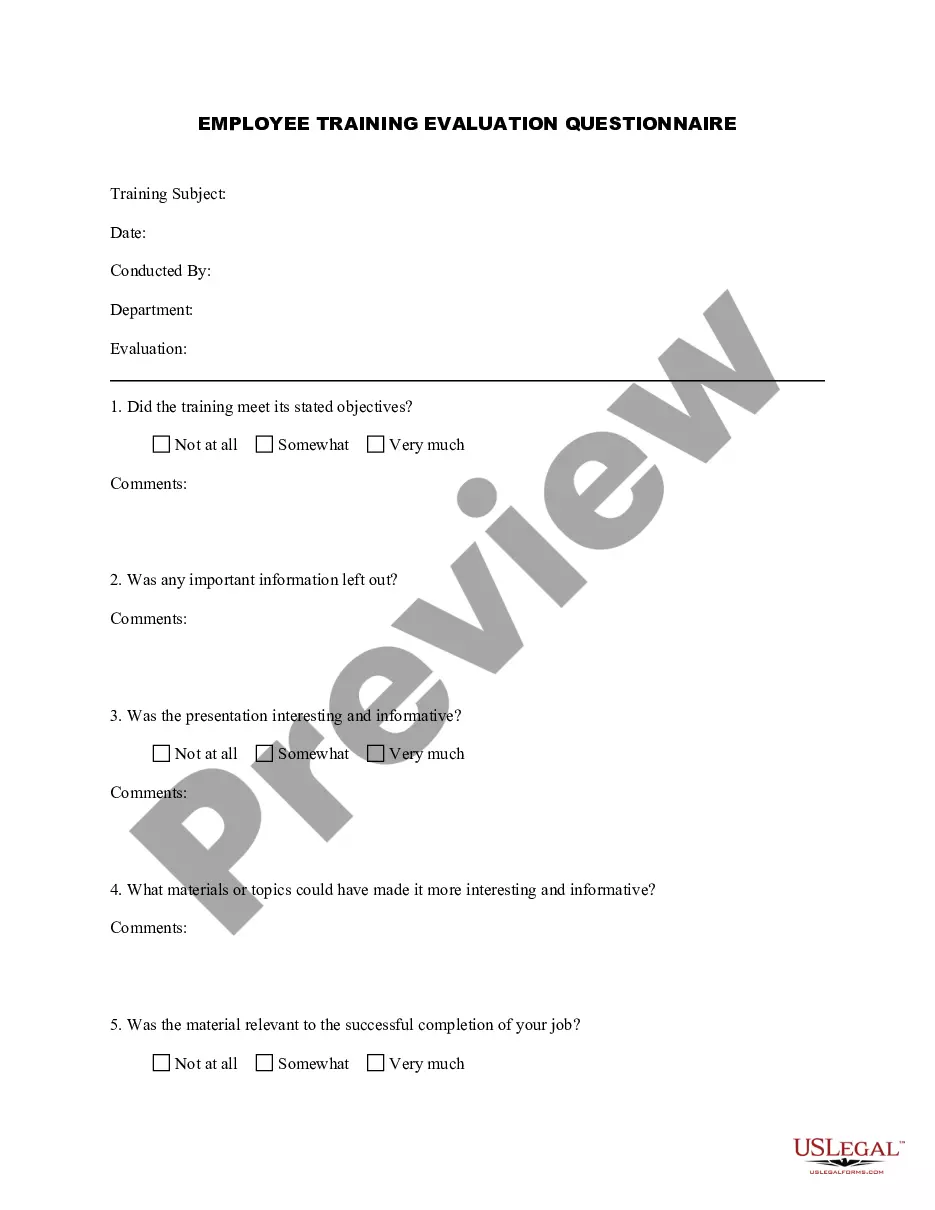
Get your form ready online
Our built-in tools help you complete, sign, share, and store your documents in one place.
Make edits, fill in missing information, and update formatting in US Legal Forms—just like you would in MS Word.
Download a copy, print it, send it by email, or mail it via USPS—whatever works best for your next step.
Sign and collect signatures with our SignNow integration. Send to multiple recipients, set reminders, and more. Go Premium to unlock E-Sign.
If this form requires notarization, complete it online through a secure video call—no need to meet a notary in person or wait for an appointment.
We protect your documents and personal data by following strict security and privacy standards.

Make edits, fill in missing information, and update formatting in US Legal Forms—just like you would in MS Word.

Download a copy, print it, send it by email, or mail it via USPS—whatever works best for your next step.

Sign and collect signatures with our SignNow integration. Send to multiple recipients, set reminders, and more. Go Premium to unlock E-Sign.

If this form requires notarization, complete it online through a secure video call—no need to meet a notary in person or wait for an appointment.

We protect your documents and personal data by following strict security and privacy standards.
Looking for another form?





Form popularity
FAQ
Here are a few creative steps to help you provide feedback effectively: Choose the right moment. Frame your feedback positively. Be specific and provide examples. Offer solutions. Focus on "I" statements. Choose the right setting for feedback. Adopt a constructive approach. Encourage self-assessment.
"You're very inspirational and give the team excellent motivation to achieve our goals" A motivational leader can encourage employees to be more productive. If your manager encourages team members to perform well and meet personal and team goals, you could comment on this in their review.
These close-ended questions are useful for adding to management 360 feedback reviews, to ask relevant questions for this particular role. Does the manager work in a respectful manner to others? Does the manager consider other team members' opinions before making a decision? Does the manager effectively solve problems?
Here are some best practices to ensure your peer reviews are both impactful and constructive: Be Specific and Actionable ... Balance Positives and Constructive Feedback ... Focus on Behaviors, Not Personalities ... Offer Solutions, Not Just Criticism ... Be Timely
Positive Feedback Examples “I've been really impressed with the way you've fostered collaboration within the team. Your open communication style and active listening have created a work environment where everyone feels valued and heard. “Your decision-making during the recent project challenges was commendable.
Positive 360 feedback examples The approach you have to resolving conflicts is commendable. Your active listening and tactful communication have helped to transform conflicts into opportunities for growth and team bonding.
Examples of Positive Feedback for Managers Well done!” “Through the peer reviews I read, it has become clear to me that your peers think you are doing a great job.” “Not only were you able to prevent the project from going over budget, which is excellent, but your team completed the project well ahead of schedule.
Focus on the Work Address what is observable about outcomes, behaviors, and tasks. Describe how the performance has met or has not met expectations. Be direct and accountable by using "I" statements. Be specific, not global or broad, about the gaps (positive and negative) between performance and expectations.
Reflect on your key accomplishments and contributions over the review period. Assess your performance against the goals, objectives, or key performance indicators (KPIs) set for your role. Identify areas where you demonstrated strong skills and competencies. Acknowledge any areas for improvement or development needs.
Here are some things to keep in mind when writing performance evaluation comments: Review past and present performance. Be honest and clear. Provide concrete examples. Choose your words carefully. End on a positive note.
