360 Feedback Answers In Chicago
Description

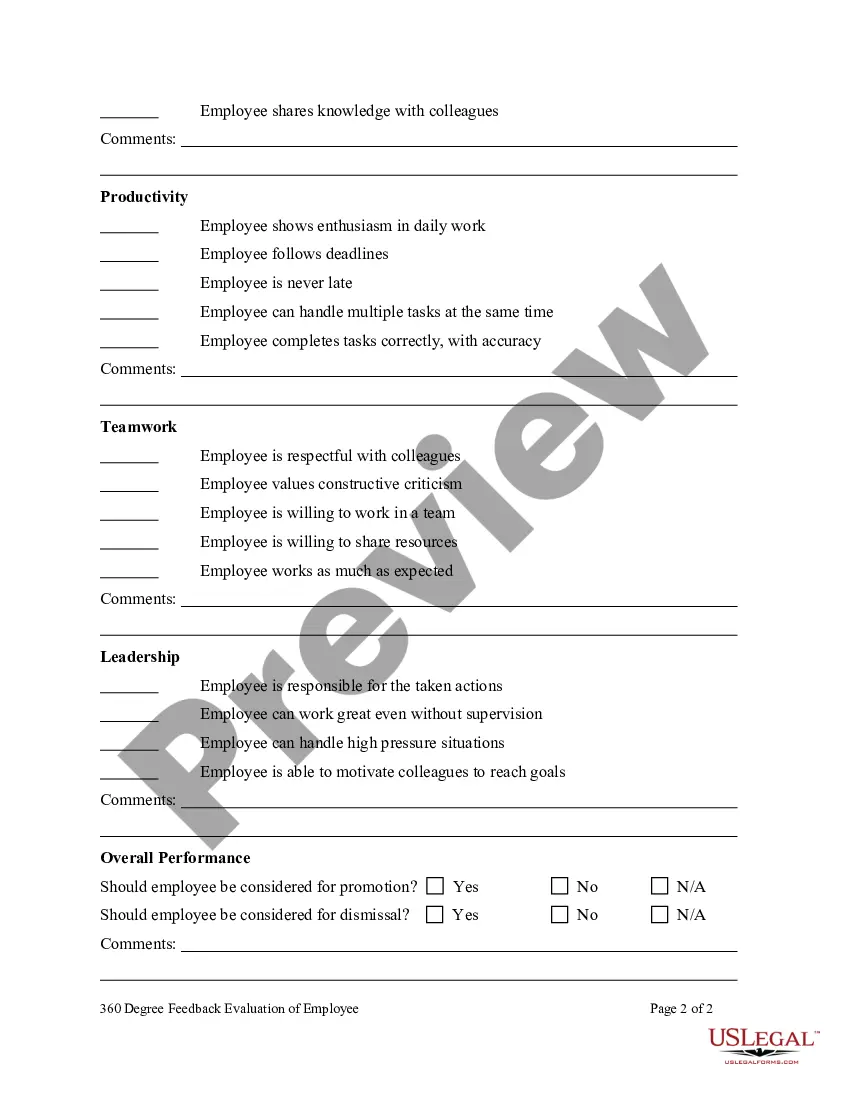
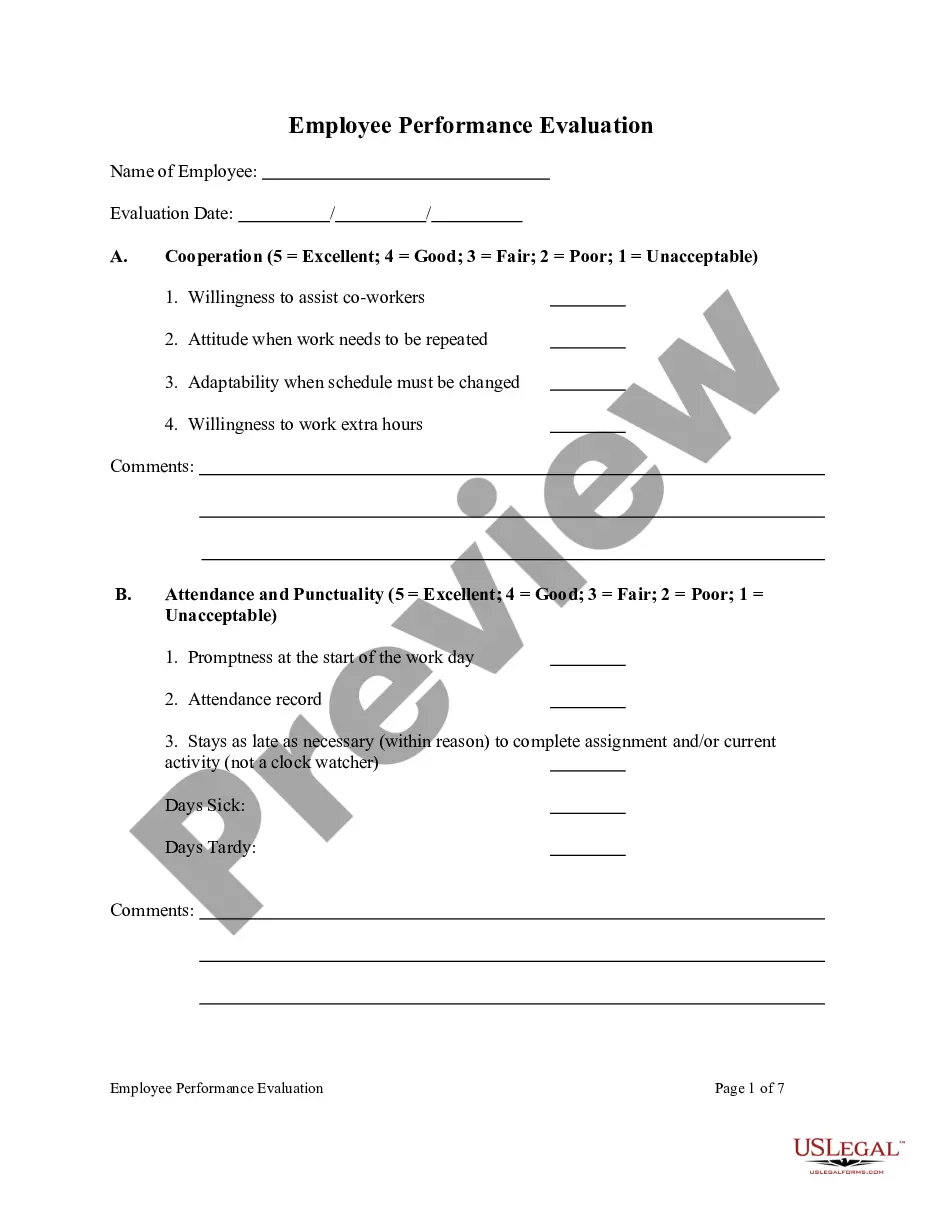
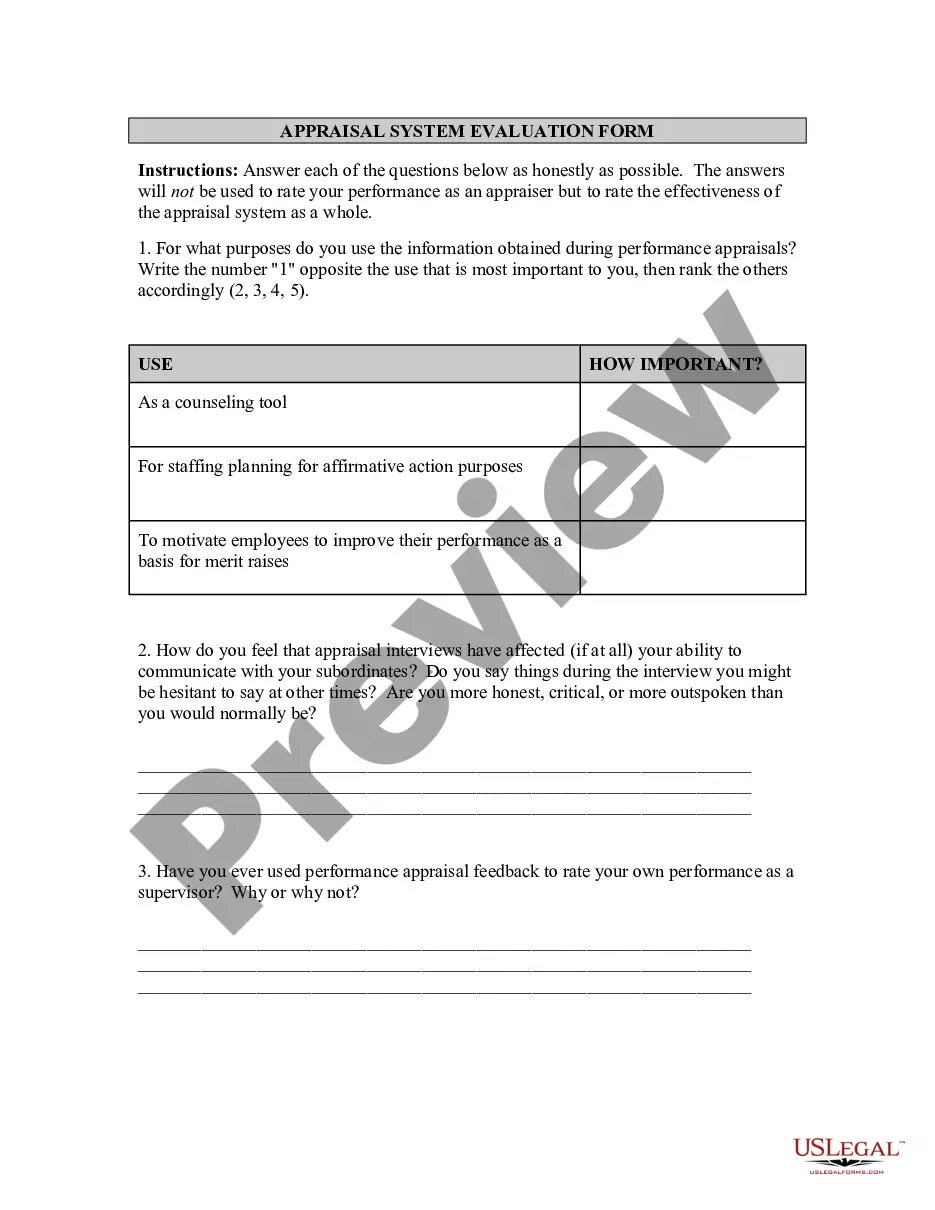
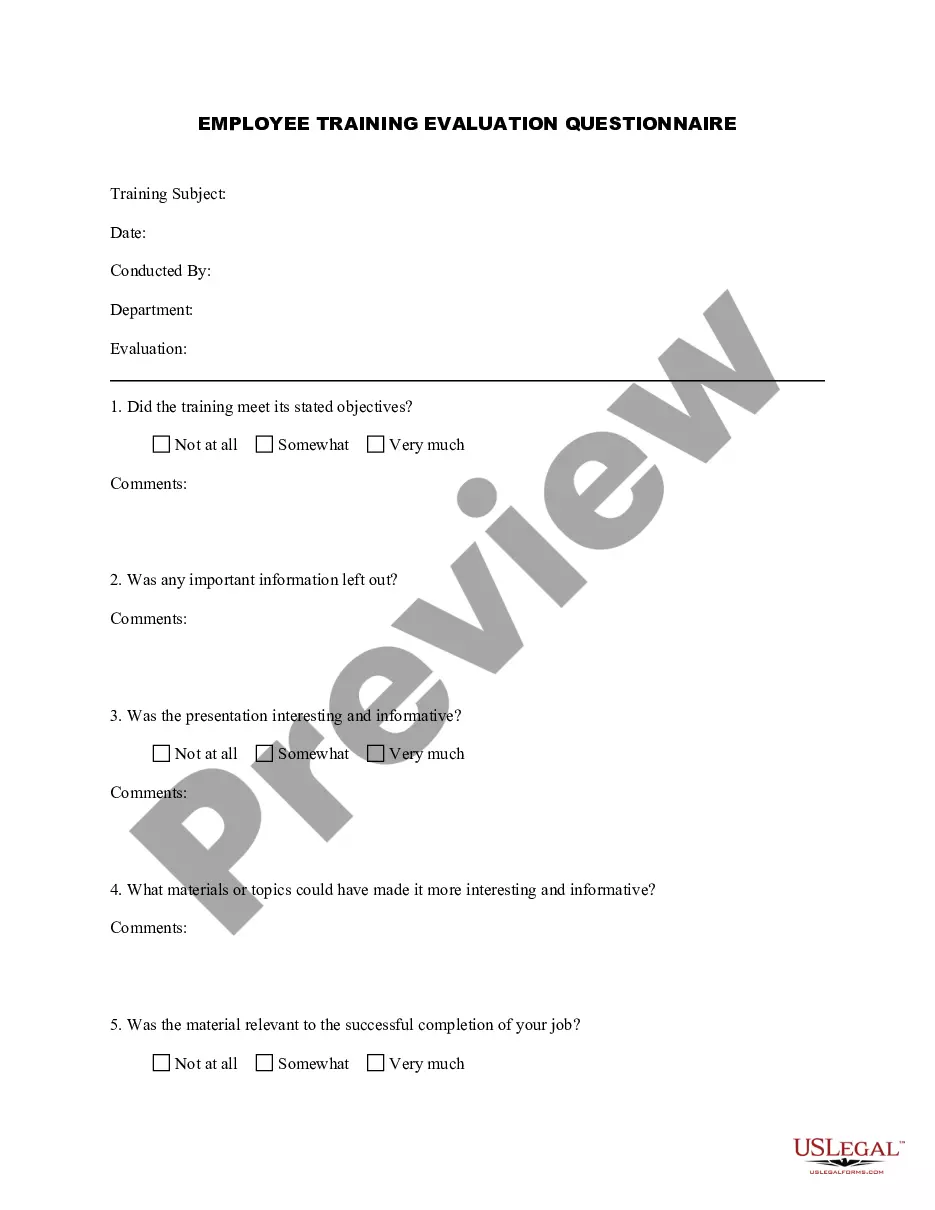
Get your form ready online
Our built-in tools help you complete, sign, share, and store your documents in one place.
Make edits, fill in missing information, and update formatting in US Legal Forms—just like you would in MS Word.
Download a copy, print it, send it by email, or mail it via USPS—whatever works best for your next step.
Sign and collect signatures with our SignNow integration. Send to multiple recipients, set reminders, and more. Go Premium to unlock E-Sign.
If this form requires notarization, complete it online through a secure video call—no need to meet a notary in person or wait for an appointment.
We protect your documents and personal data by following strict security and privacy standards.

Make edits, fill in missing information, and update formatting in US Legal Forms—just like you would in MS Word.

Download a copy, print it, send it by email, or mail it via USPS—whatever works best for your next step.

Sign and collect signatures with our SignNow integration. Send to multiple recipients, set reminders, and more. Go Premium to unlock E-Sign.

If this form requires notarization, complete it online through a secure video call—no need to meet a notary in person or wait for an appointment.

We protect your documents and personal data by following strict security and privacy standards.
Looking for another form?






Form popularity
FAQ
These close-ended questions are useful for adding to management 360 feedback reviews, to ask relevant questions for this particular role. Does the manager work in a respectful manner to others? Does the manager consider other team members' opinions before making a decision? Does the manager effectively solve problems?
360 Degree Feedback Examples for Communication “Samantha could improve her communication by providing more detailed explanations of project goals and expectations.” “John consistently provides clear and concise instructions, making it easy for the team to understand their tasks.”
Positive 360 feedback examples The approach you have to resolving conflicts is commendable. Your active listening and tactful communication have helped to transform conflicts into opportunities for growth and team bonding.
Here's a list of things to look out for: Keep away from personal issues and focus on work-related issues only. Be solution-oriented. Don't exaggerate the situation. Avoid implementing the Halo effectOpens in a new tab on your feedback. Watch your words.
What are the 4 Components of 360-degree Performance Appraisal? Self-Assessment. Self-assessment is where the employee evaluates their performance. Peer Feedback. Incorporating peer feedback involves gathering input from colleagues who interact with the employee regularly. Manager Feedback. Subordinate Feedback.
360 Degree Feedback is an assessment system or process in which employees receive confidential, anonymous evaluations from the people who work around them. This typically includes manager, peers, and direct reports.
360 degree feedback, also known as multi-rater feedback, is a system in which anonymous feedback is gathered about a member of staff from various people they have working relationships with. This is usually their managers, peers, direct reports, subordinates – hence the name “360 degree”.
How do you write a good 360 feedback? Add specific examples highlighting the strengths and areas with room for employee development. Instead of criticizing, provide actionable feedback with insights on how to improve. If you're unsure what's good feedback, you can use performance management software to help you.
7 steps for designing an effective 360 degree feedback review program Set clear goals. Train raters. Focus on natural strengths. Involve managers and leaders. Create buy-in and trust in the 360 feedback program. Know what to ask and how to ask it. Personalize the 360 degree feedback program to your organization.
