360 Review Stop Examples
Description

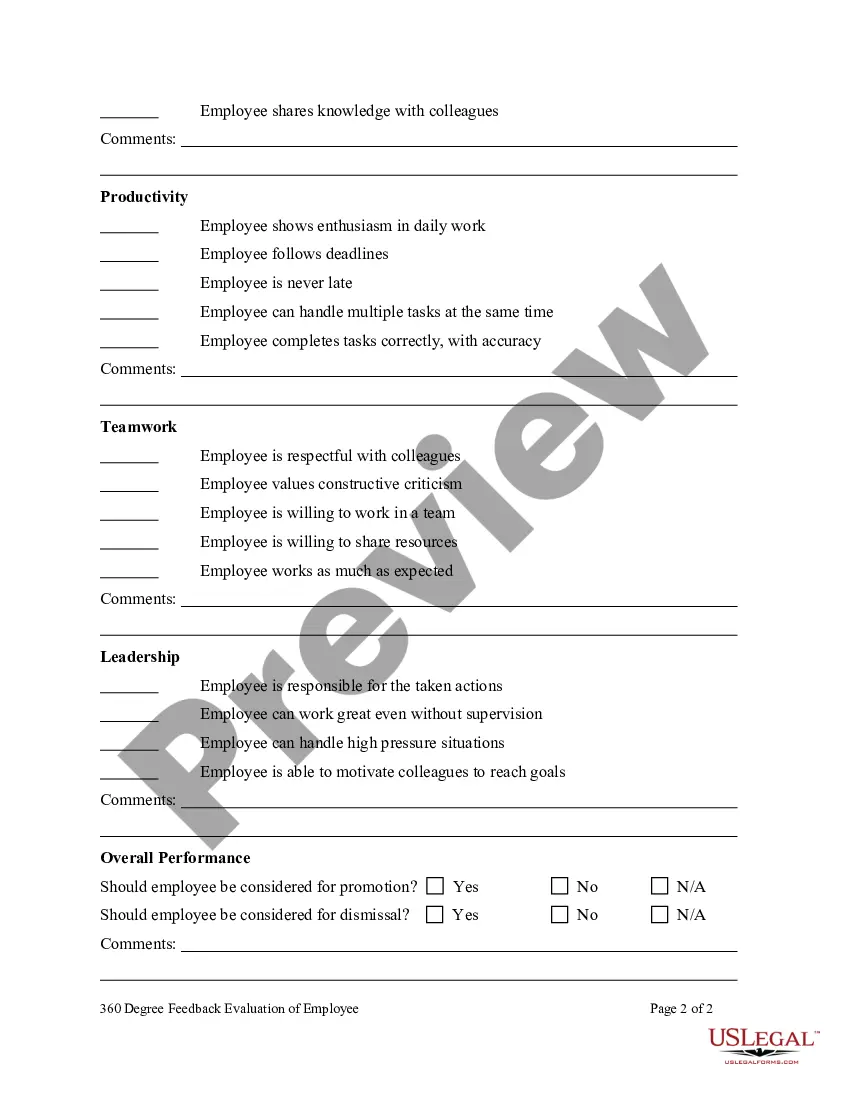
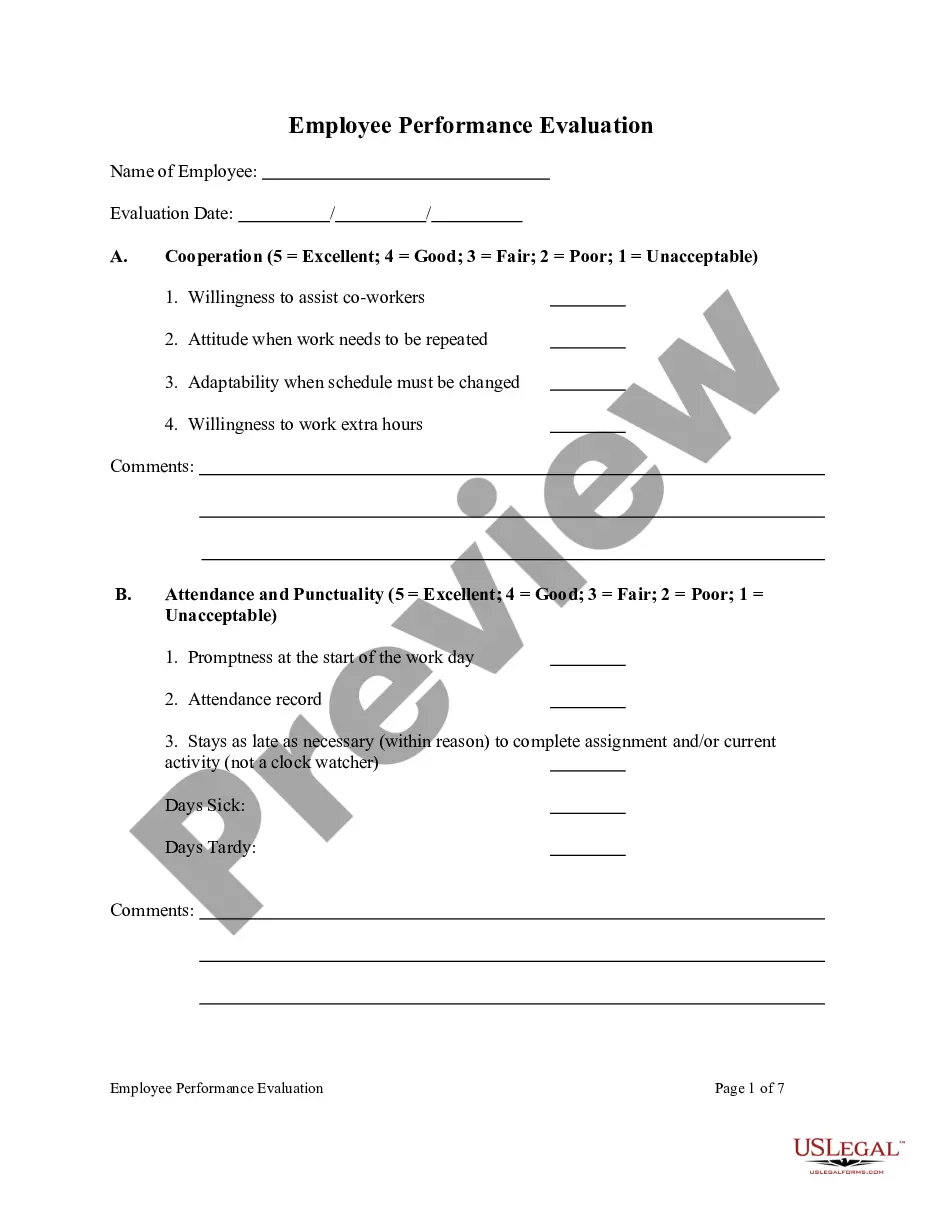
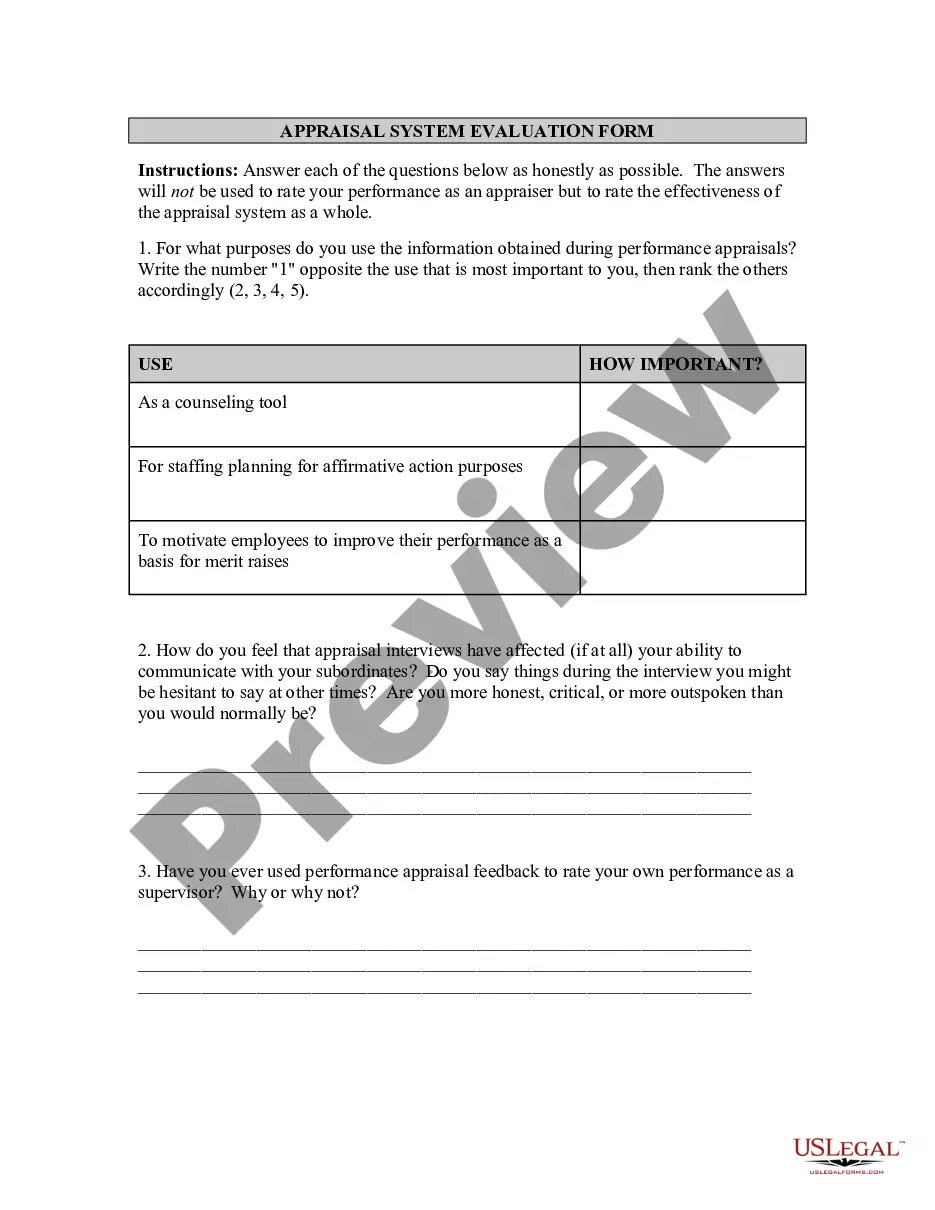
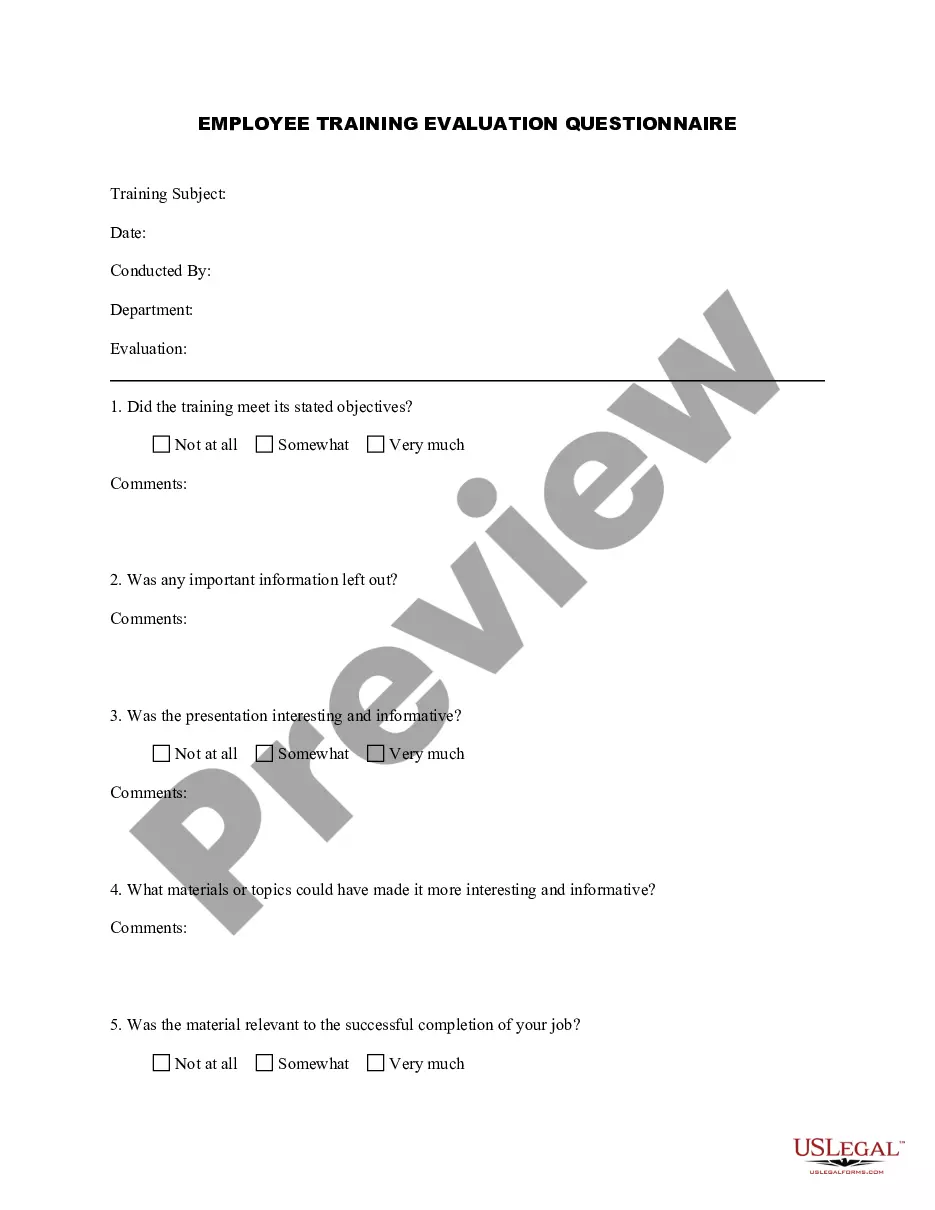
Get your form ready online
Our built-in tools help you complete, sign, share, and store your documents in one place.
Make edits, fill in missing information, and update formatting in US Legal Forms—just like you would in MS Word.
Download a copy, print it, send it by email, or mail it via USPS—whatever works best for your next step.
Sign and collect signatures with our SignNow integration. Send to multiple recipients, set reminders, and more. Go Premium to unlock E-Sign.
If this form requires notarization, complete it online through a secure video call—no need to meet a notary in person or wait for an appointment.
We protect your documents and personal data by following strict security and privacy standards.

Make edits, fill in missing information, and update formatting in US Legal Forms—just like you would in MS Word.

Download a copy, print it, send it by email, or mail it via USPS—whatever works best for your next step.

Sign and collect signatures with our SignNow integration. Send to multiple recipients, set reminders, and more. Go Premium to unlock E-Sign.

If this form requires notarization, complete it online through a secure video call—no need to meet a notary in person or wait for an appointment.

We protect your documents and personal data by following strict security and privacy standards.
Looking for another form?





How to fill out 360 Degree Feedback Evaluation Of Employee?
Whether for commercial reasons or personal matters, everyone must address legal issues at some point in their life.
Completing legal documentation requires meticulous attention, starting from selecting the correct form template.
Once it has been saved, you can fill out the form using editing software or print it for manual completion.
- Locate the sample you require using the search field or catalog browsing.
- Review the information of the form to confirm it aligns with your case, state, and county.
- Click on the form’s preview to inspect it.
- If it is the wrong document, return to the search feature to find the 360 Review Stop Examples sample you need.
- Download the template once it satisfies your criteria.
- If you already possess a US Legal Forms account, click Log in to retrieve previously saved templates in My documents.
- If you haven’t established an account yet, you may acquire the form by clicking Buy now.
- Select the appropriate pricing option.
- Complete the account registration form.
- Choose your payment method: a bank card or PayPal account can be used.
- Select the document format you desire and download the 360 Review Stop Examples.
Form popularity
FAQ
When you reflect on what to stop doing, consider behaviors that may negatively influence your effectiveness. For instance, if you tend to monopolize discussions, feedback could suggest stopping this behavior to allow others to share their ideas. Presenting specific examples like this not only promotes a healthier work environment but also aligns with the principles of 360 review stop examples, fostering mutual growth and collaboration.
When providing 360 degree feedback, it is essential to focus on actionable insights rather than vague statements. Use the framework of what to stop, start, or continue. For instance, you might suggest that a team member should stop providing unclear instructions, which could lead to confusion among colleagues. Clear examples like this strengthen the quality of 360 review stop examples, making feedback more impactful.
In a 360 review, identifying specific actions for peers to stop can greatly enhance team dynamics. For example, if a colleague frequently interrupts during meetings, it may hinder collaborative discussion. Providing feedback that highlights this behavior and its impact encourages them to listen more actively. This showcases the importance of constructive communication within the team, aligning with the concept of 360 review stop examples.
The start stop continue strategy is a structured reflection tool used to enhance team performance. It encourages individuals to identify practices to incorporate, discontinue, and maintain, creating a balanced approach to team dynamics. This framework not only promotes constructive conversation but also drives actionable change within the team.
In a start, stop, continue meeting, express what practices the team should begin, what habits to eliminate, and which successful strategies to maintain. For example, you could suggest starting weekly updates for better alignment, stopping excessive multitasking to improve focus, and continuing to encourage open feedback sessions among team members.
Good 360 feedback is clear, actionable, and framed positively. For example, you might say, 'I appreciate your creativity in problem-solving during our last project. To enhance our outcomes, consider involving the team in brainstorming sessions more frequently.' This method recognizes strengths while suggesting a practical improvement.
You can start by incorporating regular feedback sessions to foster open dialogue. Stop procrastinating on tasks to enhance productivity. Finally, continue showcasing team successes, as this builds morale and reinforces a positive work culture. Evaluating these aspects regularly can greatly enhance team collaboration.
Improvement feedback should be practical and actionable. For example, instead of saying 'you need to communicate better,' you could say, 'try summarizing meeting notes and sharing them with the team afterward.' This offers a clear path for development while also encouraging positive changes within the team dynamics.
When providing 360 feedback, use the STAR method: describe the Situation, Task, Action, and Result. For instance, if a colleague improved team productivity, mention the situation that triggered it, the actions they implemented, and the positive outcome. This structured approach ensures clarity and relevance in your feedback, making it easier for the recipient to understand.
A 360 degree performance appraisal typically includes feedback from various sources, such as peers, supervisors, and subordinates. For instance, if a manager receives input from their team about collaboration skills, they gain a well-rounded view of their performance. This method highlights diverse perspectives, making the review process more comprehensive and insightful.