Nondisclosure For Business In Travis
Description

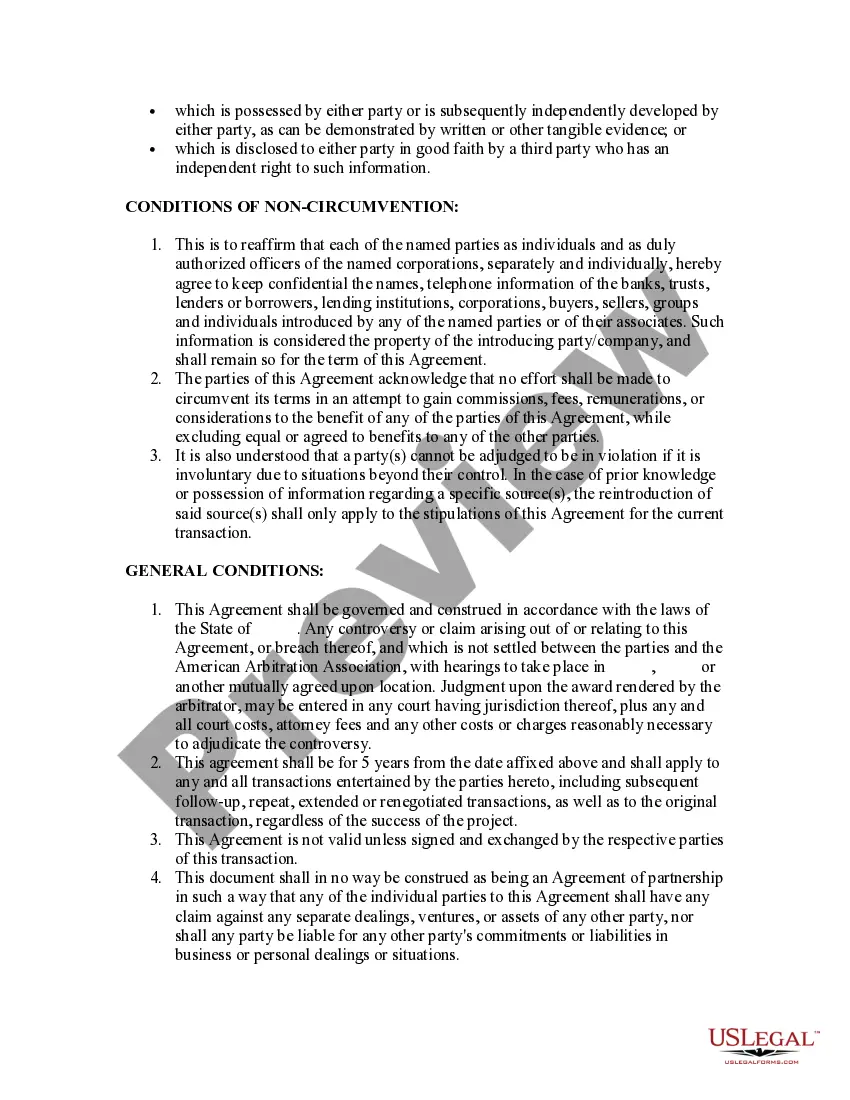
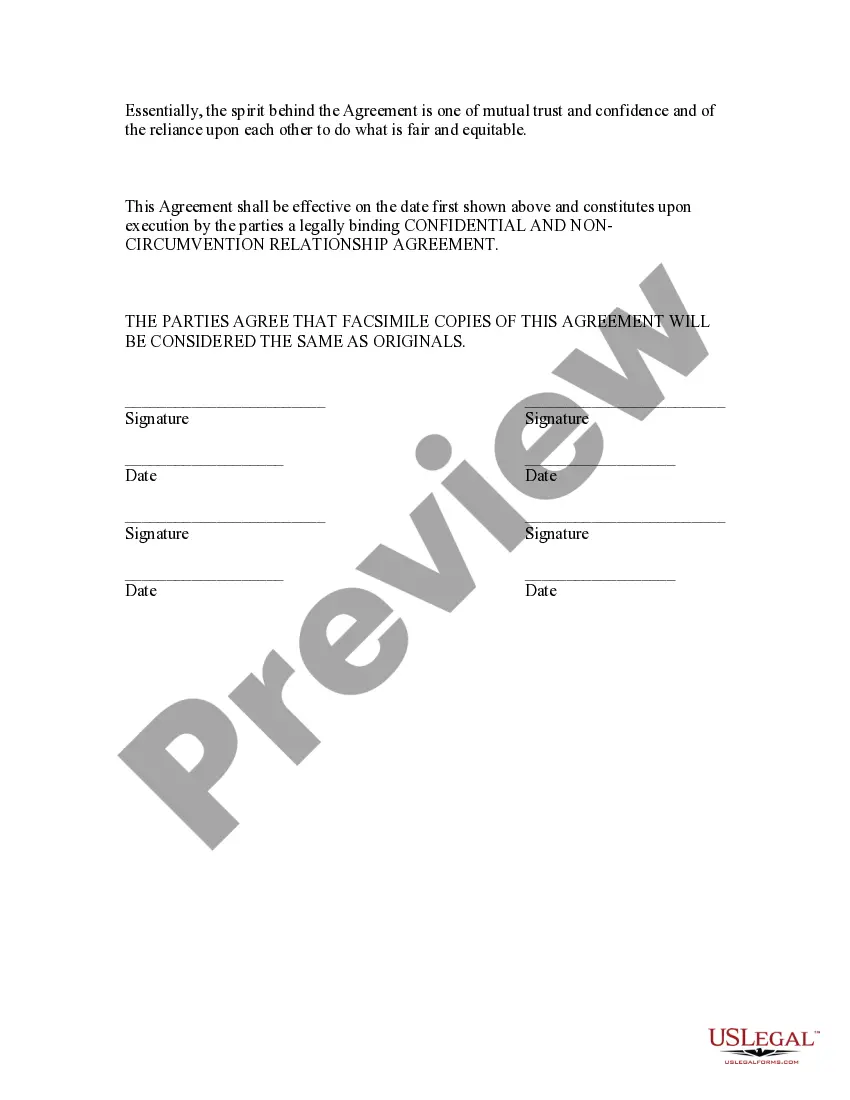
Get your form ready online
Our built-in tools help you complete, sign, share, and store your documents in one place.
Make edits, fill in missing information, and update formatting in US Legal Forms—just like you would in MS Word.
Download a copy, print it, send it by email, or mail it via USPS—whatever works best for your next step.
Sign and collect signatures with our SignNow integration. Send to multiple recipients, set reminders, and more. Go Premium to unlock E-Sign.
If this form requires notarization, complete it online through a secure video call—no need to meet a notary in person or wait for an appointment.
We protect your documents and personal data by following strict security and privacy standards.

Make edits, fill in missing information, and update formatting in US Legal Forms—just like you would in MS Word.

Download a copy, print it, send it by email, or mail it via USPS—whatever works best for your next step.

Sign and collect signatures with our SignNow integration. Send to multiple recipients, set reminders, and more. Go Premium to unlock E-Sign.

If this form requires notarization, complete it online through a secure video call—no need to meet a notary in person or wait for an appointment.

We protect your documents and personal data by following strict security and privacy standards.
Looking for another form?
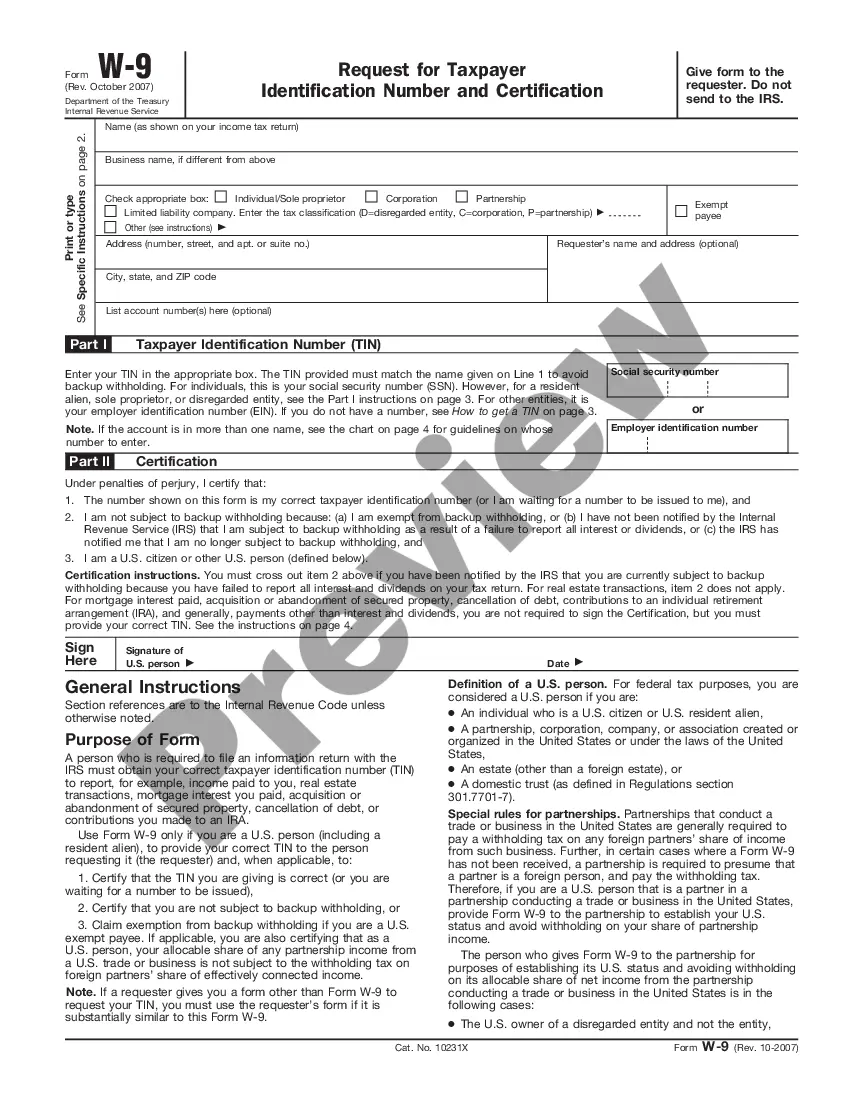







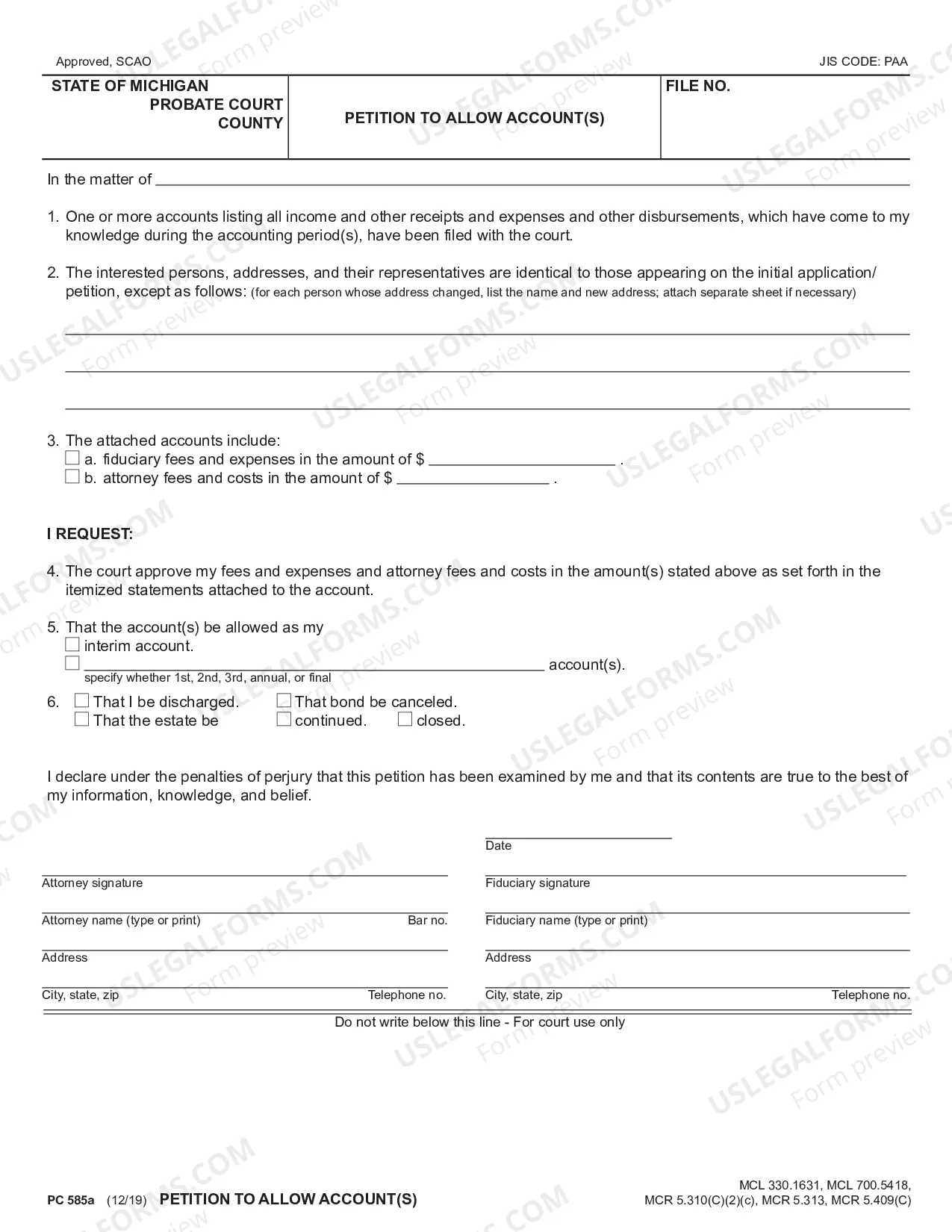
Form popularity
FAQ
How Do I File a Nondisclosure in Texas? Acquire a nondisclosure order form. Complete the documentation and file it with the same court that first heard the case. Wait for the court to arrange the hearing date or share details about how the applicant can organize one.
How Do I File a Nondisclosure in Texas? Acquire a nondisclosure order form. Complete the documentation and file it with the same court that first heard the case. Wait for the court to arrange the hearing date or share details about how the applicant can organize one.
Absolutely. Texas businesses can and should continue to protect their interests through legally compliant nonsolicitation and nondisclosure agreements. The key is ensuring that these agreements are drafted to meet legal standards for reasonableness and necessity.
How Can I Seal or Expunge My Record in Texas? The first step is to find out if you're eligible. File your petition with the court. Serve notices of the petition on state agencies (see our guide here). Attend the court hearing. File the signed order with the court clerk.
If you want to have your criminal record expunged or sealed, you will have to initiate the process in most cases. To do so, you file a petition for expunction or petition for nondisclosure in the proper court.
The Purpose of a Non-Disclosure Agreement An NDA creates the legal framework to protect ideas and information from being stolen or shared with competitors or third parties. Breaking an NDA agreement triggers a host of legal ramifications, including lawsuits, financial penalties, and even criminal charges.
In certain cases, Texas individuals are able to have their criminal record expunged (i.e., cleared), or they may petition for their record (including juvenile records) to be sealed through a nondisclosure order. Chapter 55 governs the expunction of criminal records.
Non-disclosure agreements help employers by protecting valuable, sensitive business information. Workers may need access to such information to do their jobs, and NDAs make it clear that they can use such information for work purposes but cannot share it outside the organization.
In most cases, you can expect to wait 30-90 days to schedule the hearing date after you file this petition. The entire process can take up to six months to complete. Once the court grants your expungement, however, it may take agencies up to 6 months to destroy records complete.
