Non-disclosure Or Nondisclosure In New York
Description

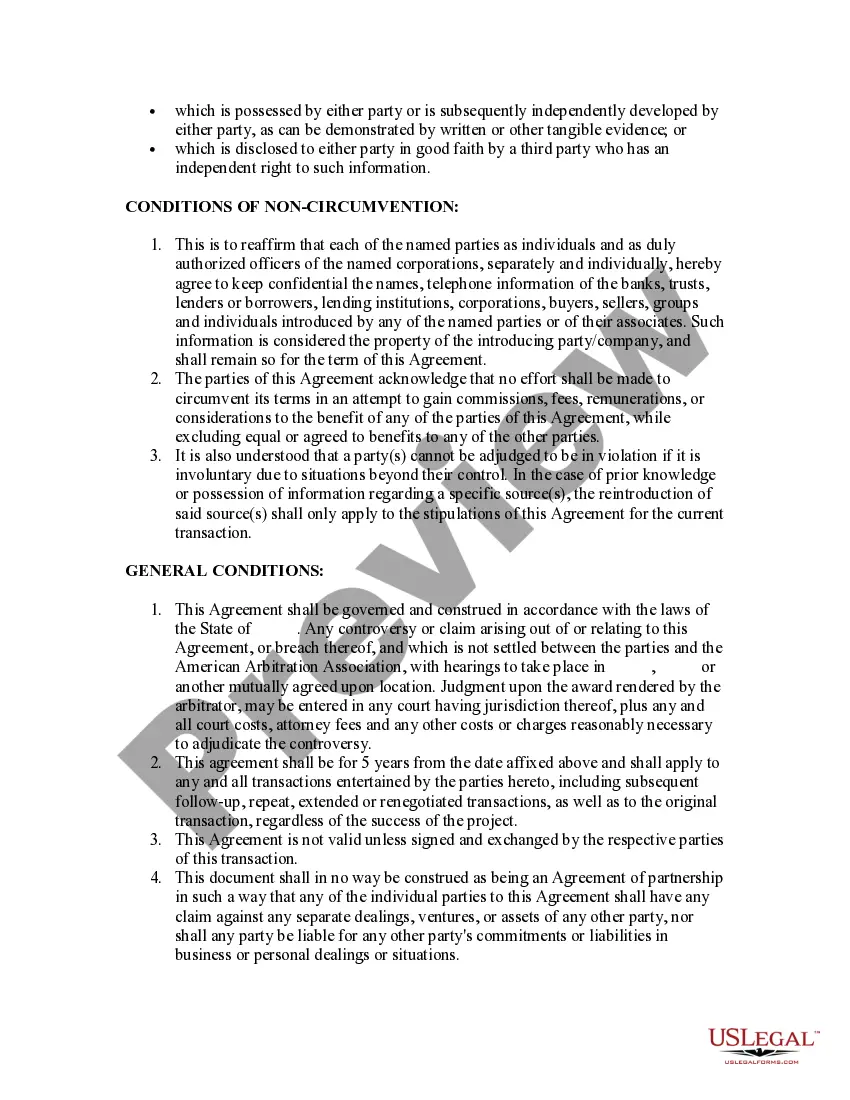
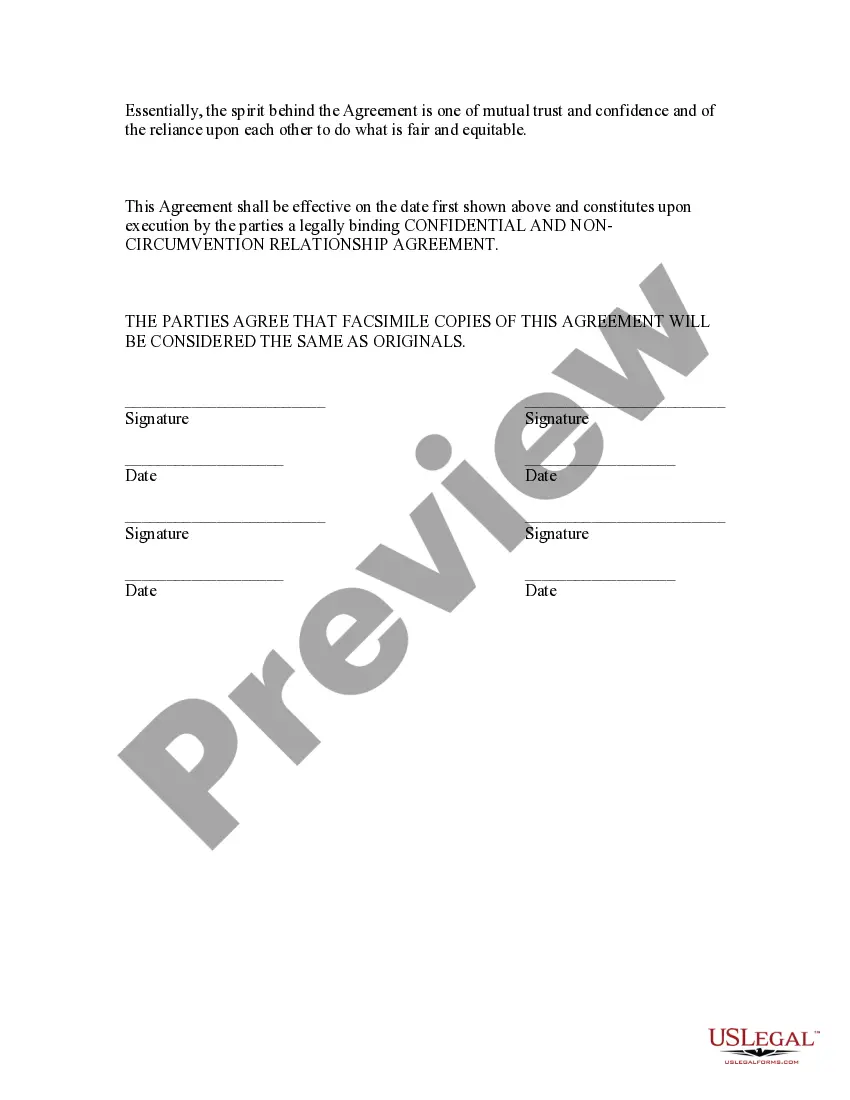
Get your form ready online
Our built-in tools help you complete, sign, share, and store your documents in one place.
Make edits, fill in missing information, and update formatting in US Legal Forms—just like you would in MS Word.
Download a copy, print it, send it by email, or mail it via USPS—whatever works best for your next step.
Sign and collect signatures with our SignNow integration. Send to multiple recipients, set reminders, and more. Go Premium to unlock E-Sign.
If this form requires notarization, complete it online through a secure video call—no need to meet a notary in person or wait for an appointment.
We protect your documents and personal data by following strict security and privacy standards.

Make edits, fill in missing information, and update formatting in US Legal Forms—just like you would in MS Word.

Download a copy, print it, send it by email, or mail it via USPS—whatever works best for your next step.

Sign and collect signatures with our SignNow integration. Send to multiple recipients, set reminders, and more. Go Premium to unlock E-Sign.

If this form requires notarization, complete it online through a secure video call—no need to meet a notary in person or wait for an appointment.

We protect your documents and personal data by following strict security and privacy standards.
Looking for another form?
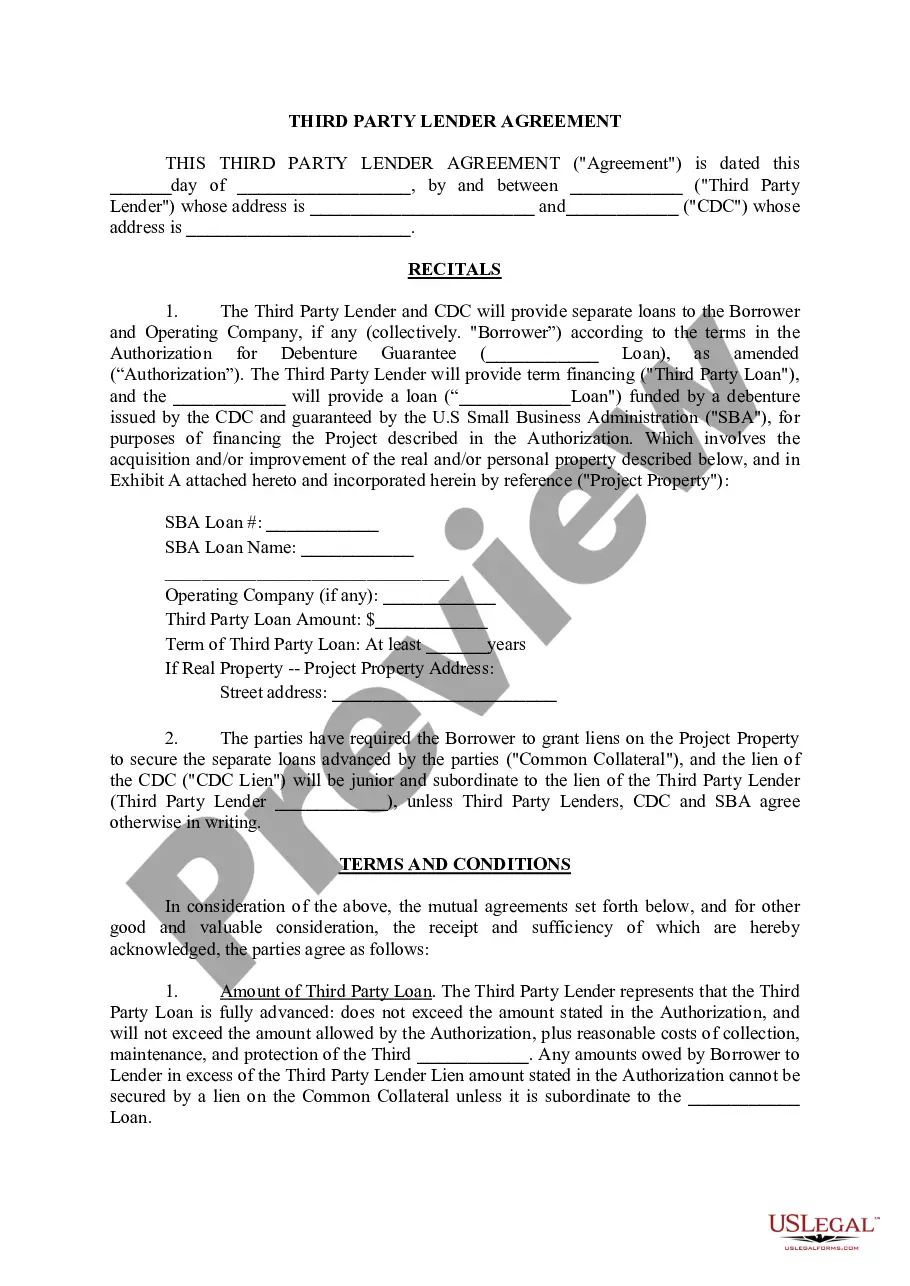





Form popularity
FAQ
Most NDAs define a specific duration for keeping information confidential, often a set number of years. Agreements with indefinite terms typically specify when protections cease. NDAs usually last between one and five years, but this can vary based on the transaction or market conditions.
Most NDAs last for as long as the agreement states in its terms, and can be for as long as the parties agree. This is particularly important for trade secrets, which have no registration-type protections and can only be protected for as long as they are kept secret.
Now, NDAs preventing the disclosure of factual information relating to any future claim of discrimination are void and unenforceable with respect to contractors as well, unless the NDA makes clear that the individual is not prohibited from speaking to law enforcement, the Equal Employment Opportunity Commission, the ...
Depending on the situation, NDAs differ by state and jurisdiction, making it tricky for organizations to ensure they have the utmost legal protection they need.
In addition, California's STAND Act and Silenced No More Act make it unlawful for businesses to use nondisclosure agreements to prevent their employees from revealing factual information regarding sexual assaults, workplace harassment, workplace discrimination, or workplace retaliation.
Nearly 20 states have passed laws restricting their use in dealing with sexual misconduct in the workplace, including Arizona, California, Colorado, Hawaii, Illinois, Louisiana, Maine, Maryland, Nevada, New Jersey, New Mexico, New York, Oregon, Tennessee, Utah, Vermont, Virginia, and Washington.
The amendments expanded restrictions on the use of nondisclosure provisions (“NDAs”) in certain workplace settlement agreements. These amendments, which took effect on November 17, 2023, apply to all agreements entered into after that date.
NDAs are enforceable when they are signed — if they are properly drafted and executed. NDAs are enforceable once signed, provided they have been drafted and executed properly. Unilateral NDAs need only the signature of the receiving party, whereas mutual non-disclosure agreements need the signatures of both parties.
Term of agreement and survival of nondisclosure obligations Survival periods of one to five years are typical. The term often depends on the type of information involved and how quickly the information changes.
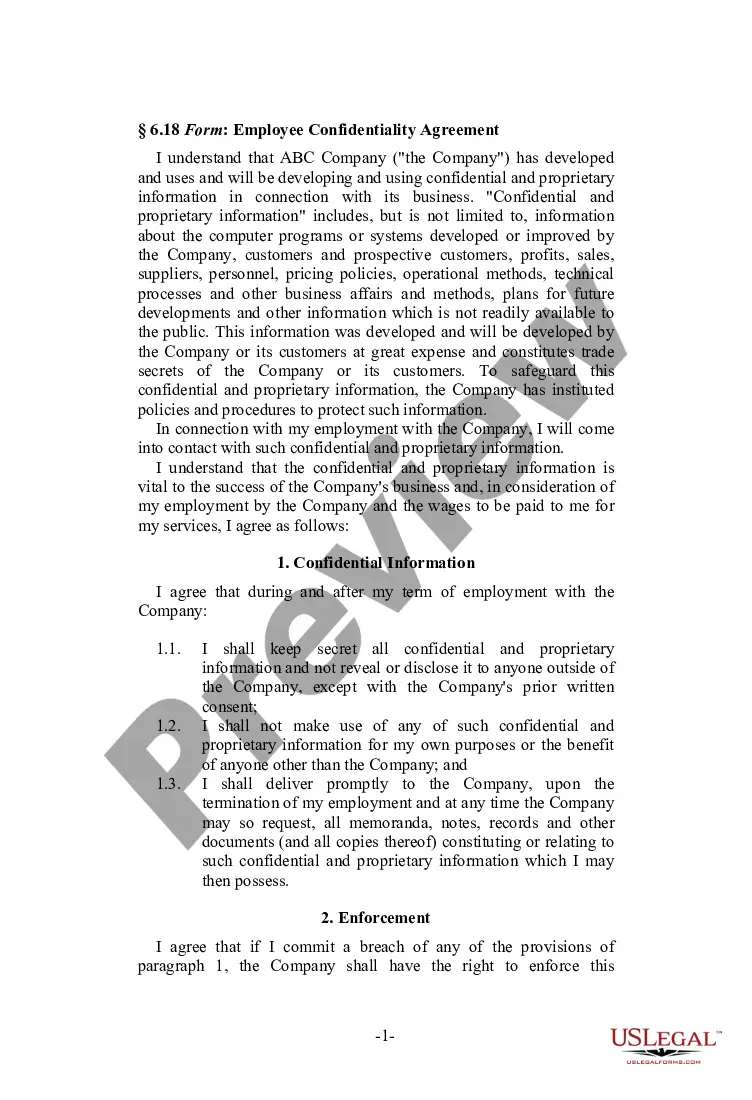
NDAs, or non-disclosure agreements, are legally enforceable contracts that create a confidential relationship between a person who has sensitive information and a person who will gain access to that information. A confidential relationship means one or both parties has a duty not to share that information.
